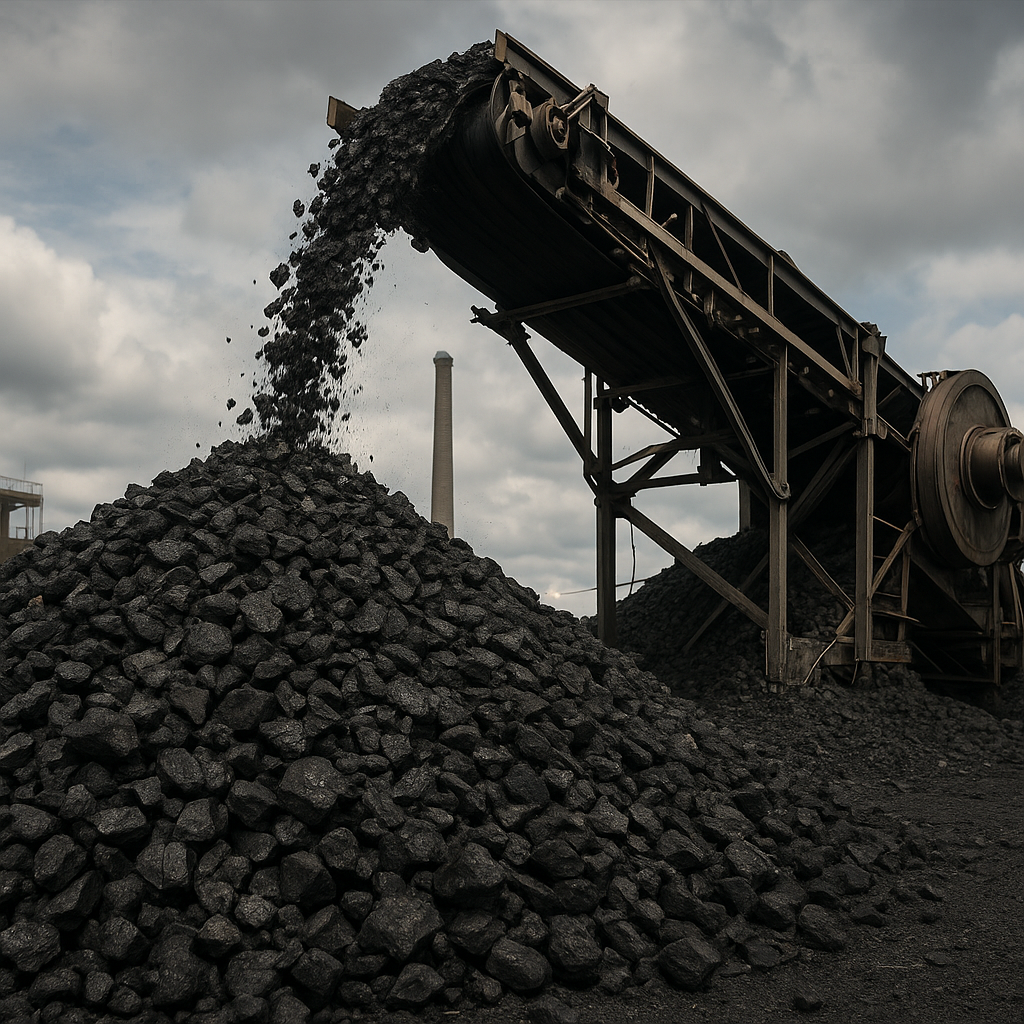
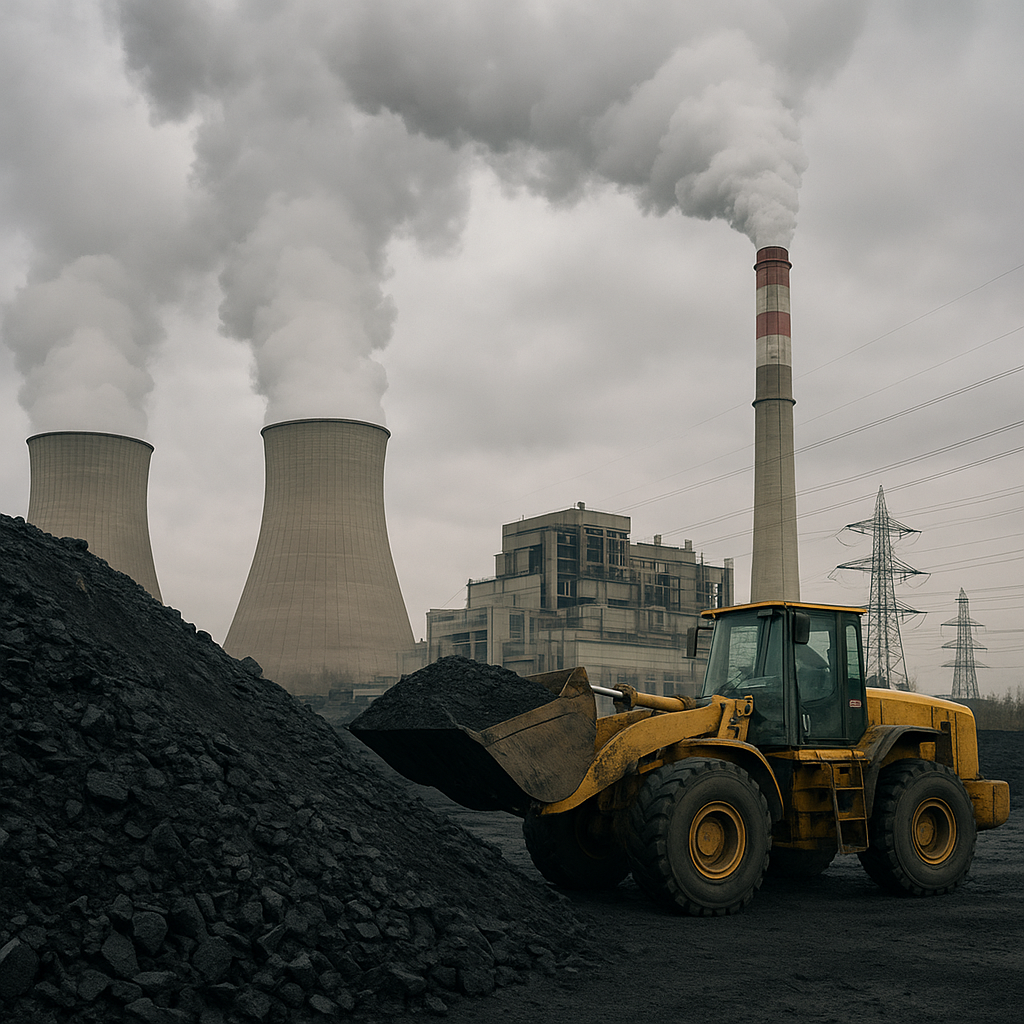
The global reliance on coal remains a defining feature of the energy landscape in 2025. With demand surging in various regions and innovative technologies emerging to manage its environmental impact, coal continues to occupy a critical position within both developed and developing nations. This article examines the latest trends in production, the top coal-producing nations, the dynamics of coal stock and reserves, as well as the broader economic and environmental considerations shaping the industry today.
Global Coal Production in 2025
In 2025, worldwide coal production reached approximately 8.1 billion metric tons, marking a modest increase compared to the previous year. This rise reflects the persistent reliance on coal-fired power plants for stable baseload generation, especially in regions where alternative sources remain costlier or less accessible. Production surged in Asia, bolstered by industrial expansion and growing urban populations, while output in Europe exhibited a slight decline due to regulatory pressure and competition from natural gas and renewables.
Key factors influencing global output include:
- Shifts in demand driven by economic growth in emerging markets.
- Government investment incentives for mining infrastructure upgrades.
- Fluctuating market prices that affect profitability and operational decisions.
- Regulatory frameworks aimed at reducing greenhouse gas emissions.
Leading Coal-Producing Countries
As of 2025, ten countries collectively contributed over 80% of the global coal supply. Each nation’s production profile is shaped by geological reserves, policy priorities, and the balance between domestic consumption and export orientation.
-
China
China remains the undisputed leader, producing nearly 4 billion metric tons annually. Its expansive mining operations in Shanxi and Inner Mongolia cater to vast domestic power stations. Despite ambitious carbon-neutrality goals, China continues to rely on coal to meet its industrial and residential energy needs.
-
India
India ranks second with output of around 800 million tons. Rapid urbanization and industrial growth drive demand, although more efficient technologies and renewable integration are gradually curbing excessive consumption.
-
United States
The U.S. produced approximately 600 million tons. While energy companies diversify into natural gas and renewables, coal remains significant in certain Midwestern and Appalachian power plants.
-
Australia
Australia, a major exporter, delivered over 500 million tons, supplying markets in Asia and Europe. The country’s low-ash, high-calorific coal commands a premium price in the international market.
-
Indonesia
Indonesia’s production reached 430 million tons. As one of the top exporters to China and India, it leverages abundant peat and sub-bituminous deposits.
-
Russia
Russia produced about 360 million tons, focusing on the Kuzbass basin and eastern Siberian fields. Exports to China and Europe underpin the nation’s energy trade strategy.
-
South Africa
South Africa delivered roughly 250 million tons, primarily from the Mpumalanga province. Coal fuels the country’s power plants and metallurgical industries, with exports to Asia and Europe.
-
Germany
Germany’s output of 150 million tons is declining steadily amid a national coal phase-out plan. However, lignite mines in the Rhineland and Lusatia regions still operate to support baseload requirements.
-
Poland
Poland remains a significant European producer with 120 million tons, relying heavily on hard coal for power generation and heating. Transition debates intensify as the EU tightens emissions standards.
-
Kazakhstan
Kazakhstan recorded 100 million tons, utilizing both surface and underground mines. Coal underpins domestic electricity and coking coal feeds steel production.
Coal Stock and Market Dynamics
Strategic stockpiles of coal serve as buffers against supply disruptions, price spikes, and seasonal demand fluctuations. Governments and utility companies maintain reserves to ensure grid reliability, especially during peak winter or summer periods.
Inventory Management
Effective inventory management hinges on accurate demand forecasting and logistical coordination. Coal stocks are categorized into:
- Government-held emergency reserves.
- Utility company operational stocks stored at power stations.
- Commercial inventories held by traders and coal producers.
Price Trends
Coal prices have exhibited volatility, influenced by:
- Geopolitical tensions disrupting export routes.
- Currency fluctuations impacting cost competitiveness.
- Weather events that constrain mining activity.
Even as prices softened in some regions due to mild seasons, unexpected supply constraints in key exporter nations triggered short-lived spikes, underscoring the commodity’s sensitive nature.
Environmental and Economic Implications
The continued reliance on coal raises pressing environmental challenges. Coal-fired plants contribute significantly to carbon dioxide and particulate matter emissions, affecting air quality and public health. Governments are balancing economic growth with environmental responsibility by:
- Implementing stricter emissions sustainability standards.
- Investing in clean coal and carbon capture technologies.
- Encouraging retirement schedules for older, inefficient power stations.
Economically, coal mining remains a vital source of employment and revenue in many regions, supporting local communities. However, market shifts toward cleaner energy are prompting workforce retraining programs and diversification initiatives to mitigate negative social impacts.
Future Outlook and Innovation
Looking ahead, the coal industry is navigating a transformative era. While global coal demand may plateau in the long term, innovations hold promise for cleaner utilization and improved efficiency. Key areas of focus include:
- Carbon capture and storage (CCS) integration at large-scale power plants to reduce CO2 footprints.
- Advanced coal gasification techniques that yield syngas for diverse industrial applications.
- Continued research into sustainability metrics and lifecycle assessments to guide policy.
- Public–private partnerships fostering investment in modernization of mining equipment and safety protocols.
As energy markets evolve, coal’s role will adapt in response to regulatory pressure, technological progress, and shifting consumer preferences. Despite an overall trend toward renewable energy sources, coal remains deeply embedded in global power systems, ensuring its influence for years to come.