Coal remains a cornerstone of modern steel production, offering a blend of versatility and energy density that has shaped industrial processes for centuries. Understanding its multifaceted role involves examining historical developments, current stock management practices, and ongoing efforts to reconcile industrial growth with environmental responsibility. This article explores key dimensions of coal usage in steelmaking, highlighting the intricate balance between meeting global demand and pursuing sustainability.
Historical Evolution of Coal in Steelmaking
Early Use of Coal and Coke
In the 18th and 19th centuries, the shift from charcoal to coke marked a pivotal moment in metallurgical history. Coke, produced by heating bituminous coal in the absence of air, offered superior strength and consistency. This innovation allowed blast furnaces to reach higher temperatures, drastically improving the efficiency and scale of iron smelting operations.
The advantages of coke over charcoal included:
- Greater carbon content per unit mass, leading to more intense heat.
- Reduced impurities, which minimized slag formation and waste.
- Availability in larger, uniform blocks that supported continuous furnace operation.
Transition to Blast Furnace Technology
The refinement of blast furnace design paralleled the adoption of coke as the primary reducing agent. Engineers optimized furnace geometry and air-blast systems, leveraging the consistent quality of metallurgical coke to scale up production. By the early 20th century, coal-based processes dominated steelworks worldwide, giving rise to industrial hubs in Europe, North America, and later Asia.
Key milestones in blast furnace evolution included:
- The introduction of hot blast techniques, which preheated air to conserve fuel.
- Advances in refractory linings that extended furnace life.
- Development of by-product recovery systems to capture coal tar, ammonia, and energy security credits.
Coal Stock Management and Supply Challenges
Mining Operations and Logistics
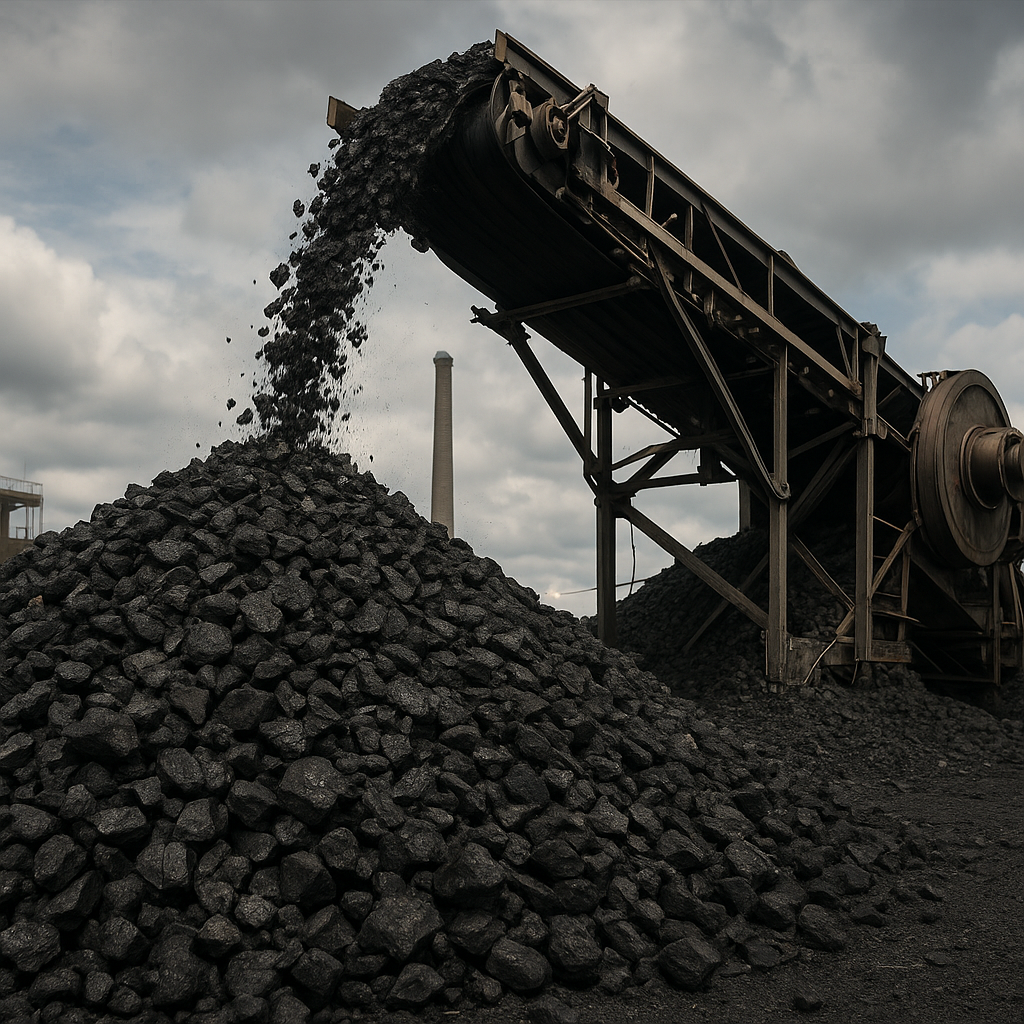
Maintaining robust coal stock levels requires seamless coordination between mining, transportation, and steelworks sites. Major producers employ a mix of open-pit and underground mines to extract various grades of thermal and metallurgical coal. Bulk carriers, rail networks, and port terminals form the backbone of a complex supply chains ecosystem.
Critical factors in coal stock management:
- Inventory forecasting: Aligning stock levels with projected furnace throughput.
- Storage solutions: Using covered domes and silos to prevent weather-related degradation.
- Quality control: Regular sampling to ensure consistent coke yield and minimal impurities.
Risk Factors and Market Volatility
Fluctuations in coal prices pose significant challenges for steelmakers operating on tight margins. Seasonal weather patterns, geopolitical tensions, and regulatory shifts can all disrupt supply. For instance, tropical storms may damage port infrastructure, while export restrictions can limit access to prime coking coal.
To mitigate risks, companies:
- Diversify supplier portfolios across different mining regions.
- Enter into long-term contracts with price-indexed clauses.
- Invest in strategic reserves to smooth out short-term disruptions.
Environmental and Technological Innovations
Reducing Carbon Emissions
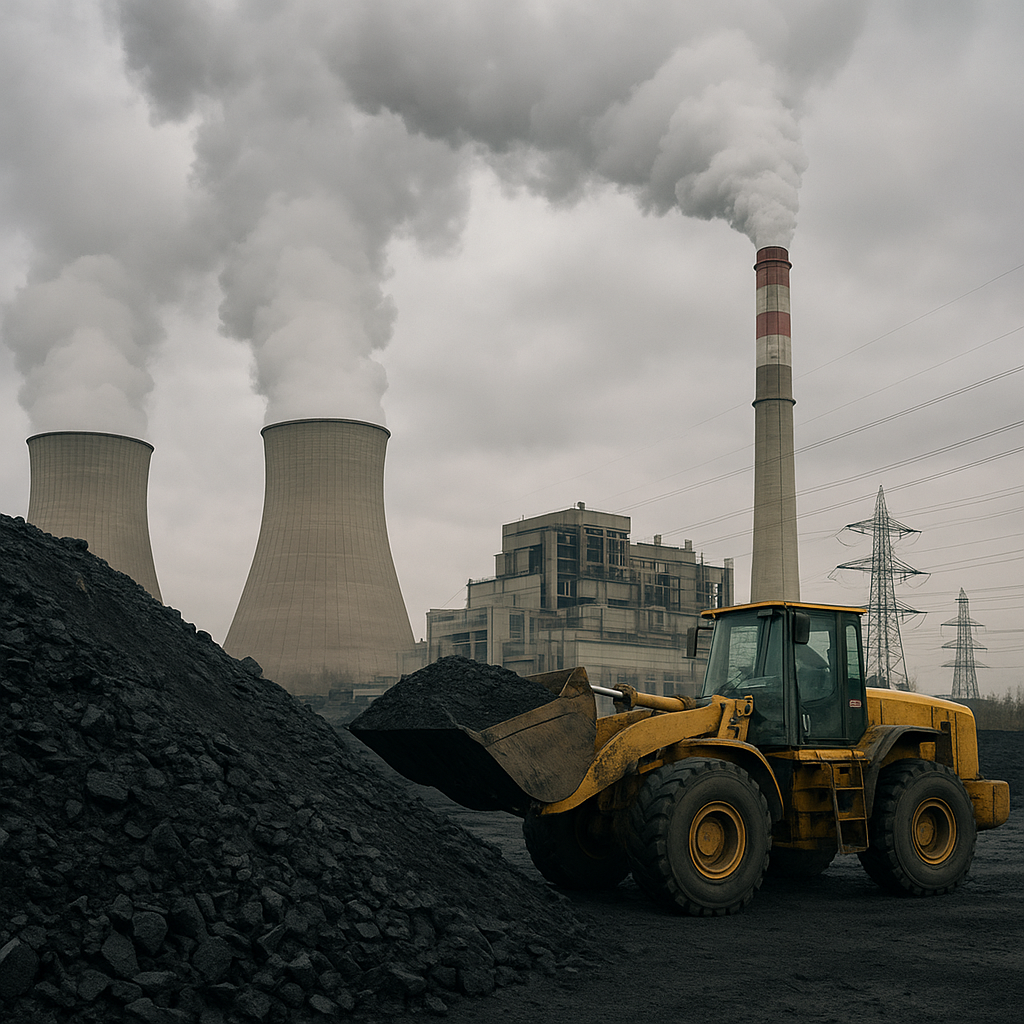
Given the steel industry’s high carbon footprint, reducing carbon emissions has become a top priority. Technologies such as carbon capture, utilization, and storage (CCUS) are being piloted at large-scale blast furnaces. By capturing CO₂ before it escapes the stack, steelmakers can significantly lower their impact on climate change.
Additional emission-control measures include:
- Optimized combustion controls to enhance fuel efficiency.
- Use of alternative reductants, such as biomass blends, to displace a portion of coal.
- Waste heat recovery systems that generate electricity for on-site use.
Alternative Ironmaking Processes
Beyond incremental improvements, breakthrough approaches aim to transform how iron is produced. Direct Reduced Iron (DRI) methods use natural gas or hydrogen, bypassing the need for coke. While DRI currently represents a small fraction of global output, its potential to deliver near-zero-emission steel is driving substantial innovation investments.
Emerging processes under development:
- Hydrogen-based smelting, powered by renewable electricity.
- Molten oxide electrolysis, which produces liquid iron via electric currents.
- Electrochemical reduction, using ionic liquids to dissolve and reduce iron ore.
Future Outlook and Strategic Considerations
Balancing Demand with Sustainability
As urbanization and infrastructure projects surge, demand for steel—and by extension reliable coal supplies—remains strong. However, achieving net-zero targets will require a phased reduction in coal dependency. Industry leaders are forging partnerships with technology firms to pilot low-carbon production lines and retrofit existing plants.
Policy and Investment Imperatives
Governments and investors play a pivotal role in shaping the coal-steel nexus. Supportive policies, such as carbon pricing and green bonds, can accelerate the transition to cleaner technologies. At the same time, continued investment in modernizing coal stock facilities ensures operational resilience during the gradual shift to alternative methods.
Ultimately, the steel industry’s journey toward a sustainable future will hinge on harmonizing traditional coal-based expertise with bold technological leaps and robust environmental stewardship.