The global narrative of energy has long revolved around the abundant, yet often controversial, resource known simply as coal. Throughout centuries, this fossil fuel has powered industries, fueled economic booms, and shaped the very policies of nations. Its deep seams lie hidden beneath the earth, promising both prosperity and peril. While some stakeholders tout coal’s reliability and affordability, others decry its environmental toll and urge a swift transition towards cleaner alternatives. In the following discussion, we will explore the geological origins that birthed this black rock, examine the intricacies of coal stock and market dynamics, unpack the mounting regulatory pressures driven by greenhouse gas concerns, and delve into the political gamesmanship that colors the global debate.
Historical Roots and Geological Formation
From the lush swamps of the Carboniferous Period to modern mining operations, the story of coal is one of deep time and human ingenuity. Roughly 300 million years ago, dense forests and ferns thrived in humid deltas. When these plants died, they sank into oxygen-poor waters, avoiding full decomposition. Over eons, layers of sediment pressed down on the organic matter, gradually transforming it through heat and pressure into peat, then lignite, and eventually into higher-grade anthracite or bituminous coal.
This geological process is not uniform everywhere. Variations in temperature, pressure, and mineral content produce coals of different ranks. Low-rank coals, such as lignite, burn less efficiently and emit more pollutants. High-rank coals, especially anthracite, have higher carbon content, making them prized for industrial uses. Historically, the emergence of steam engines in the 18th century ignited Europe and North America’s thirst for this resource, thereby launching the Industrial Revolution.
However, the very abundance of coal deposited over millions of years has led nations to stake territorial claims and develop sprawling mining networks. In many countries, entire communities sprouted around mining towns, their livelihoods intertwined with the fortunes of a singular commodity. As miners dug deeper, they unlocked vast stores of heat and energy, but also sowed the seeds of environmental challenge.
Understanding Coal Stock: Reserves, Markets, and Economics
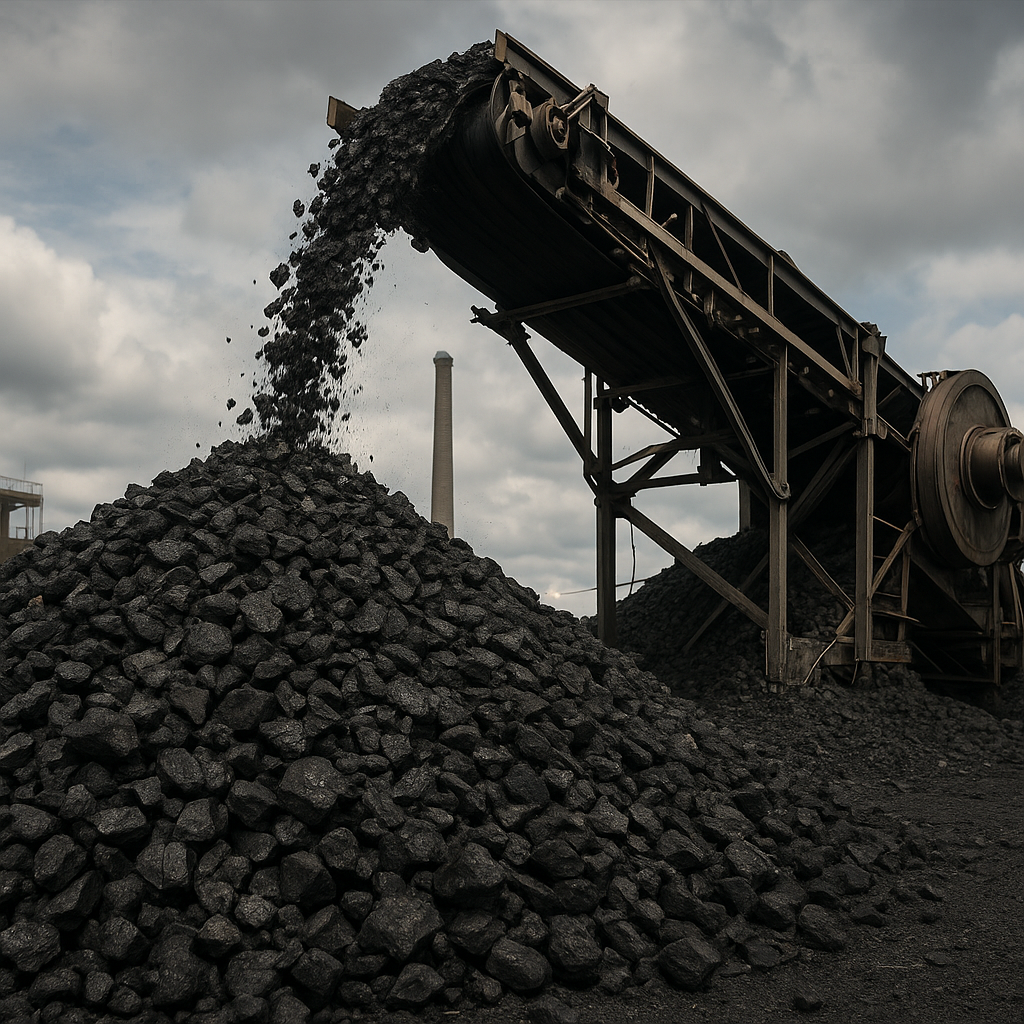
At the heart of any energy strategy lies the question of supply security. The term coal stock refers to both the physical inventory held at power plants, ports, and mines, and the proven reserves documented in geological surveys. According to industry reports, global proved reserves of coal could sustain current consumption rates for over 130 years, although new discoveries and evolving definitions may shift that horizon.
Major Coal Reserves by Region
- Asia-Pacific: Home to the largest reserves, led by Australia and China. Australia’s high-quality metallurgical coal fuels steel production worldwide, while China’s vast deposits drive domestic power generation.
- North America: The United States ranks second globally in proved reserves, with major basins in Appalachia and the Powder River. Canada contributes significant lignite and bituminous output.
- Eurasia: Russia and Kazakhstan maintain extensive reserves, often remote but increasingly accessible thanks to new rail and port infrastructure.
Market dynamics for coal stock involve a complex interplay of freight costs, regulatory tariffs, and commodity pricing indices. While thermal coal powers most coal-fired plants, metallurgical coal commands premium prices for steelmaking. Investors and governments alike must navigate price volatility, geopolitical risks, and the rising cost of capital for fossil projects.
Investment in new mining ventures now requires detailed risk assessments, often incorporating carbon pricing scenarios. Traditional financiers may balk at funding projects deemed inconsistent with carbon reduction goals, pushing some developers to seek alternative financing sources or to pair projects with carbon capture technology. As the global appetite for affordable baseload power persists, the economics of coal stock remain contentious yet central to many national energy portfolios.
Environmental Impacts and Regulatory Pressures
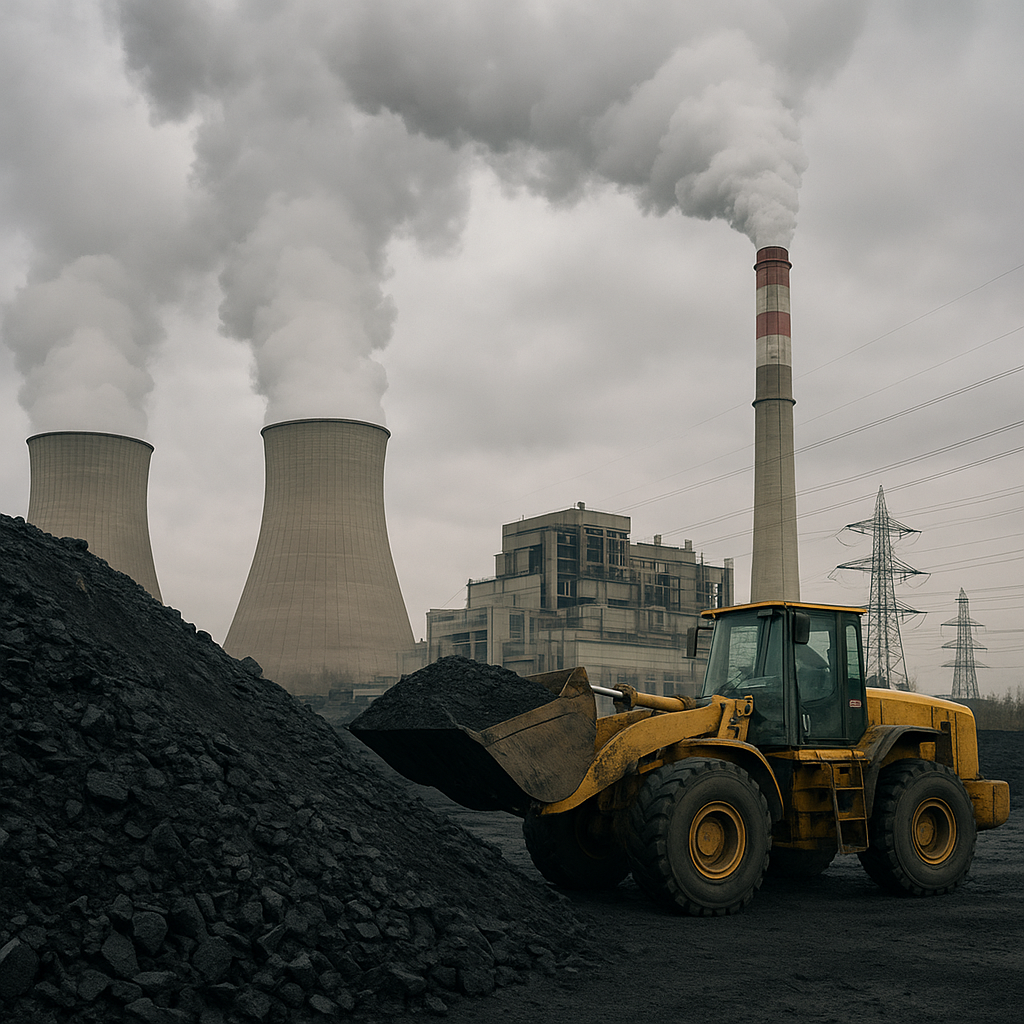
Burning coal releases a spectrum of pollutants: sulfur dioxide, nitrogen oxides, particulate matter, mercury, and vast quantities of greenhouse gas emissions. The energy sector alone accounts for over 40% of worldwide carbon dioxide output, with coal-fired plants contributing nearly 60% of those emissions. These statistics have galvanized activists, scientists, and international bodies to call for sweeping reforms.
Major policy interventions include:
- Emission Trading Schemes (ETS): Cap-and-trade systems in the EU and select Asian markets aim to limit carbon emissions by assigning tradable allowances.
- Clean Air Regulations: Stricter standards on sulfur and particulate emissions force power companies to invest in scrubbers and filters, raising operating costs.
- Carbon Taxes: Direct levies on carbon content encourage shifts towards renewable generation and energy efficiency upgrades.
In response, some coal producers have touted carbon capture and storage (CCS) as a technological fix. While CCS can potentially trap up to 90% of carbon dioxide emissions, high capital and operating expenses, along with uncertain regulatory frameworks, have curtailed widespread deployment. Meanwhile, public pressure has surged for a just transition, ensuring that workers in coal regions are not left behind as mines close and plants retire.
Political Dynamics and Energy Security
Energy policy is rarely divorced from geopolitics. Nations with abundant reserves often wield considerable influence on global energy markets. For example, China’s dual role as the world’s largest consumer and producer of coal grants it leverage in setting price benchmarks and shaping trade flows. India’s rapidly growing economy relies heavily on domestic coal to meet surging electricity demand, yet it simultaneously invests in renewable capacity to mitigate air pollution and enhance sustainability.
In democratic countries, coal lobbyists advocate vigorously for subsidies, extended plant lifespans, and reduced environmental regulations. Meanwhile, climate-focused NGOs counterbalance these efforts by highlighting public health impacts and the long-term costs of unchecked emissions. The tug-of-war between economic growth imperatives and environmental stewardship has defined policy debates in capitals from Washington to New Delhi.
Energy security adds another layer of complexity. Dependence on imported fuels can expose countries to supply disruptions, price shocks, and geopolitical maneuvering. As a result, some governments maintain strategic coal stockpiles or incentivize domestic production. Others diversify their energy mix with natural gas, nuclear power, and renewables, each presenting trade-offs in terms of cost, reliability, and carbon footprint.
Ultimately, the fate of coal rests on a delicate balance between national interests, global climate goals, and the evolving economics of energy. While some analysts predict a gradual decline in coal’s share of the power mix, others argue that without affordable and scalable alternatives to handle baseload demand, coal will remain an integral, if increasingly contested, part of the energy equation.