Amid shifting energy demands and environmental concerns, coal remains a pivotal force in the global energy mix. From powering industrial revolutions to supporting baseload electricity grids, the trajectory of this fossil fuel is intertwined with economic growth and ecological responsibility. Investors, policymakers, and engineers alike navigate a landscape defined by regulatory pressures, evolving technologies, and market fluctuations. This article examines the dynamics of coal, explores strategies for coal stock investment, highlights groundbreaking carbon reduction techniques, and considers pathways toward a lower-carbon future.
Historical Context and Global Market Dynamics
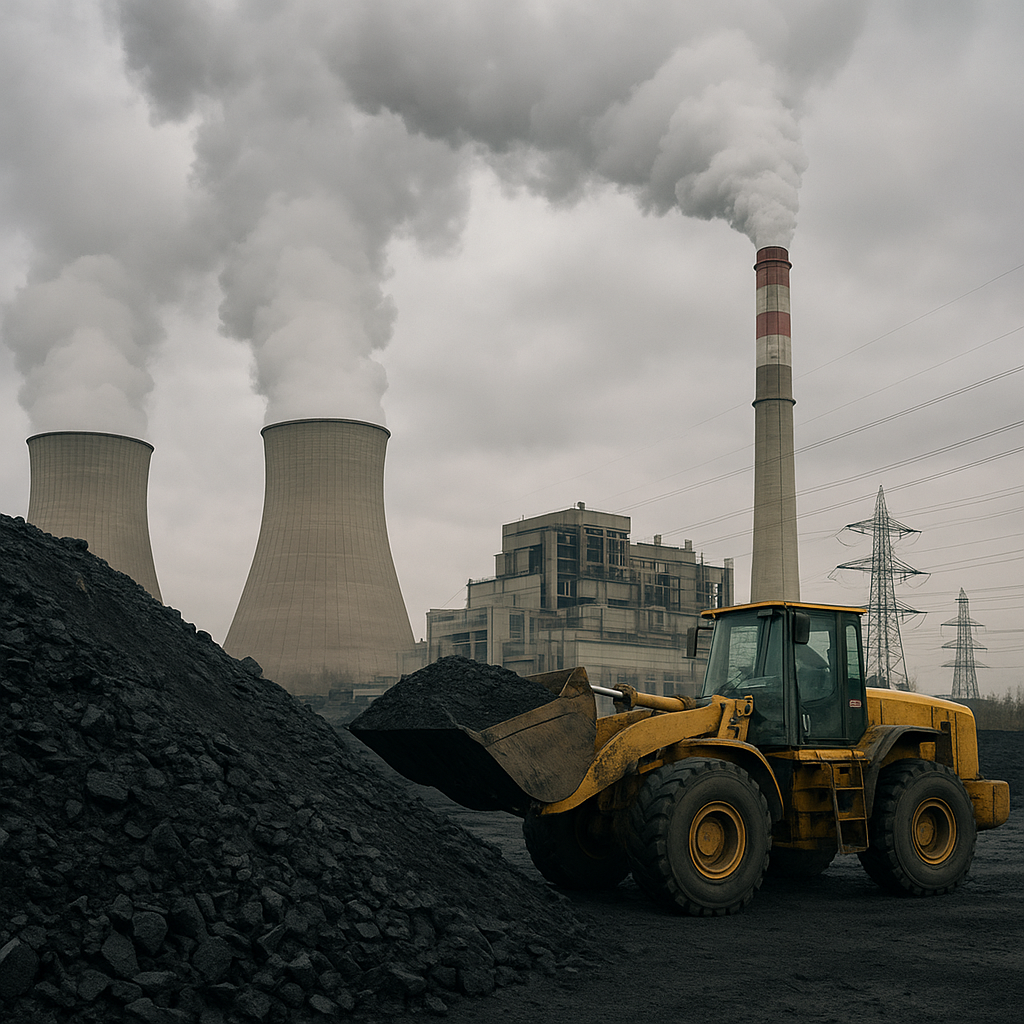
Since the 18th century, the mining and utilization of coal revolutionized transportation, manufacturing, and urban development. Today, despite the surge of natural gas and renewables, it continues to supply nearly 40% of global electricity. Major producers include China, India, the United States, and Australia, each facing unique challenges and opportunities.
Supply Chain Evolution
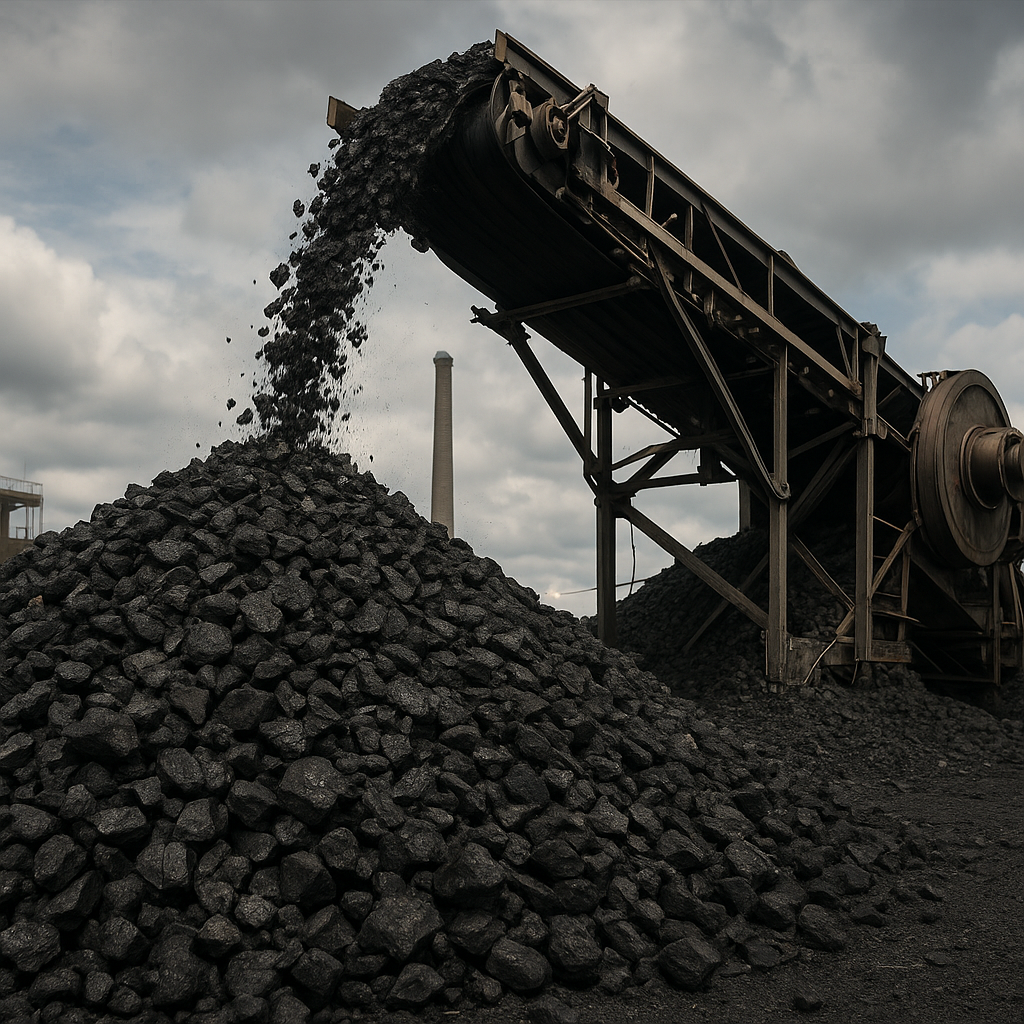
- Extraction: From underground mines to massive open-pit operations, mechanization has boosted output but raised environmental concerns.
- Transportation: Rail and maritime networks carry hundreds of millions of tonnes annually, exposing shipments to geopolitical and logistical risk.
- Demand Centers: Industrial hubs and power plants dictate pricing structures and contract durations.
Price Drivers
- Regulations: Emission standards and carbon taxes reshape market dynamics.
- Substitution: Competitiveness against gas, oil, and renewables affects long-term contracts.
- Geopolitics: Trade disputes, export tariffs, and regional conflicts introduce volatility.
Understanding these factors is essential for businesses and governments aiming to balance energy security with climate commitments.
Investment Strategies in Coal Stock: Balancing Yield and Responsibility
Investors often seek dividends and capital appreciation from coal-related equities. Yet the sector’s future hinges on environmental, social, and governance (ESG) criteria and technological advances. Portfolio managers must weigh short-term gains against long-term sustainability.
Key Considerations for Coal Equity
- Financial Health: Debt levels, cash flow stability, and operational margins determine resilience in downturns.
- ESG Profiles: Carbon footprints and community impacts influence institutional interest.
- Innovation Potential: Companies investing in cleaner technologies may secure competitive advantages.
Diversification Techniques
- Geographic Spread: Holding assets across continents mitigates regional policy shocks.
- Energy Mix Exposure: Combining coal stocks with renewables and storage firms enhances risk-adjusted returns.
- Hedging Instruments: Futures and options on coal indices can protect against price swings.
By integrating due diligence and forward-looking analyses, investors can craft a portfolio that balances yield objectives with environmental stewardship. Robust research into mine reclamation plans and social impact programs also helps minimize reputational risk.
Technological Innovations: The Rise of Carbon Capture and Sequestration
In response to tightening emissions regulations and climate targets, coal-fired power plants are increasingly adopting carbon management solutions. Pioneering projects demonstrate how traditional energy sources can coexist with ambitious decarbonization goals.
Pre-Combustion, Post-Combustion, and Oxy-Fuel Methods
- Pre-Combustion: Syngas production separates carbon before combustion, enabling easier sequestration.
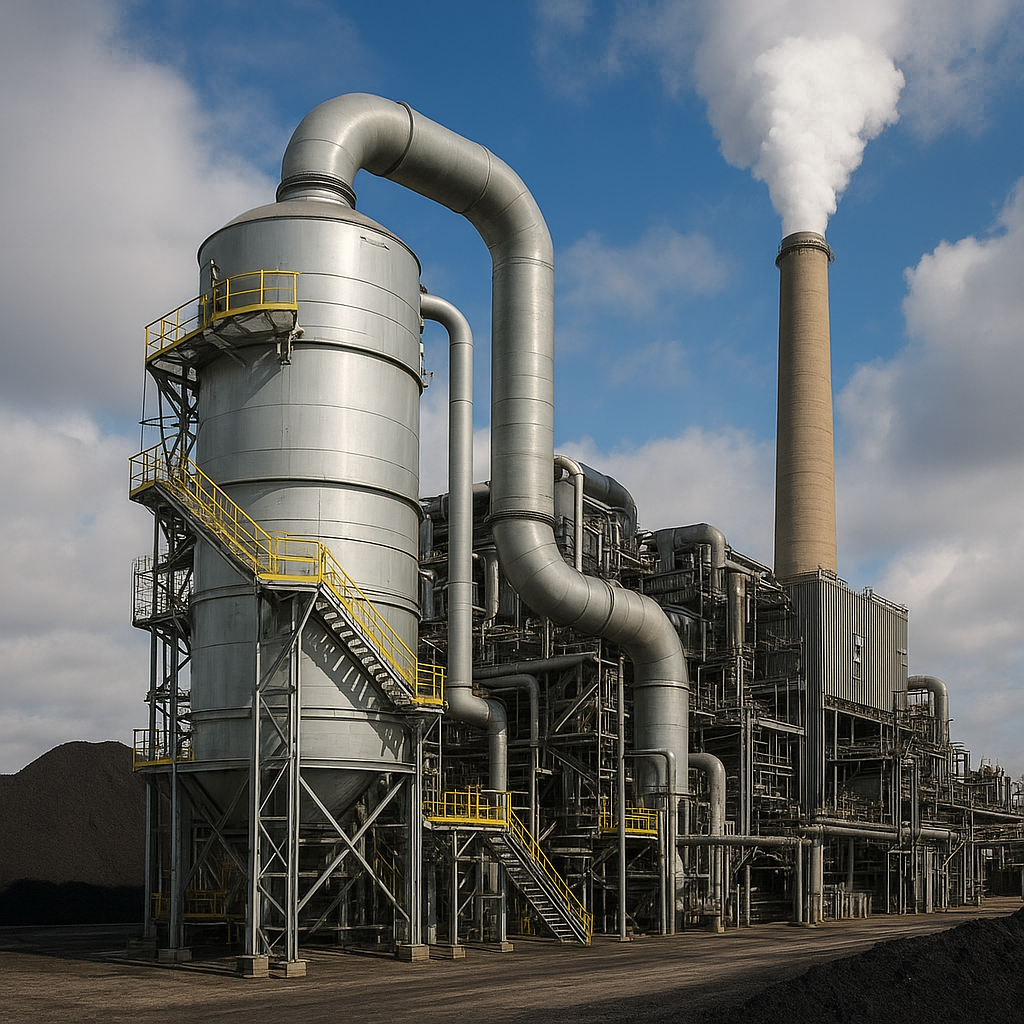
- Post-Combustion: Chemical solvents capture CO₂ from flue gases, then compress it for transport and storage.
- Oxy-Fuel: Burning coal in pure oxygen generates a flue stream rich in CO₂, simplifying capture processes.
Landmark Projects and Partnerships
- Project A: A European power station capturing over one million tonnes of CO₂ annually, injecting it into deep saline aquifers.
- Project B: Collaboration between major utilities and oil companies to repurpose depleted oil fields for long-term CO₂ storage.
- Project C: Innovative direct air capture units co-located with coal plants, enhancing overall sustainability.
Advancements in membrane technologies, solvent regeneration, and monitoring frameworks are driving down costs and improving capture rates. Public-private finance mechanisms and carbon credit markets further incentivize developers to scale up these efforts.
Future Outlook: Transitioning Toward Cleaner Energy
Despite ongoing debate about the role of coal in a decarbonized world, several trends hint at an evolutionary rather than revolutionary path. Retrofitting existing infrastructure with carbon reduction solutions can prolong the life of assets while aligning with net-zero pledges.
Integration with Renewables and Storage
- Hybrid Plants: Pairing coal units with solar or wind arrays smooths output profiles and reduces total carbon intensity.
- Battery Storage: Fast-responding systems help manage load variations, enabling less coal burning during peak renewable production.
- Hydrogen Blending: Co-firing coal with green hydrogen can cut plant-level emissions significantly.
Policy and Financial Drivers
- Carbon Pricing: Stronger pricing frameworks make low-carbon retrofits more attractive.
- Subsidies and Grants: Government incentives lower the barrier to adopting innovation in carbon management.
- Green Bonds: Dedicated debt instruments fund large-scale upgrades and research.
As stakeholders navigate the energy transition, a pragmatic approach acknowledges both the indispensable role of existing coal assets and the imperative to harness cutting-edge technologies. Continued investment in innovation and collaboration across sectors will be key to achieving a balanced, resilient, and low-carbon energy landscape.