Coal remains a vital component of the global energy mix, powering industries, generating electricity, and supporting economic growth. Efficient management of its journey from mine to consumer requires robust logistics solutions and reliable transportation networks. This article delves into the multifaceted world of coal handling, with a special focus on rail networks, stock management practices, and the challenges facing an industry under increasing environmental scrutiny.
Overview of the Global Coal Industry
The coal sector has evolved significantly since the Industrial Revolution, yet it still underpins the energy strategies of many nations. Annual production exceeds 7 billion tonnes, with major exporters including Australia, Indonesia, Russia, and the United States. On the demand side, large-scale steel manufacturing and thermal power plants account for the lion’s share of consumption. Coal’s affordability and abundance have made it a go-to choice for base-load generation, though rising concerns over greenhouse emissions are driving policy shifts and investment in cleaner alternatives.
Despite market volatility, coal remains attractive due to its relative cost stability compared to oil and gas. Regions rich in reserves invest heavily in port terminals and inland distribution corridors to streamline delivery. In Asia, emerging economies are expanding mine capacity and rail linkages to ensure uninterrupted supply. Even in Europe, where decarbonization targets loom large, coal-fired plants often operate as backup power during peak demand or supply disruptions in other energy sources.
Key Components of Coal Logistics
Efficient coal logistics hinge on a well-coordinated chain of activities that begins at the mine face and ends at the end-user’s facility. Any bottleneck along this path can escalate costs and undermine delivery timelines. The main stages include:
- Mine Site Processing – Extraction, crushing, and washing to meet quality specifications.
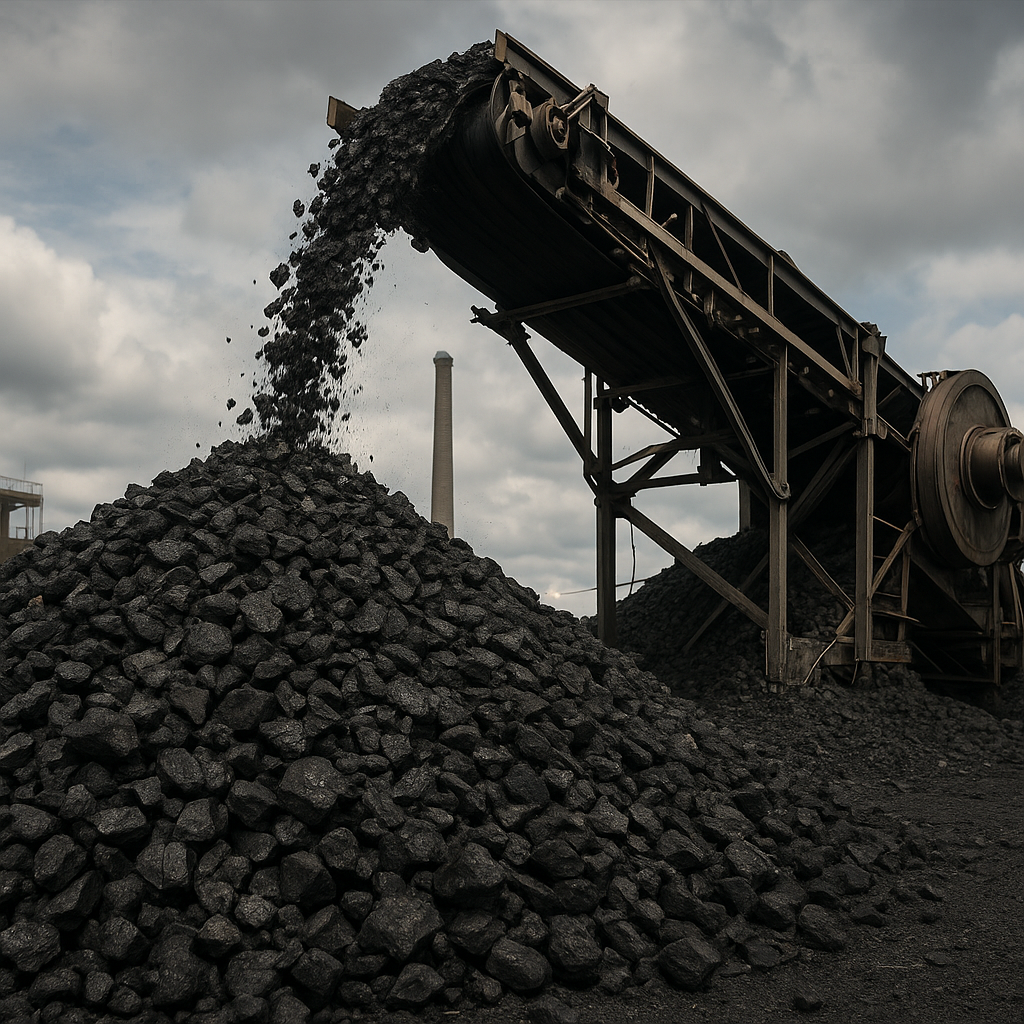
- Stockpiling and Blending – Managed stockpiling areas where different grades are mixed to achieve consistent calorific values.
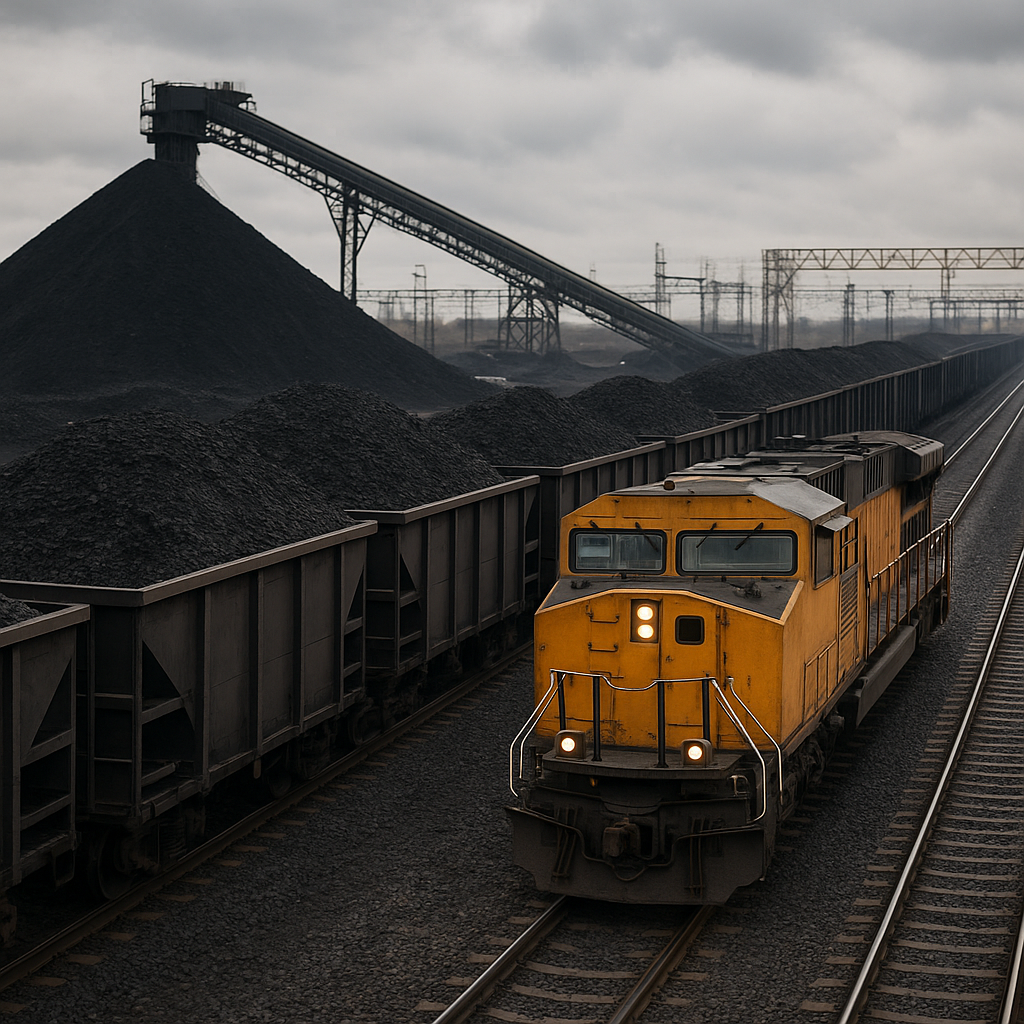
- Rail and Road Transport – Movement to port or power plant via specialized rolling stock or heavy trucks.
- Port Handling – Loading onto vessels using conveyors, shiploaders, and cranes at coastal terminals.
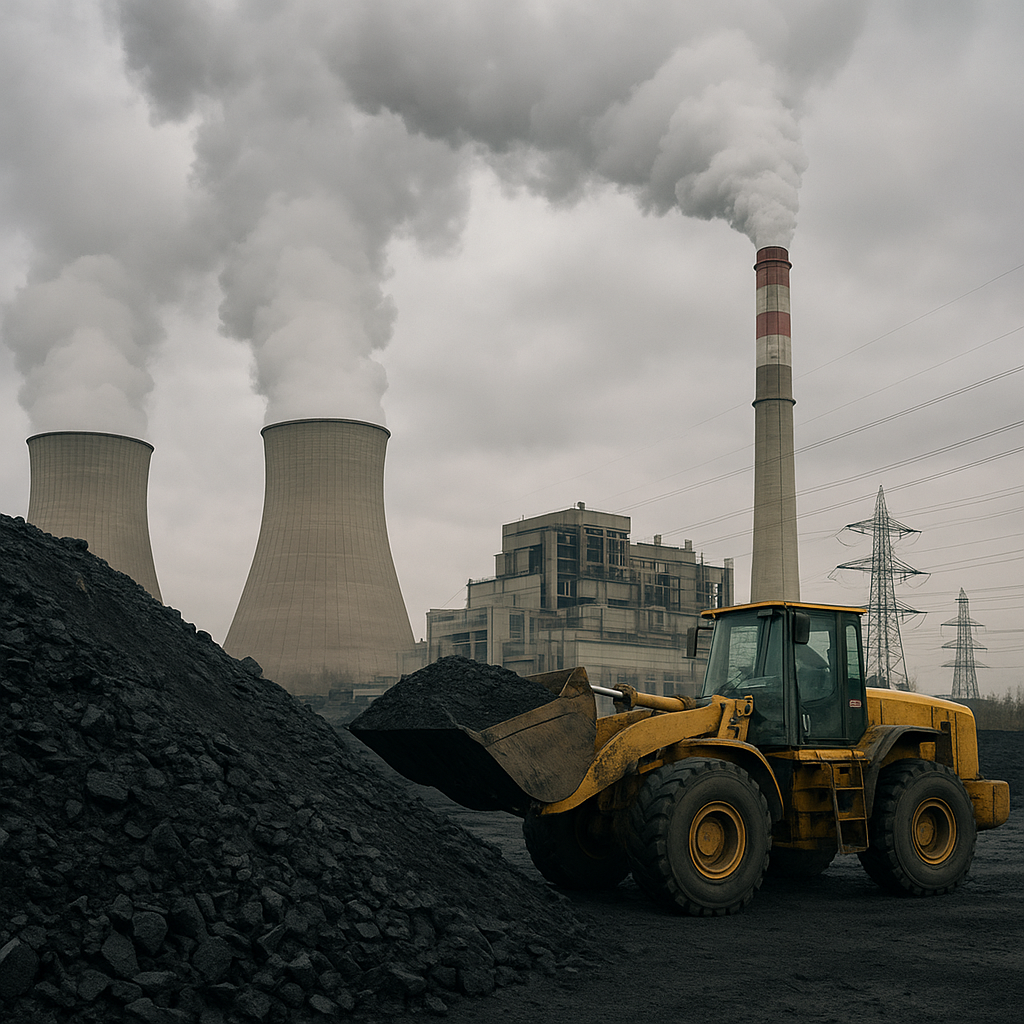
- End-User Delivery – Final offloading and storage at power stations, industrial plants, or distribution centers.
Each component demands precise scheduling, real-time tracking, and coordination among mining companies, freight operators, port authorities, and end users. Digital platforms and sensors are increasingly employed to optimize throughput, monitor stock levels, and predict maintenance needs.
Rail Networks and Their Strategic Importance
Rail transport plays a pivotal role in coal supply chains, especially for high-volume, long-distance corridors. Trains can haul thousands of tonnes in a single journey, offering superior economies of scale over road transport. Key advantages include reduced operating costs, lower accident rates, and the ability to traverse challenging terrain with minimal gradient issues.
Major coal-exporting nations have invested heavily in dedicated coal corridors. In Australia, the network linking the Bowen Basin to east coast ports features double-stack wagons, automated loading, and advanced signalling. Similarly, in the United States, the Powder River Basin uses heavy haul lines capable of supporting 30,000-tonne trains. These corridors exemplify the importance of resilient infrastructure to maintain uninterrupted flows.
Intermodal terminals allow for seamless transfers between rail and maritime modes. Innovative solutions such as rotary car dumpers enable rapid unloading of entire wagons at port, further elevating turnaround efficiency. This integration of mine rails with mainline networks and coastal terminals underpins the global competitiveness of coal in the energy market.
Coal Stock Management and Supply Chain Optimization
A central aspect of supply chain resilience is effective inventory control. Properly managed stockyards ensure the right grade is available when needed, helping to stabilize plant performance and avoid costly shutdowns. Techniques include:
- First-In, First-Out (FIFO) Stacking – Minimizes weathering effects and preserves quality.
- Live Stockpiles – Designed for continuous reclaim to maintain consistent feed to boilers.
- Automated Sampling Systems – Provide real-time data on moisture, ash content, and calorific value.
- Demand Forecasting – Uses historical consumption patterns and weather data to plan inventory levels.
By aligning stock management with logistics planning, stakeholders improve supply chain visibility and reduce the risk of overstocking or shortages. Advanced analytics and IoT devices now enable predictive maintenance of conveyor belts, stackers, and reclaimers, minimizing downtime and enhancing throughput.
Furthermore, strategic buffer stocks are maintained to safeguard energy security during international supply disruptions, extreme weather, or mechanical failures. These reserves act as a cushion, allowing power utilities to operate uninterrupted when external factors threaten delivery schedules.
Environmental and Economic Challenges
The coal industry faces mounting pressure to reduce its carbon footprint. Modern plants deploy flue gas desulfurization (FGD), electrostatic precipitators, and low-NOₓ burners to curb emissions. Nevertheless, transport-related emissions also draw scrutiny. Shifting to electric or hybrid locomotives, optimizing load factors, and minimizing idle times are critical measures to improve the environmental profile of rail freight.
On the economic front, fluctuations in demand and regulatory changes can impact profitability. Investments in more efficient handling systems, such as continuous containerization or autonomous trains, require significant capital but promise long-term cost savings. Collaboration between mining firms, rail operators, and port authorities is essential to share infrastructure costs and develop industry-wide standards.
Looking forward, the coal sector must balance growth with sustainability. While renewable energy penetration rises, robust logistics and adaptable rail corridors will continue to support coal’s role in the global energy mix, ensuring reliable power generation for industries and communities alike.