In the wake of shifting geopolitical alignments and growing environmental concerns, the global coal market continues to face unprecedented challenges and opportunities. Coal remains one of the most significant sources of energy, powering industries and households worldwide, yet it stands at the intersection of evolving trade policies and environmental scrutiny. This analysis delves into the multifaceted realm of coal, exploring how sanctions and trade wars are reshaping supply chains, price structures, and investment strategies, alongside the management of coal stockpiles and future outlooks.
Global Coal Market Dynamics
Coal has long been a cornerstone of the global energy mix. Despite efforts to shift toward renewable sources, many nations still rely heavily on coal-fired power plants for base-load electricity. The market is characterized by a complex web of production hubs, export corridors, and consumption centers. Key players such as Australia, Indonesia, Russia, the United States, and China dominate production and trade. Their policies, logistical capacities, and domestic demand levels heavily influence global price trends.
Production and Export Networks
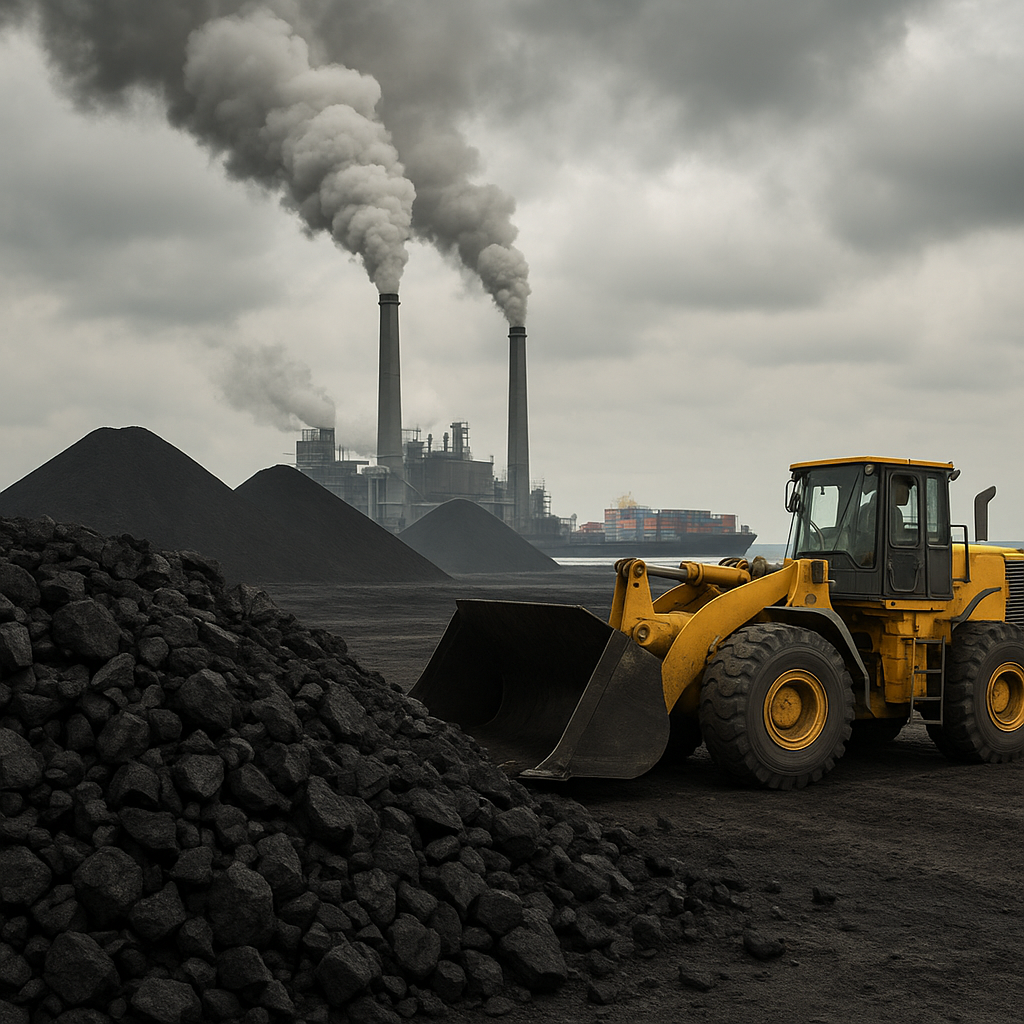
Australia and Indonesia collectively account for over half of global seaborne thermal coal exports. These countries benefit from well-developed port infrastructure and proximity to major Asian markets. Russia’s coal industry, meanwhile, serves both domestic power plants and European customers, although recent sanctions have curtailed its export potential. The United States exports metallurgical coal for steel production, with Appalachian and Powder River Basin mines playing pivotal roles. Each of these production centers faces unique logistical challenges, from rail bottlenecks to port congestion, which can amplify price swings.
Demand Centers and Consumption Trends
Asia remains the largest coal-consuming region, driven by robust industrialization and urbanization in China, India, and Southeast Asia. China alone accounts for roughly half of global coal consumption. India’s demand is also on an upward trajectory, fueled by a growing population and expanding manufacturing sector. In contrast, many European nations have begun phasing out coal, leading to a gradual decline in demand. Nevertheless, eastern Europe and the Balkans still maintain coal-fired plants to stabilize grids.
Effects of Sanctions and Trade Wars
Trade disputes and political tensions have introduced new variables into the coal equation, creating periods of intense volatility. Tariffs, export bans, and financial restrictions can abruptly alter flows, forcing buyers and sellers to seek alternative partners or risk stock shortages.
Sanctions on Major Producers
Sanctions imposed on Russia in the wake of geopolitical conflicts have significantly disrupted its coal exports to Europe. Financial restrictions on shipping and insurance have led European utilities to source coal from South Africa, Colombia, and Australia. This rerouting has driven up freight costs and extended lead times, translating into higher import bills for end-users.
Tariffs and Retaliatory Measures
The trade war between the United States and China introduced tariffs on metallurgical coal and coke, impacting steelmakers. Although some levies were negotiated down, the uncertainty forced companies to diversify their supplier base. American coal exporters sought buyers in Latin America and South Asia, while Chinese consumers turned to Australia and Russia for supply continuity. Such shifts created pockets of temporary oversupply and under-supply, depending on regional infrastructure capabilities.
Shifts in Supply Chain Resilience
- Reliance on a small number of exporters has prompted many importers to explore new sourcing options.
- Strategic alliances and long-term contracts offer some protection against abrupt policy changes.
- Investment in port and rail infrastructure is accelerating to mitigate future disruptions.
Coal Stock Management and Investment Trends
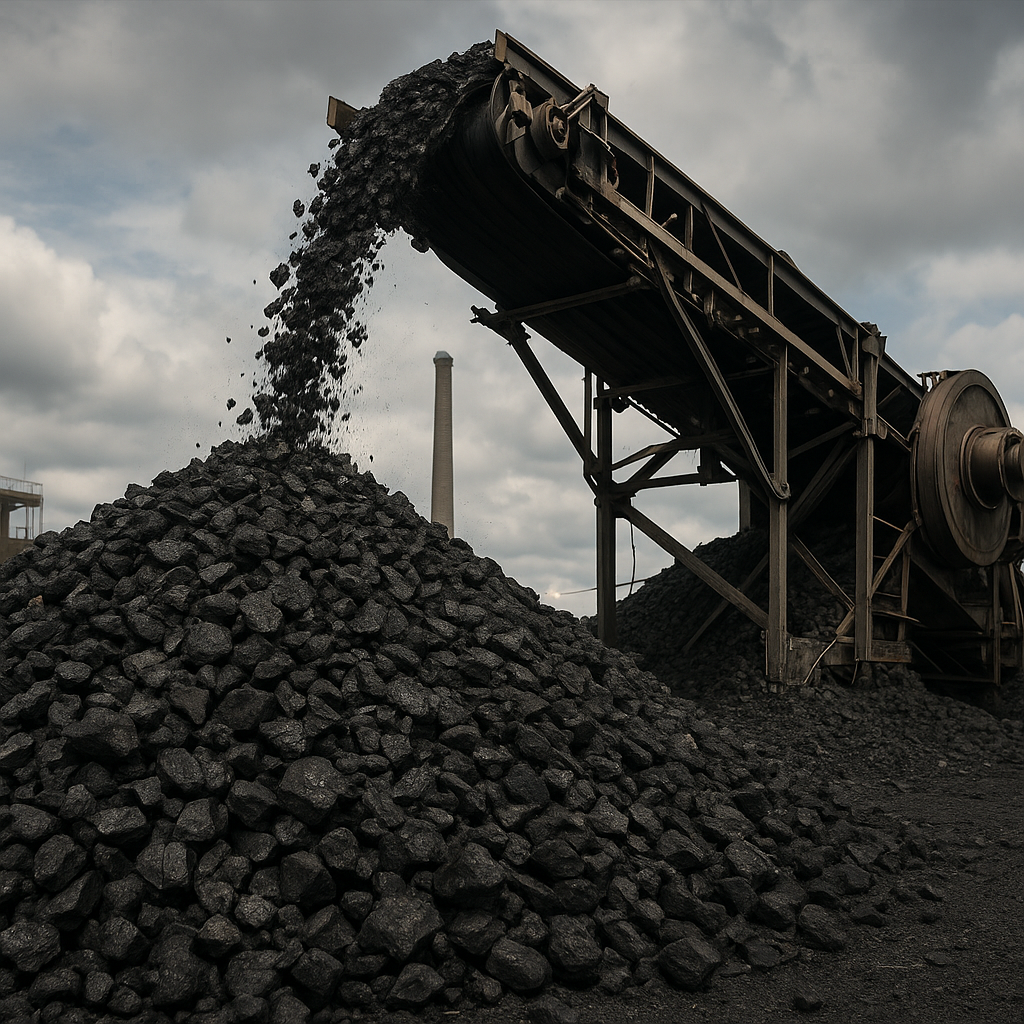
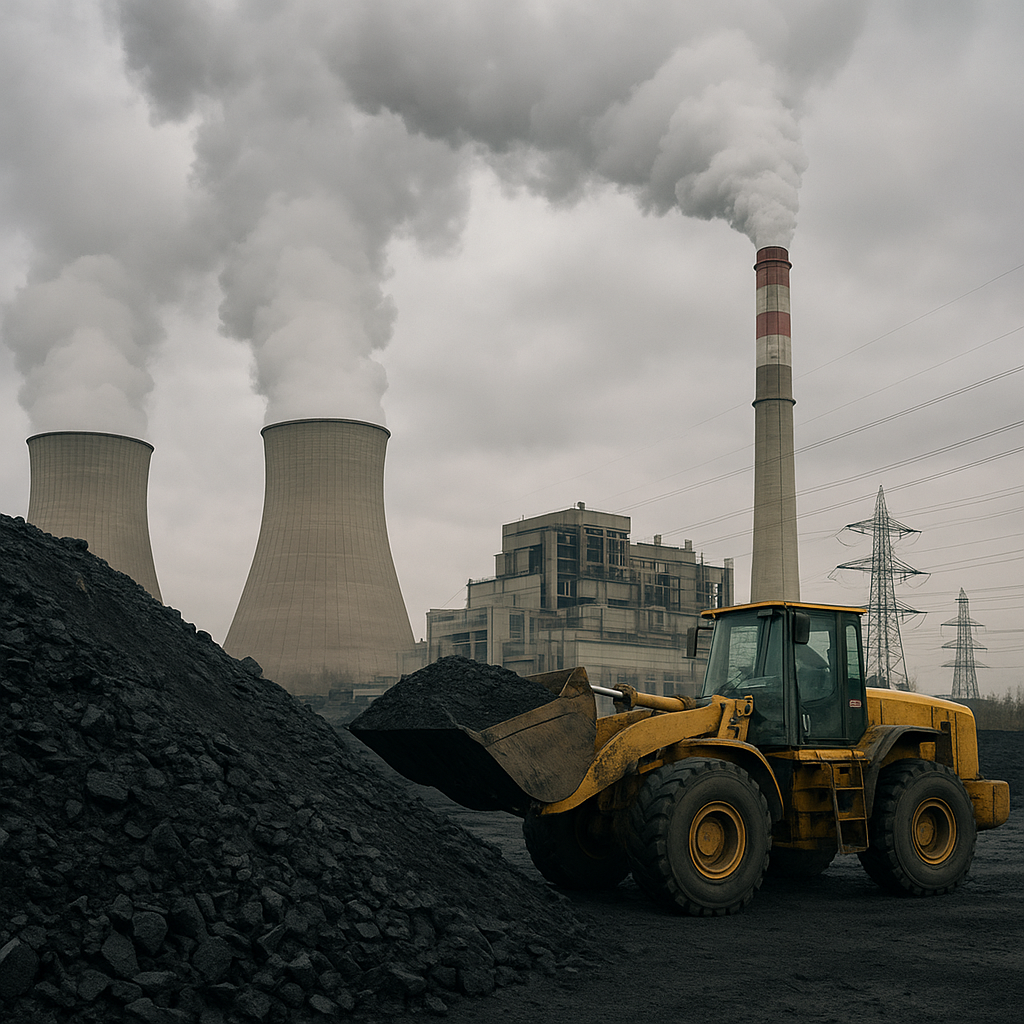
Coal stockpiles at power plants, ports, and terminals serve as buffers against supply interruptions. Effective stock management is crucial for ensuring uninterrupted power generation and minimizing exposure to price spikes. Companies employ sophisticated forecasting models that factor in seasonal demand, weather patterns, and geopolitical developments.
Optimizing Inventory Levels
Electric utilities typically maintain several weeks’ worth of coal in inventory. During winter, when heating demand surges, stocks are drawn down rapidly. Conversely, in off-peak seasons, companies replenish reserves at lower price points. This cycle demands precise timing and accurate demand forecasting to prevent wasted capital or emergency spot purchases.
Financial Instruments and Hedging
To shield against market volatility, stakeholders use futures contracts, options, and swaps. Coal futures traded on exchanges like ICE provide price discovery and risk management tools. Forward curves help buyers lock in costs, while sellers hedge production revenues. Credit facilities and trade finance also play roles in smoothing cash flow needs for large-scale transactions.
Private and Public Investment Flows
Despite the drive toward decarbonization, significant capital still flows into coal-related infrastructure. Investors eye logistics projects such as terminals, rail-lines, and shipping fleets that promise stable returns over long concession periods. At the same time, utility companies are under pressure to demonstrate environmental responsibility, prompting investment in emissions reduction technologies like flue gas desulfurization and carbon capture.
Environmental and Regulatory Challenges
The coal sector faces mounting regulatory scrutiny over carbon emissions, air quality, and water usage. Stricter standards and carbon pricing mechanisms are raising the cost of coal-fired power generation, altering the competitive landscape relative to natural gas and renewables.
Carbon Pricing and Emission Standards
Regions implementing carbon taxes or cap-and-trade systems have seen coal use decline in favor of lower-emission fuels. The European Emissions Trading System (EU ETS) has pushed power producers toward gas and renewable sources. In Asia, pilot carbon markets in China signal a gradual shift. Utilities are assessing compliance strategies, including fuel switching and investing in emission abatement technologies.
Reclamation and Waste Management
Coal mining operations must manage overburden, tailings, and wastewater. Regulatory frameworks require companies to rehabilitate mine sites and monitor water quality. Failure to comply can lead to fines, litigation, and reputational damage. Advances in waste processing, such as dry-stacking of tailings and water recycling, are becoming more widespread.
Community and Social License to Operate
Local communities often bear the brunt of coal’s environmental footprint. Dust, noise, and potential land subsidence fuel opposition to new mining projects. Companies increasingly engage in stakeholder consultations, community development programs, and benefit-sharing schemes to secure a social license to operate. These initiatives can include job training, infrastructure investment, and health services.
Prospects and Emerging Trends
Looking ahead, the coal industry must adapt to a fluctuating policy landscape while harnessing new technologies. In the near term, trade disruptions will continue to influence pricing and supply chain strategies. Over the longer horizon, breakthroughs in carbon capture, utilization, and storage (CCUS) may determine coal’s viability in a decarbonized world. Meanwhile, the interplay between market forces and geopolitical tensions will keep the sector in flux, offering both risks and potential rewards for stakeholders who can navigate its complexities.