Coal has long been a foundational element in global energy production, shaping industries and economies for centuries. Its widespread use has led to significant debates over environmental sustainability and health impacts. This article explores the multifaceted role of coal, examining its function as an energy source and economic asset, analyzing the consequences for air quality and climate, and delving into the public health challenges it poses. By understanding these dimensions, readers can appreciate both the benefits and burdens associated with coal and its related stocks.
Coal as an Energy Source and Economic Commodity
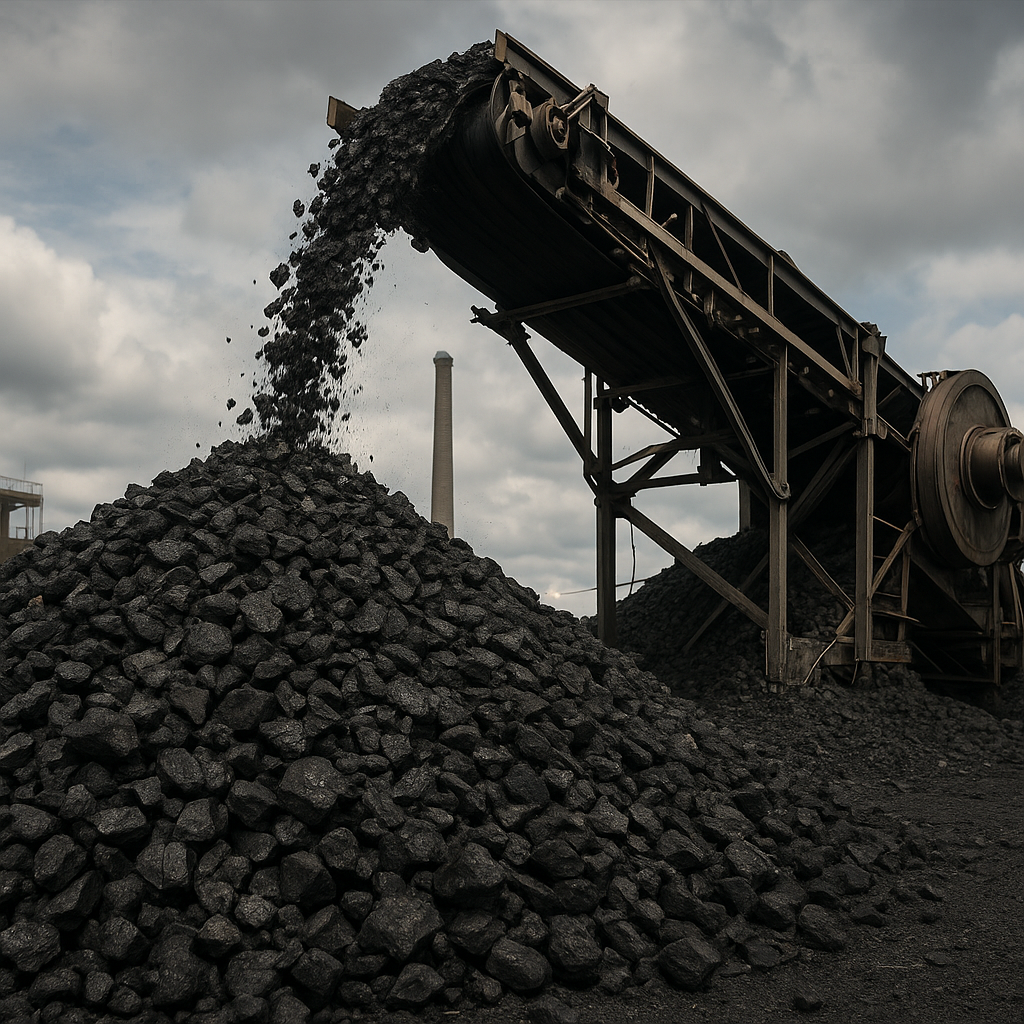
Coal remains one of the most abundant fossil fuels, providing nearly 27% of the world’s primary energy. Many countries rely on coal-fired power plants to meet both industrial and residential electricity demands. Beyond energy production, coal also serves as a critical input in steel manufacturing, cement production, and various chemical processes.
- Abundance: Vast reserves persist in regions such as Australia, Russia, China, and the United States, offering a relatively stable supply.
- Affordability: Historically low extraction and processing costs have made coal a competitively priced fuel.
- Versatility: Different grades—lignite, bituminous, sub-bituminous, and anthracite—cater to diverse industrial needs.
In financial markets, coal stock represents shares of companies engaged in extraction, transportation, and power generation. Investors monitor several indicators:
- Global demand projections driven by industrial growth in emerging economies
- Regulatory shifts targeting carbon emissions and environmental compliance costs
- Technological advances in carbon capture and storage (CCS) that may influence future profitability
Despite the rise of renewable energy sources, coal companies continue to adapt, diversifying portfolios and investing in clean coal technologies. Portfolio managers assess these strategies alongside market volatility and geopolitical factors to evaluate the viability of coal-related equities.
Environmental Impacts: Air Quality and Climate Effects
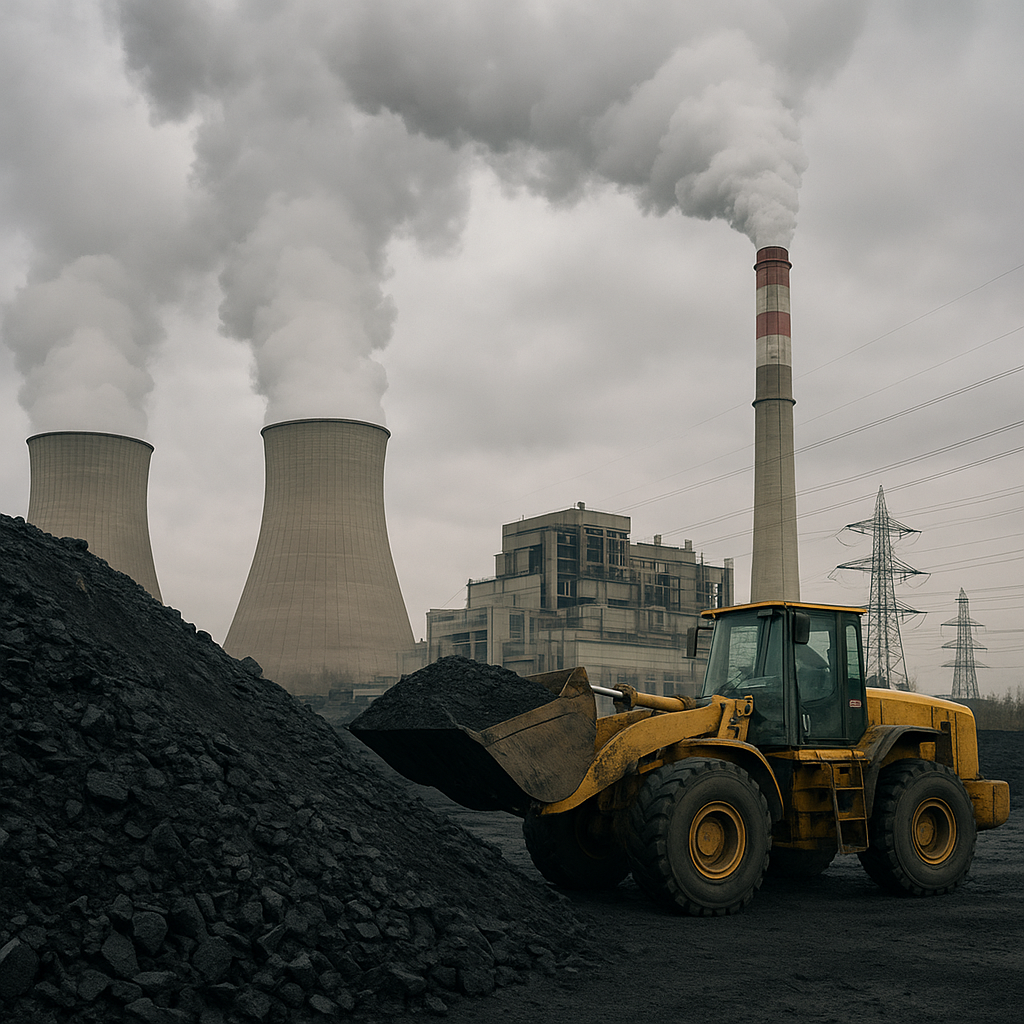
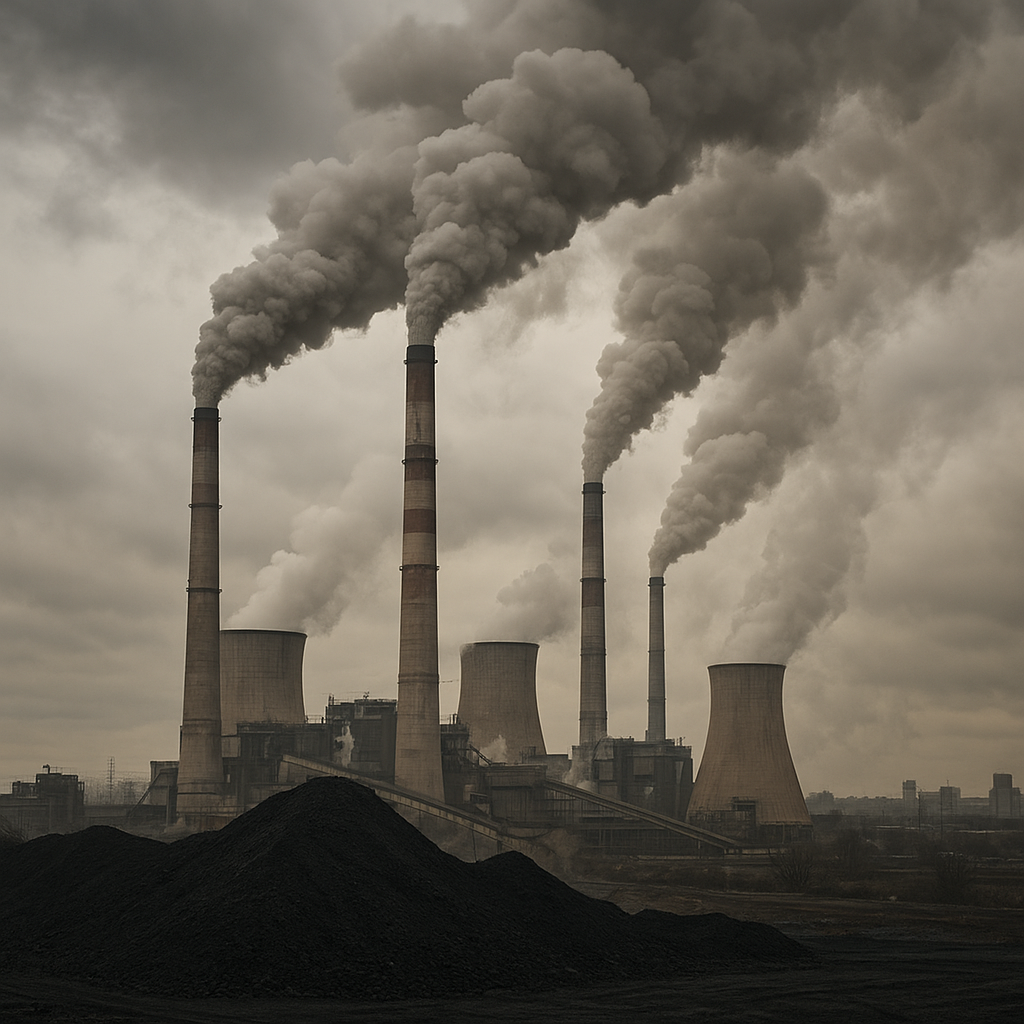
Burning coal releases a spectrum of pollutants that degrade atmospheric conditions and exacerbate climate change. Key emissions include:
- Particulate matter (PM2.5 and PM10) that penetrates deep into lung tissue
- Sulfur dioxide (SO₂), contributing to acid rain and respiratory irritation
- Nitrogen oxides (NOₓ), leading to ground-level ozone formation and smog
- Mercury and heavy metals, bioaccumulating in ecosystems and presenting neurological risks
On a global scale, coal combustion is responsible for nearly 40% of energy-related greenhouse gases. This has profound implications for atmospheric warming, sea-level rise, and extreme weather events. Air quality degradation also results from coal mining activities, including:
- Dust dispersion during excavation
- Release of methane, a potent greenhouse gas, from underground seams
- Water contamination via acid mine drainage, affecting both aquatic life and human water supplies
Regulatory frameworks such as the Clean Air Act in the United States and the European Union’s Industrial Emissions Directive aim to curb pollutant release. However, compliance often demands significant capital investment in flue-gas desulfurization, selective catalytic reduction, and advanced filtration systems.
Public Health Implications and Mitigation Strategies
The direct correlation between coal-related emissions and health outcomes is well-documented. Respiratory diseases, cardiovascular complications, and premature mortality are more prevalent in communities near coal-burning facilities. Children, the elderly, and those with pre-existing conditions face heightened vulnerability.
Critical health concerns include:
- Increased incidence of asthma and chronic bronchitis due to prolonged exposure to particulate pollution
- Elevated hospital admissions for heart attacks and strokes linked to fine particle inhalation
- Higher rates of lung cancer associated with long-term exposure to polycyclic aromatic hydrocarbons (PAHs)
Workers in mining and processing operations face additional occupational hazards such as black lung disease, silicosis, and traumatic injuries. Personal protective equipment (PPE), rigorous safety protocols, and ongoing health screenings are essential for minimizing workplace risks.
Mitigation strategies at the community and policy levels involve:
- Transitioning to cleaner energy sources while ensuring a just transition for displaced coal workers
- Implementing air quality monitoring networks to provide real-time data and early warnings
- Enforcing emission standards and promoting retrofitting of existing plants with advanced pollution controls
- Educating the public about the health benefits of reduced air pollution and encouraging behavioral changes
Coal Stock Investment and Market Dynamics
Investors in coal-related equities must navigate a complex landscape shaped by policy shifts, technological innovations, and social pressures. Key factors influencing market performance include:
- Regulatory risk arising from carbon taxes, emissions trading schemes, and stricter environmental regulations
- Global economic cycles that dictate energy demand in power generation and industrial sectors
- Competition from low-cost natural gas and rapidly evolving renewable technologies
- Investor sentiment toward sustainable investing and exclusionary screening for high-pollution industries
Strategies for Managing Coal Stock Portfolios
- Diversification across energy sectors to hedge against commodity price fluctuations
- Engaging in shareholder activism to push for enhanced environmental and social governance (ESG) practices
- Allocating capital to research on carbon capture, utilization, and storage (CCUS) innovations
- Monitoring international climate agreements that may accelerate coal phase-down schedules
Ultimately, the interplay between market forces and regulatory landscapes will determine coal’s future viability as both an energy source and an investment vehicle. As global priorities shift toward decarbonization, stakeholders must weigh the historical importance of coal against emerging demands for cleaner alternatives. Strong policy frameworks and technological progress will be pivotal in shaping a balanced energy transition.