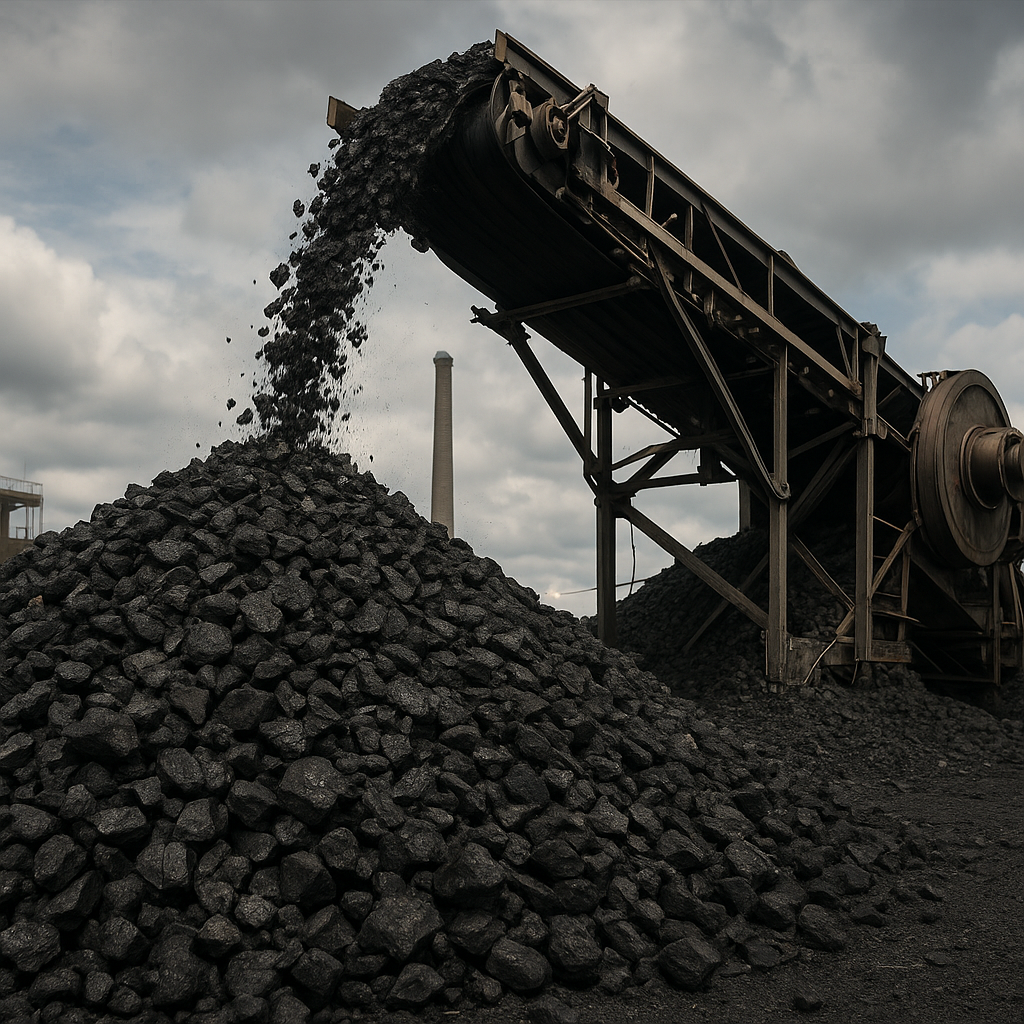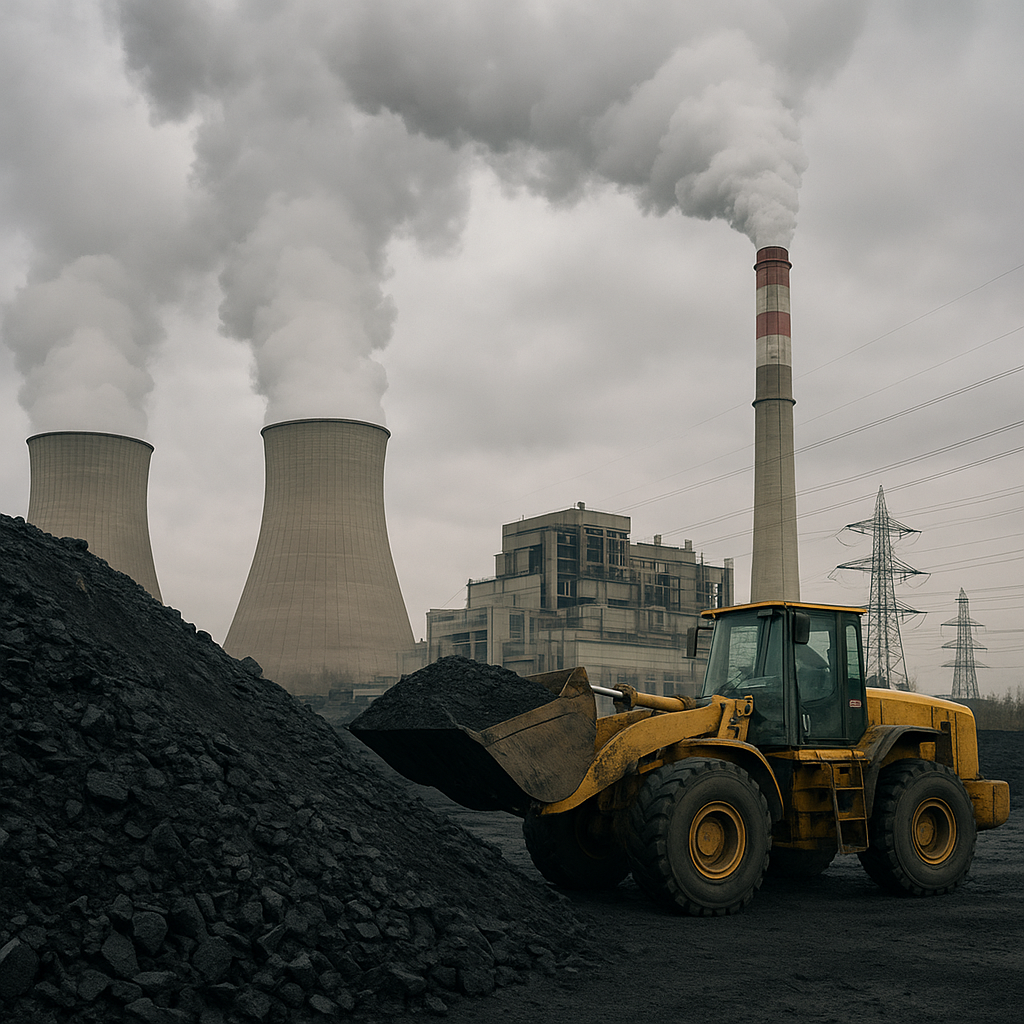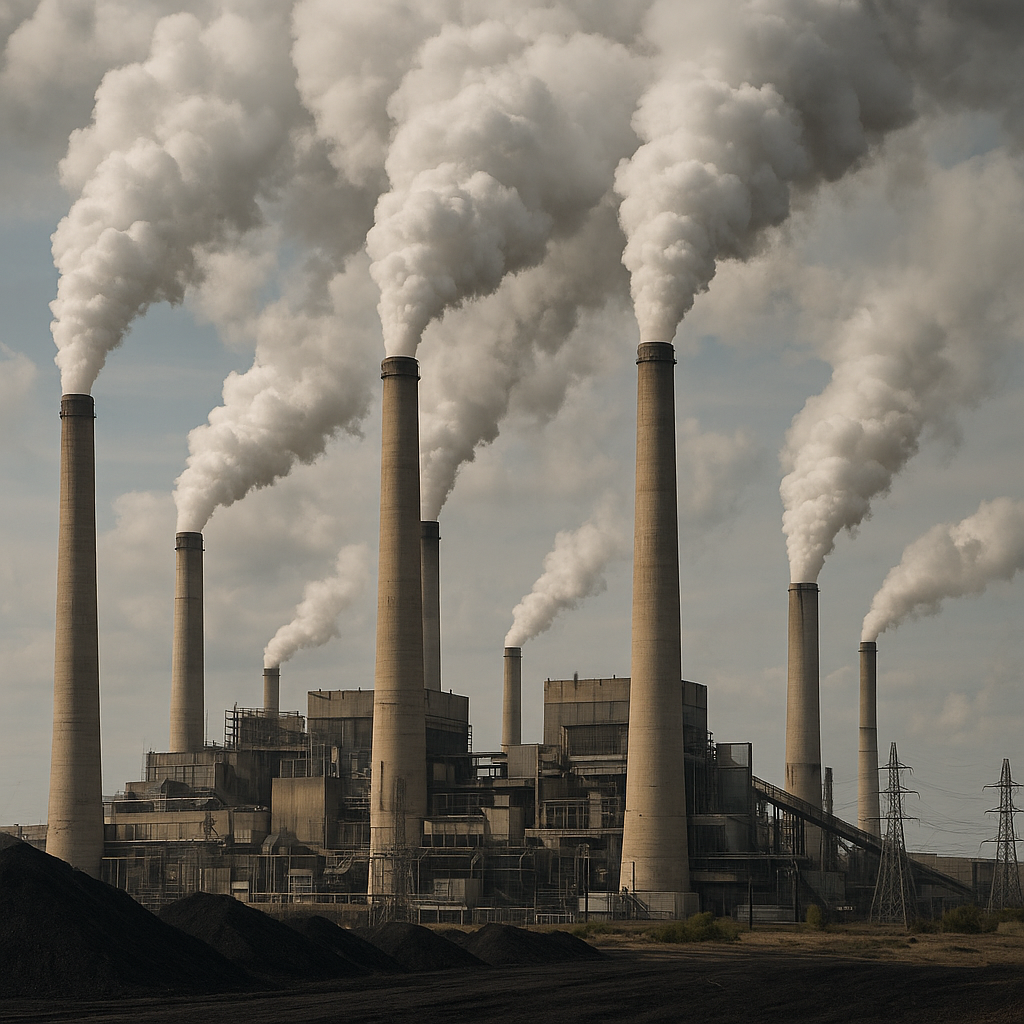
The global energy landscape is undergoing a profound shift as nations grapple with mounting pressure to reduce carbon footprints and embrace cleaner alternatives. Against this backdrop, coal remains both a cornerstone of energy production in many regions and a symbol of contentious debate. Once hailed as the workhorse of industrial growth, this fossil fuel now faces an uncertain future. As stakeholders evaluate the merits of phasing out outdated plants, they must consider the ripple effects on markets, investors, and communities that have long depended on coal for economic stability.
The Role of Coal in Global Energy
For over two centuries, coal has powered industries, fueled transportation networks, and underpinned economic expansion. Even today, it provides around 38 percent of global electricity generation. While some countries are aggressively diversifying their energy mix, others, especially in Asia and Eastern Europe, continue to rely heavily on coal to satisfy growing demand. This reliance underscores an intricate balance between energy security, affordability, and environmental responsibility.
Advanced economies have introduced stringent regulations to curb greenhouse gas output, forcing utilities to retire older, less efficient plants. Emerging markets, however, often prioritize rapid industrialization over environmental considerations, enabling the construction of high-emitting facilities. This divergence in policy priorities creates a patchwork of operational standards and complicates global efforts to reduce atmospheric carbon concentrations.
Despite its reputation as a high-carbon energy source, coal still offers distinct advantages. It is abundant, relatively cheap, and supported by established supply chains. Coal-fired power stations can deliver stable baseload output, an attribute that intermittent renewable technologies sometimes struggle to match without significant investment in storage and grid upgrades. Yet these strengths must be weighed against escalating costs associated with pollution controls and carbon pricing mechanisms.
Financial Dynamics of Coal Stocks
Investors are increasingly re-evaluating their exposure to coal in corporate portfolios. The rise of Environmental, Social, and Governance (ESG) criteria has made funds and asset managers more selective. A growing number of large institutions have announced policies banning investment in coal-related projects, citing both ethical considerations and long-term financial risks. This trend has led to heightened volatility in coal equities and a reassessment of credit ratings for energy firms with substantial coal assets.
Key Market Drivers
- Regulatory pressures that impose carbon taxes and mandatory emission limits.
- Consumer sentiment favoring cleaner energy sources, influencing shareholder motions.
- Technological advances that enhance the competitiveness of solar, wind, and battery storage.
- Potential liabilities from legacy pollution and mine reclamation obligations.
A shifting investor base has prompted coal companies to explore strategic pivots. Some are divesting thermal assets and redirecting capital toward renewable ventures or natural gas, which emits roughly half the carbon of coal per unit of electricity. Others are pursuing acquisitions in emerging green technologies, attempting to reposition themselves for a low-carbon future. However, these transitions require substantial investment and carry execution risk, particularly for firms burdened by high debt levels.
Short sellers and activist shareholders have targeted underperforming coal stocks, arguing that market valuations fail to reflect looming regulatory and social headwinds. Meanwhile, bond investors closely monitor debt covenants, concerned that declining profitability may trigger downgrades and strain liquidity. Financial analysts now incorporate forward-looking scenarios for carbon pricing and plant retirements when valuing coal enterprises, further intensifying scrutiny of earnings forecasts.
Environmental and Regulatory Pressures
Heightened awareness of climate change has galvanized national and international efforts to curb emissions. The Paris Agreement set the stage for ambitious decarbonization goals, prompting signatories to craft tailored strategies for reducing coal dependence. Some governments offer incentives for plant closures and worker retraining programs, while others impose severe penalties on polluting facilities. In either case, the policy landscape is evolving rapidly.
At the local level, communities living near coal sites grapple with air quality issues, water contamination, and health impacts. Civil society organizations have mobilized campaigns demanding the decommissioning of outdated power stations. Simultaneously, litigation has emerged as a powerful tool, with lawsuits targeting utilities and regulators for failing to mitigate environmental harm. These legal actions can delay plant operations and inflate compliance costs, further discouraging new coal investments.
International financial institutions are also changing course. The World Bank and several major export credit agencies have curtailed financing for unabated coal projects. By refocusing lending toward sustainable infrastructure, they aim to accelerate the energy transition in developing economies. This shift has left coal developers scrambling to secure alternative funding, often at higher interest rates or with more stringent environmental requirements.
Innovation and the Future of Coal
Despite the headwinds, proponents argue that advanced technologies could extend the viability of coal in a cleaner form. Carbon capture, utilization, and storage (CCUS) systems promise to trap CO2 emissions before they reach the atmosphere. Pilot projects are underway, demonstrating technical feasibility, though high capital costs and energy penalties remain significant hurdles. If scaled effectively, CCUS could transform existing plants into low-emission assets.
Other innovations focus on boosting efficiency through ultra-supercritical boilers and improved turbine designs. These upgrades can raise thermal performance and reduce fuel consumption per megawatt-hour generated. However, retrofitting plants often demands prolonged shutdowns and complex engineering work, which may not be economical for older facilities nearing retirement age.
Some regions are exploring hybrid configurations that integrate coal with biomass co-firing or concentrated solar power. By blending renewable feedstocks with coal, operators can gradually lower net emissions while leveraging existing infrastructure. Such hybrid models may serve as transitional solutions in grids facing rapid demand growth and reliability concerns.
Ultimately, the fate of coal hinges on a delicate interplay between policy, market forces, and technological breakthroughs. Investors must balance near-term returns against long-term sustainability imperatives. Meanwhile, communities and policymakers navigate the social dimensions of plant closures, ensuring that the human costs of the energy shift are addressed. As the world strives to limit global warming and safeguard future generations, each decision regarding coal carries profound implications for both economic stability and the planet’s health.