The global energy landscape is undergoing a dramatic transformation, driven by both technological advancements and shifting policy priorities. Coal, once the cornerstone of industrial progress and electricity generation, now faces mounting scrutiny over its environmental footprint. Simultaneously, market dynamics surrounding coal stock influence investment strategies and national energy security. This article explores the multifaceted aspects of coal, examines the intricacies of coal stock management, assesses environmental implications, and evaluates potential pathways toward a cleaner future.
Historical Perspective and Coal’s Evolution
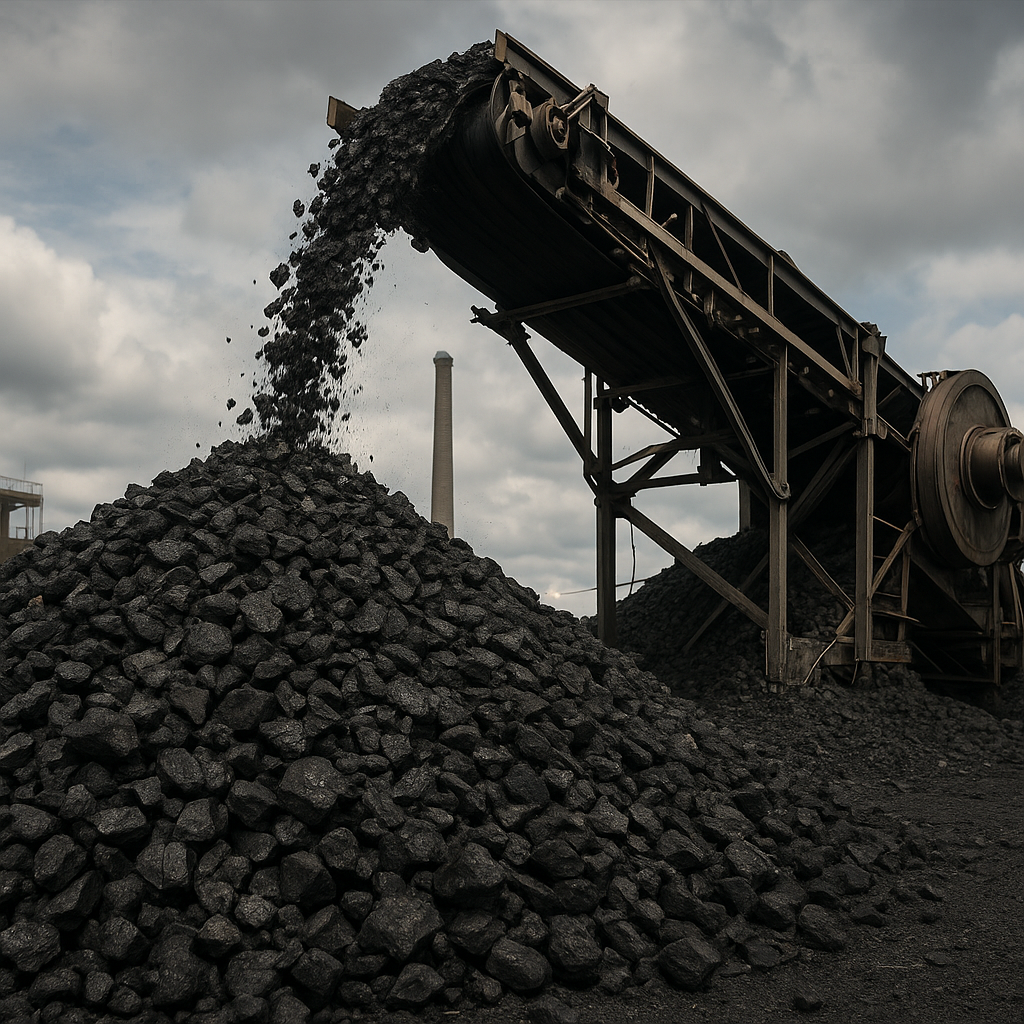
Coal has fueled human civilization for centuries, powering the Industrial Revolution and enabling rapid urbanization. Early uses of coal centered on iron smelting and steam engines, establishing it as the backbone of modern economies. By the late 19th century, coal’s dominance expanded with widespread electrification, leading to a complex supply chain network that spanned continents.
The concept of coal reserves emerged as geologists began mapping potential deposits, giving rise to national strategies for resource security. Mid-20th century saw improvements in mining technologies—longwall mining, mechanized extraction, and conveyor systems—that boosted productivity and lowered costs. Yet, despite operational efficiencies, miners and policymakers began recognizing health hazards, such as pneumoconiosis and methane explosions, stimulating incremental safety reforms.
Transitioning into the 21st century, the narrative around coal shifted dramatically. Nations grappled with greenhouse gas emissions and rising public awareness of air quality, prompting governments to consider regulatory measures. The juxtaposition of coal’s affordability against its environmental impact sparked debates on future energy portfolios, sowing seeds for alternative solutions and energy transition initiatives.
Coal Stock Management and Market Dynamics
Maintaining robust coal stock levels is critical for ensuring energy security and stabilizing markets. Utilities and industrial consumers must anticipate fluctuations in demand, seasonal weather changes, and geopolitical events. An optimized coal stock strategy hinges on:
- Inventory Forecasting: Using predictive analytics to estimate consumption rates and reorder points.
- Supply Chain Diversification: Securing coal from multiple suppliers to mitigate the risk of disruptions.
- Storage Infrastructure: Constructing covered yards and silos to minimize moisture intrusion and spontaneous combustion.
Spot market prices can swing rapidly due to factors like shipping costs, export restrictions, or currency volatility. For instance, a sudden export ban by a major producer may cause global energy demand to outstrip supply, driving up prices overnight. Conversely, a mild winter can leave stockpiles swollen, depressing market quotations. Investors scrutinize these indicators, balancing long-term investment portfolios between coal equities and emerging renewable energy assets.
Financial instruments, including coal futures and options, enable trading houses to hedge against price swings. Yet, with increasing regulatory scrutiny—such as carbon pricing mechanisms—traditional valuation models are evolving. Companies now integrate the cost of potential carbon taxes and emissions trading obligations into coal stock accounting, shifting the risk-reward calculus for stakeholders.
Environmental and Health Implications
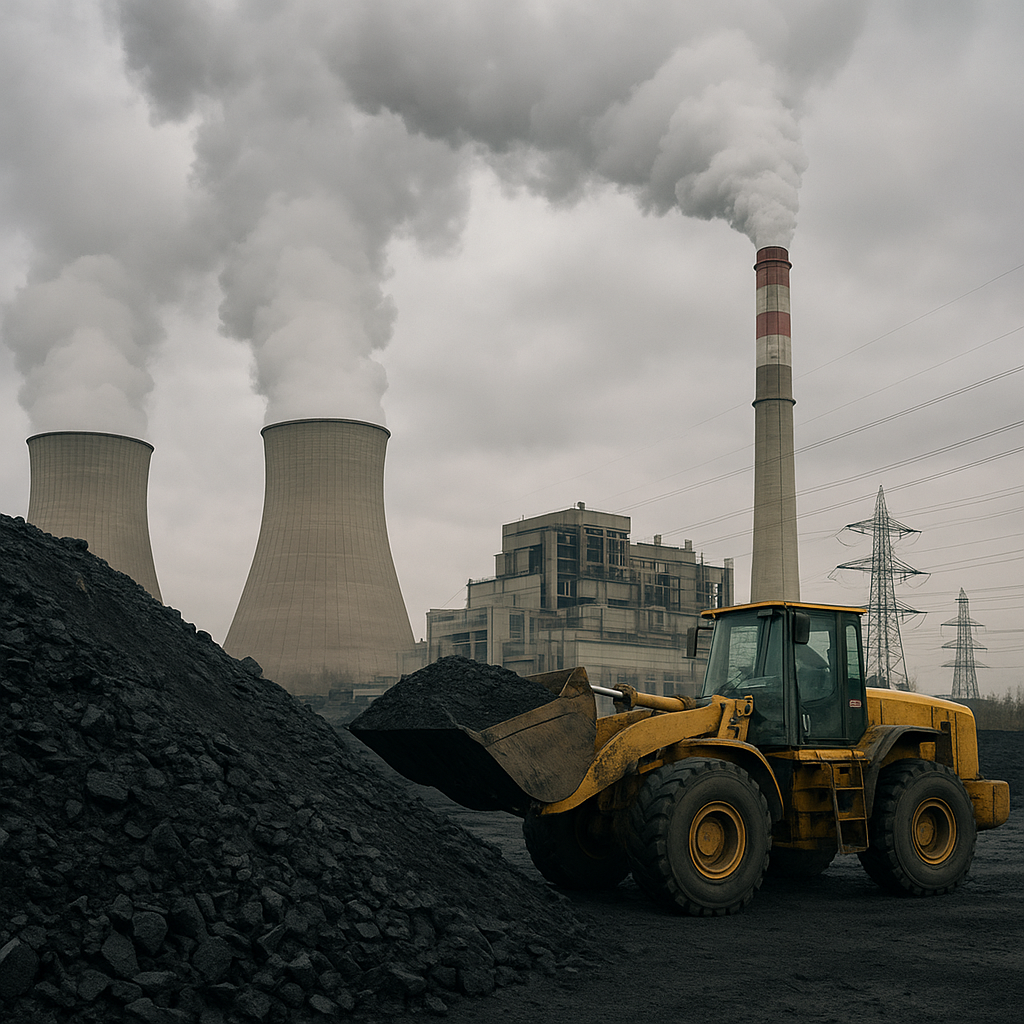
Burning coal releases significant quantities of greenhouse gases, notably carbon dioxide (CO2) and methane (CH4). These emissions contribute directly to climate change, intensifying extreme weather patterns and altering ecosystems. Beyond global warming, coal combustion emits sulfur dioxide (SO2), nitrogen oxides (NOx), and particulate matter, exacerbating respiratory ailments and acid rain.
Efforts to mitigate these impacts include:
- Flue Gas Desulfurization: Removing SO2 through wet scrubbers.
- Selective Catalytic Reduction: Converting NOx into harmless nitrogen and water.
- Electrostatic Precipitators: Capturing fine particulates before they escape chimneys.
While these technologies reduce local air pollutants, they do little to curb CO2 output. This has spurred interest in carbon capture, utilization, and storage (CCUS) systems. Coal-fired power plants retrofitted with CCUS can trap CO2 and inject it into geological formations, though cost remains a significant barrier. Additionally, mining operations generate tailings and spoil heaps, altering landscapes and contaminating water sources with heavy metals.
On the health front, communities near coal mines and power stations face higher rates of asthma, cardiovascular disease, and certain cancers. Occupational hazards persist for miners, including cave-ins and exposure to dust-laden air. Addressing these concerns requires stringent enforcement of safety regulations and investment in cleaner mining practices.
Technological Innovations and Alternatives
Advances in technology present opportunities to reduce coal’s environmental footprint and extend the viability of existing plants. Key developments include:
- High-Efficiency Low-Emissions (HELE) Plants: Enhanced turbines and steam cycles that achieve higher thermal efficiency.
- Gasification Technologies: Converting coal into syngas for cleaner combustion or chemical feedstocks.
- Integrated Gasification Combined Cycle (IGCC): Integrating gas turbines and steam turbines to boost power output.
Despite these innovations, the declining costs of wind, solar, and battery storage are reshaping investment priorities. Nations are increasingly setting ambitious targets to phase down coal use in favor of sustainability goals. Hybrid systems that blend coal with biomass co-firing offer transitional pathways, reducing net carbon emissions while leveraging existing infrastructure.
Strategic Outlook for Carbon Neutrality
Achieving carbon neutrality by mid-century demands a comprehensive approach. Policymakers must reconcile economic growth with environmental stewardship, while industries adapt to evolving market pressures. Key elements of a strategic outlook include:
- Implementing robust carbon pricing frameworks to internalize environmental costs.
- Investing in research and development for next-generation CCUS and alternative fuels.
- Encouraging public-private partnerships to finance clean energy projects.
- Promoting workforce retraining programs to transition coal sector employees into emerging industries.
In parallel, international cooperation is vital. Developed nations can extend technical and financial assistance to emerging economies still reliant on coal. Collaborative platforms—such as technology-sharing consortia and multilateral climate funds—can facilitate equitable transitions and ensure that the quest for sustainability remains inclusive.
Conclusion
The journey from coal dependence toward carbon neutrality presents immense challenges and opportunities. While coal continues to underpin energy security in many regions, the imperative to address climate change compels a reevaluation of its role. Through strategic management of coal stock, technological innovation, and coordinated policy measures, societies can navigate the transition in a manner that balances economic resilience with environmental responsibility.