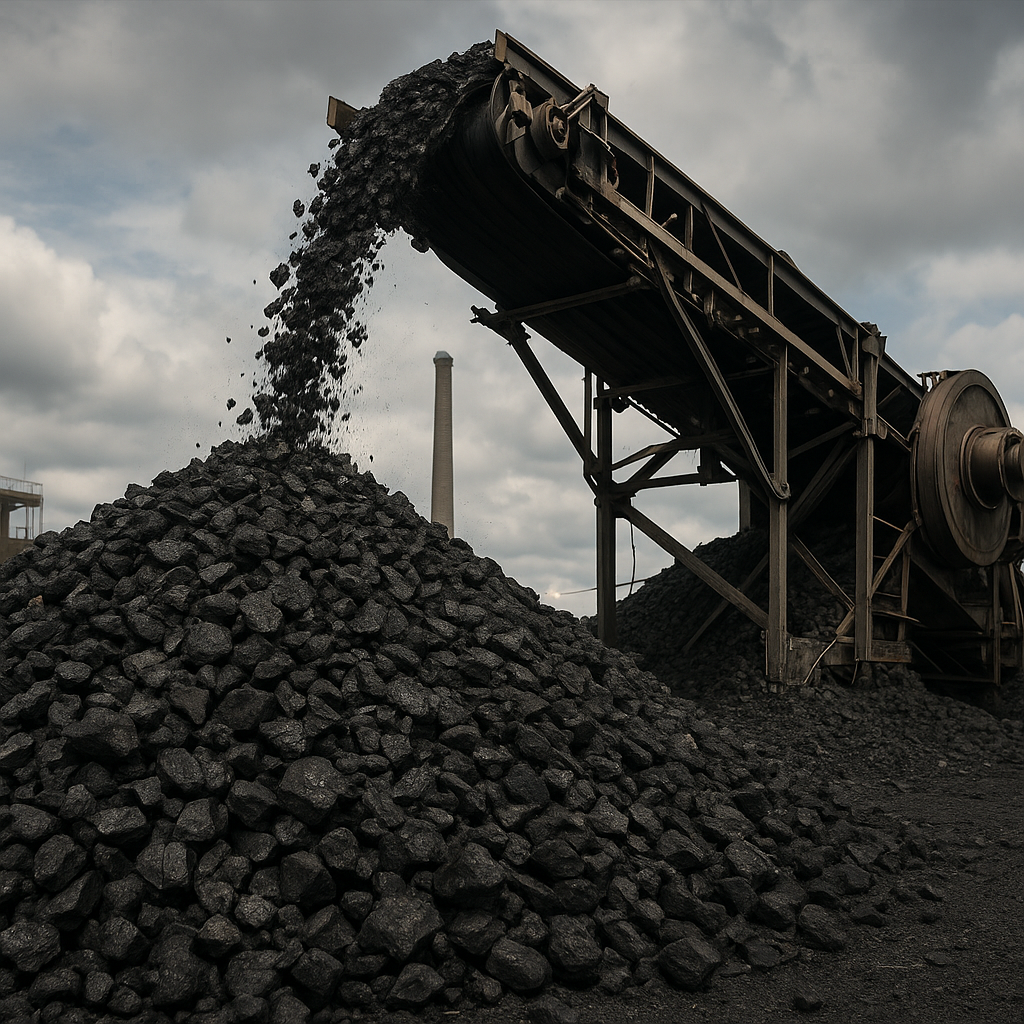
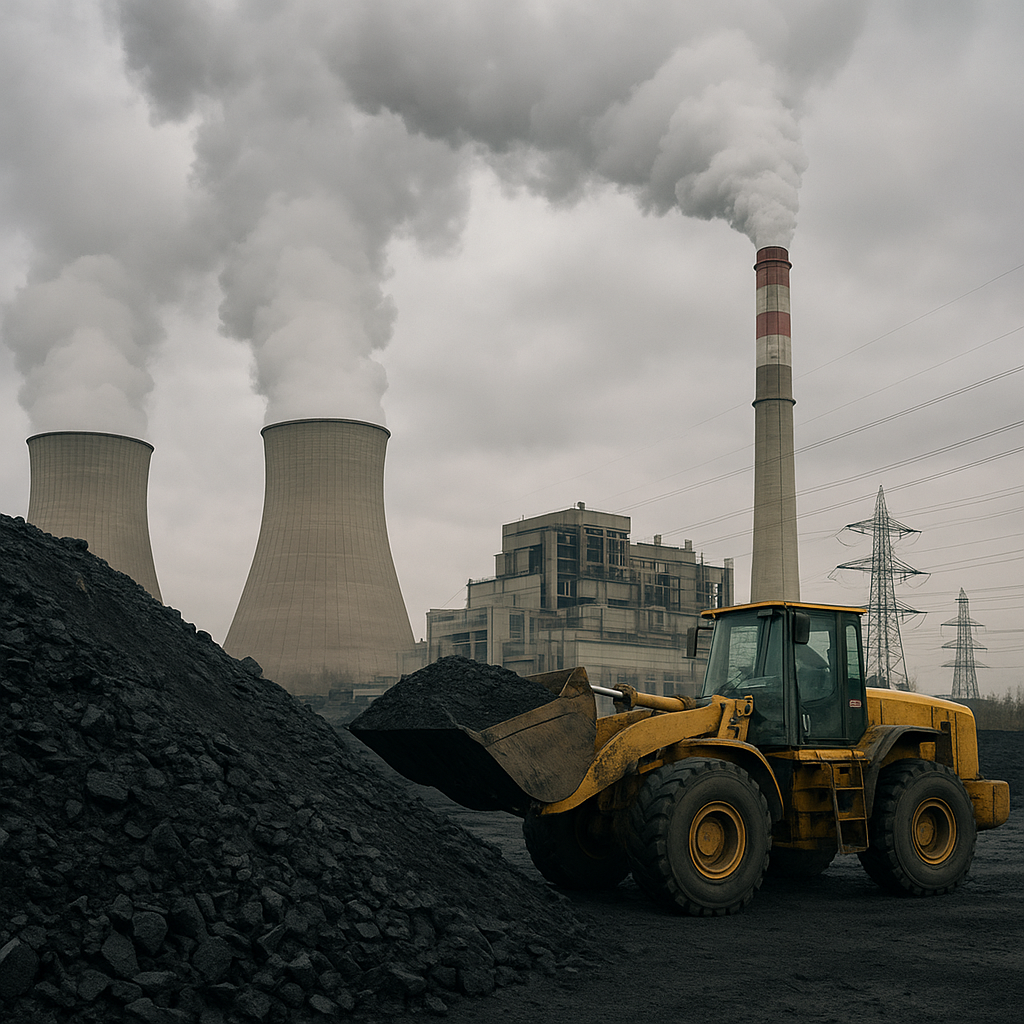
The reliance on coal as a primary energy source continues to shape the industrial landscape of many developing countries. From powering heavy industries to fueling electricity grids, this abundant fossil fuel has underpinned decades of economic transformation. Yet, its role extends beyond mere energy production, touching upon issues of employment, infrastructure, environmental stewardship, and market dynamics. Understanding the multifaceted significance of coal and coal stock in these regions offers valuable insights into both present-day challenges and future pathways toward sustainable development.
The Role of Coal in Energy Security
In regions where access to diverse energy sources remains limited, coal provides a stable foundation for energy security. Many developing nations face frequent power shortages due to underinvestment in generation capacity or reliance on imported fuels. Locally mined coal, by contrast, reduces vulnerability to international price volatility and supply disruptions. Governments often view domestic coal reserves as strategic assets, ensuring a continuous flow of electricity for urban centers and industrial zones.
Power plants designed around steam turbines can operate continuously, supplying base-load generation at predictable costs. This dependability fuels manufacturing facilities, steel mills, and cement plants—industries that demand constant, high-capacity electricity. In turn, uninterrupted power drives up-time, minimizes production losses, and helps maintain export competitiveness on global markets.
While some countries explore renewable options, coal-fired stations often remain the backbone of national grids. Their established infrastructure and proven technology base allow for straightforward expansion. Despite growing environmental concerns, such plants continue to attract public funding due to their immediate impact on electrification targets and rural development initiatives.
Coal Reserves and Stock Management
Assessing national reserve levels and managing coal stockpiles are critical tasks for energy planners. Geological surveys determine the scale and quality of coal seams, informing long-term extraction strategies. Authorities then categorize reserves by their economic viability, considering factors such as seam thickness, calorific value, and accessibility.
- Proven reserves: Quantities recoverable under current technology and market conditions.
- Probable reserves: Less-certain resources that may become viable with further exploration.
- Inferred reserves: Estimates based on geological inference, requiring additional data.
Once reserves are quantified, maintaining an adequate coal stockpile at key ports, rail terminals, and power stations becomes essential. Stocks serve as buffers against supply chain hiccups caused by rail delays, flooding, or labor disputes. Effective stock management balances two objectives: ensuring uninterrupted supply and minimizing storage costs, as coal degradation or spontaneous combustion risks rise in large, unmanaged piles.
Logistical planning also encompasses transport networks. Many developing nations invest in new rail lines, upgraded conveyors, and dedicated coal terminals to streamline the movement from mine mouth to power plant. Modernizing these linkages reduces transit times and lowers overall production costs, making domestic coal more competitive compared to imported alternatives.
Economic Impacts of Coal Industries
The coal sector exerts a strong pull on regional economies through job creation, local procurement, and tax revenues. In remote mining areas, employment opportunities can quadruple household incomes, while the multiplier effect stimulates growth in service sectors such as retail, hospitality, and local transport. This surge in spending drives broader economic growth that extends well beyond the mine site.
Mines and power stations often become anchors for community development. Companies invest in housing, healthcare facilities, and schools to attract skilled labor and maintain workforce morale. These corporate social responsibility initiatives enhance living standards, reducing rural-to-urban migration and easing pressure on congested cities.
Furthermore, coal-generated electricity underpins the expansion of small and medium enterprises. Affordable power allows factory owners to invest in automation, refrigeration, and digital infrastructure, leading to productivity gains and market diversification. The cost savings achieved through local coal use—in contrast to expensive fuel oil imports—translate into more competitive export prices, boosting foreign exchange earnings.
Another economic dimension involves government revenues. Royalties, export duties, and corporate taxes from coal firms often form substantial portions of national budgets. Revenues fund public works, social welfare programs, and infrastructure projects, creating a virtuous cycle of investment and consumption.
At the financial markets level, coal companies’ performance influences stock indices in resource-rich economies. Public offerings of mining firms attract both domestic and international investors seeking exposure to developing market growth stories. Share prices respond to production data, reserve revisions, and regulatory changes, underscoring the link between physical coal assets and financial portfolios.
Investment and Infrastructure Development
Large-scale investment in mining and power generation is a hallmark of coal-driven progress. International development banks and private equity funds often finance projects that expand capacity or modernize aging plants. These capital inflows bring not only funds but also technical expertise, helping local operators adopt best practices in safety, environmental management, and operational efficiency.
Infrastructure upgrades span from road improvements to rail electrification. Dedicated freight corridors reduce bottlenecks, while new transmission lines extend the reach of coal-based electricity into underserved rural areas. Such projects frequently employ hundreds of thousands of workers during construction phases, creating a temporary but significant boost to local economies.
Technological partnerships also introduce advanced mining methods, such as longwall mining and continuous miner systems, which increase yield and reduce per-ton extraction costs. In power plants, retrofits for supercritical and ultra-supercritical boilers improve thermal efficiency, lowering fuel consumption and carbon intensity per kilowatt-hour generated.
Investments in emission control technologies—like electrostatic precipitators and flue-gas desulfurization units—enhance compliance with evolving environmental standards. Though these installations add upfront costs, they mitigate health impacts and reduce fines, ultimately preserving the social license for coal operations in sensitive areas.
Environmental Challenges and Pathways to Sustainability
Despite its economic benefits, coal remains associated with significant pollution challenges. Particulate matter, sulfur dioxide, and nitrogen oxides from combustion pose serious health risks. Meanwhile, carbon dioxide emissions from coal-fired power plants represent a substantial share of global greenhouse gas outputs, contributing to climate change pressures upon low-lying coastal communities and agriculture-dependent populations.
Developing nations face a delicate balancing act between maintaining energy supplies and reducing environmental harm. Many adopt phased approaches that integrate cleaner coal technologies alongside investments in solar, wind, and hydro. Pilot projects in carbon capture and storage (CCS) aim to demonstrate how emissions can be sequestered underground, though high costs and technical hurdles currently limit widespread deployment.
Policy frameworks play a pivotal role in steering the transition. Governments may introduce emissions trading schemes or carbon taxes to incentivize lower-carbon generation. Subsidies for renewable energy technologies help level the playing field, while stricter environmental regulations push coal operators to adopt greener practices.
Community engagement and transparent impact assessments foster trust between stakeholders. When local populations see tangible benefits—such as reforestation efforts, water treatment facilities, and vocational training—they are more inclined to support project expansions or upgrades that reduce the environmental footprint of coal activities.
Ultimately, the quest for long-term sustainability requires a diversified energy mix. Coal will likely remain a key component for years to come, but its role may gradually shift toward peak and mid-merit capacity rather than sole reliance for base-load operation. Advances in grid storage, demand-side management, and distributed generation will determine how rapidly developing nations can decouple growth from carbon-intensive energy sources.