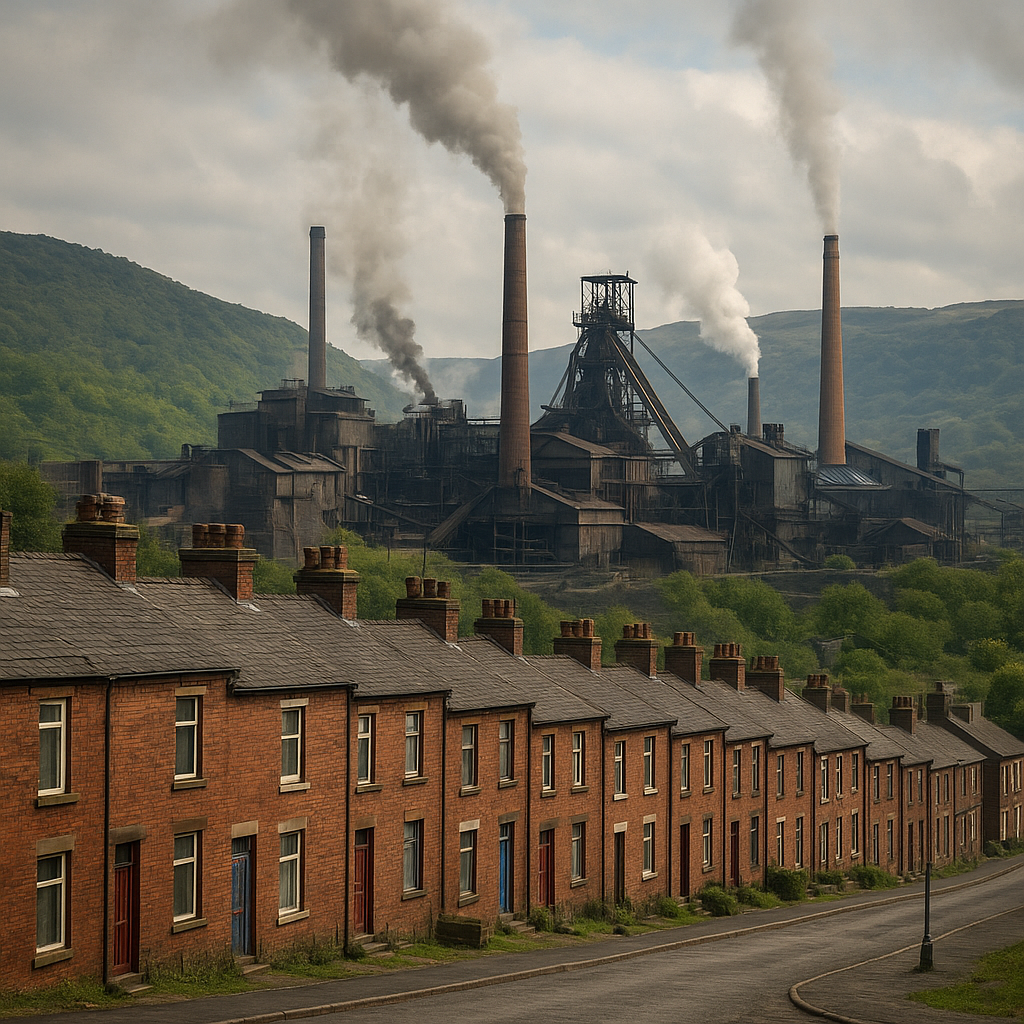
The rise of coal as a dominant energy source during the nineteenth and twentieth centuries shaped not only the industrial landscape but also the cultural and social identity of countless towns. From the rugged hills of Appalachia to the mining districts of Wales and beyond, coal towns emerged as epicenters of labor, innovation, and community life. This article explores the multifaceted legacy of these settlements, examining how coal extraction influenced economic trends, stock markets, and the enduring spirit of those who called these places home.
Historical Emergence of Coal Towns
In regions rich with carboniferous seams, the discovery of coal deposits sparked rapid transformations. Small villages near abundant seams exploded into bustling towns, each centered around a local colliery. As industrialization took hold across Europe, North America, Asia, and beyond, demand for a reliable, high-energy fuel source soared. Mine owners and speculators flocked to these areas, laying tracks for railways and erecting tipples and loading yards that would ship millions of tons of coal to steel mills, railroads, and power plants worldwide.
Early Infrastructure and Settlement Patterns
- Rail lines and tramways carved pathways through mountainous terrain, enabling faster transport.
- Row houses, often built by mining companies, clustered around the mine entrance to shelter workers and their families.
- Company stores, schools, churches, and recreational halls formed the backbone of daily life.
These features laid the groundwork for a unique social order, in which the mine owners wielded significant power, while workers negotiated their place through unions and collective action.
The Role of Coal in National Development
By the late 1800s, coal had become the lifeblood of emerging economies. Governments and private enterprises invested heavily in extraction technology, spurring growth in the economy at large. Major port cities that processed and exported coal thrived, and energy-hungry industries—such as steelmaking—expanded rapidly. This growth cemented coal’s reputation as a strategic resource, prompting governments to include it in national energy policies and strategic reserves.
The Social Fabric of Coal Communities
Coal towns were more than mere labor camps; they evolved into vibrant centers of culture and community solidarity. The shared experience of dangerous work and economic precarity fostered strong bonds. Children played between mine structures, local traditions took shape, and distinct dialects emerged.
Labor Unions and Collective Identity
The brutal conditions underground galvanized workers to organize. Miners’ unions became powerful voices, advocating for safer working conditions, fair wages, and an eight-hour workday. Strikes and protests in places such as the Welsh Valleys, Pennsylvania, and Queensland left indelible marks on labor rights worldwide.
Folk Music, Art, and Storytelling
From ballads lamenting the perils of the pit to paintings capturing the smoky horizons of mining towns, artistic expression flourished. Folk songs—often composed and passed down through generations—conveyed tales of hardship and hope. Literary works, plays, and community theater further enriched the cultural tapestry, preserving local heritage for posterity.
Economic Transformations and Coal Stock Markets
Beyond the physical extraction of resources, coal towns influenced financial markets through the trading of mining company shares. The concept of a stock exchange listing for coal companies emerged as investors recognized the lucrative potential of steady demand and expanding production. Speculative bubbles occasionally formed around new finds, only to burst when seams ran dry or alternative energy sources gained traction.
Speculation, Booms, and Busts
During boom years, towns saw an influx of wage earners and entrepreneurs. Boarding houses, saloons, and small eateries catered to miners flush with newly earned wages. Yet, this prosperity often proved temporary. When mines shut down—due to resource depletion, labor disputes, or shifts in sustainability policies—many towns faced economic collapse. Ghost towns dotted once-thriving regions, their empty streets a testament to the volatility of resource-dependent economies.
Investment Strategies and Diversification
- Long-term investors began to diversify holdings, pairing coal stocks with emerging industries such as oil and natural gas.
- Governments sometimes intervened, offering subsidies or tax incentives to maintain production in strategic areas.
- Modern portfolio theory encouraged balanced allocations, mitigating the impact of downturns in coal markets.
These strategies shaped the broader **investment** climate, influencing how institutional and individual investors perceived commodities relative to equities and bonds.
Environmental and Cultural Revitalization Efforts
As the global community grapples with climate change, many former coal towns face a crossroads. Abandoned mine sites, once symbols of progress, now present environmental hazards: water pollution, subsidence, and air quality challenges. Yet, initiatives around the world showcase innovative paths forward, blending ecological restoration with cultural celebration.
Eco-Tourism and Heritage Trails
Repurposing old rail corridors into hiking and biking trails has become a hallmark of successful revitalization. Mining museums occupy restored headframes, offering visitors immersive experiences through guided tours and interactive exhibits. Festivals celebrating mining heritage draw thousands, with reenactments, music performances, and craft markets highlighting local resilience.
Renewable Energy Projects on Former Mine Lands
Several regions have installed solar farms and wind turbines atop reclaimed spoil heaps, converting derelict landscapes into sustainable power generators. Such projects symbolize a shift from fossil fuel dependence toward greener energy alternatives while providing economic opportunities for displaced workers.
Global Perspectives on Coal Town Legacies
Although coal’s prominence is waning in many high-income countries, production remains significant in parts of Asia, Africa, and Eastern Europe. Each region’s coal towns feature distinct cultural adaptations, from the matriarch-led households of German Ruhr communities to the intricate network of pit villages in China’s Shanxi Province.
Cultural Exchange and Solidarity Networks
International conferences and sister-city arrangements foster cross-border solidarity among former coal towns. Artists, historians, and policymakers convene to share best practices for cultural preservation, economic renewal, and environmental stewardship. These collaborations underline the universal human stories that bind disparate communities rooted in a common legacy of extraction.
Future Directions
- Investing in craft industries and agritourism to diversify local incomes.
- Digitizing archive records and oral histories to ensure intangible aspects of coal heritage endure.
- Leveraging blockchain to create virtual tokens tied to historical mine sites, supporting fundraising for conservation.
Such forward-looking initiatives signal that while the age of coal may be drawing to a close, the cultural imprint of coal towns will persist, reframed through lenses of innovation and community-driven renewal.