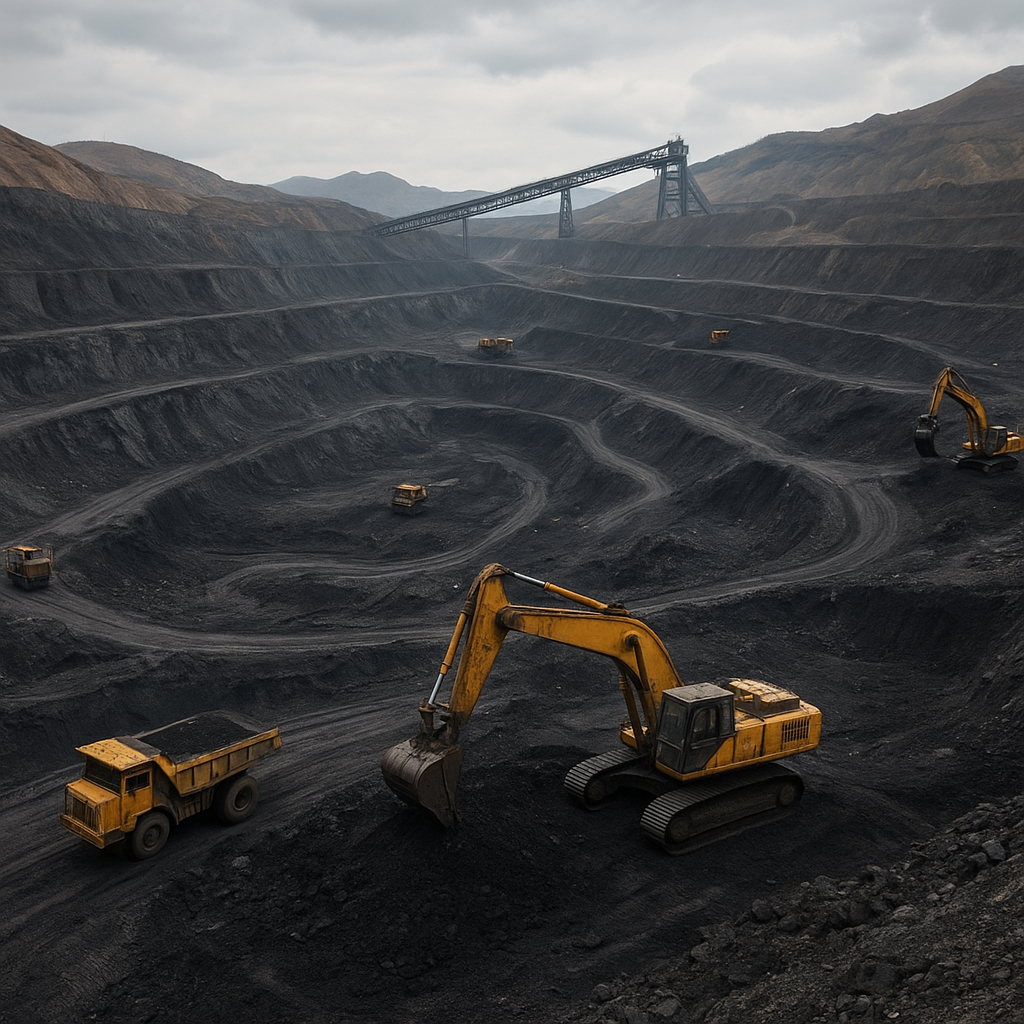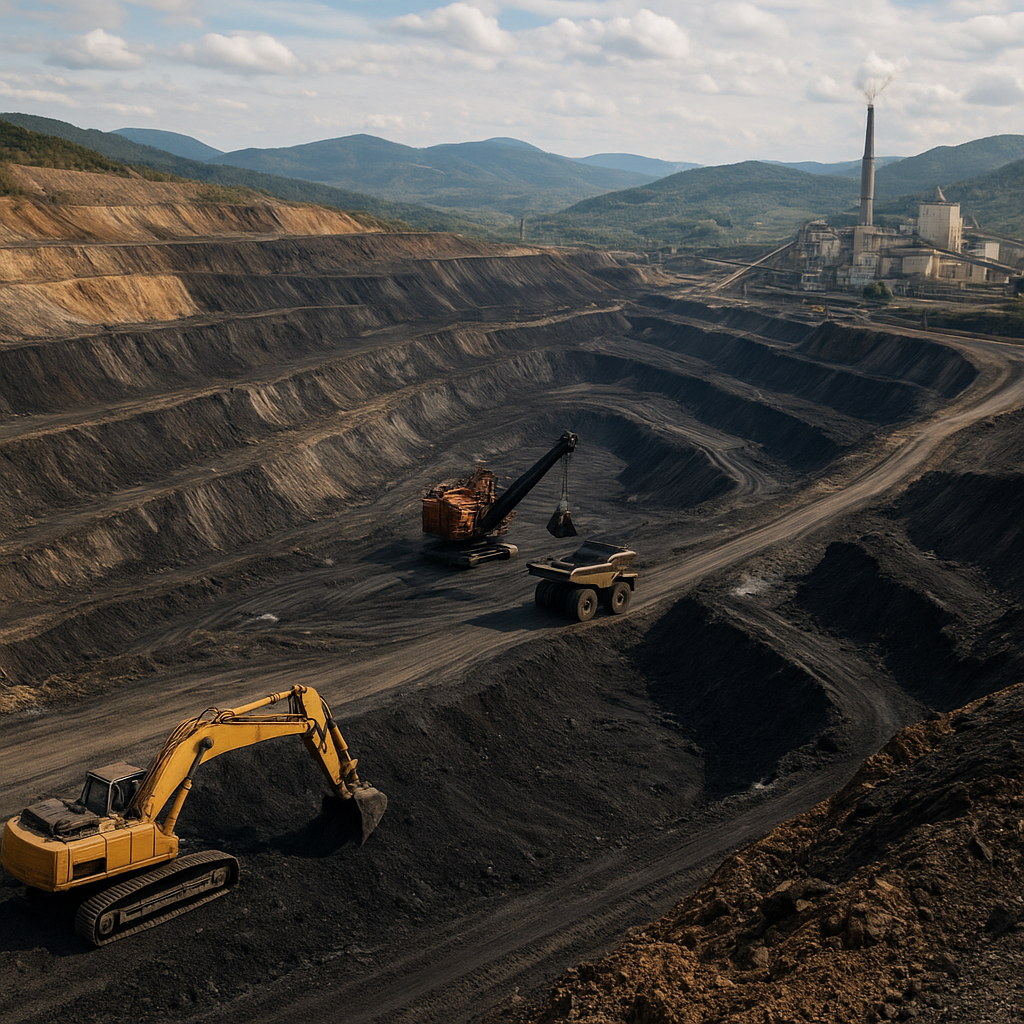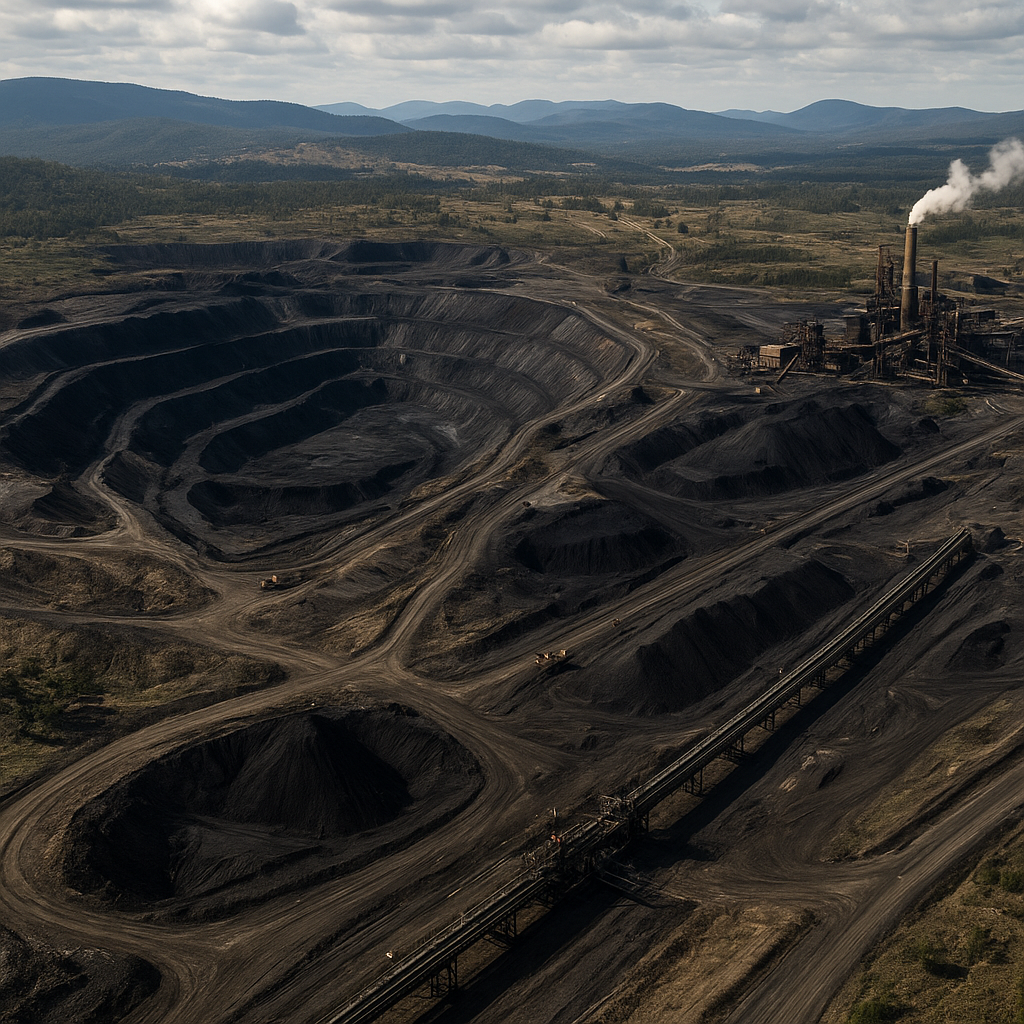
The Mount Arthur Coal Mine is one of the best-known coal operations in Australia’s renowned Hunter Valley. This article presents a comprehensive overview of the mine’s location, geology, mining methods, product quality, economic and social significance, statistics and production trends, infrastructure and logistics, regulatory and environmental aspects, and prospects. Wherever precise numbers are provided they are indicated as approximate or based on publicly available historical data up to mid-2024.
Location and Geological Setting
The Mount Arthur Coal Mine is situated in the Hunter Valley region of New South Wales, Australia, near the towns of Muswellbrook and Singleton. The Hunter Valley is one of Australia’s principal coal-bearing basins and hosts numerous large-scale mining operations. The mine sits within the Permian coal measures that extend across the Hunter Basin and contain multiple seams of economically extractable coal.
Geologically, Mount Arthur exploits stratified sequences of Permian-aged sedimentary rocks characterized by multiple coal seams interspersed with mudstone, siltstone and sandstone. The coal seams vary in thickness across the deposit, and mining operations are normally planned to target the most commercially viable seams. The mine produces primarily thermal coal (steam coal) used in electricity generation and industrial steam production, reflecting the characteristics of the local seams: bituminous rank with variable volatile matter and ash content, depending on seam and washery processing.
Mining Method and On-site Infrastructure
Mount Arthur operates as an open-cut (surface) coal mine. Open-cut mining is common in the Hunter Valley because seams are relatively shallow and extensive, making it economical to remove overburden and extract coal by large-scale earthmoving. Typical equipment includes haul trucks, excavators, dozers, and load-and-haul fleets. The site also incorporates a coal handling and preparation plant (CHPP) where raw run-of-mine coal is washed, sized and blended to meet product specifications for export customers.
- Coal handling and preparation: The on-site CHPP reduces ash and removes impurities to produce export-grade thermal coal with consistent quality.
- Processing capacity: Historically, Mount Arthur’s processing facilities and pit capacity have supported an annual coal production in the range of several million to low tens of millions of tonnes (see production section for approximate figures).
- Water and tailings management: The mine manages water through sedimentation ponds, water treatment and recycling systems to control discharge and reuse water in processing.
- Rehabilitation: Progressive rehabilitation is typically undertaken on areas of the mine no longer required for operations, consistent with NSW regulatory requirements.
Coal Type, Quality and Markets
The mine’s primary product is export thermal coal, often marketed to electricity generators and industrial users in Asia-Pacific markets. The coal is generally mid-rank bituminous, suitable for pulverised fuel (PF) boilers and some other thermal applications. Typical parameters that determine market value include energy content (kcal/kg or kJ/kg), ash yield, moisture, volatile matter and sulfur content. Washed product quality is managed to meet customers’ specifications through blending and CHPP processes.
Major destination markets for Hunter Valley thermal coal historically include Japan, South Korea, China, India and various Southeast Asian countries. Coal exported from Mount Arthur is usually transported by rail to the Port of Newcastle — the world’s largest coal export port by throughput — and loaded onto bulk carriers for export.
Production Statistics and Trends
Production at Mount Arthur has varied over time in response to market demand, commodity prices, operational capacity and approvals. Historically, the mine has operated at annual production levels that ranged from several million tonnes to low double-digit million tonnes per year. Publicly available company reports and NSW government documents in recent years suggested typical annual production in the order of approximately 6–12 million tonnes per annum for many Hunter Valley open-cut operations of similar scale. Exact annual production for Mount Arthur in any given year depends on commercial decisions, maintenance schedules and market conditions.
Recoverable reserves and resource estimates for the deposit reported in company or government documents have historically been substantial, often described in terms of tens to several hundreds of millions of tonnes of measured, indicated and inferred resources. Because reserve figures are frequently updated following exploration, detailed feasibility and mining extraction, it is prudent to treat any single number as an estimate that evolves with ongoing operations and regulatory approvals.
Key statistical and operational indicators to consider when assessing a mine like Mount Arthur include:
- Annual run-of-mine (ROM) production (million tonnes).
- Saleable coal production after washing and blending (million tonnes).
- Yield or washery recovery percentage (saleable/ROM).
- Coal qualities: gross calorific value, ash, moisture and sulfur percentages.
- Employment numbers (direct and indirect).
- Remaining mine life based on reserves and permitted production rates.
Economic and Regional Importance
Mount Arthur is a significant contributor to the regional economy of the Hunter Valley and to the broader NSW and Australian economy through several channels:
- Employment: The mine provides direct employment to site personnel — including operators, engineers, geologists, environmental specialists and support staff — as well as extensive indirect employment through contractors, suppliers and local service providers. Typical Hunter Valley open-cut operations support several hundred direct employees and a larger number of contractor roles, though precise staffing levels vary with production intensity.
- Regional spending: Payroll, local procurement and contractor payments circulate through local towns and businesses, supporting retail, housing, transport and professional services.
- Export earnings: Thermal coal exports generate foreign exchange revenues and contribute to Australia’s merchandise export totals. The economic multiplier includes port and rail operations and international trading activities.
- Government revenue: Royalties, corporate taxes, payroll taxes and other fees contribute to state and federal budgets, financing public services.
Because coal prices can be volatile, the mine’s economic contribution can change year to year. Nevertheless, Mount Arthur and similar operations are material components of the Hunter Valley’s industrial base.
Infrastructure, Logistics and Supply Chain
Efficient logistics are essential for a coal export operation. Mount Arthur’s supply chain typically includes:
- Road and rail haulage: Coal is moved from pit to CHPP and then by rail to export terminals. The Hunter Valley benefits from an extensive rail network dedicated to coal haulage linking mines to Port of Newcastle and occasionally to other terminals.
- Port of Newcastle: As the principal export outlet for Hunter Valley coal, Port of Newcastle handles loading of bulk carriers and provides stockpiling and ship-loading facilities.
- Contractors and service providers: The operation relies on specialist contractors for drilling, blasting, rehabilitation, equipment maintenance and other services, often sourced locally and regionally.
- Stockpiling and blending: Onsite and terminal stockyards allow for blending of seams and batches to meet specific customer quality requirements and manage seasonal shipping constraints.
Environmental Management and Regulation
Coal mining in Australia is subject to rigorous environmental regulation at state and federal levels. Key environmental considerations for the Mount Arthur operation include:
- Air quality and dust control: Mining and stockpiling generate dust; operators implement controls such as water sprays, covered conveyor systems and buffer zones to protect local communities and ecosystems.
- Water management: Sediment basins, controlled discharge, water recycling and monitoring are used to prevent contamination of surface and groundwater systems. Groundwater drawdown and impacts on local aquifers are assessed and managed through licensed approvals.
- Biodiversity offsets and rehabilitation: Mining approvals typically require progressive rehabilitation of disturbed land and compensation for residual biodiversity impacts where unavoidable.
- Greenhouse gas emissions: Mining and coal combustion contribute to greenhouse gas (GHG) emissions. The mine’s scope 1 and scope 2 emissions are managed in the context of broader corporate sustainability reporting and national climate policy.
- Community consultation: Engagement with local communities, indigenous stakeholders and councils forms part of the approvals and ongoing operational processes.
Regulatory oversight by the New South Wales Government’s planning and environment agencies and by national environmental laws ensures monitoring, compliance and reporting. Operators are typically required to publish annual environmental performance reports, monitoring data and rehabilitation progress.
Social and Community Aspects
Large mining operations such as Mount Arthur have measurable local social impacts. Positive effects include job creation, community sponsorships, infrastructure contributions and support for local business. Conversely, mines can create social challenges such as increased housing demand, traffic, noise and changes to landscape amenity. To manage these, operators commonly:
- Provide community benefit programs and philanthropic contributions to health, education and community groups.
- Engage in workforce planning to prioritise local employment and training, often through apprenticeships and cadet programs.
- Run grievance and consultation mechanisms so local concerns about noise, dust or traffic can be raised and addressed.
Historical Context and Ownership
The Mount Arthur deposit has been part of the broader development of coal mining in the Hunter Valley spanning many decades. Ownership and operating arrangements for major Australian mines frequently change through acquisitions, joint ventures and corporate restructuring. Throughout its operational life, Mount Arthur has been managed under a corporate entity dedicated to site operations, reporting to parent companies or joint venture partners.
Historical milestones of interest for such operations often include initial exploration and resource delineation, first production, major expansion approvals (increasing production rates or extending mine life), changes of ownership, and periods of care and maintenance during low-price cycles. These milestones typically influence employment, capital investment and the pace of rehabilitation and closure planning.
Economic Risks and Market Drivers
The economic viability of Mount Arthur, like other coal mines, is influenced by a number of market and operational variables:
- Global coal prices: Thermal coal prices are driven by electricity demand, fuel-switching behaviour (e.g., gas, renewables), economic growth in importing countries and international supply dynamics.
- Exchange rates: Coal is typically sold in US dollars on international markets. Strong or weak Australian dollar levels affect local currency revenues for operators and workers.
- Operating costs: Fuel, labour, equipment maintenance and regulatory compliance affect margins. Mines in established regions can leverage local services and experienced workforce to maintain competitive costs.
- Regulatory and policy settings: Environmental regulations, carbon pricing mechanisms (if present), export controls and land use policies can materially alter project economics.
- Capital availability: Financing conditions influence the ability to invest in expansions, equipment replacement and environmental remediation.
Future Outlook and Transition Considerations
The global energy transition — driven by decarbonisation targets, renewable energy growth and changing policy frameworks — is reshaping demand for thermal coal. While near- to medium-term demand for thermal coal persists in many regions, long-term outlooks for thermal coal show gradual structural decline in some markets, offset by continuing demand in areas where coal remains the dominant baseload fuel.
For Mount Arthur, future scenarios typically considered by operators and regulators include:
- Continuing operations at existing production levels while progressively implementing emissions reduction and rehabilitation programs.
- Operational downscaling or temporary care and maintenance during prolonged low-price periods.
- Closure and progressive rehabilitation once economically recoverable reserves are exhausted or if operations become economically unviable due to regulatory and market pressures.
Operators may pursue diversification of local economies through community transition support, retraining programs and investment in alternative industries to reduce long-term reliance on coal mining.
Notable Technical and Operational Features
Several operational features commonly associated with large open-cut mines like Mount Arthur are worth noting:
- High-capacity mobile fleets: To achieve economically viable production rates, mines use large haul trucks and excavators capable of moving millions of cubic metres of overburden and ROM coal per year.
- Automated and digital technologies: Modern mines increasingly employ fleet management systems, GPS, remote monitoring and predictive maintenance to improve productivity and safety.
- Blending strategies: Coal quality blending is a sophisticated process balancing thermal content, ash and other parameters to meet customer contracts and optimise revenue.
- Safety management: Comprehensive health and safety systems, emergency response planning and continuous training are integral to operations.
Interesting Facts and Broader Significance
Beyond direct production, Mount Arthur and similar Hunter Valley mines illustrate several broader points about Australian resource industries:
- The Hunter Valley remains a globally important coal-producing region, providing a significant share of Australia’s thermal coal exports.
- Large-scale open-cut mining supports substantial local supply chains — from equipment manufacturers to logistics and professional services — creating economic clusters.
- Operational life cycles of mines include distinct phases (development, operation, closure and rehabilitation), each with different workforce and community impacts.
- Environmental management and the evolving policy context around climate change have elevated rehabilitation, emissions reporting and community engagement to central roles in modern mining operations.
Summary
Mount Arthur Coal Mine is a key part of the Hunter Valley coal landscape, producing export-grade thermal coal via open-cut methods and contributing to local employment, regional economies and export earnings. Its operations rely on substantial on-site infrastructure, including CHPP facilities and rail links to the Port of Newcastle. Production levels and economic performance vary with global coal markets and domestic regulatory settings. Environmental management, community engagement and eventual rehabilitation are essential elements of the mine’s responsibilities. While the global energy transition creates strategic uncertainty for thermal coal, mines such as Mount Arthur continue to feed energy markets and support regional economies while navigating changing market and policy landscapes.
Key words: Mount Arthur Coal, Hunter Valley, open-cut, thermal coal, export, Port of Newcastle, employment, reserves, sustainability, rail.