The Matla coal complex is one of the more widely referenced coal mines in South Africa’s Highveld region. Located in the heart of Mpumalanga province, it plays a long-standing role in supplying fuel for electricity generation and supporting local economies. This article explores the mine’s geological setting, the type of coal produced, its industrial and economic significance, environmental and social dimensions, and the broader role of Matla within South Africa’s coal sector. Throughout the text several key terms are emphasized to highlight the most important concepts.
Location, Geological Setting and Mineral Characteristics
The Matla coal operations are situated in Mpumalanga, a province that forms the core of South Africa’s coal-producing basin. Specifically, Matla is associated with the coalfields near Kriel and Ogies in the Highveld coalfield, a region historically known as the Witbank/Kriel coal basin. The coal seams in this part of the Karoo Supergroup formed during the Permian to Triassic periods and are embedded in sedimentary sequences of shales, sandstones and coal measures.
The coal mined at Matla is predominantly thermal in character, intended mainly for power generation. Thermal coal in the Highveld is generally bituminous to sub-bituminous with varying calorific values, moisture and ash contents depending on the seam and depth. Typical properties of the coal extracted from mines in this region include moderate to high heating value (suitable for steam generation in coal-fired power stations), variable ash content and the presence of inherent moisture and sulphur that require attention during combustion and emissions control.
Mpumalanga’s geology and seam continuity make mines like Matla attractive for large-scale, long-life operations. Coal seams in the area can be relatively thick and laterally extensive, allowing open-pit and underground mining techniques depending on depth and geotechnical conditions. Over decades of operation the mine has developed the infrastructure necessary to move large volumes of coal to nearby consumers, notably coal-fired power stations.
Operations, Coal Type and Uses
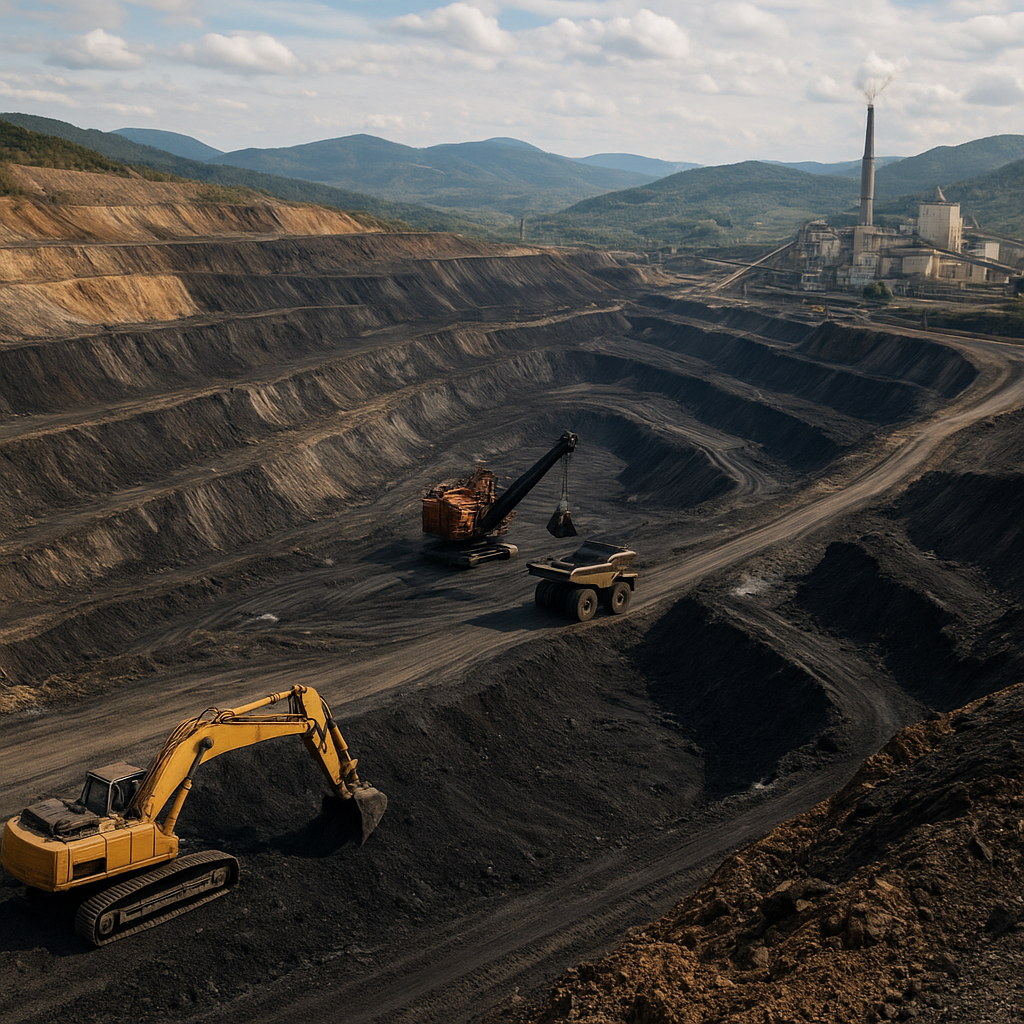
Matla’s production focus has historically been on supplying coal for electricity generation. The mine’s output is predominantly thermal coal designed to feed nearby power plants, including the Matla Power Station operated by Eskom. Matla Power Station is one of the larger coal-fired stations on the South African grid, with an installed capacity in the gigawatt range, and relies on proximal coal mines to maintain fuel security and reduce transport logistics.
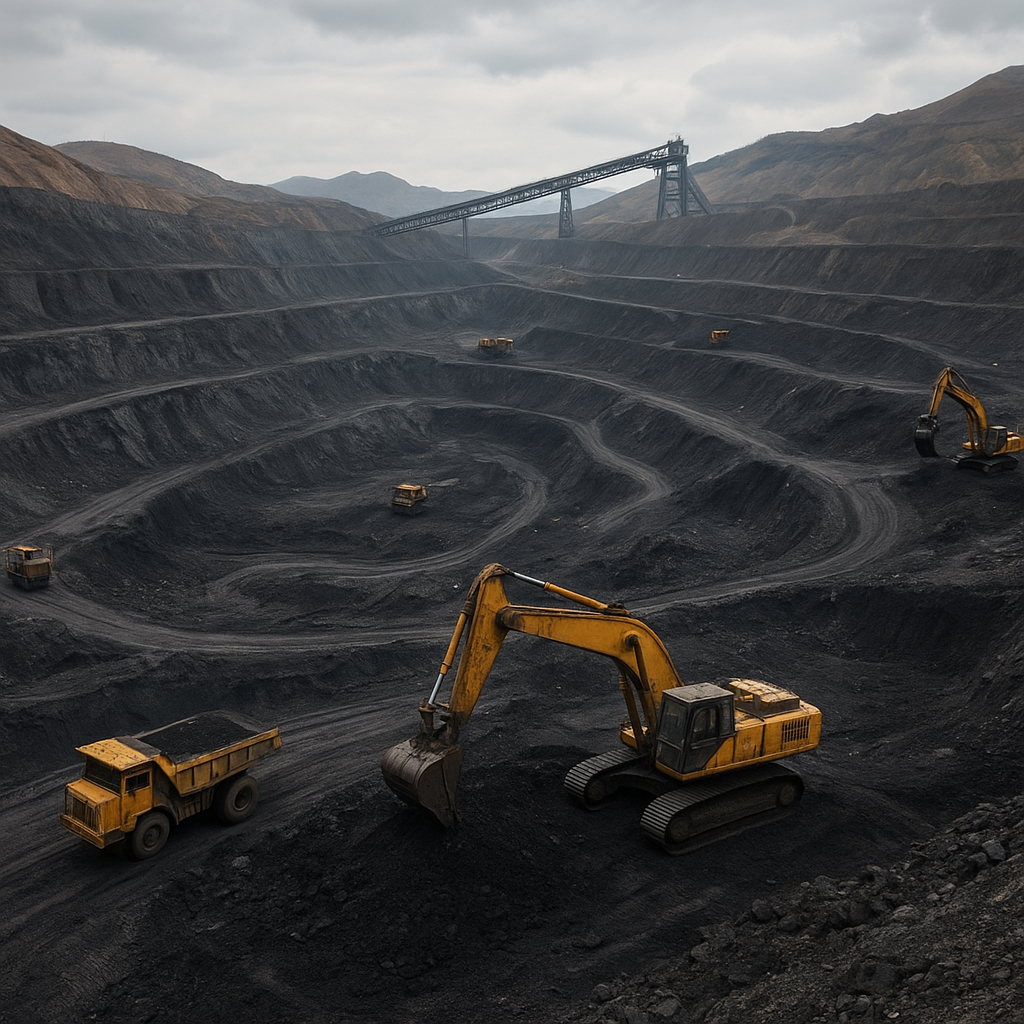
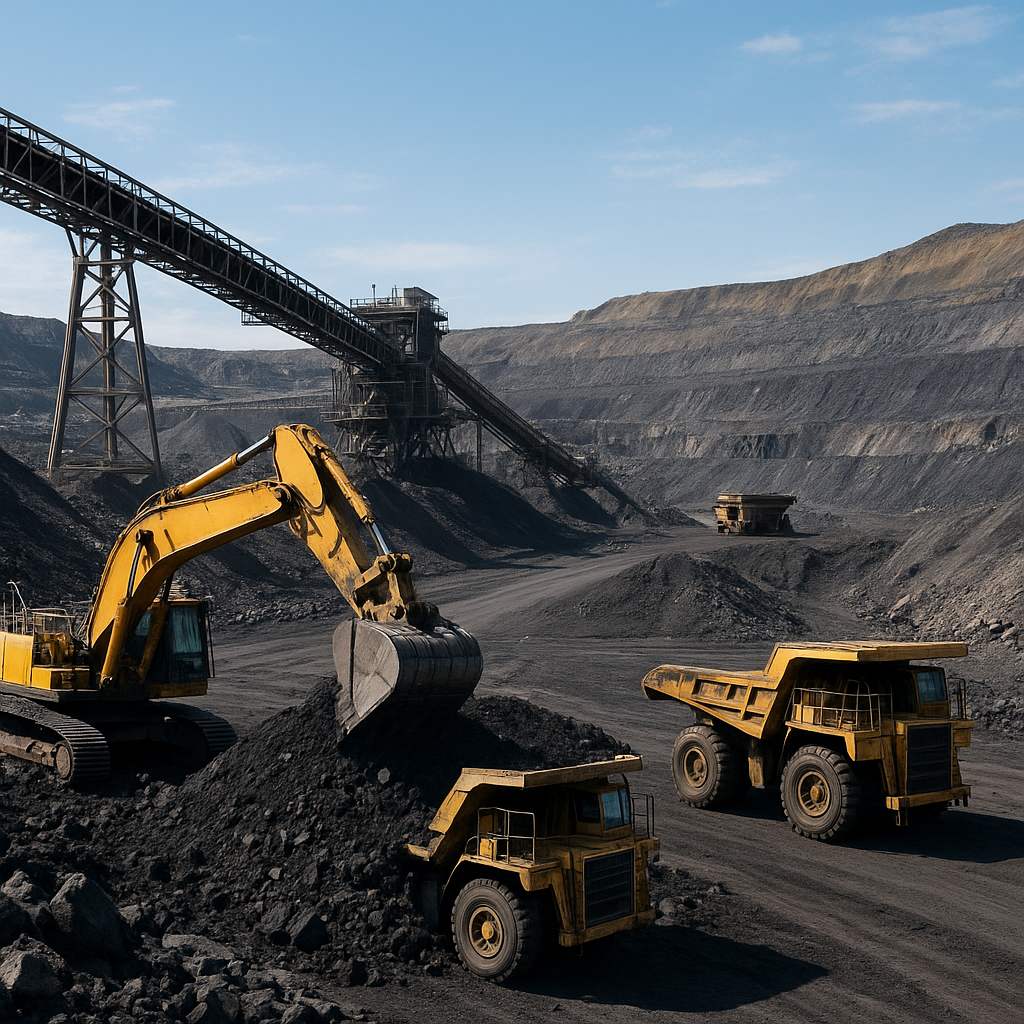
Mining methods employed in and around Matla have varied over time according to seam depth, economics and operational constraints. Surface mining (open cast) is commonly used where seams are near the surface, while underground bord-and-pillar or longwall techniques may be used where seams lie deeper. The coal is processed and washed in coal preparation plants to reduce ash and improve calorific value for power station combustion. Typical uses of Matla’s coal include:
- Supply to local electricity generation facilities (primary use).
- Industrial uses within heavy industry and manufacturing in the region.
- In some cases, lower-quality fractions may be beneficiated, blended or sold into export markets depending on demand and logistics.
The logistical advantages of Matla’s proximity to major power consumers reduce transport costs and ensure a steady feedstock for thermal generation, a factor that historically has underpinned the mine’s economic rationale.
Economic and Industrial Significance
Coal remains a cornerstone of South Africa’s energy matrix and industrial base. The Matla complex, by virtue of its location in the Highveld and its role as a supplier to large power plants, contributes to several important economic functions:
- Energy security: Supplying coal to nearby Eskom stations helps stabilize local electricity generation, reducing reliance on long-distance transport and buffering supply disruptions.
- Employment: Coal mines in Mpumalanga are significant local employers, providing direct jobs in mining, processing and transport, as well as indirect employment through service industries and local supply chains.
- Regional development: Mining royalties, wages and procurement inject funds into municipal economies, supporting infrastructure, retail and social services in mining communities.
- Industrial feedstock: Beyond power, coal supports local industries that require steady energy or heat inputs, such as manufacturing and processing.
At a national level, South Africa produces on the order of a few hundred million tonnes of coal annually. A large share of this (~70–80%) originates from Mpumalanga, the country’s coal heartland. While Matla itself is one of several major collieries in the region, its strategic proximity to large power stations enhances its importance beyond raw tonnage alone.
Economically, coal revenue streams include sale of raw coal, beneficiated coal products, and various contractual arrangements with utilities and industrial consumers. The revenue supports both multinational and local mining companies, and contributes to government coffers through taxes, royalties and export earnings where applicable. Matla’s contribution is primarily through domestic supply chains where coal contributes to the national grid and local industrial operations.
Statistical Snapshot and Productivity
Reliable mine-level statistics for Matla can vary over time with operational changes, life-of-mine plans and commercial agreements. Publicly available national and provincial statistics provide context:
- South Africa’s annual coal production generally ranges between 220 and 270 million tonnes in recent years, with fluctuations due to market demand, labor conditions and policy factors.
- Mpumalanga contributes the vast majority of this output, often cited around 70–80% of national production, reflecting the high density of commercial coal deposits.
- Coal-fired power generation historically consumes a very significant share of domestically produced coal — large power stations consume several million tonnes of coal per annum each, meaning collieries like Matla are integral in meeting this demand.
For Matla specifically, historic production figures and reserve estimates published intermittently in company reports and industry overviews show that single large collieries in the Highveld can produce in the order of 1–10 million tonnes per annum, depending on scale and life-stage. Reserve sizes for individual mines can range from tens of millions to several hundred million tonnes, allowing multi-decade lifespans under steady production scenarios. Exact contemporary figures for Matla should be confirmed via the operating company’s reporting or government mineral resource data when available.
Social and Environmental Considerations
The operation of large coal mines such as Matla carries significant social and environmental implications that require continual management and mitigation:
- Air quality and emissions: Coal mining and combustion contribute to particulate matter, NOx, SOx and greenhouse gas emissions. Local dust and combustion emissions can affect public health, necessitating monitoring and control measures, as well as investments in cleaner technology at power stations.
- Water use and quality: Coal operations require water for washing and processing, and mine runoff can affect surface and groundwater quality. In a water-scarce region, careful management of water resources and rehabilitation of water-affected areas is critical.
- Land use and rehabilitation: Open-pit mining alters landscapes and ecosystems. Progressive rehabilitation, recontouring and revegetation programs are integral parts of modern mine closure planning.
- Community impacts: While mining generates employment and income, it can also create social stresses related to housing, health services, and infrastructure. Companies often engage in community development programs, skills training and local procurement to distribute benefits.
- Climate policy pressures: As global and national policies shift toward decarbonization, coal miners face growing pressure to adapt business models, invest in emissions reductions, and prepare for a potential long-term decline in coal demand.
Mitigation efforts at many mines include dust suppression systems, water treatment plants, land rehabilitation plans and community engagement programs. The degree and success of these measures vary by operator and regulatory enforcement, and are often the subject of public scrutiny and stakeholder negotiation.
Safety, Historical Incidents and Operational Challenges
Mining is inherently hazardous, and coal mining operations have historically experienced incidents affecting worker safety and operational continuity. Safety management is therefore a core focus area, encompassing:
- Training and procedural controls to manage underground and surface hazards.
- Ventilation and gas monitoring to reduce risks in underground workings.
- Equipment maintenance, operational supervision and emergency response planning.
Operational challenges for Matla and similar collieries include fluctuating commodity prices, logistical constraints on rail and road networks, labor relations and the need to comply with evolving environmental and safety regulations. Periodic strikes or industrial action in the South African mining sector have historically led to temporary production disruptions; mines must manage labor relations carefully to maintain continuity.
Regional and National Importance in the Energy Mix
Coal’s centrality to South Africa’s electricity system has made collieries in the Highveld region, including Matla, strategically important. The concentration of power stations and coal mines in close proximity creates a coal-power complex wherein collieries provide reliable fuel, and power stations provide a steady market. This interdependence has shaped regional infrastructure — rail links, conveyor systems and roads optimized for heavy bulk movements.
Despite mounting investments in renewable energy, coal-fired generation is likely to remain a significant portion of South Africa’s energy mix for years to come due to existing infrastructure, baseload requirements and economic considerations. This implies that mines like Matla will remain relevant in the medium term while also being subject to transition pressures including retrofitting power plants for emissions controls, improving mining efficiency and exploring diversification strategies.
Future Prospects, Transition Pathways and Challenges
The future for Matla and coal mining in Mpumalanga depends on several interlinked factors:
- Energy policy and decarbonization: National commitments to emissions reduction influence the long-term demand for thermal coal. Policy frameworks that encourage a managed transition, worker retraining and regional economic diversification will shape mine viability.
- Market demand and export markets: Domestic demand from power stations remains the key driver. However, global coal markets and Asian import demand can affect pricing and export opportunities for higher-quality coal fractions.
- Technological improvements: More efficient mining and processing methods, digitalization, and environmental control technologies can reduce costs and emissions, extending the competitiveness of existing mines.
- Rehabilitation and closure planning: As mines age, careful planning for closure, land rehabilitation and community transition becomes increasingly critical to minimize long-term environmental liabilities and social disruption.
There are also opportunities for economic diversification in coal-dependent regions. These include investments in renewable energy projects (solar and wind), manufacturing, logistics and services that can employ workers displaced by a gradual decline in coal demand. Companies and governments are increasingly focused on “just transition” approaches to ensure social stability and sustainable economic futures for mining communities.
Interesting and Lesser-Known Facts
- Geographic cluster effects: The proximity of Matla to large Eskom plants exemplifies the cluster effect where mines and power stations co-locate to optimize logistics and reduce transport costs.
- Coal washing and beneficiation: To meet the quality requirements of large boilers, coal from the Matla area often undergoes washing to lower ash content and improve combustion performance.
- Cumulative infrastructure: Over decades, the coal industry in Mpumalanga has built substantial rail and conveyor infrastructure, some of which is shared among multiple operations to move bulk coal efficiently to power plants or ports.
- Employment multiplier: Every direct mining job typically supports several indirect jobs in services, maintenance, transport and retail in local towns, illustrating the broader socio-economic footprint of the mine.
Summary
Matla coal operations are emblematic of South Africa’s coal-rich Highveld: a mine complex configured to supply thermal coal to large consumers, most notably coal-fired power stations such as those run by Eskom. Located in Mpumalanga, Matla benefits from extensive coal seams, established logistics and a regional industrial ecosystem shaped by decades of coal production. The mine’s economic contribution spans employment, regional development and energy security, while environmental and social responsibilities necessitate robust management and forward-looking transition planning. As South Africa navigates the global energy transition, Matla and similar collieries will need to balance ongoing operational demands with strategies for sustainability, rehabilitation and participation in a changing energy economy.