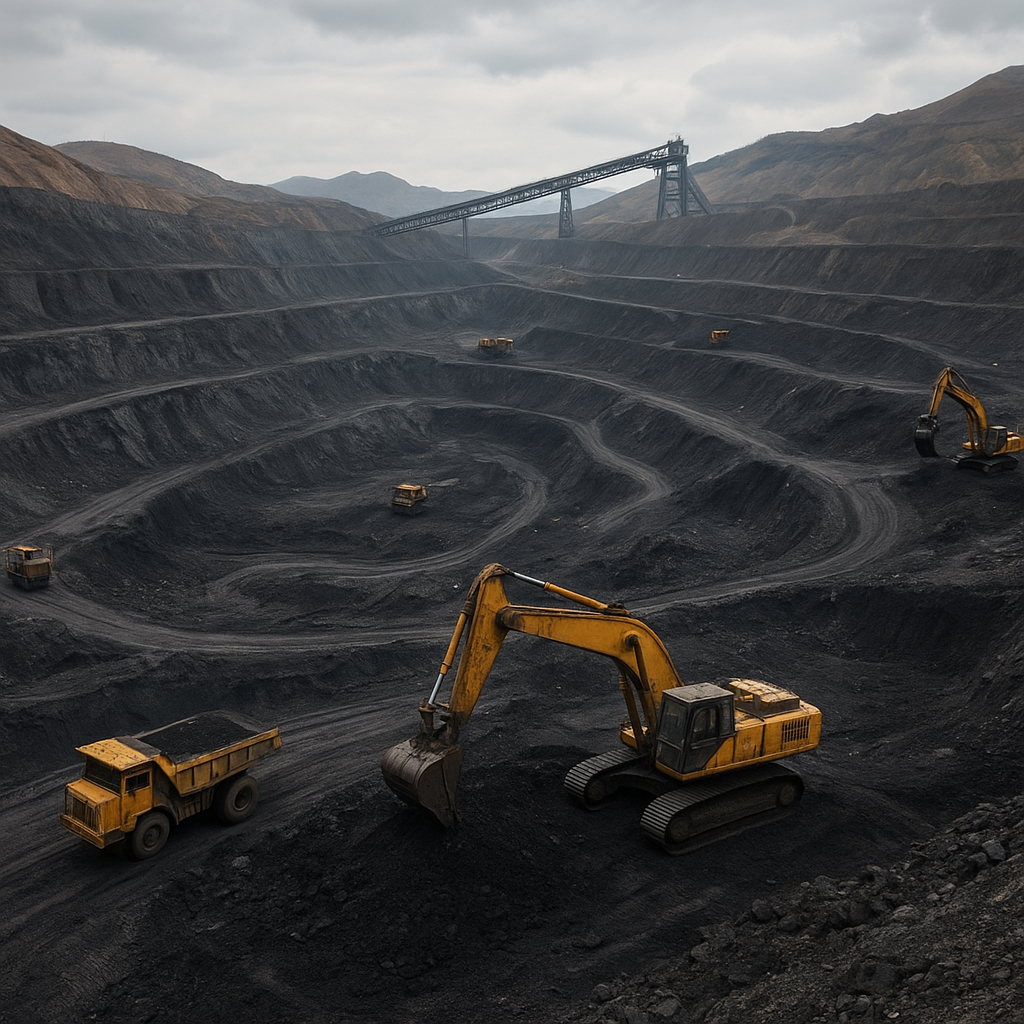
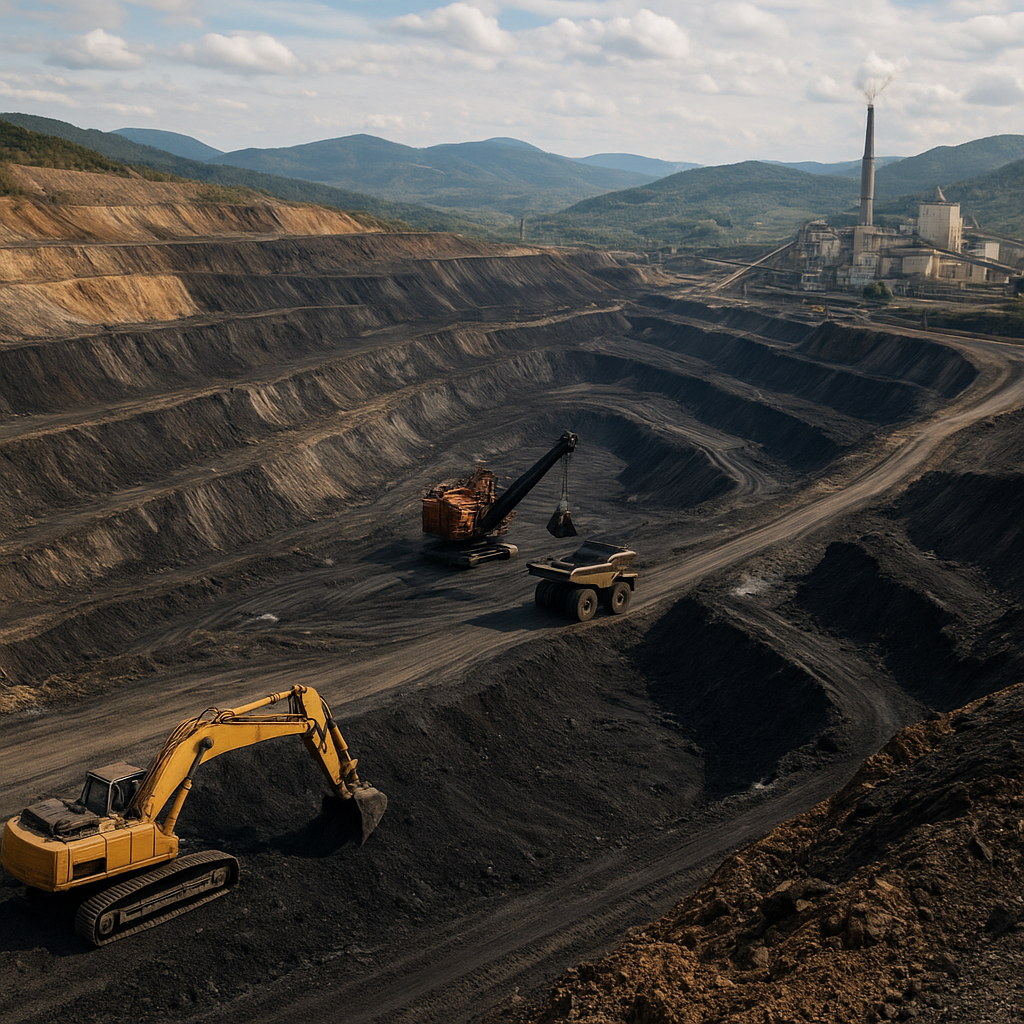
Line Creek Mine is one of the notable coal operations in British Columbia’s Elk Valley, supplying high-quality metallurgical coal to global steelmakers. Located in southeastern Canada, the operation forms part of a network of mines that have shaped the regional economy, community life, and environmental policy for decades. This article outlines where the mine is situated, what type of coal it produces, its economic and industrial significance, available statistics and estimates, and additional technical and environmental facets that make Line Creek a noteworthy element of Canada’s mining landscape.
Location and Geological Setting
Line Creek Mine lies in the Elk Valley in southeastern British Columbia, an area known for some of Canada’s richest deposits of steelmaking coal. The mine sits near communities such as Elkford and Sparwood, and is geographically within the Kootenays region. The Elk Valley itself is a long, glacially-influenced valley with steep slopes, where multiple coal seams are exposed and accessible at economically mineable depths.
The coal seams in the Elk Valley were formed during the late Paleozoic and early Mesozoic eras, in sedimentary basins that accumulated thick layers of organic matter subsequently transformed into bituminous coal under considerable heat and pressure. These seams produce predominantly metallurgical coal (also called coking coal), which is distinct from thermal coal used for power generation: metallurgical coal has properties desirable for coke production and steelmaking, such as low ash and sulfur content in many deposits in this region.
Type of Coal and Product Quality
Line Creek produces mainly high-quality coking coal suitable for the steel industry. Metallurgical coal from the Elk Valley is commonly categorized as hard coking coal (HCC) or semi-soft coking coal (SSCC), depending on its carbon content, volatile matter, and caking properties. These characteristics determine how the coal behaves in coke ovens and its suitability for blending to produce coke with required strength and reactivity.
- Product focus: metallurgical coal for steelmaking.
- Typical quality traits: relatively low sulfur and ash compared with many global coals; good coking properties when properly washed and blended.
- Processing: raw run-of-mine coal is washed in a preparation plant to remove rock and impurities, then sized and blended to meet customer specifications.
The washing and preparation process improves quality and yields multiple saleable products: run-of-mine coal is separated into clean coal products and tailings (waste material). Quality control and blending are integral to supplying stable specifications to international steel producers.
Mining Methods and Site Operations
Line Creek operations combine underground mining techniques with modern surface infrastructure for coal handling and processing. Typical underground methods used in the Elk Valley include longwall mining and room-and-pillar approaches, depending on seam geometry and depth. These methods prioritize resource recovery while managing ground stability and safety.
On the surface, the mine includes coal handling and preparation plants (CHPPs), stockyards, loading facilities, and rail infrastructure for export. Coal is typically transported by rail to Pacific export terminals, where it is loaded onto bulk carriers for shipment to overseas markets.
Infrastructure and logistics
- Processing plant: washery to improve product quality and remove impurities.
- Rail transport: dedicated loading and rail links to terminals on the Pacific coast.
- Maintenance and supply: workshops, fuel storage, and support services that sustain continuous operations.
Economic and Regional Significance
Line Creek plays a role in the broader economic ecosystem of southeastern British Columbia. As part of the Elk Valley coal industry, it contributes to employment, municipal revenues, provincial royalties, and export earnings. Mining in this region has historically been a major employer, supporting direct mine jobs and a wide range of indirect positions in transportation, equipment supply, services, and local retail.
Exports of metallurgical coal from the Elk Valley predominantly serve steelmakers in Asia — historically including markets such as Japan, South Korea, China, Taiwan, and more recently South and Southeast Asia. The export value per tonne of metallurgical coal is typically higher than thermal coal, reflecting its critical role in steel production and the premiums for high-quality coking coals.
Provincial royalty systems and corporate taxes mean that coal operations generate significant fiscal flows to both the province and the federal government. Local municipalities benefit from employment and business activity, as well as through community investment programs funded by mining companies. The presence of these mines has also stimulated infrastructure improvements — roads, utilities, and local services — that support broader regional development.
Statistics and Production—Estimates and Context
Accurate, year-by-year production figures for any single mine can vary due to market demand, operational reasons, and corporate strategies. Line Creek has been part of larger coal portfolios operated by major companies, and aggregate production numbers are often reported at the company or regional level.
Contextual points:
- Elk Valley operations collectively have historically produced tens of millions of tonnes of metallurgical coal annually (range commonly reported in industry literature: roughly 20–30 million tonnes per year for the broader portfolio in strong years).
- Line Creek is one of several operations that together supply a significant share of Canada’s metallurgical coal exports.
- Annual production for Line Creek individually is typically measured in the low single-digit millions of tonnes (several million tonnes in many years), though exact figures vary by year and company reporting cycles.
Companies such as Teck Resources have historically reported combined Elk Valley production figures, and for exact annual output for Line Creek, company annual reports, regulatory filings, and provincial mineral statistics provide the authoritative sources. When consulting such sources, note that production volumes are sometimes reported as clean coal (after washing) and other times as raw run-of-mine tonnages.
Employment and Social Impact
Employment at mines like Line Creek includes a mix of hourly and salaried roles: underground miners, equipment operators, geologists, metallurgists, maintenance technicians, safety and environmental staff, and administrative personnel. Beyond direct employment, the mine supports contractors, supply-chain businesses, and service providers in nearby towns.
The social footprint of mining operations includes:
- Local economic stability: wages and local procurement underpin community services such as schools, health care, and retail.
- Community investment: contributions to local infrastructure, recreation, and cultural initiatives are common through corporate programs.
- Indigenous and stakeholder relationships: many operations engage with Indigenous groups and local stakeholders on employment, procurement, and environmental monitoring.
Environmental Considerations and Management
Mining in the Elk Valley, including at Line Creek, takes place in a sensitive mountain watershed. Environmental management is therefore a central part of operations, encompassing water quality, land reclamation, biodiversity, air quality, and seismic and geotechnical safety.
A notable issue in the Elk Valley has been the mobilization of selenium and other trace elements from mining-disturbed strata into waterways. Elevated selenium levels can affect aquatic ecosystems, particularly fish. Mining companies and regulators have responded with monitoring programs, mitigation strategies, and investments in treatment technologies.
- Water management: sediment control, water treatment plants (where required), and careful monitoring of discharge quality.
- Reclamation: progressive reclamation of disturbed areas, including revegetation and landform stabilization, with the aim of returning land to productive post-mining uses over time.
- Monitoring and reporting: regular environmental reporting to provincial regulators, community stakeholders, and international investors.
These actions are often reported publicly in environmental impact assessments, regulatory submissions, and annual sustainability reports from the operating company. Advances in treatment technologies, such as active and passive water treatment systems, have been implemented in parts of the Elk Valley to reduce concentrations of selenium and other elements in receiving waters.
Safety, Technology, and Innovation
Safety is a core priority in underground coal mining. Line Creek and similar operations employ a suite of measures to protect workers, including rigorous training, emergency response planning, ventilation and methane management, ground support systems, and real-time monitoring.
Technological developments have enhanced productivity and safety over recent decades. Innovations often used across modern mines include:
- Remote monitoring and automation: to reduce personnel exposure to hazardous tasks and to optimize equipment use.
- Advanced geological modeling: to predict seam variability and guide efficient extraction.
- Dust and methane control systems: to meet safety and regulatory standards.
Continuous improvement in maintenance regimes, training programs, and community safety engagement are ongoing elements of responsible mining operations in the region.
Market Dynamics and Industry Role
Line Creek’s product — high-quality metallurgical coal — is an essential feedstock for steelmaking. The global steel market determines demand for coking coal; cycles in construction, manufacturing, and infrastructure investment influence steel output and therefore coking coal demand.
Prices for metallurgical coal can be volatile, responding to global supply disruptions, changes in steel demand, and shifts in production from other major coal-producing regions (Australia, the United States, Mongolia, Russia). Producers in the Elk Valley often compete on quality and reliability, with logistics and port access affecting market reach.
Strategic significance: aside from immediate revenue, the availability of Canadian metallurgical coal contributes to supply diversity for international steelmakers, providing alternatives to suppliers in the Asia-Pacific region and supporting long-term supply contracts that underlie industrial planning.
Regulation, Royalties, and Fiscal Contributions
Mining in British Columbia is governed by provincial regulatory frameworks covering permitting, environmental protection, worker safety, and reclamation obligations. Mines pay royalties to the provincial government, corporate taxes to federal and provincial authorities, and often enter into impact-benefit agreements with local governments and Indigenous communities.
These fiscal flows support public services at multiple levels and are an important component of the economic case for mining activities. In addition to direct taxes and royalties, mining operations stimulate indirect tax revenues through supply chain activity and employee spending in local economies.
Challenges and Future Outlook
Mines such as Line Creek face multiple future-facing challenges and opportunities. Market volatility, environmental constraints, regulatory expectations, and technological change will shape their trajectories.
Key considerations for the future include:
- Market demand: ongoing global demand for steel will sustain metallurgical coal markets, but substitution, recycling, and changes in steel production methods could alter long-term demand dynamics.
- Environmental performance: continued investments in water treatment, emissions reductions, and reclamation will be critical to meeting regulatory standards and community expectations.
- Technological evolution: automation, improved resource recovery methods, and more effective environmental technologies can enhance competitiveness and social license.
For communities and policy makers, balancing economic benefits with environmental stewardship will remain a priority. Responsible mine closure planning and diversified regional development help prepare for transitions when mining activity eventually declines.
Notable Points and Additional Information
- Corporate ownership: Line Creek has been operated as part of the Elk Valley portfolio by major coal companies; for precise current ownership and operator details, consult the company’s latest disclosures and local regulatory registries.
- Community engagement: ongoing dialogue with municipalities, Indigenous groups, and other stakeholders shapes employment, environmental monitoring, and community investment programs.
- Research and monitoring: the Elk Valley has been the subject of scientific studies on water quality, aquatic health, and reclamation practices, with findings informing industry practice and regulation.
Conclusion
Line Creek Mine is a significant metallurgical coal operation within Canada’s Elk Valley, supplying essential raw material to the global steel industry while anchoring economic activity in local communities. Its contributions include employment, government revenues, and export earnings, balanced against environmental obligations and the need for careful water and land management. As the global steel and mining sectors evolve, Line Creek — like other mines in the region — will continue to adapt through technological improvements, environmental mitigation measures, and engagement with stakeholders to sustain operations responsibly.
Teck metallurgical coal Elk Valley coking coal Elkford Sparwood exports longwall employment environmental