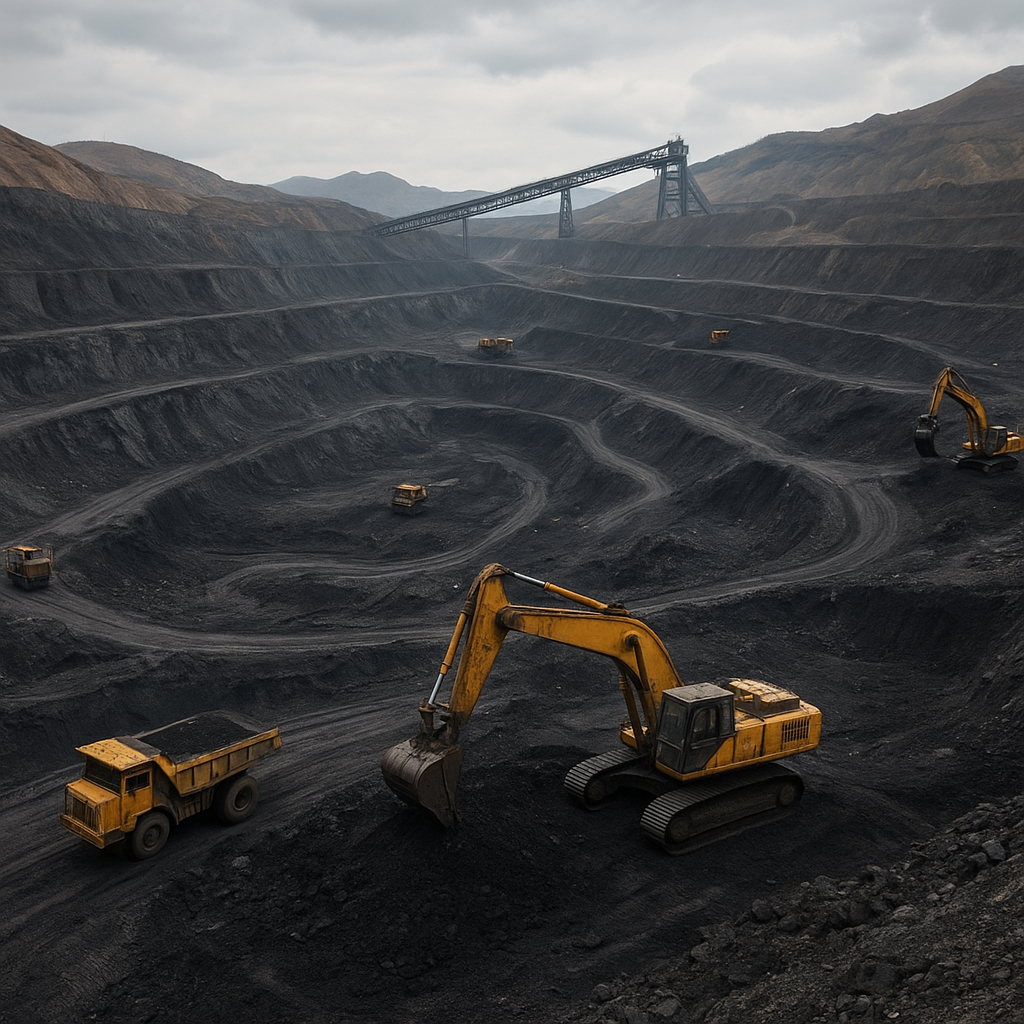
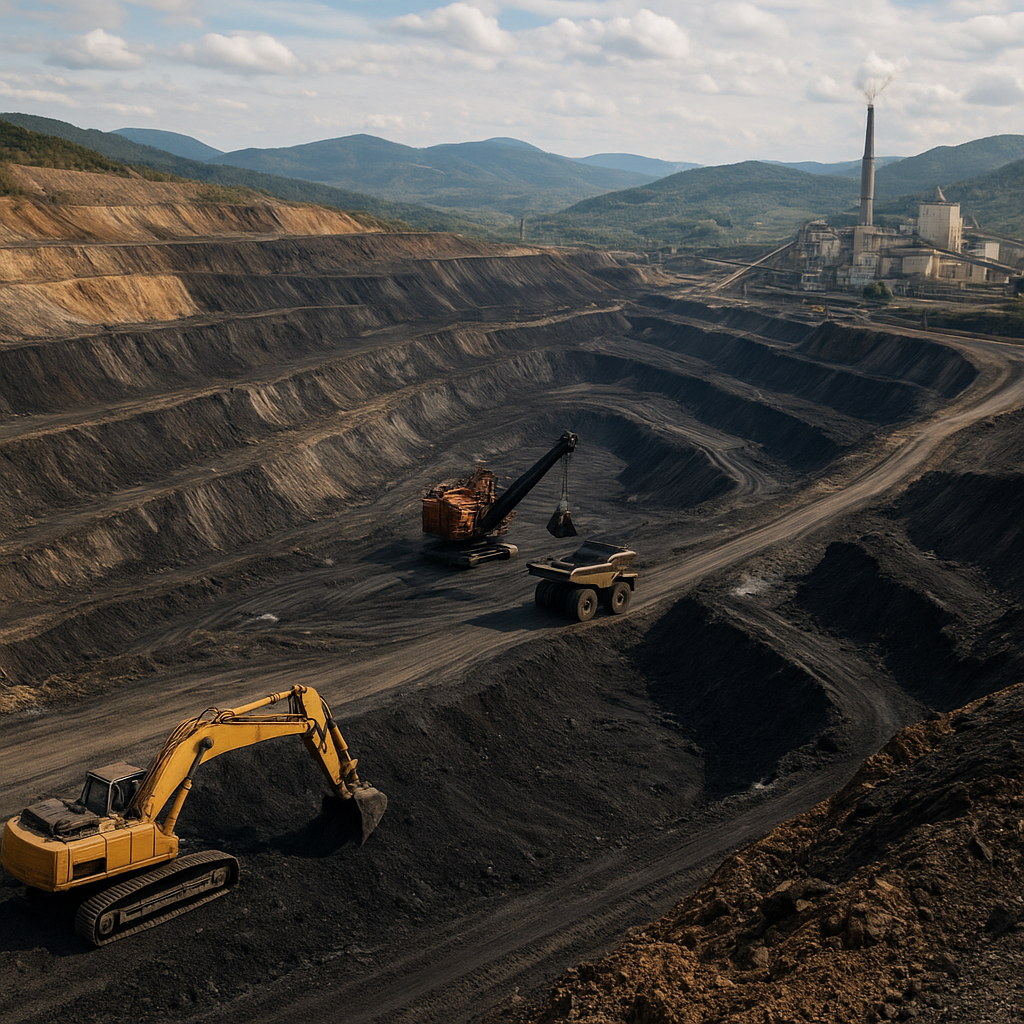
The Jayant coal mining complex is one of the notable mining operations in central India, located in the broader Singrauli coalfield region. This article explores the mine’s location, geological characteristics, production profile, economic importance, industrial linkages, environmental and social impacts, and prospects for the future. The aim is to give a comprehensive, balanced account of Jayant Mine’s role within India’s coal sector and the local economy while drawing on available statistical and contextual information where possible.
Location, ownership and historical background
Jayant Mine is situated in the Singrauli coalfield area of central India, a district widely known as India’s energy belt. The Singrauli region spans parts of the states of Madhya Pradesh and Uttar Pradesh and hosts multiple large coal mines and thermal power plants. Jayant is developed as an open-cast (surface) mining project and is operated by Northern Coalfields Limited (NCL), a subsidiary of Coal India Limited (CIL), India’s state-owned coal mining company.
The development of Jayant and neighboring mines accelerated in the latter half of the 20th century to meet rising domestic demand for coal to fuel thermal power generation and industrial expansion. Over the decades the mine expanded through successive mining plans, mechanization, and infrastructure investments to become an integral part of the regional coal-production matrix.
Geology, coal type and quality
The coal extracted at Jayant belongs to the Gondwana coal sequence typical of the central Indian coalfields. The coal is predominantly non-coking and primarily used for thermal power generation rather than metallurgical (coking) applications. Coal quality in the Singrauli region, including Jayant, is characterized by:
- Calorific value: generally in the low to medium range compared with premium international coals — typically around 2,800 to 4,500 kcal/kg depending on specific seams and beneficiation efforts (values are approximate and vary by seam and location).
- Ash content: relatively high compared with many imported coals; ash can range from moderate to high levels (commonly in the 20–40% range), which impacts thermal efficiency and necessitates ash-handling arrangements at power plants.
- Moisture and volatile matter: typical of sub-bituminous to bituminous grades found across many Indian coalfields, with moisture and volatiles contributing to combustion characteristics.
The geological reserves beneath Jayant are part of a larger reserve base in Singrauli. Publicly available project and company documents and regional mining summaries typically cite Jayant as having hundreds of millions of tonnes of in-situ reserves, although exact audited figures vary with periodic re-evaluation and are subject to mining recovery and stripping ratios.
Mining operations, technology and logistics
Jayant operates primarily as an open-pit mine employing mechanized mining methods. Key operational features include:
- Large-scale excavation using heavy equipment: hydraulic shovels, electric rope shovels, and mechanical excavators paired with dump trucks or conveyor systems to move overburden and coal.
- Use of draglines and surface miners in certain pockets, depending on seam geometry and economic considerations; modernization over time has introduced more automated and efficient equipment to increase productivity.
- Deployment of conveyor belts and dedicated rail or road links to transport coal to nearby thermal power plants and to railway sidings for dispatch to customers across India.
- On-site coal handling and crushing units along with beneficiation/washeries in some cases to improve coal quality for specific consumers.
Due to the proximity of multiple thermal power stations in Singrauli (often referred to as India’s “energy capital” because of its cluster of power projects), coal from Jayant is routed efficiently to large end-users. Dedicated rail spurs, road networks and conveyor systems reduce logistics costs and make the mine a reliable supplier for nearby power plants.
Production and statistical profile
Precise year-by-year production figures for Jayant vary with market demand, mine expansion schedules, and operational constraints. In the context of the Northern Coalfields portfolio, Jayant is generally considered a medium-to-large producing unit. Broad statistical points to consider:
- Installed capacity: Jayant’s nominal production capacity is commonly cited in the range of several million tonnes per annum (often reported as being around 10–15 million tonnes per annum in various planning documents and company disclosures, though actual annual output can fluctuate).
- Contribution to NCL and national output: as part of NCL, Jayant contributes a notable share of regional production; Northern Coalfields as a whole has historically produced tens of millions of tonnes annually, making it one of Coal India’s significant subsidiaries.
- Employment: the mine provides direct employment to several thousand workers including mine operators, engineers, and support staff, and supports many more indirect jobs across transportation, maintenance, and local services. Exact workforce figures change with mechanization levels and contracting arrangements.
- Dispatch and off-take: most of Jayant’s coal is consumed by thermal power plants in the Singrauli-Vindhyachal cluster and other industrial consumers; dispatch patterns reflect long-term fuel supply agreements and spot-market sales as required.
Nationally, coal remains the dominant fuel for electricity generation in India. In recent years coal-fired power plants have supplied roughly two-thirds to three-quarters of India’s electricity, making mines like Jayant strategically important for energy security. Coal India Limited (CIL) and its subsidiaries, including NCL, supply the bulk of the domestic thermal coal requirement, reducing import dependence for many consumers though India still imports quality-specific coals for blending and specific applications.
Economic and industrial significance
Jayant Mine’s importance has multiple dimensions:
- Energy security: By supplying coal to large thermal generating stations in the region and beyond, Jayant plays a role in stabilizing local and regional electricity supplies, which in turn supports industrial activity and household consumption.
- Regional economic engine: The mine is an important employer and purchaser of local services and goods, contributing to regional incomes and municipal revenues. Ancillary industries such as logistics, spare-part suppliers, and coal handling services also benefit.
- Fiscal contributions: Royalties, taxes, and statutory levies payable by the mine and its operator help generate revenue for state and central governments, and mining-related development charges often fund local infrastructure projects.
- Linkages with heavy industry: Thermal power plants, cement factories and other energy-intensive industries depend on coal supply chains; Jayant’s reliable supply reduces logistical risk for these consumers.
At the national level, operations like Jayant underpin India’s continuing reliance on indigenous coal production, which affects trade balances (by reducing coal imports), industrial competitiveness, and the pace of electrification in rural and urban areas. Coal’s low delivered cost relative to some alternatives also influences policy and investment decisions in the power sector.
Social impact, land and rehabilitation
Large open-cast mines require significant land and have long-term implications for local communities. Social aspects of Jayant’s operation include:
- Land acquisition and displacement: Expansion of mining areas historically involves transfer of agricultural and forest land. Affected communities may be resettled under statutory frameworks, with compensation and rehabilitation packages mandated by law and company policy.
- Livelihood shift: People who once depended on agriculture, forestry or small-scale trade often transition to wage labor in mines, transport, or services. This can increase cash incomes but may also disrupt traditional livelihoods.
- Corporate social responsibility (CSR): As part of government-owned mining companies, NCL and the operator at Jayant typically invest in local health care, education, drinking water schemes, electrification, and skill training under CSR and social upliftment programs.
- Community health and living conditions: Mining activity brings both improved infrastructure and environmental challenges; public health efforts are often needed to mitigate respiratory illnesses, water contamination risks and occupational hazards.
Environmental challenges and mitigation
Coal mining and coal-fired power are environmentally intensive activities. Jayant, like other large open-cast mines, faces several environmental challenges:
- Air quality: Dust generation from blasting, excavations, haul roads, and coal handling is a major issue. Fugitive dust and particulate emissions can affect communities and ecosystems. Mitigation measures include water spraying, covered conveyors, green belts and progressive reclamation.
- Water resources: Mining alters surface and groundwater regimes. Proper water management, sedimentation control, and treatment of mine discharge are essential to protect local water bodies and agricultural use.
- Land degradation and biodiversity loss: Large-scale excavation reshapes the landscape and affects local flora and fauna. Progressive rehabilitation, afforestation and creating water bodies in reclaimed pits are commonly used mitigation strategies.
- Greenhouse gas emissions: Coal mining releases methane and extracted coal contributes to CO2 emissions when burned in power plants. National policies aim to reduce emissions intensity by improving efficiency, methane capture, and transitioning certain energy demand toward lower-carbon sources over time.
Regulatory frameworks require environmental clearances, regular monitoring and environmental management plans. At operational level, measures such as mine-water recycling, mechanized dust suppression, and reclamation have been introduced, but enforcement and effectiveness vary across projects and time.
Health, safety and labor conditions
Safety is a major focus in mine operations. Modern open-cast mines like Jayant implement safety protocols, training and mechanization to reduce on-site accidents. Key health and safety considerations include:
- Strict adherence to mining safety regulations, overseen by agencies such as the Directorate General of Mines Safety (DGMS) in India.
- Use of personal protective equipment (PPE), controlled blasting techniques, slope stability management and dust-control practices.
- Regular medical screening, occupational health clinics and emergency response systems for workers and contractors.
- Training programs and community awareness campaigns to improve safety culture both among employees and local residents living near mining operations.
Local industry linkages and logistics network
Jayant’s coal is primarily destined for power plants and heavy industries in the Singrauli-Vindhyachal cluster and beyond. The mine benefits from:
- Proximity to large centralized thermal power stations, reducing transport costs and improving coal availability for base-load generation.
- Integration with national railway networks and dedicated sidings that facilitate bulk transportation to other regions when needed.
- Stimulus to local businesses: repair workshops, fuel services, construction firms, and suppliers of mining consumables and spares benefit from ongoing mining activity.
Regulatory framework and policy context
Coal mining in India operates within a layered policy and regulatory framework. Key elements relevant to Jayant include:
- Central government oversight through the Ministry of Coal and Coal India Limited for operational and strategic policies affecting production, pricing and allocations.
- Environmental clearances and compliance standards established by the Ministry of Environment, Forest and Climate Change and monitored by state pollution control boards.
- Land acquisition, rehabilitation and resettlement governed by national and state-level laws and guidelines, supplemented by corporate social commitments from mining companies.
- Market reforms: in recent years India introduced measures to encourage competition and efficiency in coal production and supply, including commercial coal mining licenses for private players; however, state-owned enterprises like Coal India and its subsidiaries continue to supply a large portion of domestic demand.
Future prospects and challenges
Jayant Mine’s future opportunities and pressures reflect wider trends in the Indian energy sector:
- Demand outlook: coal demand for power and industry is expected to remain substantial for at least the next decade in many scenarios, sustaining the operational relevance of mines like Jayant. However, growth rates may moderate as renewable energy capacity expands and efficiency measures reduce coal intensity.
- Efficiency and modernization: upgrading mining technology, improving coal-handling logistics and reducing losses can enhance productivity and environmental performance.
- Environmental constraints: stricter emission standards for power plants, carbon commitments and local environmental pressures will require better mitigation strategies, including ash utilization, mine rehabilitation and possibly methane management.
- Socio-economic balance: ensuring equitable outcomes for displaced communities and creating diversified local economies remains a priority to reduce social tension and dependency on single-industry livelihoods.
Interesting facts and broader context
Some notable points that place Jayant in a broader context:
- The Singrauli-Jayant complex exemplifies India’s strategy of using indigenous coal resources to power rapid industrialization and rural electrification.
- Clusters of mines and power plants in regions like Singrauli create economies of scale in logistics and supply security but also concentrate environmental pressures, making the region a focal point for debates on sustainable mining and energy transitions.
- Investment in mine rehabilitation and community development programs has the potential to transform mined landscapes into productive post-mining land uses, such as reservoirs, afforested zones or industrial parks.
Concluding observations
Jayant Mine is a significant component of India’s coal infrastructure: a mechanized open-cast operation supplying thermal coal to nearby power plants and contributing to regional employment, fiscal revenues and industrial activity. While it supports short- to medium-term energy security and local economies, Jayant also typifies the environmental and social trade-offs associated with large-scale coal mining. The mine’s future will likely involve a combination of continued production, modernization to improve efficiency and environmental performance, and ongoing social measures to support communities affected by mining. As India navigates its energy transition, operations at mines such as Jayant will remain important reference points in policy and planning discussions on balancing economic development with environmental sustainability.