The Integra Coal Mine in Australia represents one of many modern coal operations contributing to the country’s long-standing role as a leading global supplier of fossil fuels. This article reviews the mine’s geographic setting, the types of coal produced, operational characteristics, economic and statistical context, environmental and social implications, and the strategic significance of such operations within the broader Australian and international energy markets. Where precise, publicly available figures exist they are referenced; where detailed project-specific statistics are limited, the discussion is framed within the well-documented patterns of Australian coal mining to give a realistic picture of the mine’s likely role and impact.
Location, geology and mine setting
The Integra Coal Mine is situated in Australia’s rich coal-bearing provinces. Australian coalfields are predominantly found in the states of Queensland and New South Wales, with major basins such as the Bowen Basin, the Sydney Basin, the Gunnedah Basin, and parts of the Galilee Basin. These basins host extensive seams of Permian and Jurassic age coals. The Integra site, like many contemporary Australian operations, exploits sedimentary sequences formed in ancient coastal plains and deltaic environments, where plant material was buried and transformed into coal under heat and pressure over geological time.
Geologically, seams targeted by mines like Integra typically yield medium- to high-volatile bituminous coal and sometimes higher-rank semi-anthracite or coking-quality material depending on burial depth and thermal maturation. The coal seams are often accessed by large-scale open-cut (surface) mining, though some deposits require underground methods where seams are deeper or environmental constraints limit surface disturbance.
Coal types and quality
Coal mined at operations similar to Integra generally falls into two main commercial classes: thermal coal, used for electricity generation and industrial heat, and metallurgical (coking) coal, used in steelmaking. The exact quality—measured by parameters such as calorific value (MJ/kg), ash content (%), moisture (%), sulfur (%), and coking properties—determines market destination and price.
- Thermal coal: Lower-cost power-station feedstock with acceptable calorific value and controlled sulfur and ash to meet generator specifications.
- Metallurgical coal: Higher-value product used by blast furnaces and coke ovens; premium grades command significantly higher prices.
Australian coal is internationally renowned for its generally high quality. Many mines produce coal with low sulfur and favorable ash characteristics, making it competitive in Asian and global markets. Integra, depending on seam characteristics and beneficiation processes implemented on site, may produce one or both of these coal types or blends tailored to customers.
Mining methods and infrastructure
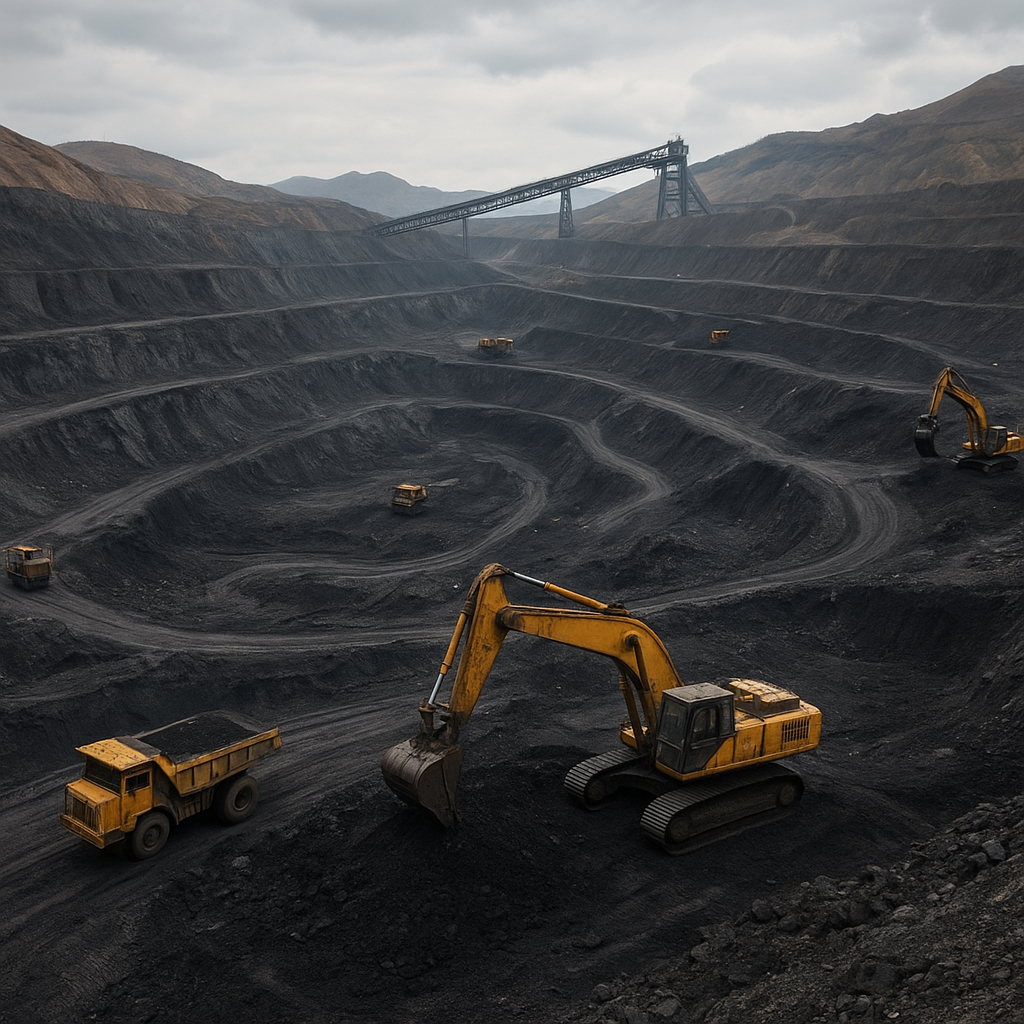
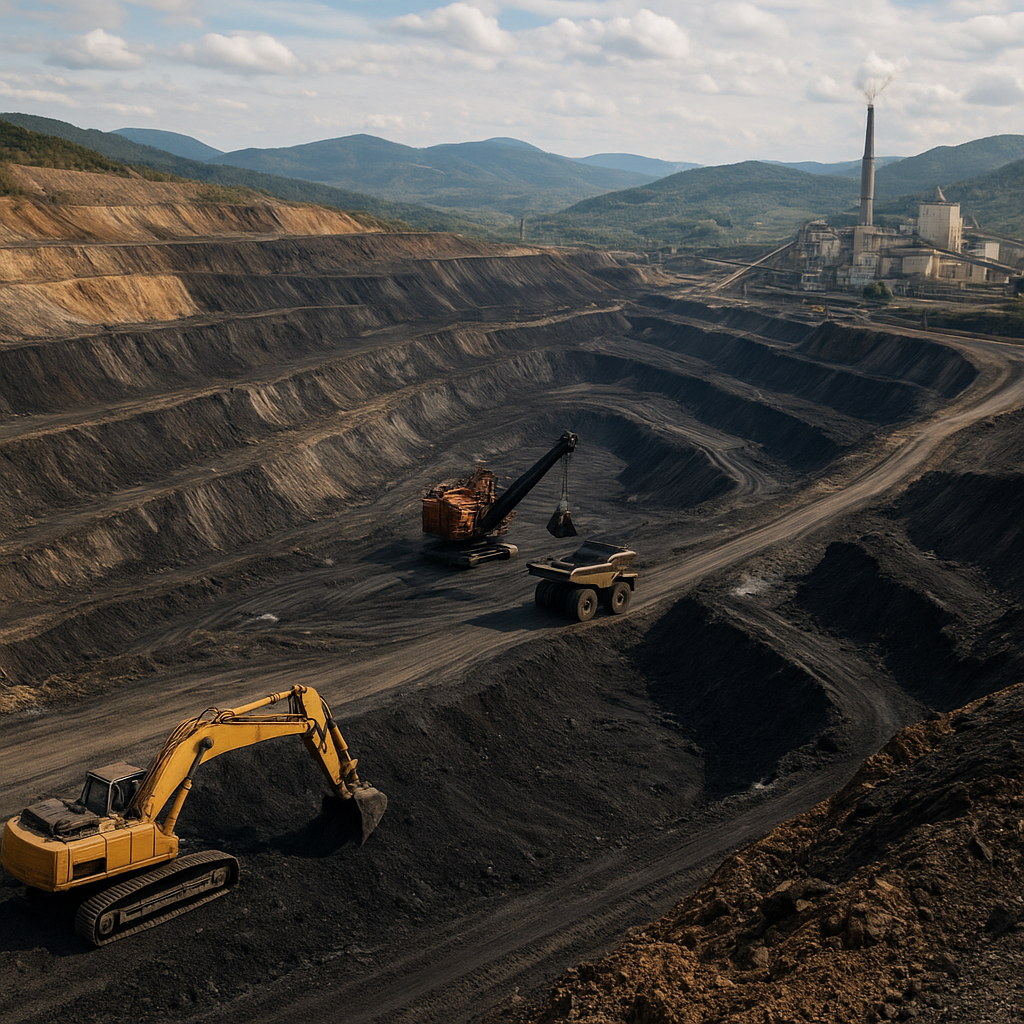
Large-scale Australian mines combine heavy earthmoving equipment, haul trucks, draglines, and in some cases longwall or bord-and-pillar underground systems. Typical features at Integra-like sites include:
- Open-cut benches with progressive rehabilitation of mined-out areas.
- Processing facilities such as coal washers, screens and stockyards to improve product quality and reduce ash.
- On-site laboratories and quality control testing to ensure product specification compliance.
- Logistics links—rail corridors and port access—to export terminals (e.g., Gladstone, Newcastle, Hay Point) enabling shipment to Asia, Europe, and other markets.
Modern mines also invest in automation (remote-controlled haulage), digital monitoring, and greenhouse gas management strategies to increase efficiency and reduce operational risk. Water management—both for process needs and to control sediment/runoff—is a major component of mine infrastructure planning.
Economic and statistical context
The economic footprint of a coal mine like Integra extends well beyond extraction. Direct and indirect effects include employment, regional development, royalties, export earnings, and contributions to state and federal budgets.
At the national level, Australia is one of the world’s largest coal exporters. Over recent decades, the country has exported in the order of hundreds of millions of tonnes of coal annually, split between thermal and metallurgical grades. These exports generate significant foreign exchange, support maritime and rail industries, and underpin supply chains in major coal-importing nations.
For a single mine of substantial size, typical statistical indicators might include:
- Annual production: ranging from a few million tonnes to tens of millions of tonnes depending on mine scale and life-of-mine plans.
- Employment: direct workforce numbers often range from several hundred to a few thousand employees and contractors, with broader regional employment multipliers.
- Reserves and resources: measured in millions to hundreds of millions of tonnes, classified according to industry standards (Measured, Indicated, Inferred; Proven and Probable reserves where reporting standards require).
- Royalty and tax contributions: dependent on state royalty regimes and company profitability.
Specific to Integra, precise up-to-date statistics—such as exact annual production, remaining mine life in years, and measured reserves—depend on the operator’s public reporting and state approvals. Where available, company annual reports and government mineral resources datasets provide definitive figures. In absence of immediate authoritative figures, it is reasonable to consider that a mid-sized Australian coal operation would target a multi-million tonne per year output with a mine life planned across multiple decades.
Market role and export destinations
Australian coal mines serve a global market. Key export destinations for Australian thermal and metallurgical coal include Japan, South Korea, China, India, Taiwan, and various countries in Southeast Asia. Metallurgical coal also flows to steelmakers worldwide, including in Europe and the Americas. Price drivers include global steel demand, electricity generation patterns, gas prices, and policy developments related to climate change.
Producers such as Integra must manage contractual relationships with trading houses, utilities, and industrial customers. Long-term contracts provide revenue stability, while spot-market sales allow producers to capitalize on price spikes.
Employment, regional development and social impacts
Coal mines are often among the largest employers in regional communities. Direct jobs at a mine are complemented by employment in logistics, maintenance, professional services, and supply chain businesses. Positive regional impacts include improved local infrastructure, investment in community programs, and increased business for local suppliers.
However, social impacts can also include:
- Pressure on local housing and services due to workforce influx.
- Community concerns about noise, dust, and traffic.
- Indigenous heritage considerations and the need for consultation and benefit-sharing.
Modern mine approvals require social impact assessments, community consultation, and mitigation programs. Mines often commit to community investments—education, health, and local business development—to share benefits and support long-term sustainability of the host region.
Environmental management, rehabilitation and climate considerations
Environmental management is central to the licensing and operation of any contemporary coal mine. Key environmental aspects include:
- Water management: ensuring protection of surface and groundwater, controlling runoff and seepage, and managing process water.
- Air quality: dust suppression, monitoring of particulate emissions, and control of combustion sources on site.
- Biodiversity: measures to avoid, minimize and offset impacts on native vegetation and wildlife corridors.
- Progressive rehabilitation: restoring landforms, re-establishing topsoil, and revegetating with appropriate native species.
Climate policy presents a strategic challenge for coal producers. While demand for metallurgical coal tied to steelmaking is expected to persist for years, thermal coal faces structural decline in many markets due to decarbonization policies and competition from gas and renewables. Mines respond by improving their greenhouse gas intensity through energy efficiency, methane capture in underground workings, and, increasingly, reporting scope 1 and scope 2 emissions in line with investor expectations.
Regulatory framework and approvals
Australian coal mines operate under a complex mix of federal and state regulations. Key approval steps include environmental impact assessments, native title and cultural heritage agreements where applicable, water licensing, and mine safety certification. Regulatory regimes also dictate rehabilitation bonds and ongoing compliance monitoring.
Operators must manage stakeholder expectations—from local communities and indigenous groups to investors and international customers—while complying with progressive tightening of environmental standards and disclosure requirements.
Safety, technology and operational innovation
Safety is a top priority in Australian mining. Both surface and underground operations adhere to rigorous standards to minimize accidents and ensure worker health. Innovations that enhance safety and productivity include remote operation of heavy equipment, real-time monitoring of equipment health, use of drones for site inspections and surveys, and digital twins for operational planning.
Other technological trends relevant to mines like Integra are automation of hauling fleets, predictive maintenance via machine learning, and improvements in coal processing technologies to extract higher-value product from raw run-of-mine material.
Economic resilience and market risks
Coal operations face cyclical market risks. Prices for thermal and metallurgical coal can be volatile, influenced by global economic growth, steel demand, energy policies, and supply disruptions. Currency fluctuations, freight rates, and changes in import demand from major buyers all affect a mine’s profitability.
Project-level risks include operational incidents, cost overruns, permitting delays, and community opposition. Conversely, mines with strong logistics links, low-cost extraction methods, and high-quality coal can remain competitive even as markets evolve.
Notable statistics and indicators (contextual)
While company-specific numbers for Integra vary by source and reporting period, several contextual statistics help situate the mine within the national picture:
- Australia’s annual coal exports historically have ranged in the low hundreds of millions of tonnes across thermal and metallurgical categories; this market size underpins many individual mine operations.
- Typical mid-to-large Australian thermal or metallurgical mines target annual production rates of several million tonnes; some major operations exceed 20 million tonnes per year.
- Direct employment at such sites commonly ranges from several hundred to a few thousand people, with additional indirect jobs created in supply chains.
For exact, up-to-date statistics specific to the Integra Coal Mine—such as current annual production, proven reserves, workforce size, and financial results—it is best to consult the mine operator’s latest annual or quarterly reports and relevant state government mineral resources publications.
Strategic importance and future outlook
Integra, like comparable Australian coal mines, plays a role in global commodity supply chains and regional economies. In the near to medium term, metallurgical coal is expected to retain demand due to steelmaking needs, while thermal coal will face progressively tighter markets in many regions due to decarbonization trajectories.
Strategic responses by mines include diversifying product mix toward higher-quality coking coals, improving efficiency to lower production costs and emissions intensity, and investing in rehabilitation and community programs to build social license. Some coal companies are also exploring diversification into low-emission ventures and minerals relevant to energy transition technologies.
Interesting operational and historical notes
Coal mines in Australia often feature notable engineering achievements such as large dragline operations that move millions of cubic meters of overburden, complex rail-to-port logistics chains that coordinate thousands of loaded wagons, and rehabilitation projects that have successfully re-established native vegetation and productive land uses. Individual sites may also have histories of phased expansions, technological upgrades, and changes of ownership as markets evolve.
Integra may likewise reflect a story of exploration success, staged development, and adaptation to market demands—transitioning seam-level knowledge into an economically viable operation that integrates environmental management and community relations.
Concluding perspective
The Integra Coal Mine illustrates the multifaceted nature of modern coal operations in Australia: valuable mineral resources, significant economic contribution, complex environmental stewardship responsibilities, and exposure to an evolving global market shaped by energy transition policies. While site-specific numbers and projections are best sourced from the operator and regulators, the broader picture shows that such mines remain impactful to regional development and international commodity supply chains. In the years ahead, their role will be defined by how effectively they balance operational efficiency, environmental management, community engagement, and strategic adaptation to changing energy markets.