The ongoing Ukraine Conflict has rippled through global energy markets, thrusting the coal sector into a spotlight rarely seen in recent decades. As nations scramble to secure reliable power supplies, traditional notions of coal trade and storage have been challenged by shifting alliances, transport bottlenecks and evolving policy priorities. This article explores how these dynamics are reshaping coal flows, influencing coal stock management and prompting stakeholders to rethink long-term strategies for this cornerstone of industrial energy.
Impact on Global Coal Trade Shifts
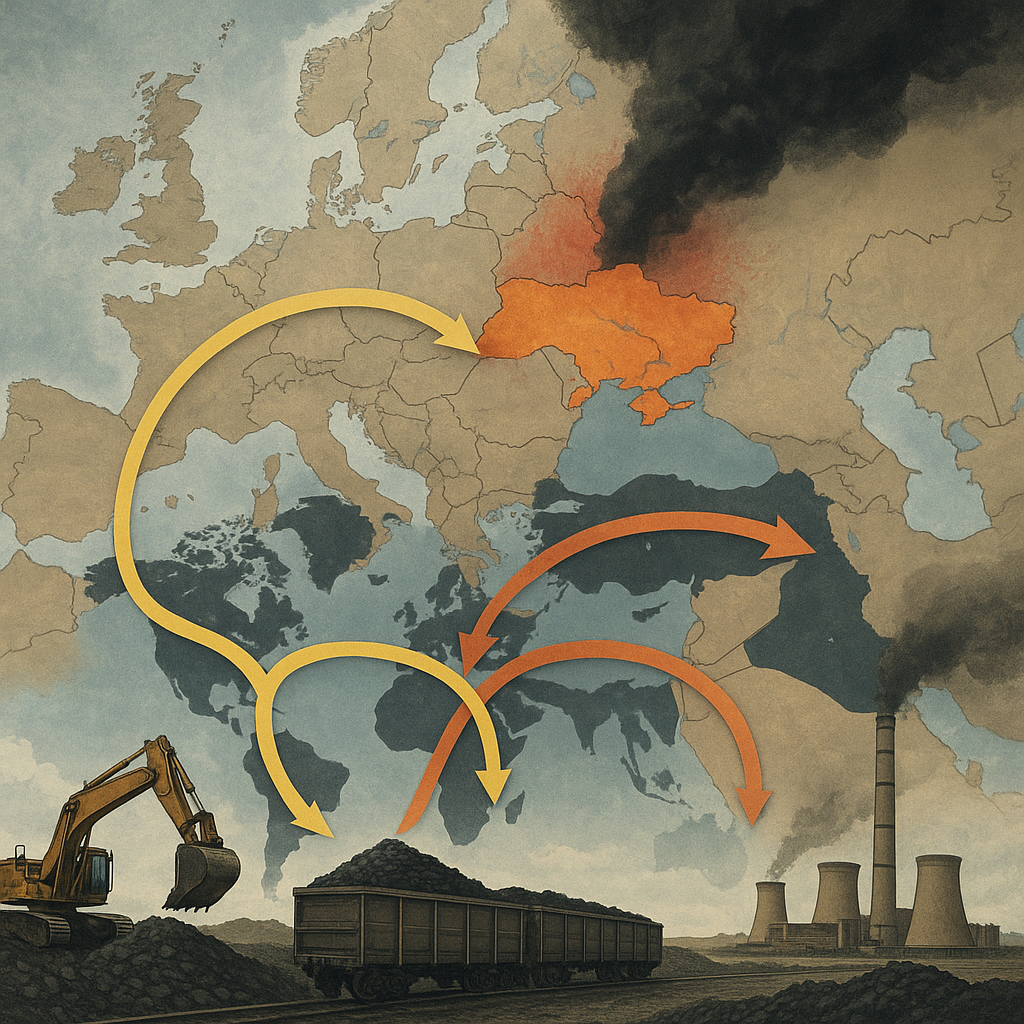
With major European nations imposing sanctions on Russian fossil fuels, the scramble for alternative suppliers has intensified. Russia, a leading coal exporter, traditionally served markets in Europe and Asia. Now, buyers are seeking new sources in Australia, South Africa and Colombia, prompting a profound realignment in shipping routes and contract structures.
Supply Realignments and Price Pressures
- Supply diversification has become paramount as importers cut ties with sanctioned exporters.
- Freight costs have surged due to longer sea journeys and congested port operations in major coal hubs.
- Spot market prices display heightened market volatility, complicating procurement and budget forecasts.
These developments mean that coal-consuming nations must manage unpredictable price swings while ensuring uninterrupted deliveries. In some cases, importers have negotiated shorter-term contracts at premium rates to secure critical shipments, abandoning the long-term arrangements that once provided stability.
Infrastructure and Logistics Challenges
Transportation arteries across Eurasia and maritime lanes have encountered fresh obstacles. Transit through the Baltic and Black Seas now involves rerouting to avoid geopolitical flashpoints, stretching delivery times. Inland rail corridors from Australia through Southeast Asia are operating at near capacity, forcing exporters to explore alternate routes via South America or the Pacific Northwest.
- Port expansions in Australia and South Africa aim to alleviate resilience issues but face environmental and community opposition.
- Rail and barge systems in India and Vietnam have increased throughput to capitalize on new demand from Europe.
- Insurance premiums for coal shipments through conflict-affected areas have doubled, raising overall logistics costs.
Economic Implications for Coal Stock Management
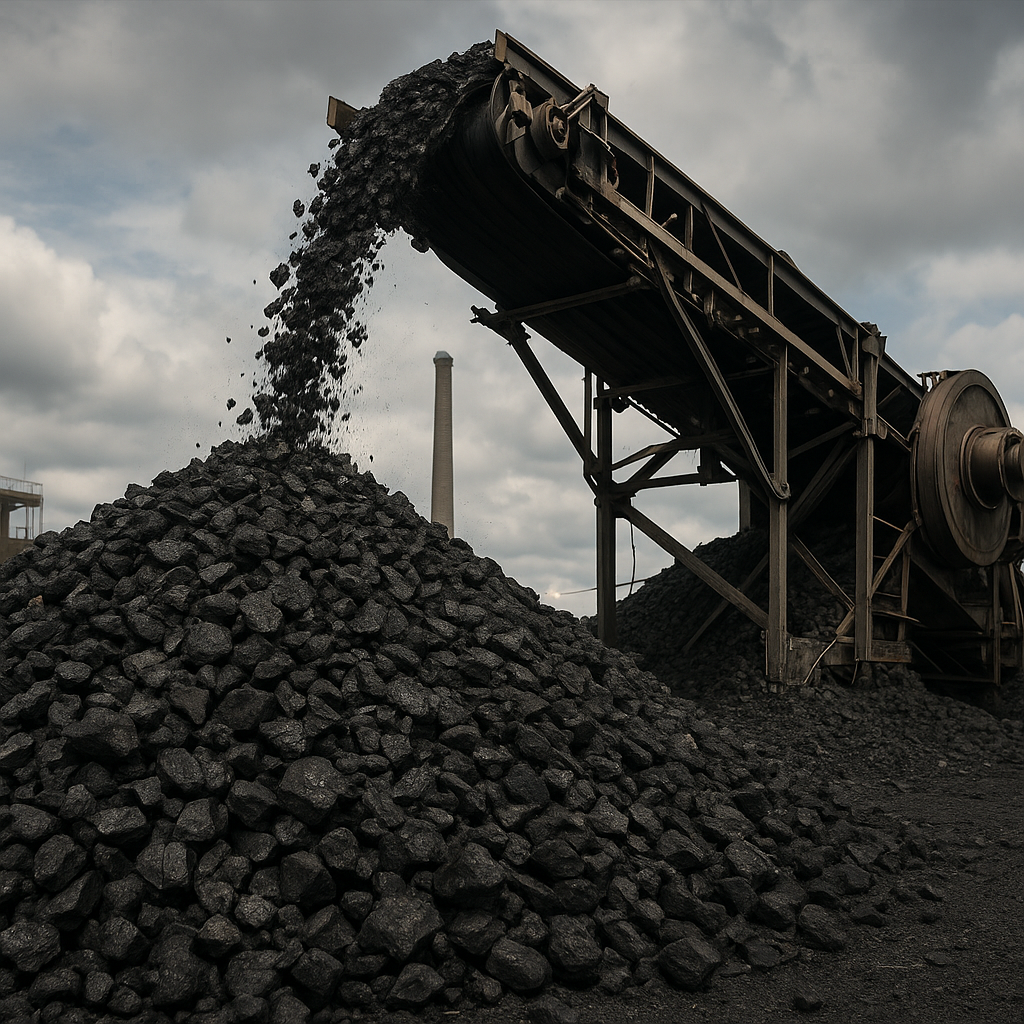
Amid trade realignments, traders and utilities are reevaluating coal stocks held at onshore facilities. Maintaining adequate reserves has become more critical than ever as geopolitical risks cast doubt on future supply continuity.
Strategic Stockpiling and Risk Mitigation
- Governments in the European Union and Asia have established strategic reserves to shield power plants from acute shortages.
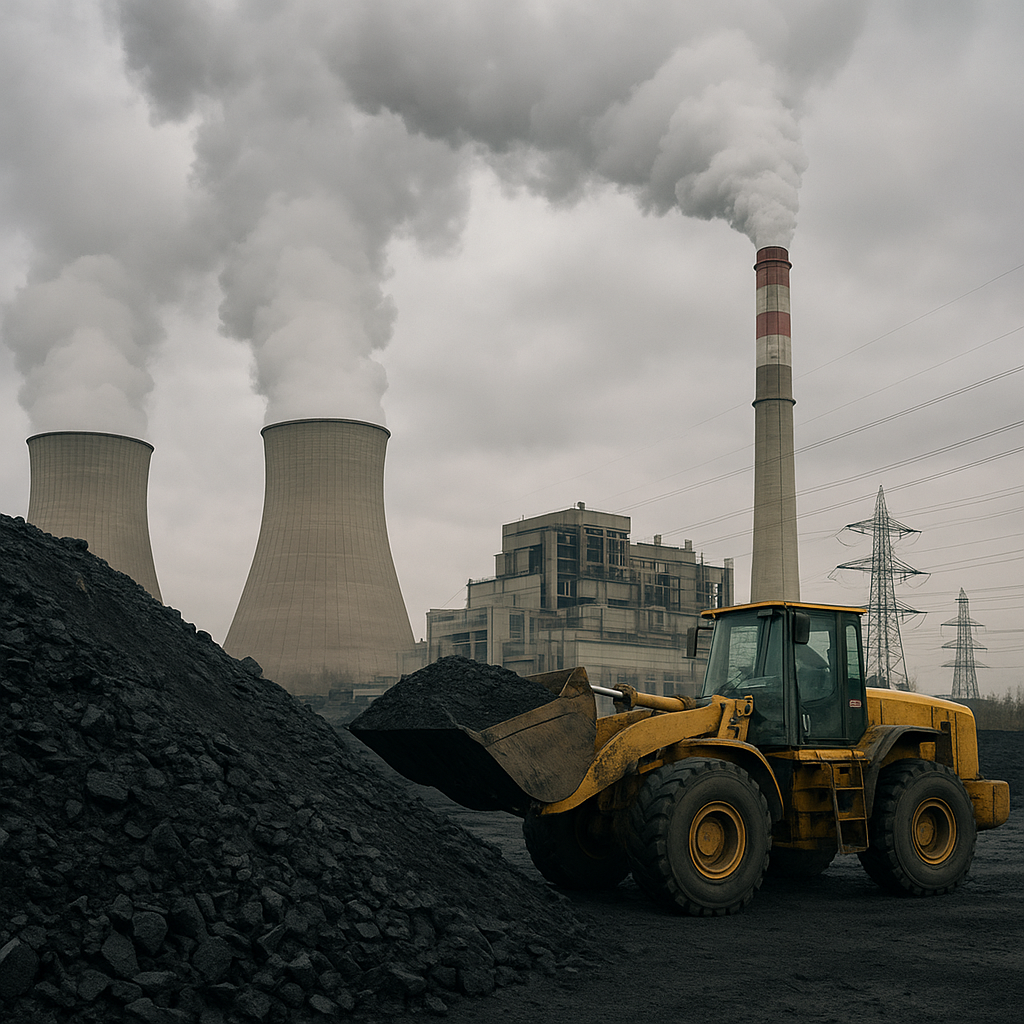
- Private utilities are expanding storage yards, converting idle land into stockpile sites that can sustain operations for several months.
- Collateralized financing options for stockpiled coal have emerged, enabling firms to free up investment capital while keeping reserves intact.
Although increased inventories offer a buffer against supply shocks, they tie up working capital and incur additional handling and storage expenses. Firms must weigh these costs against the potential penalties or forced shutdowns associated with depleted coal bunkers.
Valuation and Trading of Coal Stocks
The heightened demand for reliable reserves has spurred innovation in how coal stocks are priced and traded. New financial instruments link physical stockpiles with derivative contracts, allowing market participants to hedge against price fluctuations more efficiently. These developments mirror practices seen in oil and natural gas markets but remain relatively nascent in the coal sector.
- Infrastructure for transparent stock reporting is evolving, with blockchain pilot projects tracking inventory levels and shipment origins.
- Commodity exchanges are introducing spot and forward contracts tied to regional coal grades, improving price discovery.
- Credit agencies are revising risk assessments to account for elevated storage costs and diversification benefits.
By facilitating real-time visibility into physical coal supplies, these mechanisms reduce exposure to sudden market swings. However, they require robust data collection and verification processes to prevent disputes over quality, grade and location.
Future Outlook and Environmental Considerations
The collision of geopolitical upheaval and energy security concerns is both a challenge and an opportunity for the coal industry. As policymakers weigh short-term needs against long-term sustainability goals, the role of coal in the global energy mix is under intense scrutiny.
Transition Strategies and Emission Targets
- Several countries have extended the operational life of existing coal-fired plants, delaying planned retirements to avoid blackouts.
- Carbon capture and storage (CCS) projects are receiving fresh support as a means of reducing emissions from high-priority coal assets.
- Coal-to-liquids and coal-to-chemicals technologies are being revisited as pathways to diversify revenue streams.
While these initiatives aim to balance energy security with climate commitments, they must overcome cost barriers and regulatory hurdles. Adding CCS systems increases capital and operating expenses, potentially eroding the competitive edge of coal compared to renewable alternatives.
Long-Term Market Prospects
The global appetite for coal may gradually wane as renewable energy capacity expands and battery storage technology matures. Yet, in the near term, coal remains a cornerstone of power generation in many regions. Stakeholders will need to adapt by:
- Investing in cleaner coal technologies to enhance efficiency and reduce environmental impact.
- Developing regional coal hubs that optimize logistics and minimize transit risks.
- Formulating policy frameworks that encourage a measured phase-down of coal without jeopardizing energy security.
These strategies, combined with vigilant management of coal stocks and agile supply chains, will determine whether the industry can navigate this period of upheaval and emerge with a sustainable, resilient model for the future.