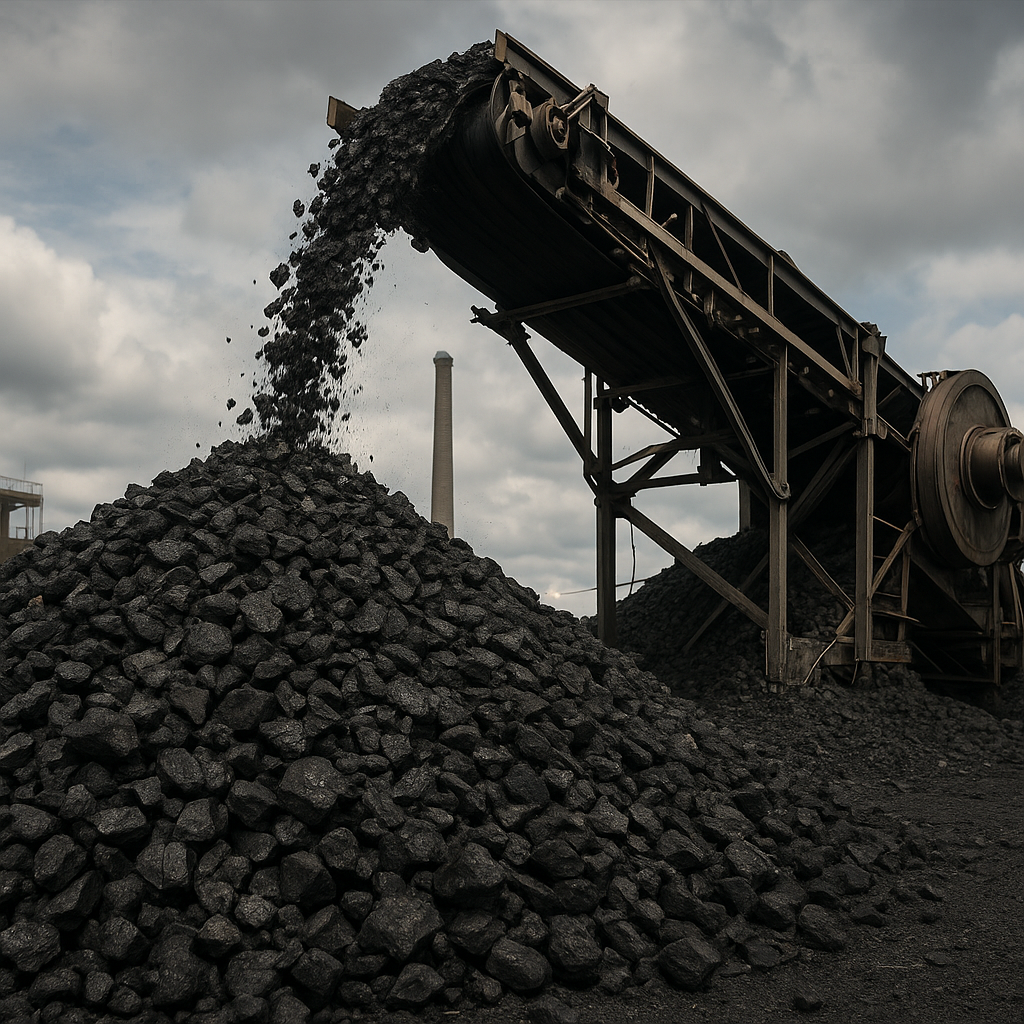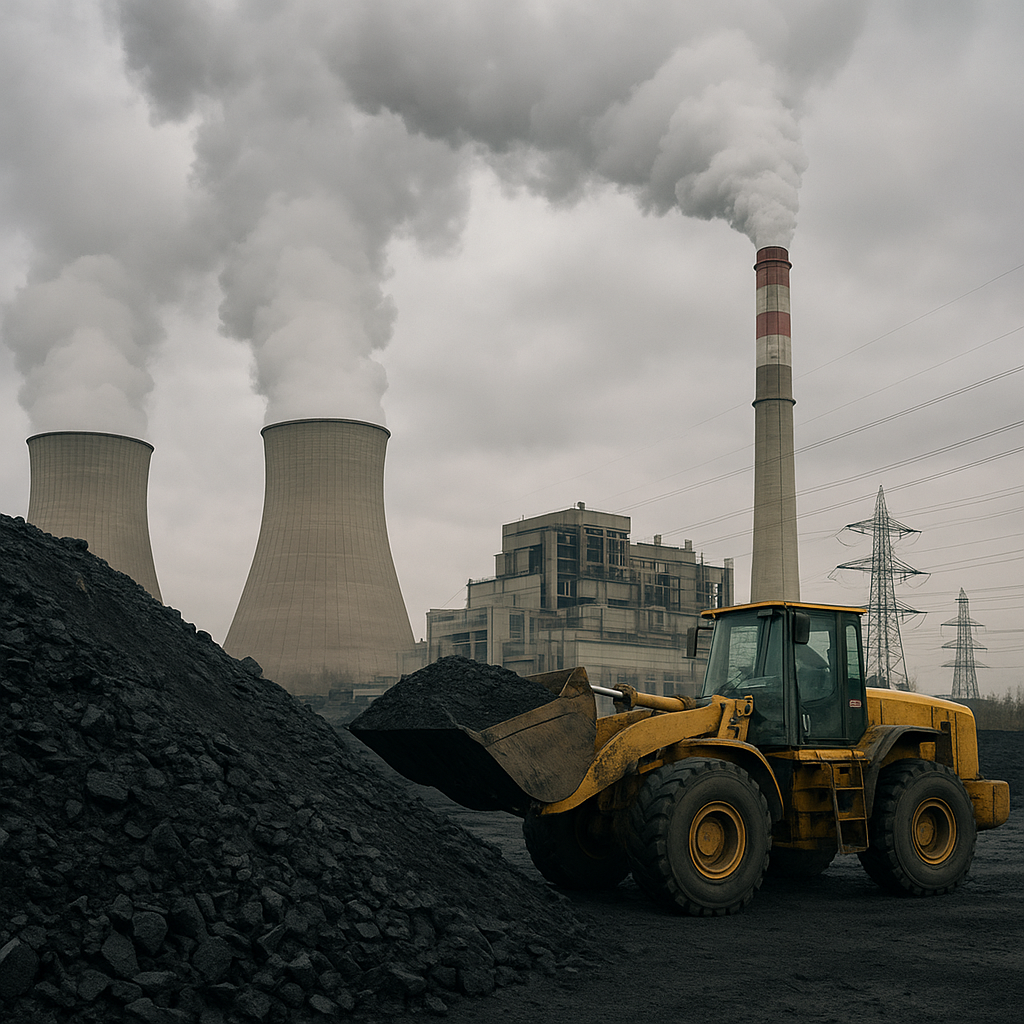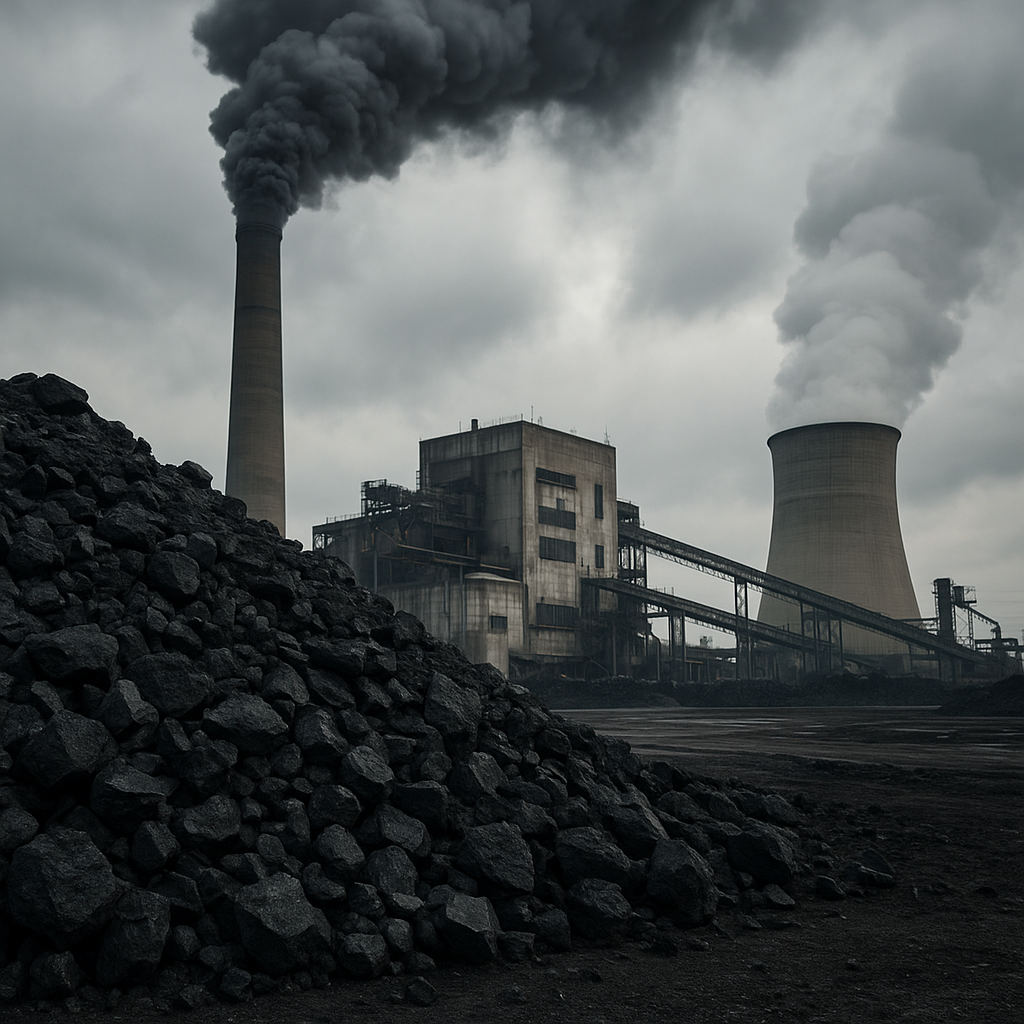
Since the onset of the global energy crisis, coal has emerged from the shadows of history, regaining prominence as a primary source of electricity generation and industrial heat. This resurgence has had profound implications for energy markets, investment portfolios, and environmental policies worldwide. Analysts, investors, and policymakers are scrutinizing the drivers behind this revival and evaluating how coal-related stocks and infrastructure investments are reshaping the path toward a sustainable energy future.
Factors Driving Renewed Coal Demand
The spike in coal consumption is largely rooted in persistent supply chain disruptions, soaring fuel prices, and geopolitical tensions that have undermined the reliability of natural gas and oil supplies. Key factors include:
- Supply Constraints: Liquefied natural gas (LNG) shortages and pipeline bottlenecks have left utilities scrambling for reliable alternatives. Coal mining operations in major exporters faced logistical hurdles, pushing prices upward and incentivizing increased production.
- Record Prices: European natural gas prices reached unprecedented levels in late 2021 and early 2022, creating a cost arbitrage that made coal-fired power generation more economically attractive in many regions.
- Geopolitical Risks: Conflicts and sanctions affecting oil- and gas-producing nations have prompted energy-importing countries to diversify their supply mix. Coal, with its widespread global availability, has been a fallback option for maintaining grid stability.
- Seasonal Demand: Extreme weather events—such as a colder-than-expected winter in Asia and hotter summers in North America—drove spikes in electricity consumption, compelling utilities to tap into coal reserves to meet peak loads.
Analysis of Coal Stocks and Investment Trends
Investors have been closely monitoring coal-centric equities, mining companies, and related infrastructure firms to gauge potential returns amidst the tightening of global energy markets. The following dynamics have shaped coal stock performance:
1. Share Price Volatility
- Major coal producers witnessed sharp rallies in their share prices as quarterly earnings surpassed expectations driven by high selling prices.
- Periods of profit-taking and policy uncertainties sparked bouts of volatility, with some firms experiencing swings of over 20% within a few weeks.
2. Capital Expenditures and M&A Activity
To capitalize on robust demand, coal miners expanded their investment programs:
- Drilling and exploration budgets increased in coal-rich regions of Australia, Indonesia, South Africa, and Mongolia.
- Mergers and acquisitions gained momentum as vertically integrated energy players sought to secure upstream supplies and strengthen their market positioning.
- Divestitures also took place, with some diversified conglomerates selling off coal assets to focus on lower-carbon ventures, thereby reallocating capital to clean energy projects.
3. Dividend Policies and Shareholder Returns
Many coal companies, buoyed by record cash flows, reinstated or increased dividend payouts. This shift enticed yield-seeking investors who view coal equities as a hedge against inflationary pressures affecting broader markets.
Environmental Challenges and Policy Responses
While coal’s resurgence has provided short-term relief for power deficits, it has also reignited debates over emissions and climate commitments. Policymakers face mounting pressure to balance energy security with environmental stewardship.
Regulatory Measures
- Some governments have introduced temporary emissions trading allowances to accommodate higher coal usage without derailing long-term carbon targets.
- Subsidies for coal-fired plants in emerging economies have been extended, albeit with conditional mandates to retrofit facilities with carbon capture technologies.
- International financial institutions are increasingly reluctant to fund unabated coal projects, directing lending toward renewables and transitional solutions.
Carbon Pricing and Market Incentives
Implementing stringent carbon pricing—the cornerstone of many climate strategies—remains contentious. Higher carbon costs can deter excessive coal burning, but they also risk exacerbating consumer energy bills. Some regions have adopted tiered pricing or revenue-neutral carbon taxes to mitigate economic impacts.
Technological Innovations and the Quest for Sustainability
In response to environmental concerns, industry players are investing in cutting-edge technologies to reduce coal’s carbon footprint and improve operational efficiency.
1. Carbon Capture, Utilization, and Storage (CCUS)
CCUS projects have seen a resurgence as governments offer incentives for pilot demonstrations. Strategic sites near depleted oilfields are earmarked for CO₂ sequestration, while research into mineralization techniques promises permanent carbon locking.
2. High-Efficiency, Low-Emission (HELE) Plants
Upgrading existing coal-fired power stations to HELE standards can increase thermal efficiency by up to 15%, translating to significant reductions in CO₂ per megawatt-hour generated.
3. Integration with Renewables
Mixing variable renewable sources with coal-fired baseload capacity has emerged as a transitional model. Smart grid management and energy storage systems help utilities ramp down coal units during periods of high solar or wind output, enhancing overall system flexibility.
The Path Forward: Balancing Security, Transition, and Innovation
The global energy landscape is at a crossroads. While the current energy crisis has rekindled coal’s role in power supply, the long-term trajectory remains aimed at decarbonization. Stakeholders must navigate a complex interplay of market forces, regulatory frameworks, and technological breakthroughs.
- Supply Chain Resilience: Strengthening logistics, diversifying sourcing, and investing in port and rail infrastructure will help stabilize coal markets and prevent future disruptions.
- Financial Discipline: Major financiers and institutional investors are increasingly integrating environmental, social, and governance (ESG) criteria into their coal exposure decisions.
- Community Engagement: Coal-dependent regions require transition strategies, including workforce retraining programs and economic diversification initiatives, to mitigate social impacts.
- Policy Coherence: Clear, consistent roadmaps for phasing down coal while supporting clean energy deployment can reduce investment uncertainties and guide infrastructure planning.
As the world grapples with the dual imperatives of ensuring reliable energy supplies and meeting climate goals, coal’s renaissance underscores the urgent need for pragmatic solutions. By leveraging technological advances, recalibrating market incentives, and aligning policy frameworks, it is possible to reconcile short-term energy demands with the overarching pursuit of a low-carbon future.