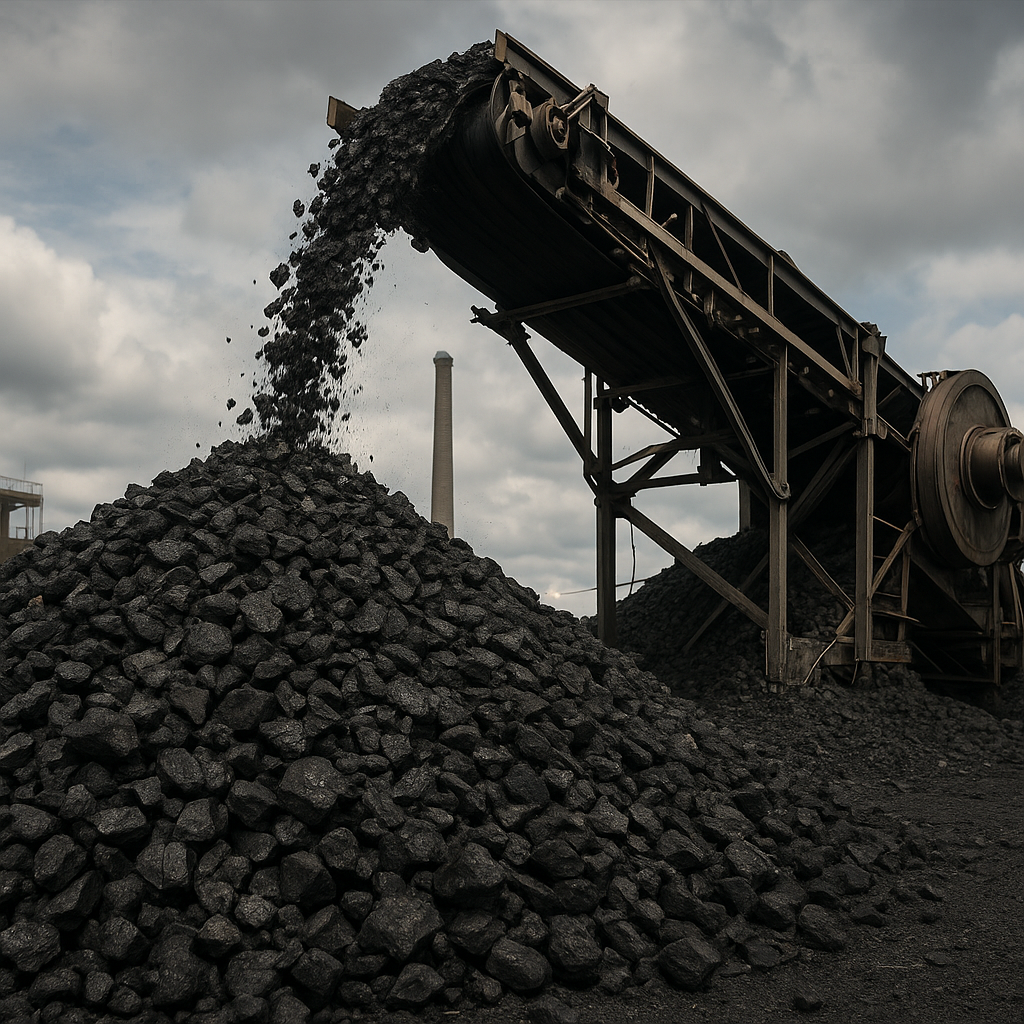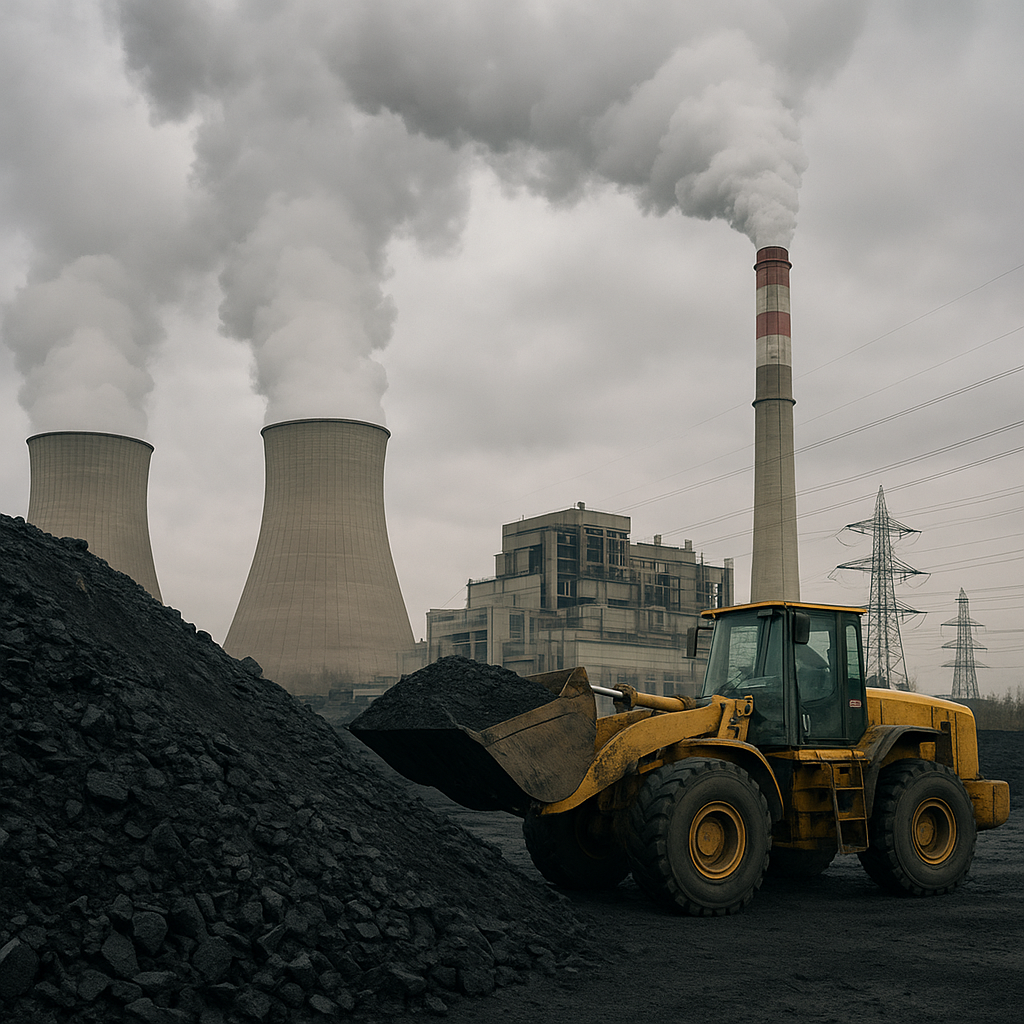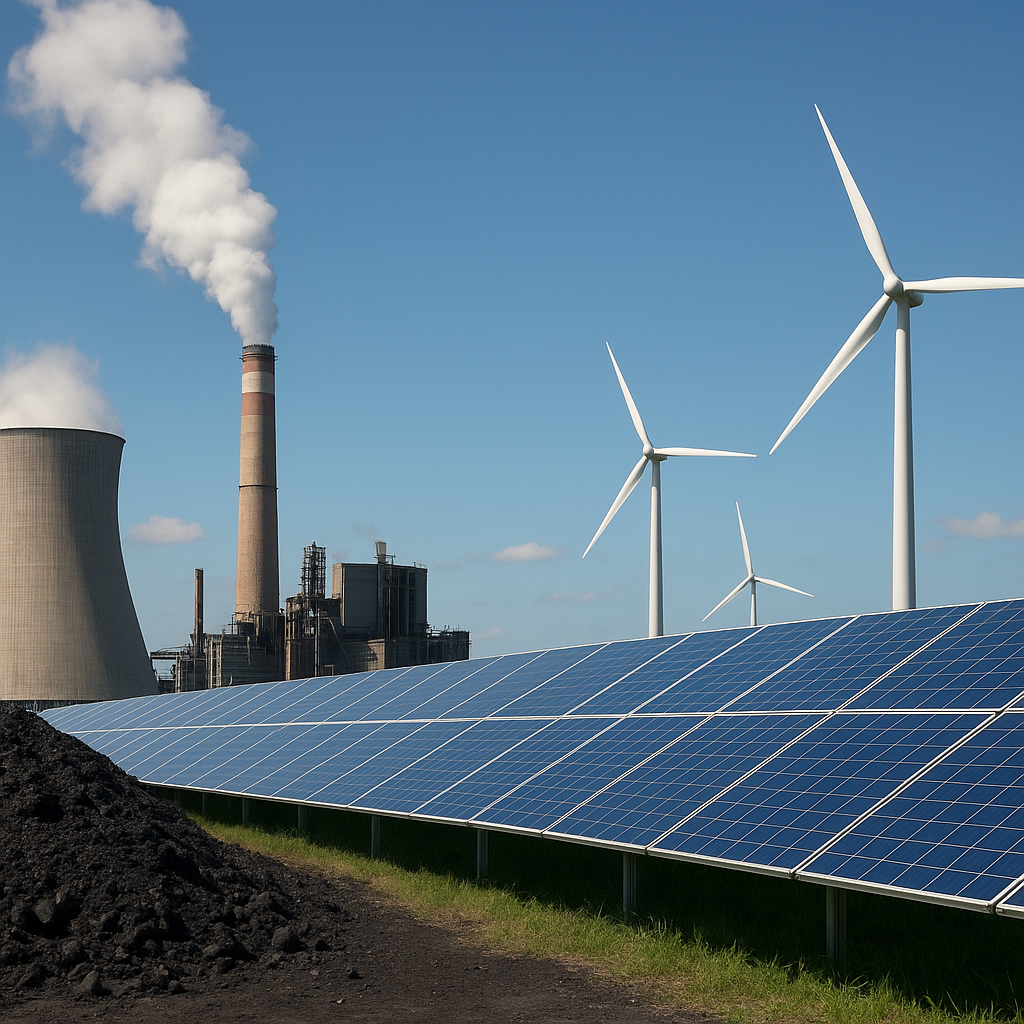
The gradual shift away from coal marks a pivotal moment in the global energy landscape. As nations strive for climate goals, they must confront the complexities of winding down one of the most entrenched sources of power. Governments are navigating supply chain challenges, negotiating with industry stakeholders, and crafting legal frameworks—all while balancing economic stability and environmental responsibility. This article examines the multifaceted aspects of coal, coal stock management, and the strategies deployed to ensure a just and effective transition.
Global Trends in Coal Use and Stockpiles
Coal remains a major contributor to electricity generation, especially in emerging economies. Yet, mounting pressure to reduce emissions has reshaped its trajectory. Governments have adopted varied approaches to manage their national coal stockpiles and regulate supply.
Production and Consumption Patterns
- Asia-Pacific: Rapid industrialization drives coal demand, but recent policies aim to curb new mine approvals.
- Europe: A steady decline in coal-fired plants, with many countries pledging full phase-outs by 2030.
- North America: Regulatory uncertainty under different administrations has led to fluctuating production levels.
While coal production peaked in many regions during the early 2010s, government incentives for renewable energy have begun to alter market dynamics. Strategic investment in alternative sources is reducing reliance on coal-fired stations.
Policy Frameworks for a Coal Exit
Effective policy design is crucial for scaling down coal without jeopardizing energy security. Legislators deploy a mix of regulatory, financial, and social instruments.
Carbon Pricing and Emissions Trading
- Cap-and-trade systems set a firm limit on CO2 output, creating economic incentives to reduce usage.
- Carbon taxes impose a direct cost per tonne of emissions, pushing utilities toward cleaner options.
Subsidy Reforms and Financial Mechanisms
- Phasing out coal subsidies frees public funds for grid modernization and infrastructure upgrades.
- Green bonds and special financing facilities enable municipal and private operators to invest in low-carbon technology.
Some countries have introduced just transition funds to retrain workers and support affected communities. By aligning economic incentives with environmental targets, policymakers aim to minimize social disruption.
Economic and Social Impacts on Coal-Dependent Regions
The closure of coal mines and power plants reverberates through local economies. Addressing job losses and industrial decline requires proactive strategies.
Employment and Retraining Programs
- Vocational training centers focus on skills for solar, wind, and battery storage sectors.
- Wage insurance and relocation assistance help workers transition to new industries.
Community-Led Revitalization
- Local governments partner with NGOs to develop alternative tourism, agriculture, or tech hubs.
- Public-private partnerships drive investment in community-owned renewable projects.
Researchers emphasize that a successful exit pathway must integrate social dialogue, ensuring that those most affected have a voice in planning. By combining financial support and inclusive governance, regions can reinvent their economic identity beyond coal.
Innovations and Investments Shaping the Future
Technological breakthroughs and strategic capital deployment are accelerating the decline of coal. Governments play a catalytic role in fostering research and development.
Advanced Carbon Capture and Storage
- Next-generation capture units can remove over 90% of CO2 from flue gas streams.
- Subsurface storage sites are being evaluated under strict environmental guidelines.
Grid Integration and Storage Solutions
- Large-scale battery installations smooth out intermittent supply from renewable energy sources.
- Smart grid technologies optimize demand-side management, reducing peak coal-based generation.
Moreover, international climate finance mechanisms enable developing nations to leapfrog directly to cleaner alternatives, bypassing the high-carbon pathway. The interplay of technology, policy support, and global cooperation is key to phasing out coal while maintaining reliable power systems.