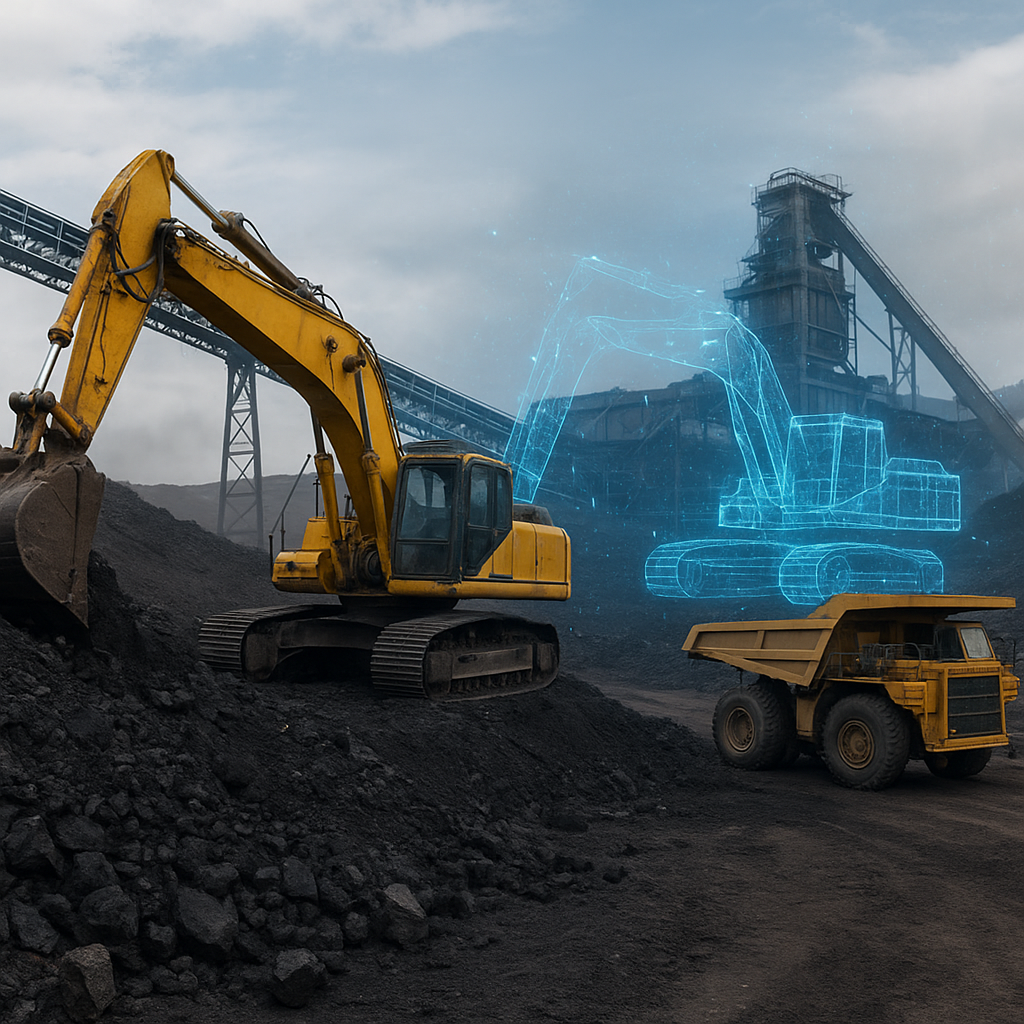
The integration of digital twins into coal operations marks a turning point for an industry historically rooted in traditional extraction and stockpiling processes. By creating a virtual twin of physical coal assets—ranging from mine shafts to storage yards—companies can deploy advanced analytics, control systems, and remote monitoring to deliver transformative results. This in-depth exploration examines how these technologies elevate optimization, streamline inventory management, and foster sustainability efforts across coal supply chains.
The Rise of Digital Twins in Coal Operations
Over the past decade, rapid advancements in sensors, cloud computing, and connectivity have made it feasible to generate highly accurate virtual replicas of complex industrial systems. Coal mining and handling facilities, once reliant on manual inspections and periodic audits, now benefit from real-time data streams that feed into 3D models and simulation platforms.
- High-resolution LiDAR scans of mine galleries enable precise mapping of geological features and potential hazards.
- IoT-enabled load cells fitted on conveyors continuously measure tonnage and flow rates.
- Drone photogrammetry delivers aerial imagery for thermal mapping of stockpiles, identifying hotspots caused by spontaneous combustion risks.
With these data inputs, operators can run advanced simulation scenarios and make informed decisions, reducing downtime and improving resource allocation.
Enhancing Coal Stock Management
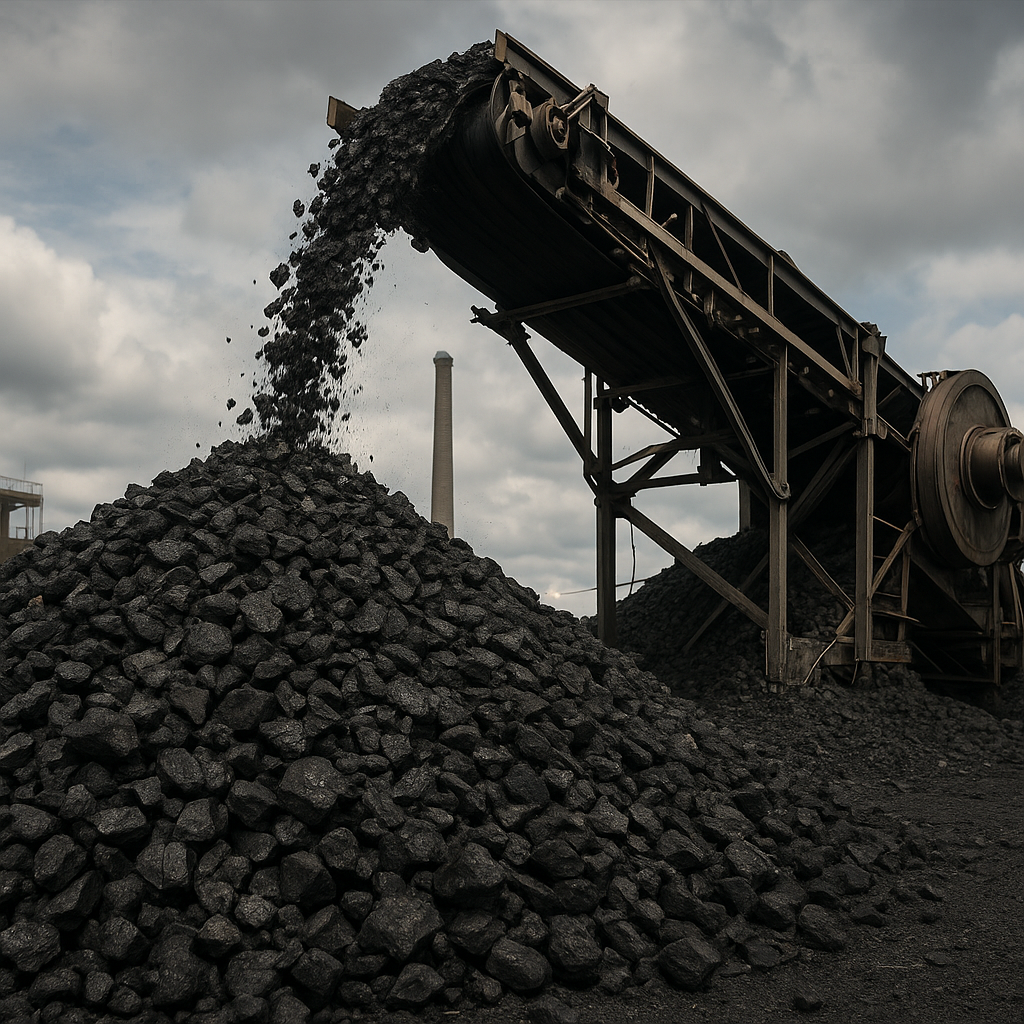
Effective management of coal stockpiles is critical for meeting market demand, ensuring quality control, and minimizing losses due to weathering or theft. Traditional practices often suffer from inaccuracies in volumetric estimation and logistical bottlenecks.
Accurate Volumetric Tracking
By deploying a maintenance-centric digital twin, site managers can continuously assess stockpile volumes. Optical sensors and radar-based scanners feed updates to a central model, enabling:
- Precise measurement of each stockpile’s dimensions, down to centimeters.
- Automated alerts when volumes approach storage capacity limits.
- Integration with enterprise resource planning (ERP) systems to adjust procurement and shipment schedules.
Quality Assurance and Blending Optimization
Coal quality varies based on seam depth, mineral content, and particle size. A digital twin enriched with real-time assay data allows operators to:
- Tag incoming loads with geolocation and chemical analysis.
- Plan blending strategies that target specific calorific values and sulfur contents.
- Reduce waste by matching batch compositions to customer requirements more accurately than manual sampling.
Operational Efficiency and Safety Improvements
Safety is paramount in the coal industry, where underground collapses, gas outbursts, and heavy machinery incidents can have catastrophic consequences. Digital twins serve as an indispensable tool for hazard identification and process efficiency enhancements.
Predictive Analytics for Equipment Health
Coal handling plants rely on crushers, conveyors, and stacker-reclaimers that undergo immense stress. IoT sensors capture vibration, temperature, and lubrication data, forming the basis of predictive maintenance programs. Advantages include:
- Early detection of bearing wear or misalignment in conveyor pulleys.
- Scheduling repairs during planned downtimes, rather than emergency shutdowns.
- Extending the lifespan of critical assets and reducing spare parts inventories.
Enhanced Emergency Response Planning
Digital twins can simulate worst-case scenarios, such as methane accumulation or water ingress. Emergency teams use these simulations to refine evacuation routes, ventilation strategies, and rescue protocols. The outcome is a safer work environment supported by virtual drills that mimic real-world conditions without exposing personnel to risk.
Integrating Automation and Data-Driven Decision Making
Automation is at the core of the modernized coal operation. Autonomous drills, driverless haul trucks, and robotic stacker-reclaimers are all controlled through digital twin interfaces. This level of integration empowers managers to allocate resources dynamically based on demand predictions and operational constraints.
- Machine learning algorithms forecast equipment usage and optimize task scheduling.
- Adaptive control systems adjust conveyor speeds to match train departure windows.
- Remote operations centers consolidate data feeds, enabling single-pane-of-glass monitoring of multiple sites.
Such automated workflows reduce human error, accelerate response times, and enhance overall logistical throughput.
Future Trends in Coal Industry Transformation
As environmental regulations tighten and market pressures shift towards cleaner energy sources, the coal sector must innovate to remain viable. The continued evolution of digital twins promises to deliver:
- Advanced emission monitoring integrated with carbon capture systems.
- Blockchain-enabled supply chain transparency, verifying coal origin and compliance.
- Hybrid energy portfolios where coal assets interface with renewable grid stabilization services.
Investment in digital infrastructures not only improves day-to-day operations but also paves the way for a more resilient, sustainability-focused future.