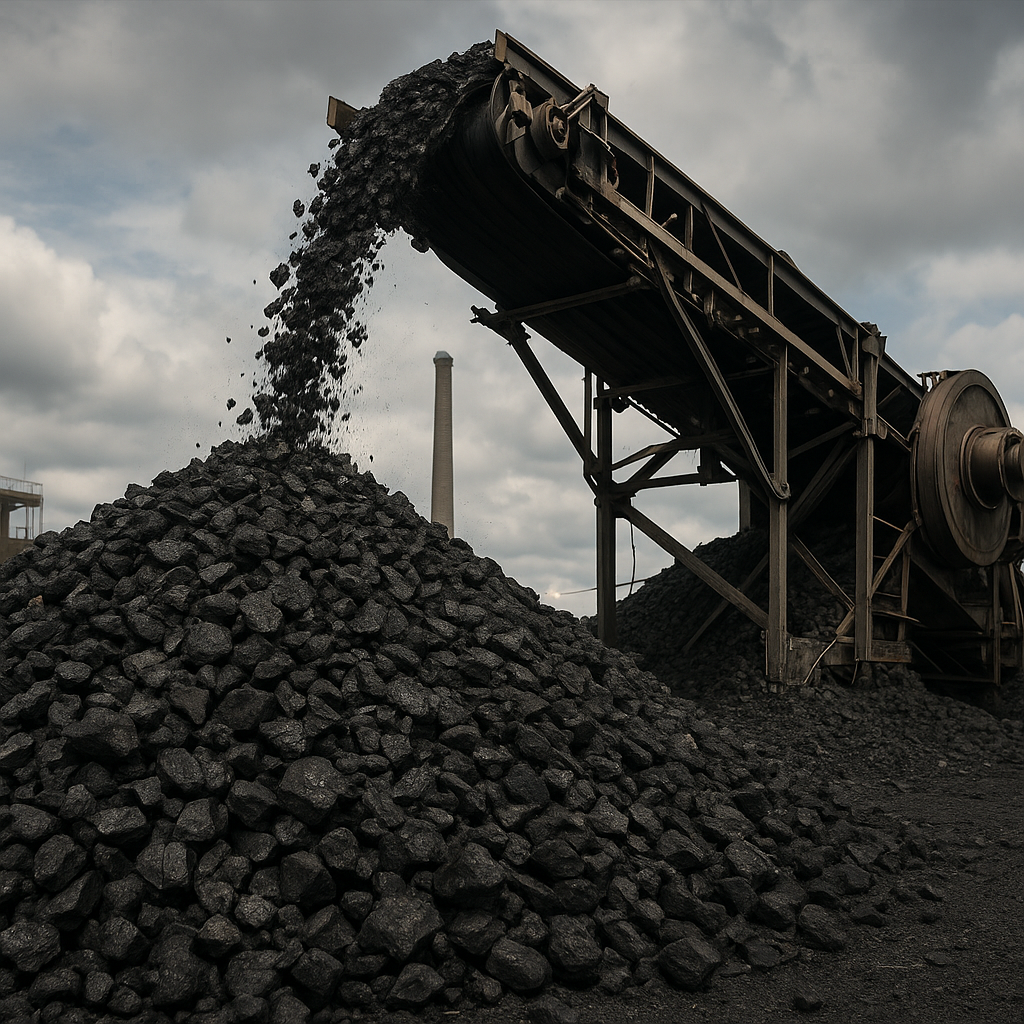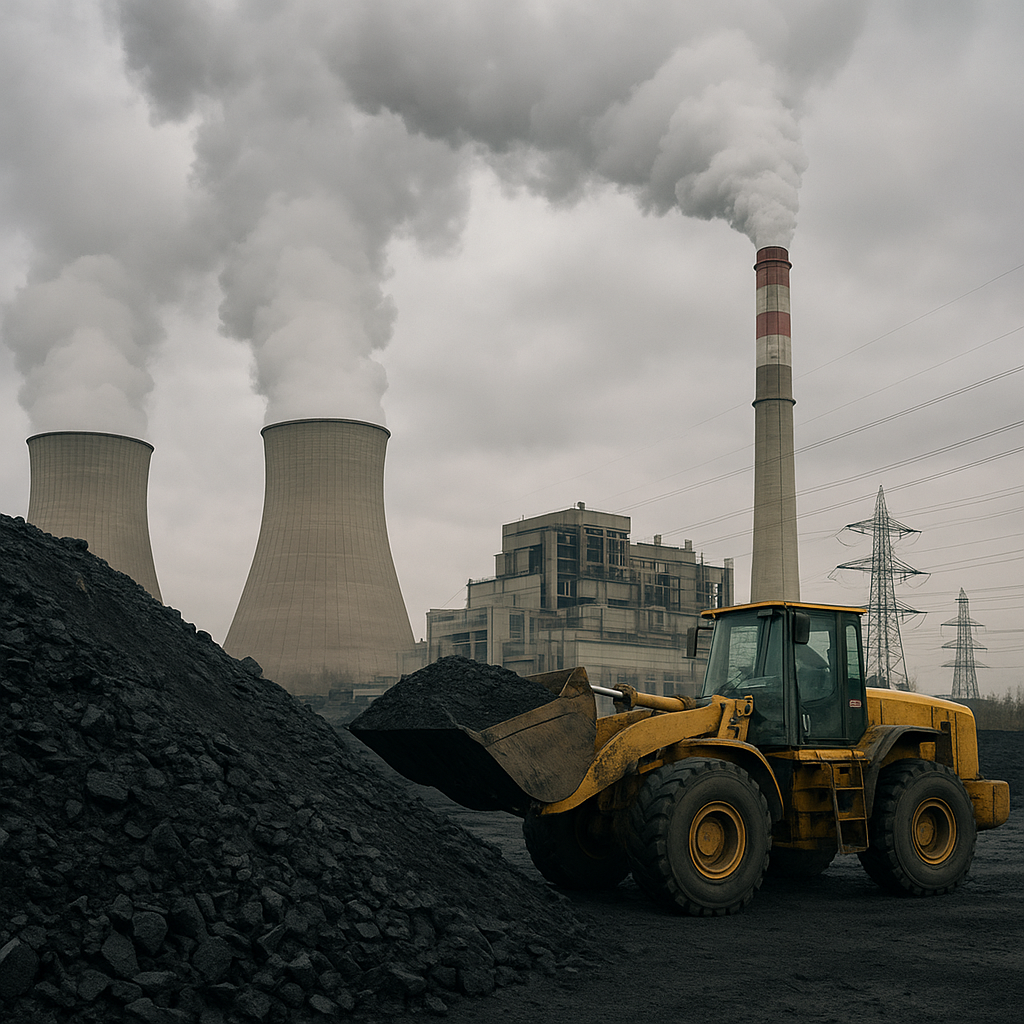
The enduring relevance of coal in powering heavy industries and emerging digital ventures reveals a complex interplay between traditional energy sources and modern technologies. While global attention shifts towards renewable alternatives, the coal industry continues to adapt, innovate, and find fresh outlets for its energy output. From stock market performance to the burgeoning demand driven by high-intensity cryptocurrency networks, coal remains at the heart of debates on sustainability, policy and profitability.
Energy Landscape of Coal in the Digital Age
The global energy mix is experiencing a gradual but uneven transition. Despite ambitious targets for wind, solar and hydroelectric capacity, coal still fuels nearly 37 percent of the world’s electricity generation. Many regions see coal plants as indispensable for reliable baseload power due to the fuel’s high energy density and established infrastructure. Major findings include:
- Reliability: Coal-fired plants can operate continuously for months, offering grid stability during peak demand.
- Flexibility: Advanced combustion technologies enable rapid ramp-up and ramp-down to balance intermittent renewables.
- Export Markets: Countries rich in reserves export millions of tons annually, influencing global price benchmarks.
Regional Hotspots
- East Asia, led by China and India, accounts for more than half of global coal consumption.
- Eastern Europe maintains coal reliance for both heat and power.
- Emerging mining ventures in Africa and Latin America seek to capitalize on untapped deposits.
Coal Stocks and Market Dynamics
Investors keep a close eye on companies that operate mines, trading platforms that specialize in coal derivatives and utilities with a heavy coal portfolio. The performance of coal stocks often reflects geopolitical tensions, regulatory shifts and fuel price volatility. Key factors shaping market outlook:
- Regulatory Pressure: Stricter emissions targets can erode profit margins for coal operators.
- Commodity Prices: Coal prices track with oil and natural gas benchmarks, influenced by demand cycles.
- Technological Upgrades: Firms investing in carbon capture and efficient boilers may secure favorable credit ratings.
Investment Strategies
- Value-oriented funds seek undervalued coal assets poised for rebound in emerging markets.
- Green bonds and sustainability-linked loans pressure companies to adopt cleaner technologies.
- Hedging through futures contracts helps firms protect against sudden emissions charges or carbon taxes.
Environmental and Regulatory Challenges
The environmental footprint of coal extraction and combustion is a central challenge. The sector faces mounting scrutiny over contributions to air pollution, water contamination and greenhouse gas emissions. Policymakers respond with carbon pricing, phase-out schedules and performance standards. Important considerations include:
- Carbon Capture and Storage (CCS): Projects aim to trap CO2 before it enters the atmosphere, though high costs delay widespread deployment.
- Mine Reclamation: Regulations require companies to restore ecosystems after operations end, increasing operational expenses.
- Emissions Trading Systems: Cap-and-trade mechanisms compel heavy polluters to purchase allowances for every ton of CO2 emitted.
Social and Health Impacts
- Respiratory illnesses in communities near coal-fired plants drive advocacy for cleaner air standards.
- Worker safety protocols evolve to reduce mining accidents and occupational hazards.
- Public opposition and legal challenges can delay new coal infrastructure.
Coal and Cryptocurrency Mining
High-performance mining rigs fuel intensive computations to verify blockchain transactions. The thirst for cheap, abundant power places traditional coal plants under fresh demand, particularly in regions where renewable grid capacity is insufficient or inconsistent.
- Cost Efficiency: Coal plants often offer lower industrial electricity tariffs compared to gas or diesel alternatives.
- 24/7 Availability: Mining operations require nonstop supply to maximize hash rates and profitability.
- Location Proximity: Mineside power stations reduce transmission losses, enticing miners to set up adjacent data centers.
Case Studies
- Inner Mongolia and Xinjiang (China): Large-scale facilities tap coal-fed grids to host mining farms.
- Central Appalachia (USA): Some data centers repurpose retired mines’ infrastructure to cut energy costs.
- Kazakhstan: Rapid growth in crypto rigs has forced authorities to ration coal power and impose new tariffs.
Technological Advances in Coal Utilization
Cutting-edge developments promise to revitalize the industry by enhancing efficiency and reducing pollutants. Key innovations garnering attention:
- Ultra-Supercritical Boilers: Operate at higher temperatures and pressures, increasing thermal efficiency.
- Automation and AI: Predictive maintenance reduces downtime and extends equipment life.
- Hybrid Plants: Integrate coal with biomass or hydrogen to lower carbon intensity per megawatt-hour.
Future Outlook
Adoption of next-generation systems depends on regulatory incentives, upfront capital availability and long-term fuel price stability. Even as national strategies pivot, coal’s adaptability ensures it remains a contender in the global energy arena, especially where energy security is paramount.
Implications for Stakeholders
From investors to policymakers, understanding the nuanced role of coal in modern power and digital infrastructures is crucial:
- Companies must balance short-term profits from coal-driven crypto mining against the reputational risks of high carbon footprints.
- Governments can implement targeted subsidies or carbon levies to steer the sector toward cleaner practices.
- Communities and NGOs continue to advocate for renewable transitions to safeguard public health and environmental quality.
Conclusion
The fusion of a centuries-old fuel with cutting-edge blockchain networks underscores coal’s enduring versatility. While clean energy ambitions shape long-term trajectories, the immediate synergy between coal-fired electricity and cryptocurrency mining illustrates how traditional and digital economies intersect. Navigating this evolving landscape demands holistic strategies that reconcile profitability, environmental stewardship and energy reliability.