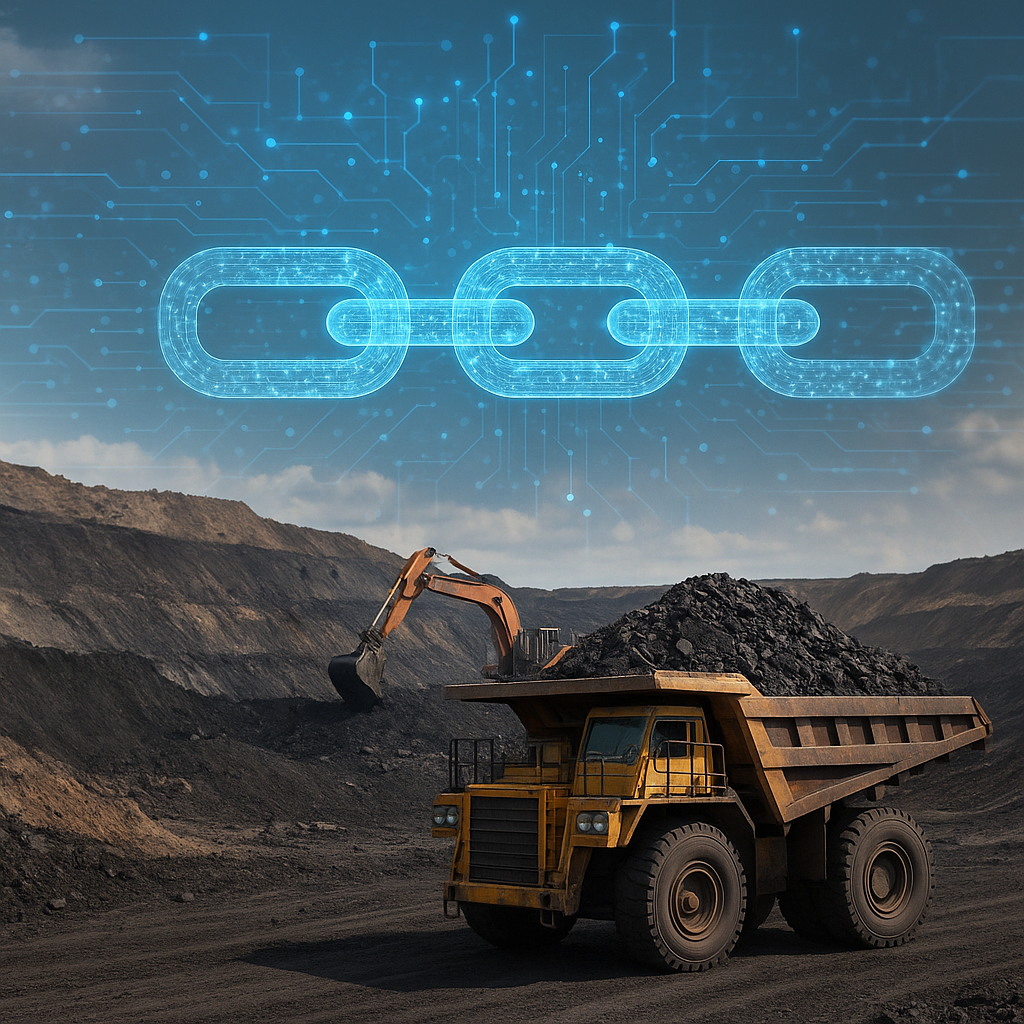
The global coal industry remains a cornerstone of energy production, powering industries and households across continents. As demand fluctuates and environmental regulations tighten, stakeholders seek innovative ways to optimize logistics, uphold quality standards, and maintain accountability. Integrating blockchain into existing networks offers a transformative approach, reshaping how coal is tracked, traded, and managed from mine to furnace.
Global Coal Markets and Demand Dynamics
Coal continues to be a primary energy source for many countries, with production concentrated in regions rich in reserves such as Australia, China, India, and the United States. In recent years, shifts in policy and market pressures have driven both expansions in infrastructure and strategic stockpiling. Effective management of coal stock is vital to balance supply against sudden spikes in demand, whether triggered by seasonal temperature changes or geopolitical events. Exporters and importers rely on detailed forecasts and agile logistics to navigate price volatility and shipping costs. Coal grades—from thermal to metallurgical—must be matched with end-use requirements, fueling power plants or steel mills in a competitive marketplace. Market participants face the challenge of responding to competing energy sources like natural gas and renewables, while sustaining profitability and ensuring uninterrupted deliveries.
Operational Challenges in Coal Logistics
Complexities in mining operations, transportation, and port handling can introduce inefficiencies throughout the network. Multiple intermediaries often process and verify documents manually, leading to delays and increased administrative overhead. The absence of unified digital records hampers coordination between mining companies, railway operators, shipping lines, and end buyers. Quality discrepancies, such as variations in calorific value or ash content, may go undetected until after delivery, resulting in financial disputes and reputational damage. Furthermore, environmental compliance audits demand exhaustive documentation to certify emissions levels and handling protocols. Meeting these demands without a robust framework undermines overall performance and heightens operational risks.
Blockchain’s Role in Enhancing Supply Networks
By leveraging a distributed ledger that is immutable and transparent, blockchain addresses many of these pain points. Every transaction—from extraction to unloading—can be recorded as a cryptographically sealed entry, creating a single source of truth. This digital ledger approach ensures that participants cannot alter past records, thereby fostering trust among parties. Enhanced transparency allows regulators, insurers, and financiers to access real-time audit trails, facilitating rapid dispute resolution and lowering insurance premiums. Meanwhile, stakeholders can achieve end-to-end traceability of each coal shipment, verifying its origin, quality certificates, and handling history without relying on intermediaries. Such visibility empowers trading houses to make data-driven decisions and establish more accurate pricing models.
Smart Contracts and Automated Workflows
Integration of smart contracts—self-executing code that conditions payments and approvals on preset criteria—automates critical workflows. For example, a payment release can be triggered automatically once a shipment is scanned at a port, provided that quality metrics meet contractual thresholds. This reduces manual intervention, accelerates financial settlement cycles, and minimizes counterparty risks. Similar automation applies to customs declarations and environmental reporting, where predefined rules validate compliance before moving to the next stage. By embedding operational logic directly into the chain, companies can streamline processes, reduce administrative costs, and improve transaction velocities.
Real-Time Monitoring and Decision Support
Linking blockchain platforms with IoT sensors and GPS trackers enables real-time monitoring of stockpiles, rail cars, and vessels. Data on temperature, moisture content, and location feed into the distributed network, triggering alerts if conditions deviate from acceptable ranges. This continuous flow of information helps operators optimize inventory levels, reduce spoilage, and anticipate maintenance needs. Predictive analytics layered on top of blockchain records enhance forecasting accuracy, allowing logistics managers to schedule deliveries with greater precision. In an industry where timing and quality dictate margins, these insights can translate into significant cost savings and competitive advantages.
Governance, Compliance, and Environmental Oversight
Environmental regulations impose strict limits on sulfur content, dust emissions, and water usage in coal operations. Blockchain’s immutable recordkeeping provides an auditable trail for regulatory bodies, ensuring that every batch adheres to local and international standards. Automated reporting tools generate compliance certificates, reducing the likelihood of fines and operational shutdowns. Additionally, carbon credit trading platforms can integrate directly with supply chain data to verify emissions reductions, supporting global decarbonization efforts. By embedding regulatory checkpoints into the ledger, enterprises enhance accountability and demonstrate proactive stewardship of natural resources.
Risk Management and Financial Integration
Coal enterprises grapple with fluctuating prices, geopolitical tensions, and credit exposures. A blockchain-based framework facilitates robust risk management by providing financiers and insurers with transparent access to transactional data. Lenders can underwrite loans with confidence, backed by verifiable proof of collateral and throughput volumes. Insurance underwriters can assess loss probabilities more accurately, reflecting the reduced likelihood of fraud or misreporting. Moreover, tokenization of commodities and contracts paves the way for new financing instruments, enabling stakeholders to hedge positions or liquidate assets more efficiently in secondary markets.
Implementing Blockchain in Coal Ecosystems
Adoption of blockchain in coal supply chains requires cross-industry collaboration, standardized data protocols, and scalable infrastructure. Pilot programs should involve key players across mining, logistics, trading, and regulatory agencies. Agreed data schemas, secure identity frameworks, and governance policies must be established to ensure interoperability and trust among consortium members. Training initiatives and user-friendly interfaces will accelerate onboarding, while phased rollouts mitigate operational disruptions. As platforms mature, integration with existing enterprise resource planning (ERP) systems and customs declarations can unlock further efficiencies, driving widespread digital transformation.
Future Outlook and Innovation Trajectories
As the energy landscape shifts toward sustainability, coal’s role will evolve, emphasizing cleaner combustion technologies and carbon capture. Blockchain-enabled verification of low-carbon methods and renewable energy credits could open new avenues for coal producers seeking to align with environmental goals. Collaborative networks may emerge to pool resources, optimize multi-modal transport, and streamline bulk trading. The convergence of blockchain, IoT, and AI promises a resilient, adaptive ecosystem capable of meeting global energy demands while upholding ethical standards and environmental responsibilities.