The global coal sector has long been a backbone of industrial energy supply, balancing economic needs with environmental considerations. As markets evolve, stakeholders are increasingly focused on strategies that enhance operational efficiency, stabilize financial returns, and address regulatory pressures. Innovations in digital technologies—particularly Artificial Intelligence—are transforming the way coal is extracted, processed, and traded. This exploration delves into the multifaceted world of coal, examines stock market trends, and highlights AI’s role in driving performance gains across the value chain.
Coal Industry Dynamics
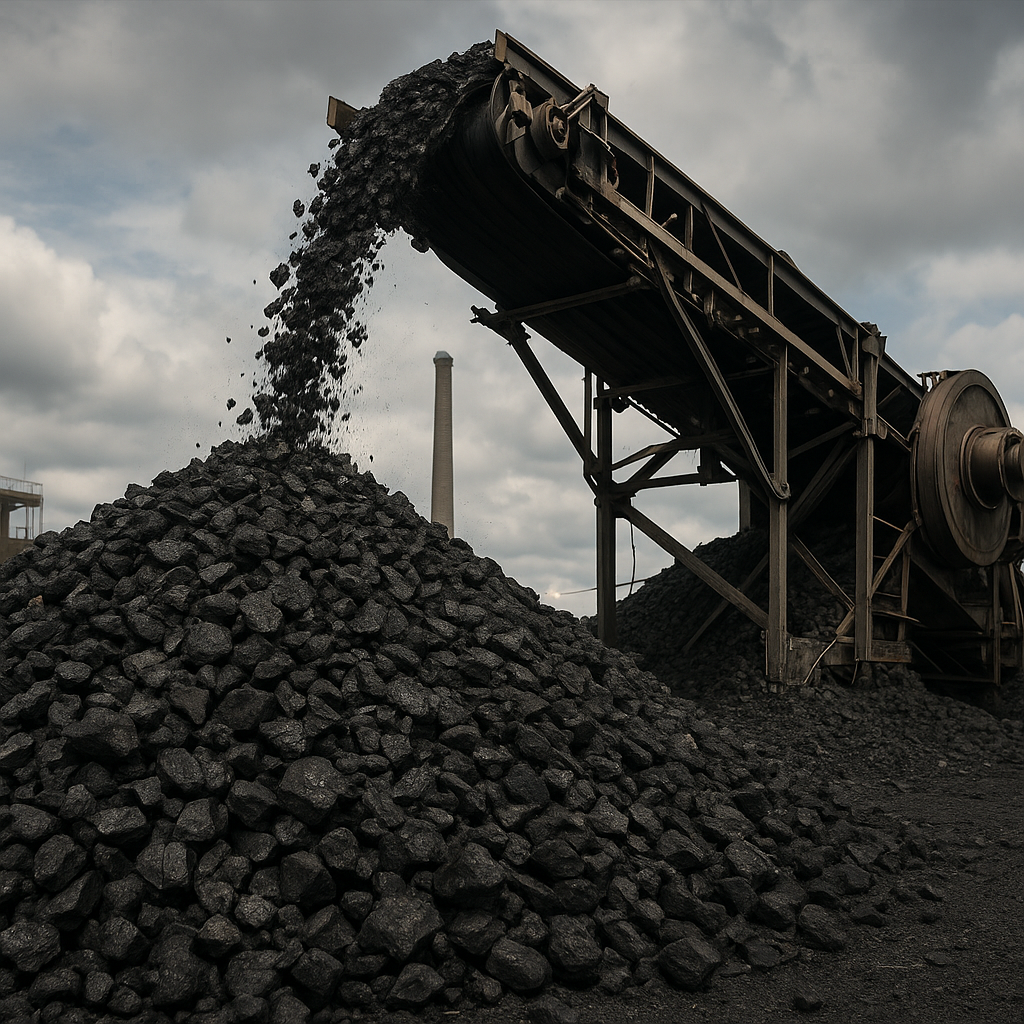
Coal remains one of the most abundant fossil fuels, underpinning electricity generation and serving as a key feedstock for steel production. Global production volumes fluctuate according to regional demand, resource availability, and policy frameworks. Major producers such as China, India, and the United States collectively account for a significant share of world output, while emerging economies are expanding capacity to fuel rapid industrialization.
Two primary categories define the market: thermal coal, used in power plants, and metallurgical coal, essential for steelmaking. Seasonal load changes, maintenance schedules at power stations, and competition from renewables directly impact coal consumption. As a result, price volatility can be pronounced, with spot price spikes during supply constraints and downward pressure when inventories swell.
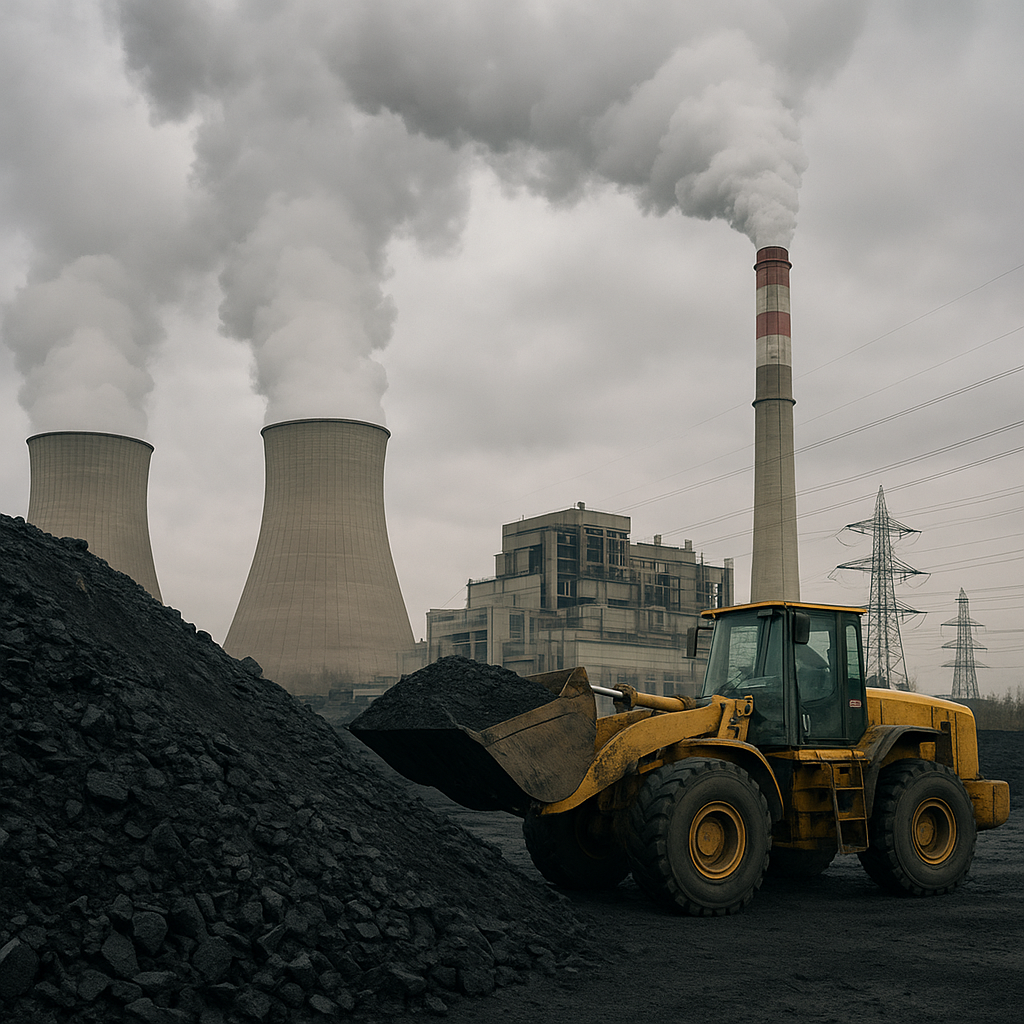
Environmental regulations and carbon pricing schemes challenge the industry to reduce emissions and invest in cleaner technologies. While some operations are retrofitting plants with advanced filtration and carbon capture, others are exploring low-emission alternatives. Stakeholders increasingly weigh the trade-off between economic growth and ecological responsibility, making sustainability a central factor in strategic planning.
Coal Stock Market Trends
Investors track coal equities to gain exposure to energy markets that are both cyclical and geopolitically sensitive. Listed companies span upstream miners, transportation providers, and utility firms with vertical integration. Key indicators include production volumes, cost per ton, and contract backlog.
- Market Drivers: Shifts in government policy, such as subsidies or export tariffs, can trigger rapid stock movements.
- Risk Factors: Environmental litigation, carbon taxes, and competition from natural gas and renewables add complexity to valuation models.
- Dividend Appeal: Some coal companies maintain high payout ratios, appealing to income-focused portfolios despite the sector’s long-term uncertainty.
Trading platforms now integrate sophisticated analytics tools that process satellite data, weather forecasts, and port throughput statistics. These insights enable portfolio managers to anticipate supply disruptions and hedge risk accordingly. Additionally, the rise of ESG (Environmental, Social, Governance) investing has introduced new screening criteria, prompting some funds to divest coal assets entirely.
Market capitalization shifts can also reflect M&A activity, as large conglomerates acquire smaller operators to consolidate reserves and streamline logistics. Share performance often correlates with reported reserve grades, operational efficiency, and management’s track record in navigating regulatory headwinds.
AI-Driven Efficiency Improvements
Predictive Maintenance and Asset Utilization
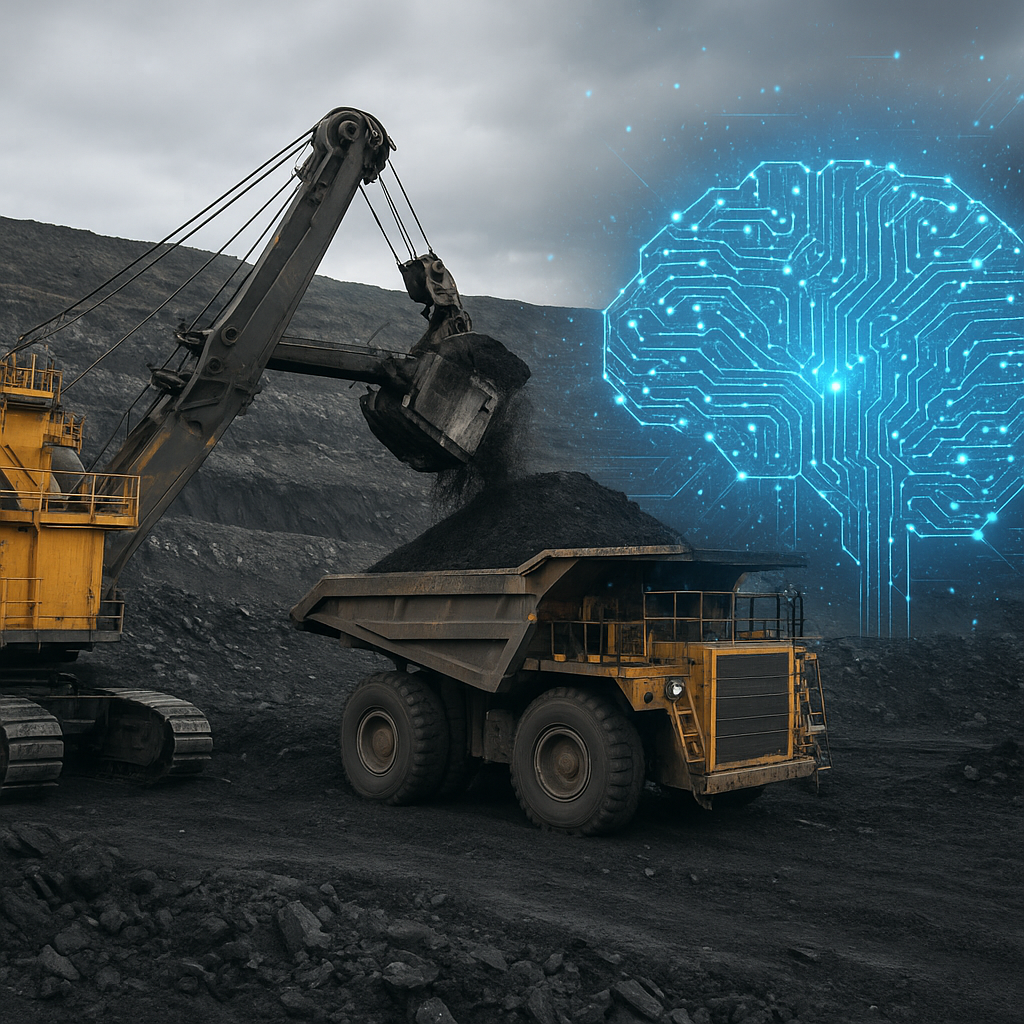
One of the most transformative applications of Artificial Intelligence in coal mining is predictive maintenance. By analyzing sensor readings—such as vibration, temperature, and pressure—AI algorithms can forecast equipment failures before they occur. This proactive approach minimizes unplanned downtime and extends the lifespan of critical assets like conveyor belts, crushers, and draglines.
Machine learning models ingest historical maintenance logs, operational parameters, and environmental conditions to generate actionable insights. Maintenance crews can prioritize tasks, allocate spare parts, and optimize work schedules, reducing labor costs and boosting overall throughput. In underground operations, where equipment failure can pose severe safety risks, these AI-driven systems enhance reliability and help maintain consistent output.
Real-Time Monitoring and Safety Enhancements
Safety is paramount in mining, and advanced AI solutions are improving hazard detection and response times. Computer vision systems mounted on helmet cameras and fixed installations scan for structural anomalies, gas leaks, and personnel movements. Alerts are issued instantaneously when unsafe conditions are detected, allowing supervisors to intervene swiftly.
Automated drones equipped with infrared cameras conduct routine inspections of high-wall faces and stockpiles, identifying potential collapse zones or excessive heat signatures that could signal spontaneous combustion. These unmanned aerial vehicles operate in environments that are hazardous for humans, gathering geospatial data to construct 3D models of mine sites for ongoing risk assessment.
Another critical development is the integration of AI in ventilation control systems. By modeling airflow dynamics, these platforms adjust fan speeds and duct configurations to maintain optimal air quality, reducing energy consumption and ensuring a healthy working environment. Through continuous learning, the system adapts to seasonal changes and mining progress, preventing the buildup of methane and other harmful gases.
Future Outlook and Innovations
Looking ahead, the coal industry is set to benefit from an expanding suite of AI-driven automation and resource-management tools. Advanced robotics will perform tasks ranging from drilling to material handling, enhancing worker safety and cutting operational costs. Digital twins—virtual replicas of mine sites—will allow for scenario simulation, enabling planners to test extraction strategies and logistics flows without disrupting actual operations.
Investment in data integration platforms will unify disparate data streams—from geological surveys to port schedules—into centralized dashboards. Real-time visualization of asset performance and market indicators will facilitate agile decision-making, ensuring that companies can respond promptly to fluctuations in demand and regulatory changes.
As capital markets adapt, investment vehicles focused on critical minerals and transitional energy resources may emerge, bridging the gap between traditional coal ventures and low-carbon alternatives. Collaboration between technology providers, commodity traders, and regulators will shape new frameworks for responsible development, advancing both economic and environmental objectives.
Ultimately, the fusion of AI with coal mining operations represents a profound shift toward greater optimization of resources. By harnessing deep learning, predictive algorithms, and intelligent automation, stakeholders can achieve higher productivity, improve safety, and address the pressing need for cleaner energy practices. This digital transformation will define the sector’s trajectory in the decades to come.