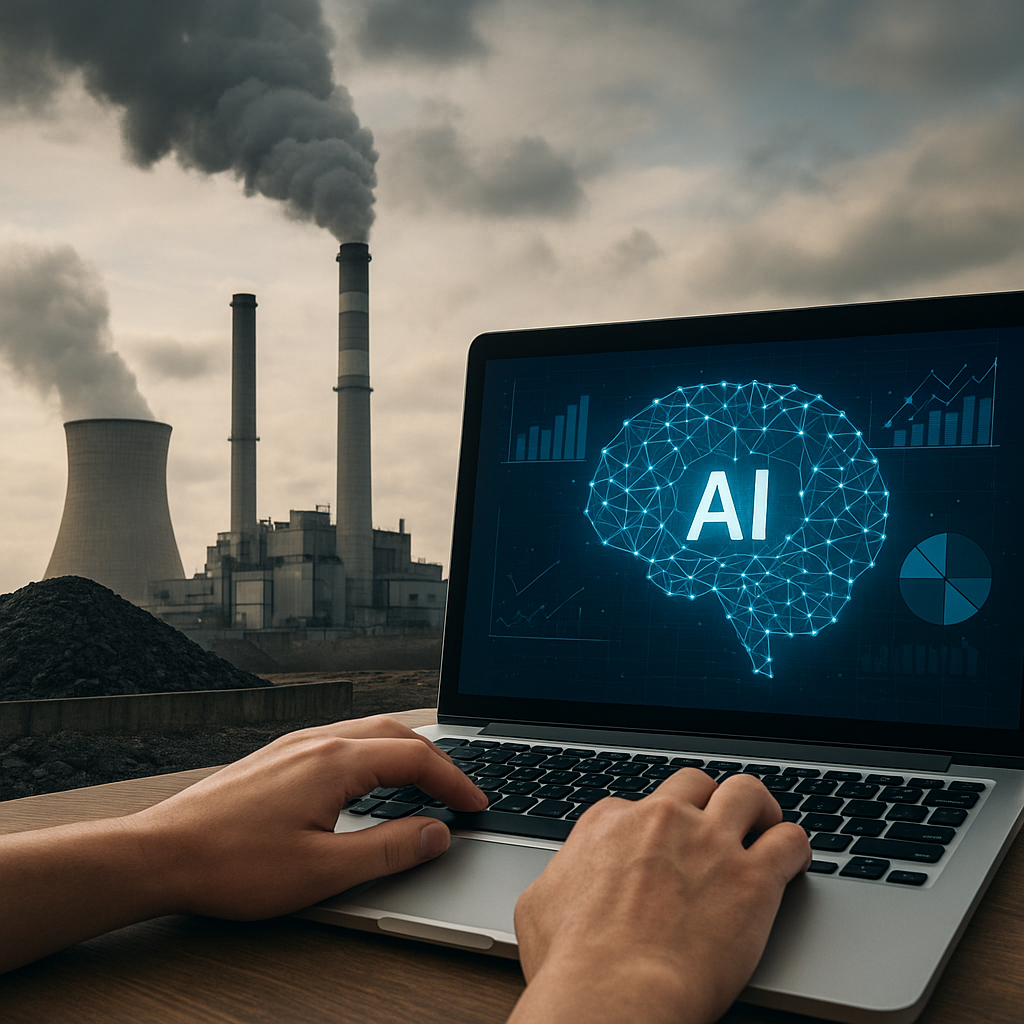
The global energy landscape continues to evolve, with coal-fired power plants maintaining a crucial role in meeting baseload electricity demand. Strategic management of coal reserves, including accurate demand prediction and effective stock handling, has become indispensable for power producers. Integrating advanced data analytics and artificial intelligence (AI) techniques enables utilities to refine their processes, minimize costs and align operations with environmental targets. This article explores how modern technologies enhance the management of coal supplies, optimize plant performance and reduce unnecessary waste.
The Strategic Importance of Coal and Stockpiles in Energy Security
Coal remains one of the most widely used fuel sources for electricity generation, owing to its abundance, reliability and cost-effectiveness. Utilities build large stockpiles of coal to hedge against price fluctuations, supply disruptions and seasonal variations in demand. Maintaining robust reserves ensures continuous plant operation even when mine output is unstable or transport networks face bottlenecks.
Key factors that make coal stock management critical include:
- Supply chain resilience: Well-planned stock levels protect against delays in rail or port logistics.
- Price optimization: Bulk purchasing during low-price periods can significantly lower operating expenses.
- Operational stability: Sufficient coal reserves reduce the risk of unplanned outages caused by material shortages.
However, poorly managed inventories lead to increased handling costs, higher emissions from coal degradation and greater risk of spontaneous combustion. Traditional manual methods of tracking stock levels are often error-prone and lack real-time visibility, resulting in either excess capital tied up in inventory or insufficient supply during peak consumption.
AI-Driven Demand Forecasting for Coal Power Plants
Accurate prediction of coal demand is pivotal for minimizing waste while ensuring uninterrupted generation. Leveraging AI models offers unprecedented precision compared to classical statistical tools. These systems ingest data from multiple sources—weather forecasts, historical load profiles, fuel price movements and even social or industrial activity indicators—to generate robust forecasting outputs.
Data Integration and Feature Engineering
AI algorithms thrive on diverse, high-quality datasets. Key inputs include:
- Real-time power grid load measurements.
- Coal quality parameters (calorific value, ash content, moisture percentage).
- Ambient temperature and humidity affecting boiler performance.
- Market signals such as spot coal prices and freight rates.
Feature engineering transforms raw inputs into meaningful predictors. For example, combining ambient humidity with moisture content in coal can refine estimates of combustion efficiency, directly linking to the plant’s fuel efficiency.
Machine Learning Models in Practice
Once features are established, machine learning techniques—such as gradient boosting, random forests and deep learning networks—can forecast hourly or daily coal consumption at high accuracy. These models continuously adapt via reinforcement learning loops, improving predictions as new operational data become available.
Optimizing Coal Stock and Minimizing Waste
Efficient coal stock management rests on matching supply to projected demand while accounting for logistical constraints. AI-driven systems recommend optimal reorder points and batch sizes to keep inventory within target thresholds.
Dynamic Replenishment Strategies
Rather than adhering to rigid restocking schedules, dynamic approaches adjust ordering based on real-time forecasts. Benefits include:
- Lower holding costs by avoiding overstocking.
- Reduced spoilage through smaller, more frequent deliveries aligned with actual consumption.
- Enhanced responsiveness to sudden market shifts or weather anomalies.
Supply Chain Coordination
Integrating AI-powered demand signals with supplier and transport platforms streamlines logistics. Automated alerts notify mine operators and rail carriers of anticipated shortages or surpluses, enabling proactive scheduling of shipments. As a result, the entire value chain becomes more transparent and agile, minimizing demurrage fees and idle time at ports or yards.
Environmental and Economic Benefits of AI-Enhanced Coal Management
While coal remains a fossil fuel, improving the efficiency of its use contributes to broader environmental goals. Key advantages of AI-driven coal management include:
- Emission reductions: Better matching of furnace operating parameters with coal quality reduces unburned carbon and harmful byproducts.
- Cost savings: Optimized coal procurement and minimized waste directly lower operational expenses.
- Regulatory compliance: Automated reporting tools facilitate adherence to air quality and waste management standards.
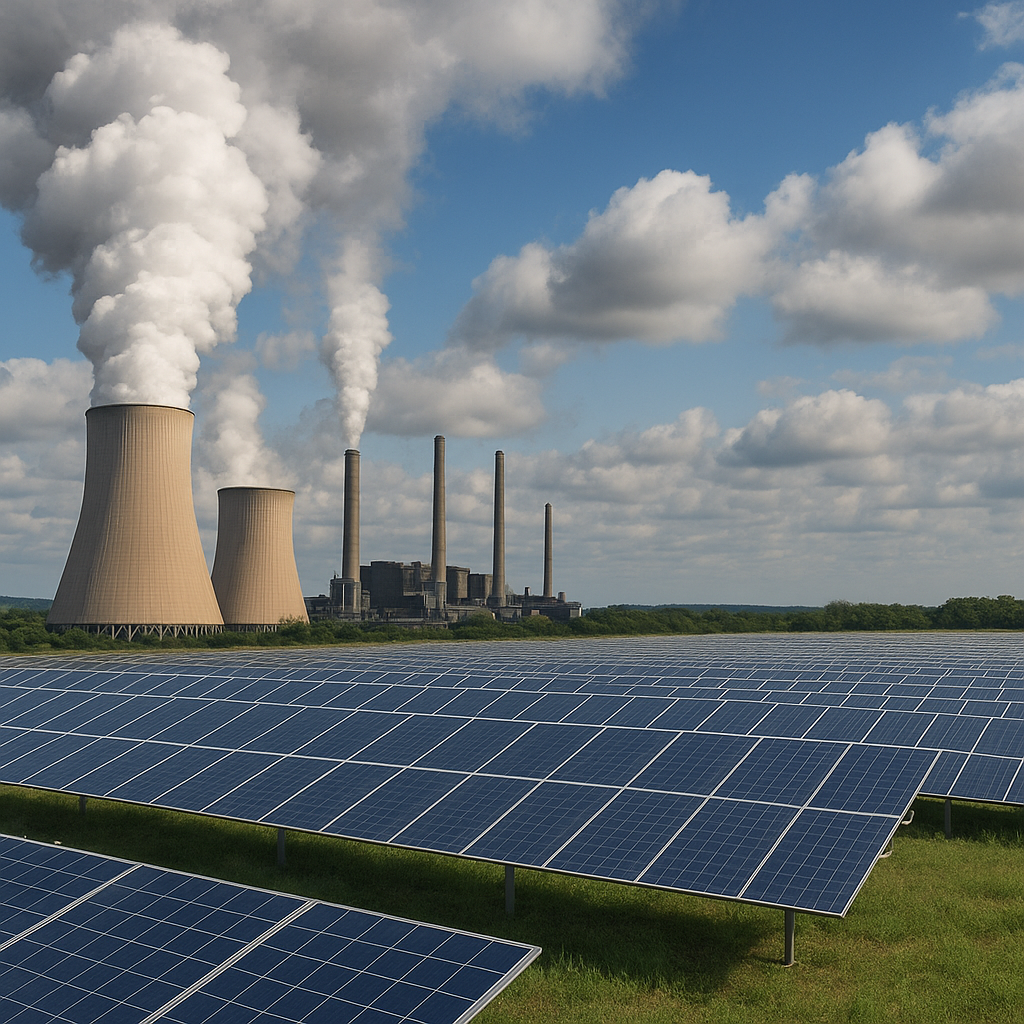
Moreover, strategic planning based on AI insights supports the gradual transition toward alternative energy sources. For example, improved performance of coal units can free up capital for investments in solar, wind or energy storage systems—accelerating the shift to a diversified power mix.
Harnessing AI for coal demand prediction and inventory control bridges the gap between legacy fossil fuel operations and modern data-driven practices. By embedding advanced analytics into every stage—from mine to boiler—utilities can achieve a balanced approach that values both economic viability and environmental responsibility.