The Chirimiri Coalfield is one of the historic mining areas of central India, with a long-standing role in supplying coal to the region’s industries and power plants. Located in the north-eastern part of what is now Chhattisgarh, the field has contributed to local economies, urban development and the broader energy matrix of India. This article examines the field’s location and geology, the types of coal found there, its historical development and operators, economic and social impacts, production and reserve statistics (where available), environmental issues and future prospects.
Location and geological setting
The Chirimiri Coalfield lies in the Koriya (Koriya/Korea) district in northern Chhattisgarh, near the border with Madhya Pradesh. It forms part of the larger Central Indian coal-bearing region that includes several other notable fields such as Korba and Jharia farther afield. Geologically, Chirimiri is situated in a sequence of Gondwana formations, where Permo-Carboniferous to Lower Triassic sediments contain the coal seams.
The coal seams of Chirimiri occur within the Talchir and Barakar groups of the Gondwana sequence, commonly overlain by shales, sandstones and other sedimentary rocks. Seams are variably thick and often occur in multiple benches, which has allowed the development of both underground and opencast mining methods over time. Structural features such as gentle to moderate dips and faulting influence seam continuity and mining approaches.
History and development
Chirimiri is among the older coalfields exploited under systematic mining in India. Coal extraction in the area began in earnest in the late 19th and early 20th centuries as demand for coal increased with industrialisation and rail expansion. Over decades, the field developed towns and colliery infrastructure, with the town of Chirimiri growing around the mining activity to provide housing, services and social institutions for miners and their families.
During the 20th century, various companies and administrative bodies managed the collieries. Post-independence, many Indian coal assets were reorganised and integrated into public sector undertakings. Today, the mines in the region are administered under the umbrella of Coal India Ltd.’s subsidiaries, which manage operations, safety, and production planning in line with national energy policies. The Chirimiri area’s mining history reflects broader national trends of consolidation, mechanisation and regulatory oversight.
Coal type, quality and uses
The coal extracted from Chirimiri is primarily of the non-coking to medium-volatile bituminous rank, which makes it suitable mainly for thermal power generation and other industrial heating applications. The coal typically has moderate calorific value and varies in moisture and ash content depending on seam and depth. These characteristics influence its market destination: higher-quality benches are preferred by nearby industries, whereas lower-grade coal often serves local thermal stations or is blended.
Key attributes of Chirimiri coal include:
- Calorific value: generally in the mid-range compared to India’s higher-grade coking coals and lower-grade lignites.
- Ash content: variable but can be significant in some seams, necessitating washing or blending for certain uses.
- Sulphur: usually low to moderate, which is advantageous for environmental compliance in thermal plants.
Mining methods and infrastructure
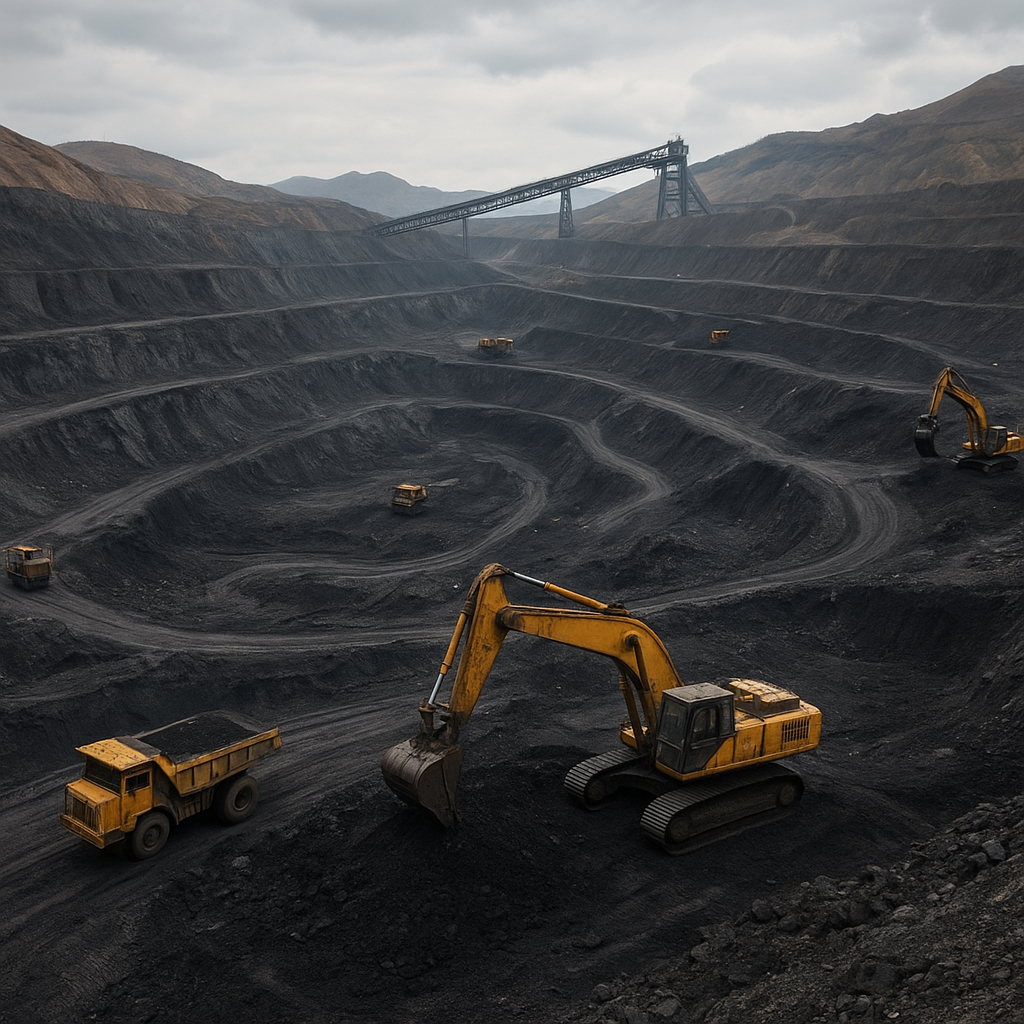
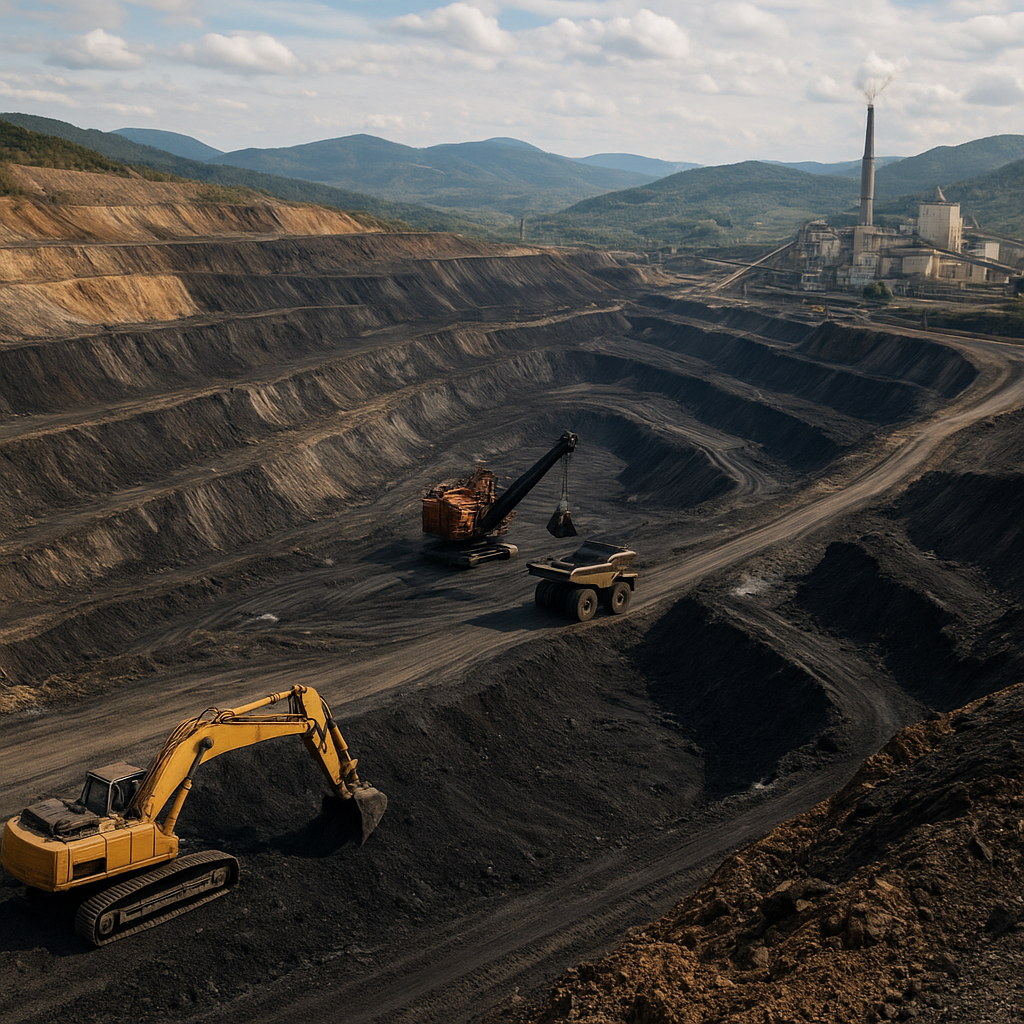
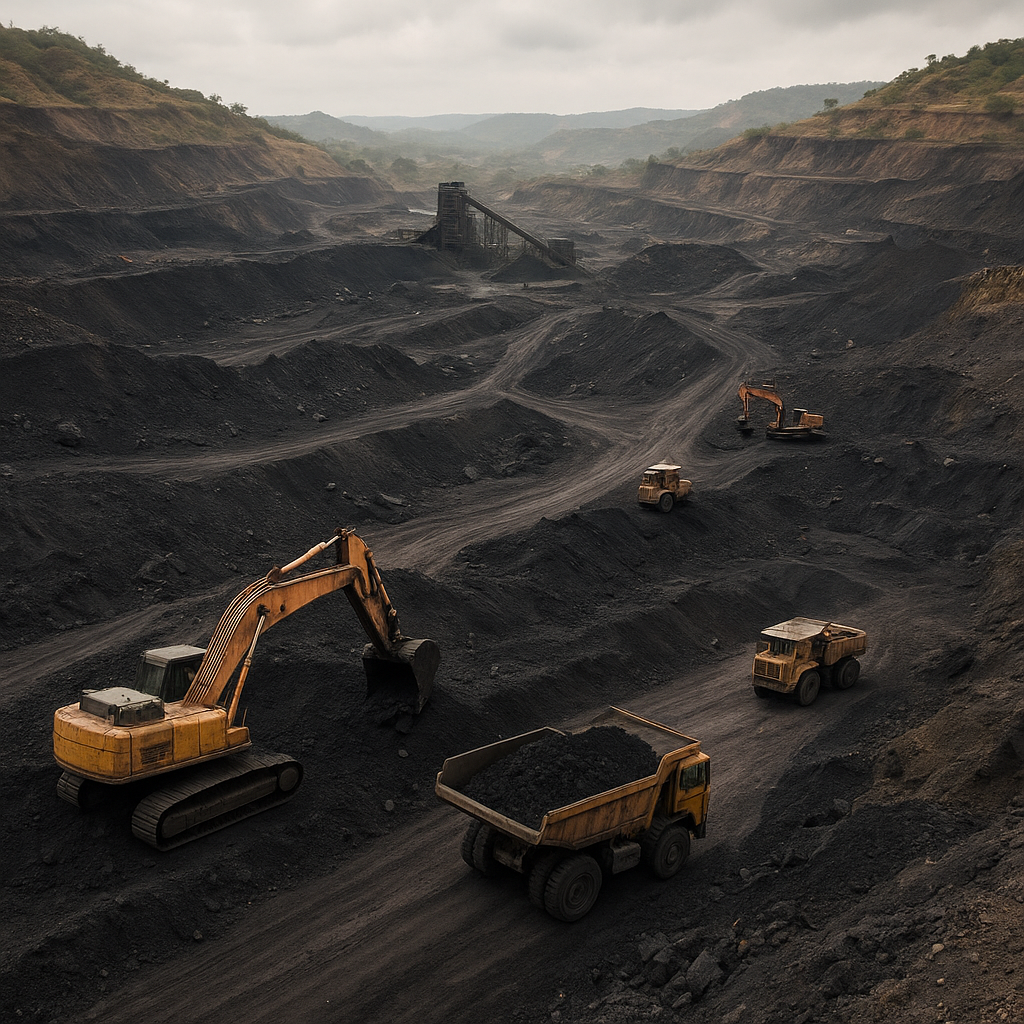
Mining in Chirimiri has historically used a mix of underground and opencast methods. Early operations focused on underground workings with room-and-pillar or bord-and-pillar systems, shifting later in many places to opencast mining where seam geometry and overburden conditions permitted. Mechanisation has increased over the decades with introduction of modern equipment for drilling, loading and transport, improving productivity and safety.
Infrastructure to support mining includes mine-specific facilities (washers, workshops, tipplers), transport links (road and rail connections to regional centres), and power and water supply systems. The presence of rail connectivity in the region has historically been important to move coal to thermal power stations and industrial customers across central and northern India.
Economic and social significance
The Chirimiri Coalfield has had a pronounced effect on the local and regional economy. Mining activity generated direct employment in the collieries and ancillary services, and led to development of housing, schools, hospitals and markets in the colliery town. The presence of coal stimulated secondary industries—brick kilns, workshops, transport services and retail—which further broadened employment opportunities.
At a regional level, the coal produced has been an input to power generation, cement, and other process industries, contributing to industrialisation and energy security in central India. Tax revenues, royalties and corporate investments from mining have historically contributed to local government finances, enabling public works and social programmes.
Socially, the coalfield shaped migration patterns: workers and their families moved into the area from surrounding districts and states, creating a multi-ethnic community with associated cultural and social institutions. While mining towns benefited from greater access to amenities than many rural areas, they also faced challenges common to resource-dependent communities—periods of boom and bust, occupational health issues, and dependency on a single industry.
Production, reserves and statistical overview
Publicly available national-scale statistics recognise Chirimiri as an established coalfield with measurable reserves and a long production history. Exact figures vary by source and date, but general patterns are:
- Reserves: Chirimiri contains proven and probable reserves in the order of hundreds of millions of tonnes when combined across its multiple seams. Reserve estimates differ according to classification (proved, indicated, inferred) and the year of assessment.
- Annual production: Historically, annual production has been modest compared to India’s largest fields (such as those in Jharia and Dhanbad), often measured in the low millions of tonnes per year. Production levels depend on market demand, mining method mix and rehabilitation of older workings.
- Contribution to regional output: While not the largest coalfield in India, Chirimiri plays a notable role in supplying nearby industries and thermal plants, thereby supporting regional energy balance.
Because reserve and production numbers change over time with new exploration, extraction, and re-evaluation, it is advisable to consult the latest reports from Coal India Limited, the Geological Survey of India (GSI) and state mining departments for up-to-date statistics. These agencies publish periodic assessments of reserve changes, annual production figures and mine-level performance indicators.
Environmental impacts and mitigation
Like all coalfields, Chirimiri’s mining activity has environmental consequences that require active management. Key concerns include:
- Land disturbance: Opencast mining alters landscapes, requiring earthworks, backfilling and ongoing rehabilitation to restore land use or create new post-mining uses.
- Water impacts: Mining can affect local hydrology, alter surface drainage, and create the potential for contamination of watercourses with suspended solids or saline drainage if not properly managed.
- Air quality: Dust from blasting, loading, transport and ash handling contributes to local air quality issues; emissions from coal combustion at end-use facilities add to regional pollution loads.
- Biodiversity: Clearing for mine infrastructure and settlements can fragment habitats; Chirimiri’s surroundings include forested tracts where biodiversity conservation needs to be balanced with mining activity.
Mitigation and rehabilitation measures commonly implemented include progressive mine reclamation, afforestation, controlled blasting and dust suppression, wastewater treatment and creation of water bodies for community use. Environmental clearances for new projects incorporate these measures along with monitoring requirements and community consultation processes.
Health and safety considerations
Mining carries occupational hazards: accidents, respiratory diseases from coal dust (e.g., pneumoconiosis), and other work-related injuries are important concerns. Over time, enforcement of safety regulations, mechanisation, improved ventilation in underground mines and health programmes for workers have helped reduce certain risks. Community health programmes, occupational safety training and health surveillance remain central to responsible mine management in the Chirimiri area.
Strategic importance and role in India’s energy transition
Chirimiri’s coal supports regional energy needs and industrial applications, making it a strategically relevant asset for central India. As India pursues a multifaceted energy transition—expanding renewables while ensuring reliable baseload power—mature coalfields such as Chirimiri are part of the short- to medium-term supply matrix for thermal generation and industrial fuel requirements.
Going forward, balancing production with environmental commitments and the national shift towards lower-carbon energy sources will influence the field’s development. Opportunities exist to enhance existing operations with cleaner mining and coal-use technologies (washing, emissions control, efficient combustion) and to repurpose rehabilitated mining land for renewable energy projects, plantations or community uses.
Community impacts and corporate social responsibility
Coal companies operating in and around Chirimiri typically undertake corporate social responsibility (CSR) programmes aimed at improving education, healthcare, livelihoods and community infrastructure. CSR initiatives help address legacy issues from historical mining and support diversification of local economies. Important themes in community engagement include:
- Skills development and alternative livelihoods to reduce dependency on mining employment.
- Healthcare initiatives focusing on respiratory health, maternal and child welfare.
- Education, including scholarships and school infrastructure support.
- Water and sanitation projects to improve living conditions in mining-affected villages.
Notable challenges and opportunities
Challenges facing the Chirimiri Coalfield include fluctuating coal demand, pressure to reduce environmental footprints, legacy mine rehabilitation and improving productivity while ensuring safety. Demographic shifts and competition for land and water resources with agriculture and forestry add complexity to planning and operations.
However, there are several opportunities:
- Implementing advanced mining technologies and automation to increase safety and efficiency.
- Investing in coal-washing and blending facilities to improve fuel quality for customers and reduce emissions at end-use plants.
- Rehabilitating mined land for sustainable uses—afforestation, solar farms, or community agriculture.
- Leveraging skills and infrastructure to attract diversified industries to the region, reducing reliance on a single sector.
Interesting facts and cultural context
The town of Chirimiri emerged around the collieries and is an example of a mining-centric urban settlement that evolved in the 20th century. Such towns often develop distinct cultural identities shaped by the inflow of labour from many regions. The coalfield has also been a part of regional folklore and local history, with mining families forming multi-generational connections to the collieries.
Another point of interest is the role of older mines as historical sites: abandoned and rehabilitated workings can provide insights into past mining techniques and community development. Additionally, the coalfield’s proximity to forested tracts presents possibilities for integrated conservation and livelihood programmes that combine ecological restoration with community well-being.
Conclusion and outlook
The Chirimiri Coalfield remains a meaningful contributor to central India’s coal supply and regional economy. While smaller than India’s largest coalfields, its historical significance, role in sustaining local industry and settlements, and the technical challenges it presents make it a noteworthy case in India’s mining landscape. The field’s future will be shaped by market dynamics, technological adoption, environmental regulation and the broader energy transition. With careful management, Chirimiri can continue to support local development while evolving toward more sustainable practices and diversified economic opportunities.
Key terms highlighted
The article has emphasised several important concepts and regions including Chirimiri, Chhattisgarh, coalfield, coal, thermal power, bituminous, reserves, Korba, South Eastern Coalfields and environment.