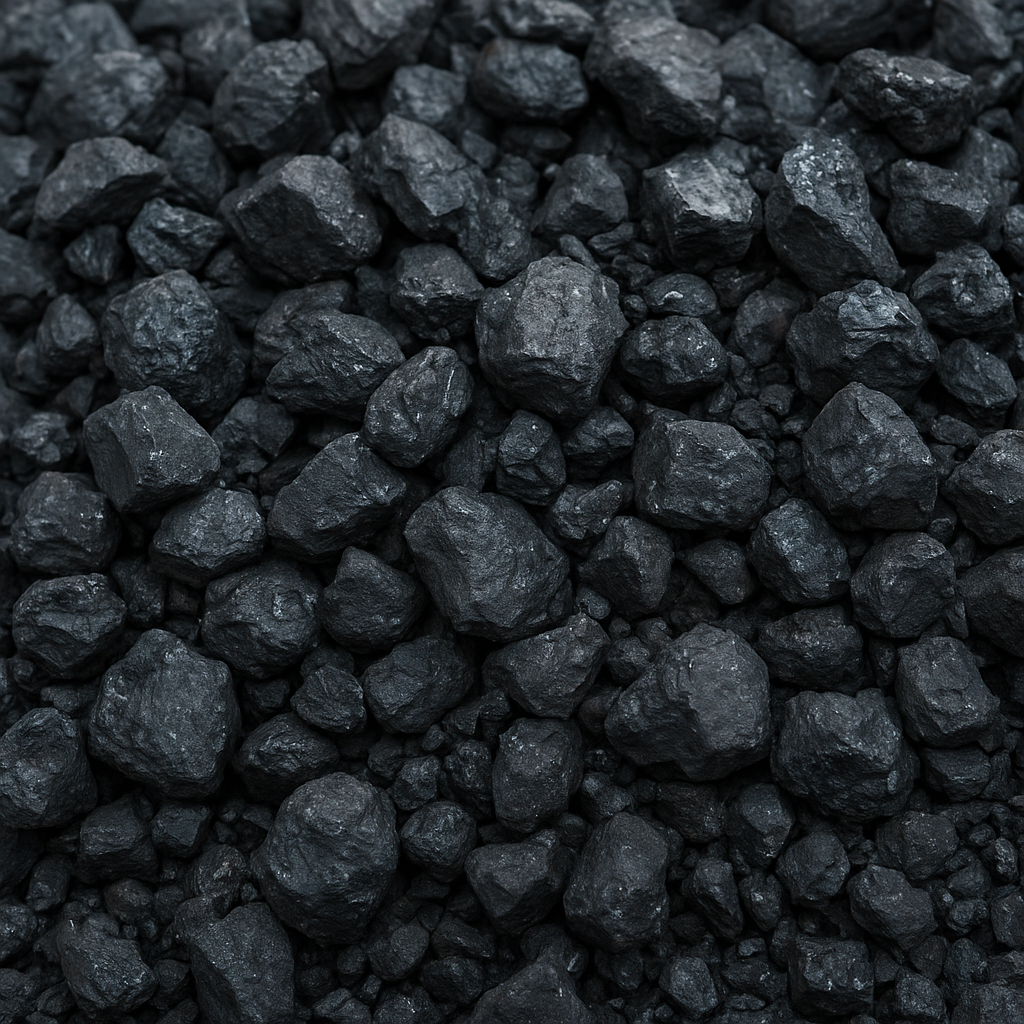
Low-BTU coal
This article examines the characteristics, occurrences, extraction, economic roles and industrial importance of low-calorific-value coal—commonly referred to as low-BTU coal. It presents geological and geographical contexts, outlines the technological and…

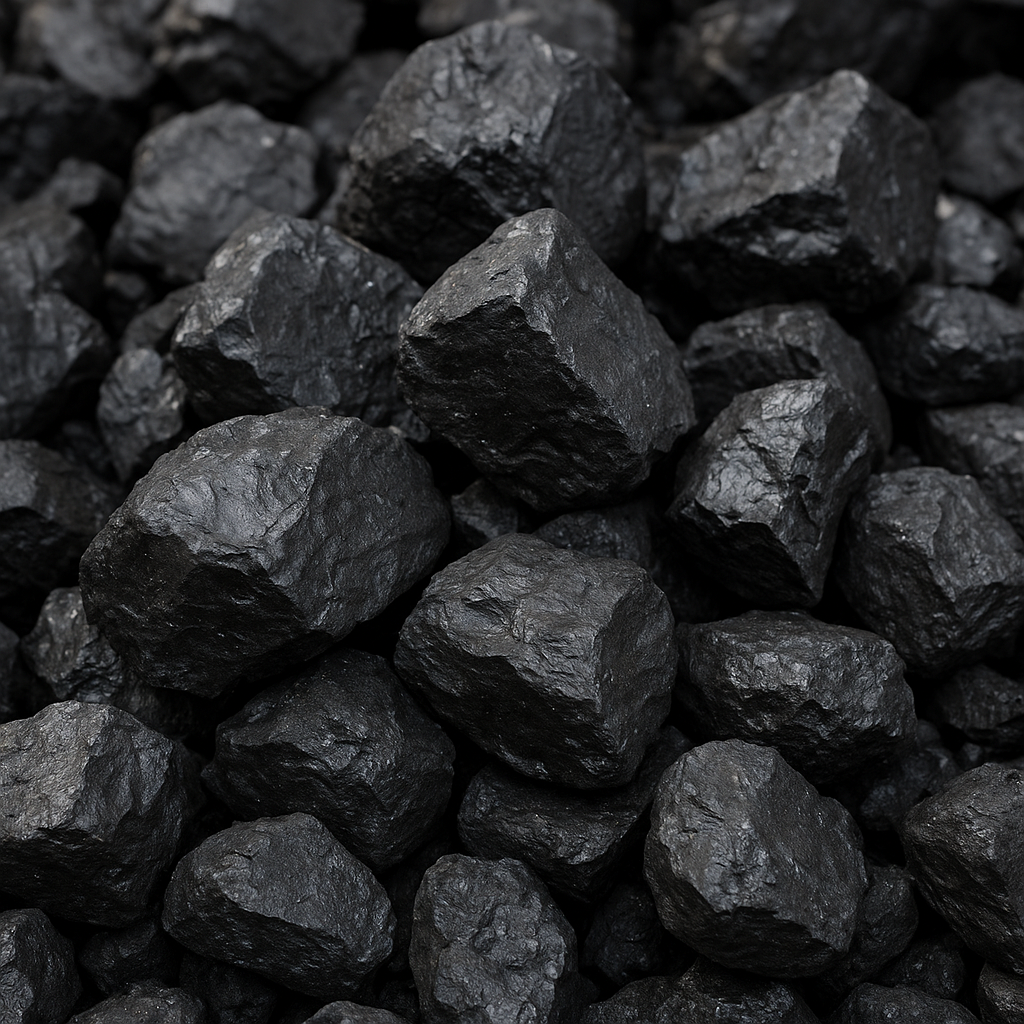
High-BTU coal
High-BTU coal is a category of fossil fuel prized for its high energy content per unit mass and strong industrial applications. In many energy and metallurgical markets, this coal commands…

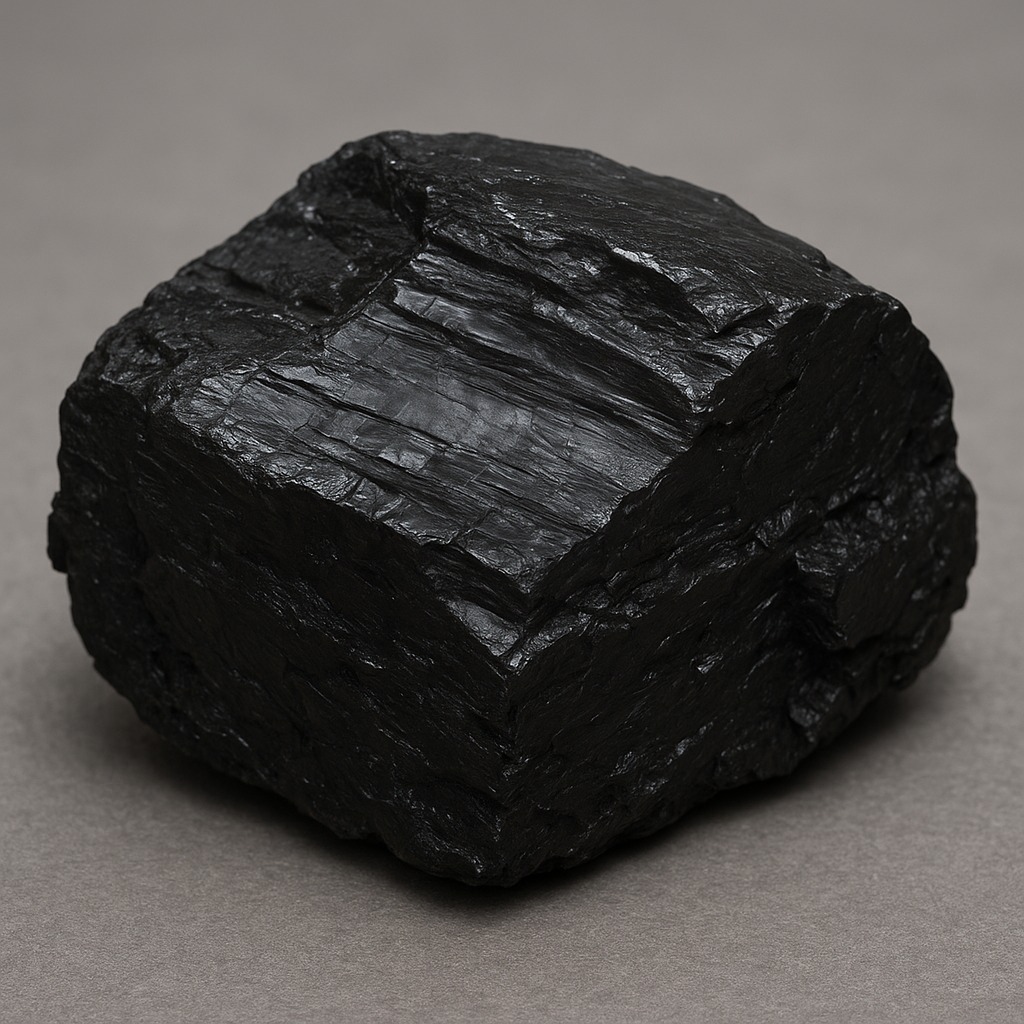
Ultra-cleaned thermal coal
The term ultra-cleaned thermal coal refers to thermally graded coal that has undergone intensive beneficiation and cleaning processes to remove ash, sulfur, moisture and other impurities, producing a fuel with…

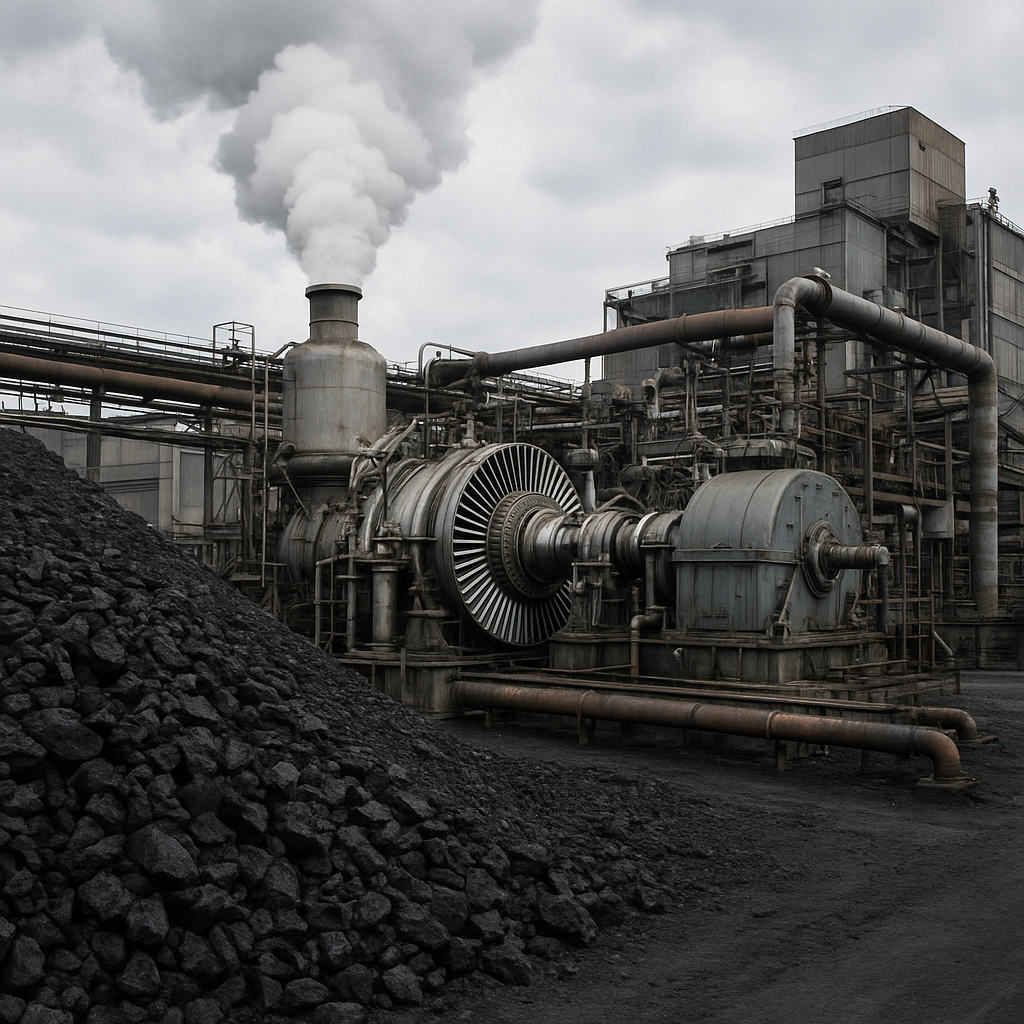
Steam-turbine coal
This article examines steam (thermal) coal — the grade of coal primarily used to produce steam for electricity generation in steam turbines. It covers what this coal is, where it…

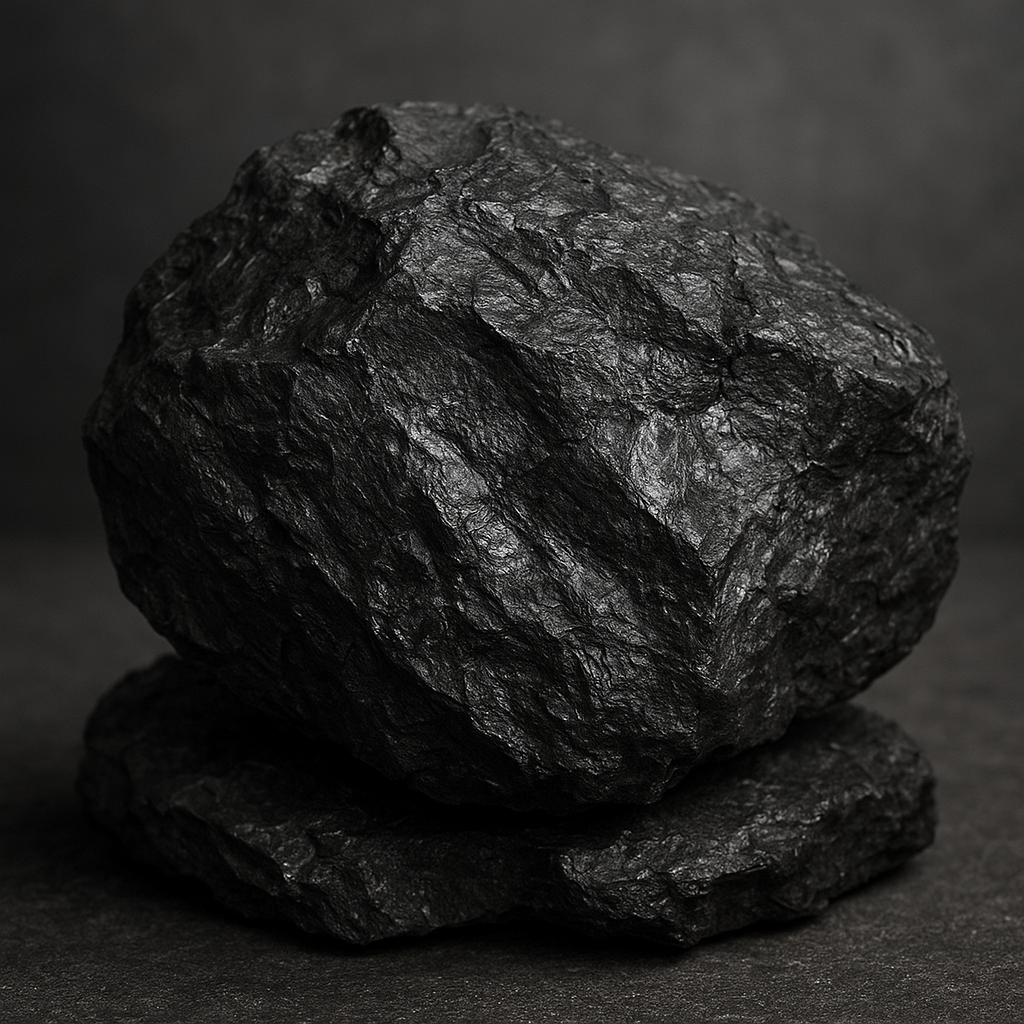
Carbon-rich hard coal
This article examines the geological nature, distribution, extraction, economic importance and industrial uses of high-carbon hard coal — a group of coals valued for their high fixed carbon content and…


Foundry coke coal
Foundry coke coal is a specialized form of **metallurgical coal** that, after carbonization, yields a solid carbon product used predominantly in metal foundries and certain smelting applications. This article examines…


Blast-furnace coal
Blast-furnace coal, commonly known in industry as metallurgical or coking coal, is a specialized category of coal essential for modern steelmaking. Unlike thermal coal burned for power generation, this coal…


Coke oven coal
This article explores the coal used specifically for coking and in coke ovens — the type of coal central to modern **steel**making and a range of industrial processes. It covers…


Coke breeze
This article explores the material commonly referred to as coke breeze — a fine particulate by-product of coke production closely tied to the metallurgy of coal and the global steel…


Chemical-grade coal
This article examines the specialised category commonly called chemical-grade coal — varieties of coal selected or processed for use as a raw material in chemical, metallurgical and high-value industrial applications.…
