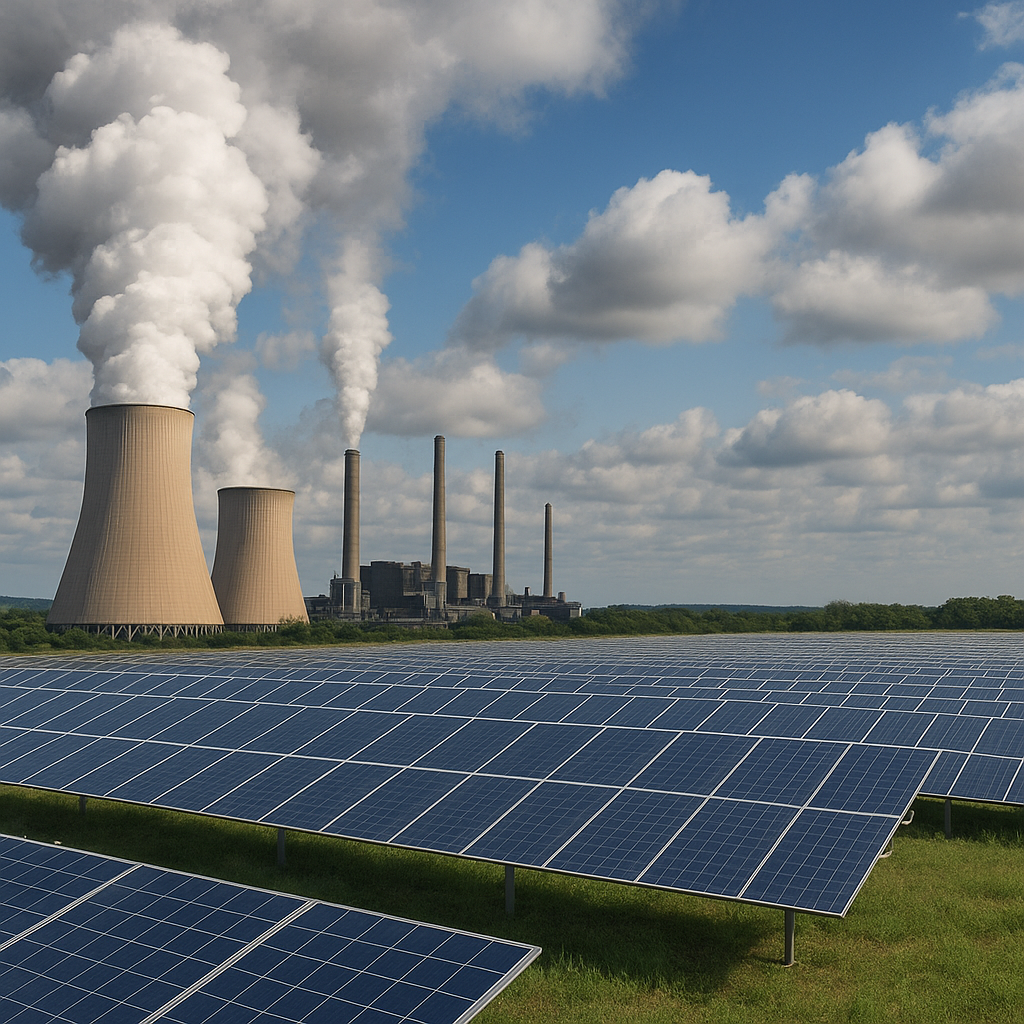
The global energy landscape is undergoing a profound shift as the world grapples with climate change and the imperative to reduce carbon emissions. Once the linchpin of industrialization, coal now faces mounting pressure from environmental concerns, emerging technologies, and evolving financial markets. This article examines the multifaceted relationship between coal, its role in the energy mix, the dynamics of coal stocks, and whether technological advancements can genuinely support the decarbonization of coal without jeopardizing energy security.
Historical Roots and Enduring Dependence
Coal’s ascent as a primary energy source began in the late 18th century, powering steam engines, ironworks, and factories. Over the centuries, coal-fired power plants have provided baseload electricity for homes, industries, and transportation systems. Despite the rise of alternative energy options, coal remains a major contributor to global electricity generation in many regions.
Industrial Revolution to Modern Era
During the Industrial Revolution, coal was synonymous with progress. Its high energy density and relative abundance enabled rapid economic growth. In the 20th century, however, awareness of the environmental toll associated with fossil fuels emerged. Sulfur dioxide, nitrogen oxides, and particulate matter from coal-fired plants were linked to air pollution and health crises. By the latter half of the century, the focus shifted toward addressing global warming and reducing greenhouse gases.
- Coal’s share of global primary energy peaked around the 1920s in some countries and again in the 2000s in emerging markets.
- Technological refinements, such as pulverized coal combustion, improved efficiency but did little to curb carbon output.
- The 21st century has seen diverging paths: rapid coal expansion in Asia versus coal phase-outs in Europe and North America.
Technological Innovations to Curb Emissions
In response to climate commitments like the Paris Agreement, research institutions and private enterprises have intensified efforts to decouple coal from its carbon legacy. Several technological solutions aim to capture, store, or convert CO2 emissions before they reach the atmosphere.
Carbon Capture, Utilization, and Storage
Carbon capture and storage (CCS) systems trap CO2 emissions at the source. Captured gas is then compressed and transported to geological formations for sequestration. While CCS promises to reduce a significant fraction of emissions, challenges persist:
- High capital and operational costs.
- Energy penalty: CCS can consume up to 30% of a plant’s output.
- Long-term liability concerns for stored CO2.
Advanced Combustion and Gasification
Integrated gasification combined cycle (IGCC) plants convert coal into syngas—a mixture of carbon monoxide and hydrogen—which can be cleaned of impurities before combustion. Although efficiencies exceed those of conventional coal plants, the technology remains expensive and complex.
Emerging Approaches
Innovations such as chemical looping combustion, coal-to-liquids with carbon recycling, and bio-coal co-firing are being trialed. Each promises incremental gains in emissions reduction, but none have achieved large-scale deployment. A common obstacle is the mismatch between R&D timelines and urgent policy targets.
Coal Stock Valuation and Market Dynamics
Beyond environmental debates, coal is also an asset class. Investors scrutinize coal stocks to gauge the sector’s health, policy risk, and profitability. Share prices reflect not only supply-and-demand fundamentals but also regulatory developments and technological breakthroughs.
Drivers of Coal Stock Performance
- Global coal demand in power generation and industrial processes.
- Commodity prices: spot and futures for thermal coal and coking coal.
- National energy policies, including carbon pricing and emission standards.
- Company-level initiatives on clean coal technology and sustainability reporting.
Mitigating Market Volatility
Coal stocks have exhibited significant swings in recent years. Factors include fluctuating demand in China and India, disruptions due to extreme weather events, and investor sentiment influenced by environmental, social, and governance (ESG) criteria. Major mining companies have diversified portfolios, exploring metals, renewables, or even hydrogen to hedge against prolonged coal downturns.
Pathways to a Low-Emission Future
The central question remains: can technology truly sever the link between coal and CO2 emissions? Answers vary by region, policy environment, and economic capacity.
Policy Instruments and Incentives
Carbon pricing mechanisms—whether through taxes or cap-and-trade systems—reward emission reductions. Subsidies and tax credits for CCS projects can tilt the economics in favor of investment. Conversely, strict emission limits may accelerate coal retirements absent viable capture solutions.
- Jurisdictions with robust carbon markets see more interest in CCS demonstration plants.
- Public-private partnerships are vital to underwrite initial deployment risks.
- International funding, such as through climate finance institutions, can support developing countries reliant on coal.
Integration with Renewables and Storage
Hybrid power systems combine coal with solar, wind, or battery storage to smooth output and reduce overall emissions. Flexible coal plants that ramp up and down quickly can complement renewables during intermittent generation periods. Nonetheless, complex grid management and capital requirements remain hurdles.
Socioeconomic Considerations
In coal-dependent regions, jobs and local economies hinge on mining and power plant operations. A just transition framework addresses workforce retraining, infrastructure repurposing, and community development. Technology alone cannot resolve the social dimensions of phasing down coal; it requires coordinated policy and stakeholder engagement.
Global Implications and Final Thoughts
Coal’s role in the energy transition is ambiguous. On one hand, the deployment of carbon capture and efficiency enhancements could prolong coal’s relevance while tempering emissions. On the other hand, rapidly declining costs of wind, solar, and battery storage challenge coal’s economic case. Investment trends, government policies, and technological breakthroughs will determine whether coal can truly be decoupled from its carbon footprint or if it will be relegated to a bygone era of energy security and environmental compromise.