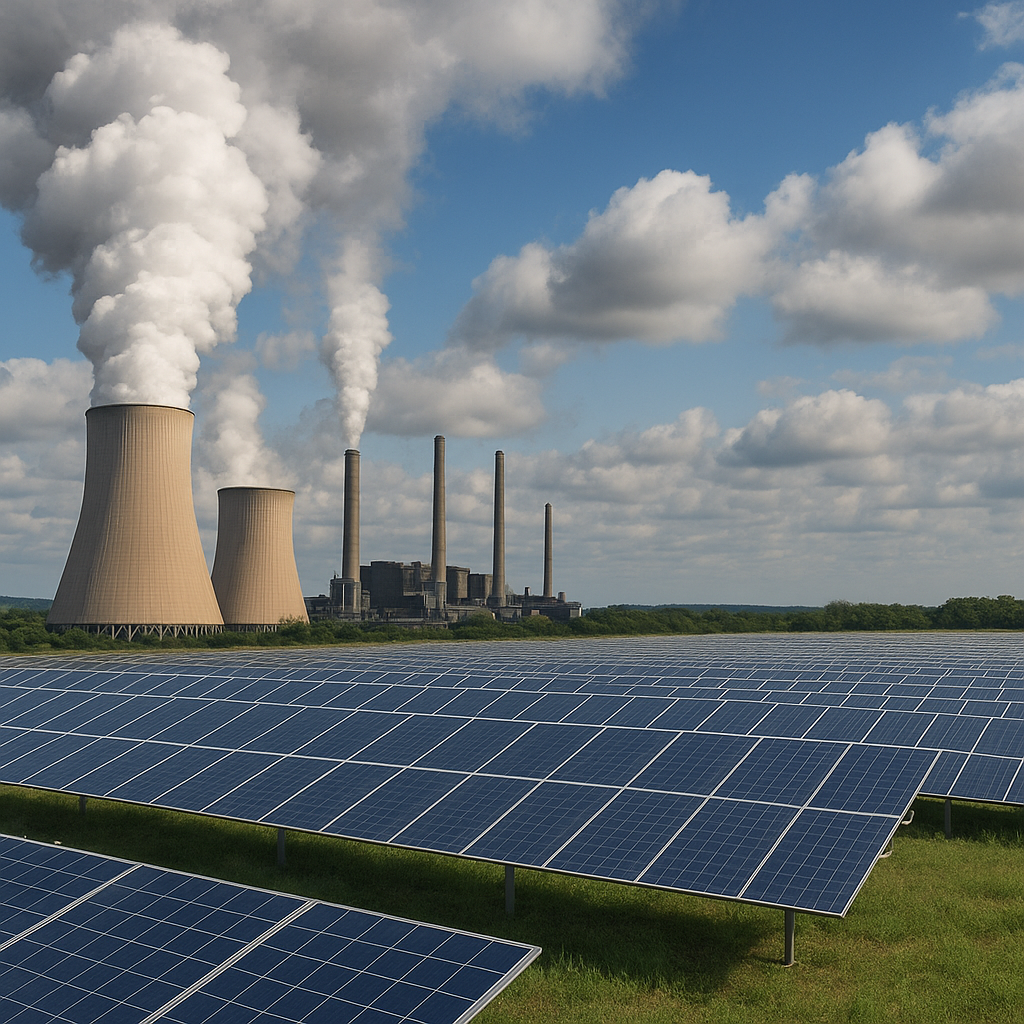
The reliance on fossil fuels, particularly coal, has shaped industrial progress for centuries. However, the environmental cost of burning coal—namely high levels of emissions—poses significant challenges for global climate change initiatives. In response, researchers are exploring cutting-edge nanotechnology solutions aimed at transforming how coal is used, processed, and managed. This article examines the environmental impacts of coal, recent advances in nanotech-based mitigation strategies, market trends in coal stock, and the outlook for a cleaner, more sustainability-oriented energy landscape.
Understanding Coal’s Environmental Footprint
Coal remains one of the most abundant and accessible fossil fuels, driving electricity generation through its combustion in large-scale power plants. Yet the process releases substantial amounts of pollution in the form of particulates, sulfur dioxide (SO₂), nitrogen oxides (NOₓ), and greenhouse gases such as carbon dioxide (CO₂). These byproducts contribute to respiratory illnesses, acid rain, and global warming. Traditional mitigation methods—like scrubbers and electrostatic precipitators—have improved air quality, but they often fall short of meeting stringent environmental regulations.
- Annual coal consumption exceeds 7 billion tonnes worldwide.
- Coal-fired plants produce roughly 40% of global electricity but account for nearly 30% of CO₂ emissions.
- Coal mining and transportation add methane leaks and land degradation to the environmental burden.
Advances in Nanotechnology for Emission Control
Recent breakthroughs in nanoscience promise to revolutionize emission reduction by leveraging materials at the atomic and molecular scales. By designing nanoparticles and nanocomposites with tailored surface properties, researchers aim to develop catalysts and filter media that capture pollutants more effectively and at lower energy costs.
Nanoscale Catalysts for Cleaner Combustion
Integrating nanotechnology into coal combustion processes can enhance reaction kinetics and lower the activation energy required to oxidize harmful compounds. Metal oxide nanoparticles—such as cerium oxide (CeO₂) and titanium dioxide (TiO₂)—serve as catalysts that accelerate the breakdown of NOₓ and volatile organic compounds. Embedding these catalysts in boiler liners or flue-gas treatment units can achieve higher conversion rates of toxic gases into benign products like nitrogen (N₂) and water vapor.
Nanoporous Adsorbents for Carbon Capture
Capturing CO₂ directly from flue gas streams is a critical approach to tackling greenhouse gases. Traditional amine-based solvents suffer from high regeneration costs and degradation over time. In contrast, nanoporous materials—such as metal-organic frameworks (MOFs) and zeolites—offer immense surface areas and tunable pore sizes that selectively trap CO₂ molecules. These carbon capture systems can reduce plant emissions by up to 90%, with prospects for coupling to renewable energy sources for efficient solvent regeneration.
Integration into Existing Power Infrastructure
Retrofitting legacy coal-fired units with nanotech-based emission controls presents both technical and economic hurdles. However, phased integration strategies allow utilities to gradually replace conventional scrubbers with advanced nanomaterials, minimizing downtime and capital expenditure. Key factors influencing successful deployment include:
- Economic viability: Cost-per-ton reduction in pollutants versus traditional methods.
- Material durability: Resistance of nanocoatings and catalysts to high temperatures and harsh chemical environments.
- Operational compatibility: Ease of integrating nanotech modules into existing flue-gas pathways.
Early pilot projects in Europe and Asia have demonstrated up to a 50% reduction in NOₓ emissions and a 30% decrease in SO₂ levels when applying nanostructured sorbents. As production methods scale up, costs are expected to decline, paving the way for broader adoption.
Market Dynamics: Coal Stock and Investment Trends
The financial performance of coal stock companies reflects the tension between traditional energy demand and shifting investor preferences toward clean energy. In recent years, many coal producers have seen declining stock prices due to regulatory pressure and the rise of renewables. Nevertheless, regions with abundant reserves and lower extraction costs continue to attract capital.
- Major publicly traded coal firms report year-on-year revenue drops of 15–25% in mature markets.
- China and India, still dependent on coal, account for over 60% of global production and maintain robust domestic investment.
- Green bonds and sustainability-linked loans are emerging as financing avenues for projects focused on pollution control and retrofitting.
Investors are increasingly scrutinizing environmental, social, and governance (ESG) metrics. Companies deploying innovations such as nanotech emission controls gain favor in sustainable investment portfolios, potentially bolstering their market valuation despite overall sector contraction.
Future Research Directions and Challenges
While nanotechnology offers transformative potential, significant research and development hurdles remain. Scientists must address:
- Scalability: Transitioning from laboratory-scale demonstrations to industrial-scale production of nanomaterials without compromising performance.
- Environmental health and safety: Evaluating the impact of nanoparticle release on ecosystems and human health, ensuring regulatory compliance.
- Lifecycle assessment: Quantifying the net environmental benefit of nanotech solutions, accounting for energy inputs in manufacturing and potential waste streams.
Ongoing collaborations between academia, government agencies, and industry are crucial for overcoming these challenges. Multidisciplinary research efforts focus on developing hybrid systems that couple efficiency-enhancing nanocoatings with digital monitoring platforms to optimize combustion in real time, further reducing emissions and operational costs.
Building a Cleaner Coal-Powered Future
Incorporating nanotechnology into coal utilization strategies represents a promising path toward reconciling continued energy demands with environmental protection goals. By integrating nanoscale catalysts, carbon capture sorbents, and advanced monitoring tools, coal-fired plants can substantially curtail harmful byproducts, moving the sector closer to a low-carbon footprint. The successful marriage of traditional energy infrastructure with chemical and materials innovations underscores the dynamic potential of science to drive sustainable transformations in one of the world’s most entrenched industries.