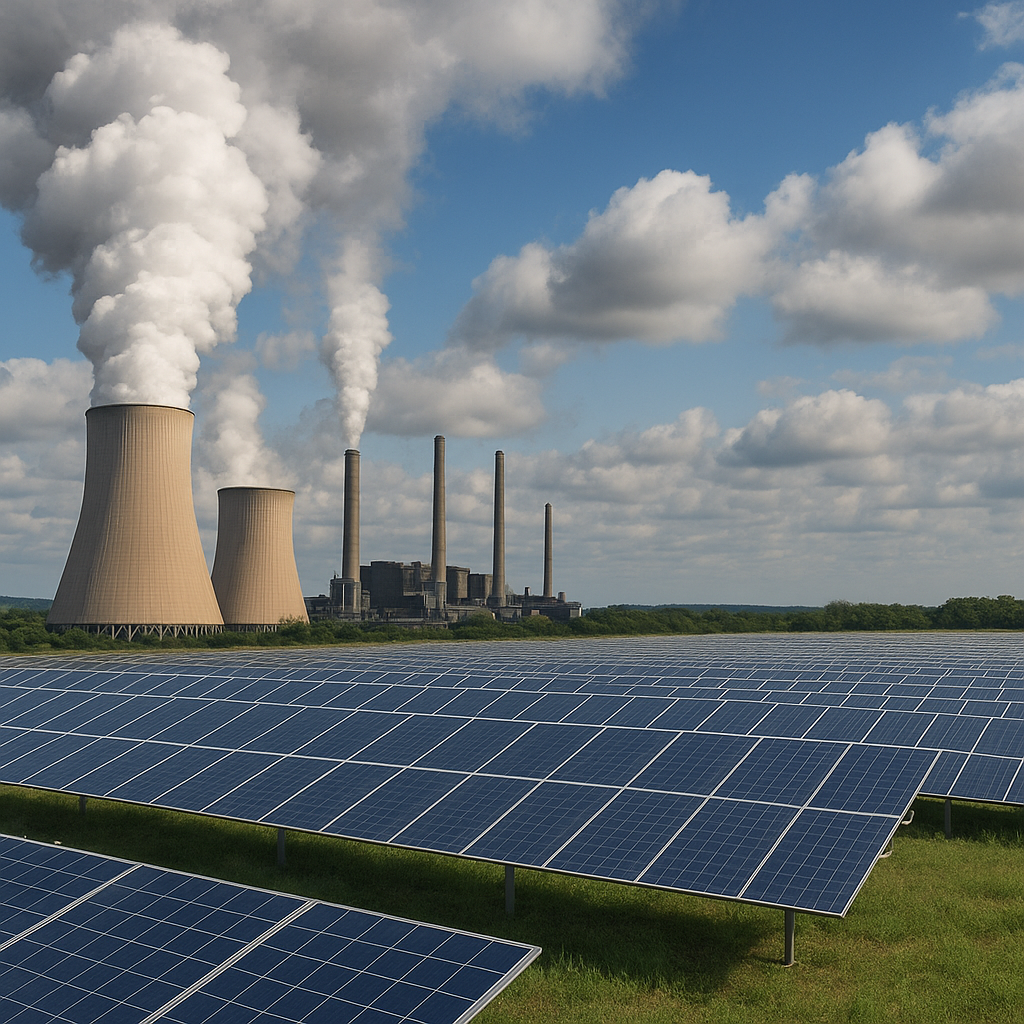
The extensive use of coal has shaped industrial progress for centuries, furnishing energy and raw materials that powered factories, railways, and power plants. As one of the most abundant fossil resources, coal remains central to global energy strategies, yet it also raises critical questions about environmental protection, resource management, and innovative reuse of residual byproducts such as coal ash. This article explores the geological origins of coal, the dynamics of coal stock storage, the environmental footprint of coal consumption, and the emerging practices for safely reusing coal ash in construction, agriculture, and environmental remediation.
Origins and Formation of Coal
Coal forms over millions of years through the transformation of vegetation under conditions of heat and pressure. The process, known as coalification, progresses through four primary ranks:
- Lignite: Also called brown coal; low carbon content and high moisture, primarily used in electricity generation.
- Subbituminous: Intermediate rank with improved energy density.
- Bituminous: High carbon content, widely used in power plants and industry.
- Anthracite: Highest carbon concentration, cleanest burning, but less abundant globally.
Throughout coalification, volatile compounds are driven off and the material becomes richer in fixed carbon, increasing its calorific value. The geologic settings—swamp basins, deltaic plains, and peat bogs—provide the organic precursor, while tectonic burial and geothermal gradients supply the necessary combustion conditions for transformation.
Coal Stockpiles and Their Management
After mining, coal is often transported to large storage yards near power stations or ports. Managing coal stockpiles is crucial to prevent spontaneous combustion, air pollution, and water contamination. Key challenges include:
Spontaneous Heating and Fire Risk
- Oxidation of exposed coal surfaces produces heat, potentially leading to self-ignition.
- Monitoring temperature and gas emissions helps detect early warning signs.
Airborne Particulate Matter
- Wind erosion of dusty coal piles releases fine particulates (PM2.5 and PM10).
- Implementing dust suppression using water sprays or chemical stabilizers mitigates health risks.
Water Pollution Control
- Runoff from coal yards can carry soluble sulfates and trace metals into nearby waterways.
- Containment ponds and treatment wetlands are deployed for effective runoff management.
Innovative practices such as covering piles with geotextiles, installing windbreaks, and employing infrared thermal imaging for sustainability monitoring have become industry standards for safe coal storage.
Environmental Impacts of Coal Utilization
Combusting coal releases significant quantities of carbon dioxide, sulfur dioxide, nitrogen oxides, and particulate pollutants, contributing to climate change, acid rain, and respiratory ailments. Key environmental concerns include:
- Emissions of greenhouse gases: Coal-fired power plants are among the largest stationary sources of CO₂.
- Acid rain precursors: SO₂ and NOₓ transform in the atmosphere into sulfuric and nitric acids, harming ecosystems.
- Mercury and heavy metal release: Coal naturally contains trace metals that volatilize during combustion.
- Land degradation from mining: Surface mining disturbs large landscapes and disrupts habitats.
Efforts to mitigate these impacts focus on advanced flue gas desulfurization, selective catalytic reduction, mercury capture systems, and progressive mine reclamation strategies. Transitioning to sustainability-oriented energy portfolios requires balancing energy security with environmental stewardship.
Coal Ash: Challenges and Opportunities
Coal ash, the residual material left after combustion, includes fly ash, bottom ash, boiler slag, and flue-gas desulfurization sludge. Traditionally considered a waste, coal ash presents both disposal issues and promising applications:
Environmental Concerns of Coal Ash Disposal
- Landfill leachate: Rainwater percolating through ash can mobilize arsenic, lead, and selenium.
- Structural failures: Dams and impoundments have ruptured, releasing toxic slurries into rivers.
- Airborne dust hazards: Dry ash storage can generate fugitive dust containing heavy metals.
Beneficial Reuse Practices
- Concrete and cement production: Fly ash improves compressive strength and reduces permeability.
- Road base and asphalt: Ash serves as a filler and stabilizer, enhancing durability.
- Soil amendment: Certain classes of ash can correct soil acidity and add essential minerals.
- Geopolymer synthesis: Coal ash reacts with alkaline activators to form robust geopolymer materials for construction.
These reuse pathways reduce the need for virgin materials, decrease landfill volume, and minimize the toxicity footprint. Strict quality control and leachate testing ensure that ashes destined for reuse meet environmental safety thresholds.
Innovations in Coal Ash Remediation and Policy
Advancements in research have paved the way for improved ash management and regulatory frameworks aimed at reclamation and beneficial use:
Encapsulation and Solidification Techniques
- Stabilizing heavy metals by incorporating ash into cementitious matrices.
- Co-processing ash with industrial byproducts, such as slag or lime, to immobilize toxins.
Regulatory Standards and Incentives
- Governments implement guidelines for ash quality, leachability, and permissible uses.
- Incentive programs encourage industries to adopt sustainability-oriented ash reuse projects.
Research on Alternative Products
- Developing synthetic aggregates for lightweight concrete blocks.
- Using ash in polymer composites to enhance mechanical and thermal properties.
Collaborations between academic institutions, industry stakeholders, and regulators are essential to advance safe, cost-effective, and environmentally responsible coal ash utilization.
Future Perspectives on Coal and Its Residuals
As the global energy landscape evolves, coal will likely remain part of the energy mix for several decades, especially in regions with abundant reserves. However, ensuring that coal use aligns with climate goals and public health demands continuous innovation in emissions control, carbon capture, and waste infrastructure. The safe reuse of coal ash not only addresses waste management challenges but also contributes to circular economy principles by turning waste into a valuable resource.
Key factors shaping the future include:
- Advancements in carbon capture and storage (CCS) technologies.
- Stricter environmental regulations driving cleaner coal utilization.
- Market development for ash-derived products bolstering resource efficiency.
- Community engagement and transparent risk communication.
By integrating robust policy frameworks, innovative engineering, and sustainable practices, the coal industry can mitigate its environmental footprint and explore new frontiers in material reuse, demonstrating that even legacy energy sources can adapt to the demands of a cleaner, more resource-efficient world.