The following article provides a comprehensive overview of the Bogie River Mine in Australia — its geographic setting, the type of coal produced (where information is available), economic and industrial significance, environmental and social aspects, and technical and statistical context. Where precise public data for this specific site is limited, the narrative explains the broader regional and sectoral context that shapes the mine’s role in Australia’s mining landscape.
Location and geological setting
The Bogie River Mine is situated in Queensland, Australia, in an area named after the local Bogie River catchment. The site is part of the complex mosaic of coal-bearing basins and sedimentary formations that characterize large portions of Queensland and eastern Australia. Coal occurrences in the region are generally associated with Permian and Triassic sedimentary sequences, deposited in fluvial and deltaic environments hundreds of millions of years ago.
Regional context
- Geological environment: Coal seams in Queensland are typically found in interbedded sandstone, siltstone and shale sequences. These sediments were subject to burial, heat and pressure that eventually created coal of various ranks from lignite through to bituminous and, less commonly in the region, higher-grade coking coals.
- Hydrology and terrain: The Bogie River catchment influences local mine planning and environmental management. Surface water management, groundwater interactions and sediment control are key site considerations due to the mine’s proximity to waterways.
- Accessibility: Proximity to regional transport corridors (local roads, possible railheads and ports) determines the mine’s commercial viability. Infrastructure investments or access to existing export facilities are essential for sending coal to domestic or international markets.
Types of coal and mining methods
The Bogie River area hosts coal deposits that are generally exploited for use as either thermal coal (for electricity generation) or, in some cases where higher rank and volatile matter are suitable, for metallurgical (coking) purposes. Exact seam characteristics — calorific value, ash content, moisture, sulphur and volatile matter — are the primary determinants of end use.
Coal quality and characteristics
- Rank and grade: Deposits in this region are most commonly medium- to high-volatile bituminous coals suitable for power generation and certain industrial uses. If higher-rank seams exist locally, they may be marketed as coking coal after testing and beneficiation.
- Coal quality parameters: Typical parameters used to describe coal include gross calorific value (MJ/kg), ash content (%), total moisture (%), sulphur content (%) and sodium/potassium levels (relevant for steelmaking).
Mining and processing methods
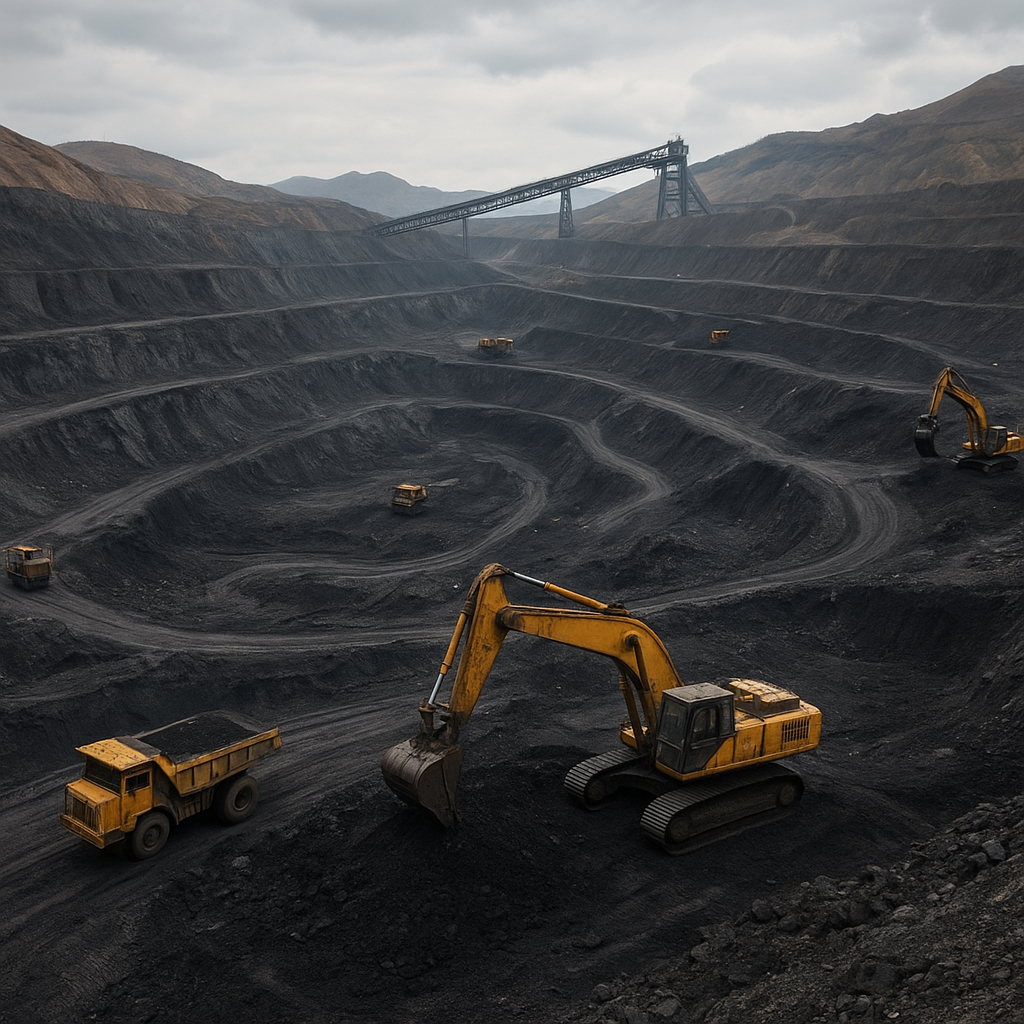
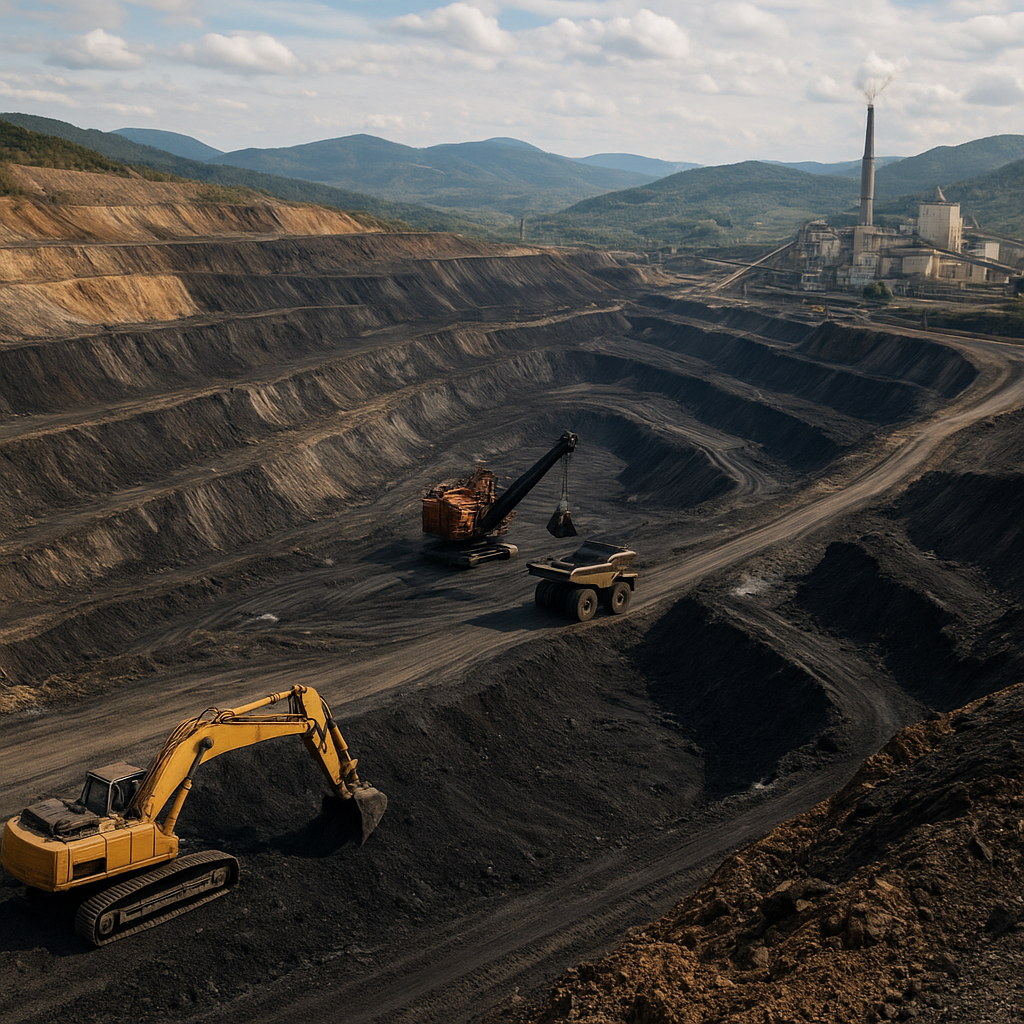
- Mining method: Depending on seam depth and geometry, mining could be either surface (open-cut) or underground (board-and-pillar, longwall or room-and-pillar). In many Queensland projects, economically accessible near-surface seams are exploited by open-cut methods due to lower costs and simpler access.
- Processing: Run-of-mine coal usually undergoes screening, crushing and sometimes washing (beneficiation) to reduce ash and improve marketable calorific value. Tailings management and water recycling are integral to processing operations.
- Rehabilitation: Progressive rehabilitation of disturbed land is required by regulators. This involves reshaping, capping, topsoil replacement and revegetation with native species to restore ecosystem function.
Ownership, history and project development
Ownership and operational status of sites referred to as the Bogie River Mine have varied over time, with interests potentially held by exploration companies, private coal operators or joint ventures. Many Australian coal projects begin as exploration licences, progress through feasibility and environmental approvals, and then move into production as commercial circumstances (commodity prices, infrastructure access, regulatory approvals) allow.
Exploration and approvals
- Exploration phase: Initial work commonly includes geological mapping, drilling, seam logging, and resource estimation according to internationally accepted codes (for example, JORC — the Australasian Code for Reporting of Exploration Results, Mineral Resources and Ore Reserves).
- Environmental approvals: Development requires an environmental impact assessment, water studies, cultural heritage surveys and community consultation. Approvals may be issued at state and sometimes federal levels depending on scale and potential impacts.
- Project finance: Financing a mine typically involves company equity, project finance loans, offtake contracts and sometimes infrastructure-sharing agreements with port or rail operators.
Economic and industrial significance
While site-specific production and revenue figures for the Bogie River Mine may not be publicly disclosed in a consistent way, coal mining in Queensland contributes substantially to regional employment, export earnings and local supply chains. The role of a single mine must be considered in the context of the broader coal industry, which supports investment in transport and port infrastructure, regional services and indirect employment.
Employment and regional development
- Direct employment: A mid-sized open-cut coal operation typically employs hundreds of workers across mining, maintenance, processing, environmental management and administration. Smaller operations have commensurately fewer employees.
- Indirect economic activity: Local businesses provide services such as catering, accommodation, equipment maintenance, transport and contracting. Royalties and taxes also contribute to state and federal revenues.
- Community benefits: Mining companies often support local community programs, infrastructure improvements, training initiatives and partnerships with local governments.
Export markets and value chain
Australian coal is a globally traded commodity. Typical export markets include countries in East and South Asia, where coal is used for power generation and steelmaking. The export value chain involves:
- Milling and washing at-site to meet buyer specifications
- Transport by road or rail to port terminals
- Bulk shipping to overseas buyers
For single-site operations like Bogie River, access to reliable transport and port capacity is often the decisive factor in achieving competitive pricing and sales contracts.
Statistical data and transparency
Publicly available, site-level production statistics for many small-to-medium Australian coal projects are sometimes limited, and figures fluctuate with commodity prices and operational changes. As of my last comprehensive data update, consolidated public statistics specific to the Bogie River Mine’s annual output, proven reserves and historic production are not widely published by major statistical agencies. Where companies operate the site, production and reserve data may appear in corporate reports, regulatory filings or environmental statements.
Indicative metrics often reported for coal mines
- Annual production (Mtpa): Commonly reported in million tonnes per annum (Mtpa). Small mines may produce <0.5 Mtpa, while larger operations produce several Mtpa.
- Measured and indicated resources (Mt): JORC-compliant resource statements quantify in millions of tonnes.
- Mine life (years): Derived from the ratio of reserves to annual mining rate and can range from a few years for small deposits to several decades for major mines.
To obtain exact figures for Bogie River Mine — for example, proven reserves, annual tonnage or workforce numbers — the most reliable sources are company annual reports, regulatory environmental approvals and state government mining registries. These documents are typically published by the operating company or the Queensland Department of Resources / equivalent agency.
Environmental and social considerations
Coal mining presents environmental challenges that require careful management. For Bogie River Mine, standard issues include land disturbance, water resource management, dust and air quality, greenhouse gas emissions and impacts on biodiversity and cultural heritage.
Key environmental management areas
- Water management: Surface water diversion, sediment control, groundwater drawdown and mine-water treatment are critical to protect downstream ecosystems and local water users.
- Biodiversity: Clearing and habitat fragmentation can affect native species. Mine approvals usually require mitigation measures and biodiversity offsets where significant impacts are identified.
- Air quality and dust: Fugitive dust from blasting, hauling and stockpiles is managed through watering, covered conveyors and monitoring programs.
- Greenhouse gas emissions: Coal extraction, processing and combustion emit CO2 and methane (particularly from underground coal seams). Companies often report Scope 1, 2 and sometimes Scope 3 emissions in sustainability disclosures and may adopt measures to reduce emissions intensity.
- Rehabilitation and closure: Progressive rehabilitation is mandated, ending with a final landform suitable for agreed post-mining land uses such as grazing, conservation or community use.
Social license to operate
Maintaining good relations with local communities and stakeholders is essential. Engagement includes:
- Consultation programs: Early and sustained dialogue with landholders, traditional owners, local councils and community groups.
- Indigenous heritage protection: Surveys, cultural heritage management plans and negotiated agreements with traditional owner groups.
- Local investment: Employment and procurement strategies that favour local suppliers and training programs to build regional capacity.
Safety, regulation and governance
Coal mining in Australia operates under stringent safety and environmental regulations. Site-level governance includes mine safety systems, environmental management plans, emergency response capabilities, and compliance reporting to regulators.
Regulatory framework
- State oversight: Queensland authorities regulate mining operations, issue leases and enforce environmental conditions.
- Workplace health and safety: Occupational safety standards for mining operations are enforced through inspection programs, incident reporting and investigations.
- Transparency and reporting: Companies typically publish environmental impact statements (EIS), annual sustainability reports and financial disclosures that include operational metrics where relevant.
Industrial importance and strategic role
Within the Australian coal industry, any operating site contributes to domestic energy security, export earnings and industrial supply chains. Even smaller mines play a role in local economies by providing jobs, stimulating service industries and supporting regional infrastructure.
Downstream linkages
- Power generation: Thermal coal supports electricity generation in domestic and overseas markets; changes in demand for thermal coal impact mine economics.
- Steelmaking: Metallurgical coal is a critical feedstock for steel production. If Bogie River hosts coking coal, it adds value by supplying higher-margin metallurgical markets.
- Transport and logistics: Rail and port capacity constraints can limit expansion; conversely, investment in infrastructure can unlock mine development potential.
Trends, challenges and future outlook
The future of coal mines like Bogie River is shaped by a mix of market, regulatory and societal trends. Major drivers include global energy transitions, commodity price cycles, technological changes and evolving environmental policy.
Market dynamics
- Demand shifts: Long-term demand for coal is influenced by global efforts to decarbonise electricity systems and by demand for steel. Some markets are transitioning faster than others, affecting price stability and investment decisions.
- Price volatility: Coal prices can be volatile, driven by supply disruptions, shipping costs, currency movements and policy changes in major consuming countries.
- Competition: Australian mines compete with coal from other countries (e.g., Indonesia, Russia, the United States) — quality, logistics and contractual relationships determine competitiveness.
Operational and policy challenges
- Regulatory tightening: Increasing expectations on emissions reduction and environmental protection may raise compliance costs and influence permitting decisions.
- Community expectations: Greater stakeholder scrutiny requires transparent environmental performance and community investment.
- Technological adaptation: Innovations (e.g., improved washability, methane capture, automation) can reduce costs and environmental footprint, but require capital.
Outlook for Bogie River Mine
The medium-term prospects for Bogie River Mine depend on the specific seam quality, access to export infrastructure, operating costs and the broader market for coal. Sites with high-quality coal and reliable logistics generally retain competitive advantages. Conversely, if the deposit is lower grade, its viability may depend on effective beneficiation, local demand or niche markets.
Interesting facts and contextual notes
- Local naming and identity: Many Australian mines take their names from nearby rivers, creeks or land features — the Bogie River lends local identity to the site and shapes community perceptions.
- Historical patterns: Some coalfields in Queensland were discovered in the late 19th and early 20th centuries and have intermittent production histories; other sites have been developed more recently after modern exploration techniques identified economically viable seams.
- Comparative scale: Australian coal producers range from small family-owned operations to major multinational companies. The economic footprint of Bogie River Mine will reflect its size, ownership structure and market orientation.
How to find up-to-date site-specific data
If precise and current statistics are required (e.g., annual production, reserves, workforce numbers, ownership), the best sources are:
- Company disclosures: Annual reports, investor presentations and statutory filings by the operator or project owner.
- Regulatory agencies: Queensland Department of Resources or equivalent provincial mining registries that list permits, approvals and environmental conditions.
- Environmental impact statements (EIS): These documents often contain detailed baseline studies, mine plans, production forecasts and rehabilitation commitments.
- Industry databases: Subscription and public databases that track Australian mining projects and commodity statistics.
Conclusion
The Bogie River Mine — located in the Bogie River catchment of Queensland — is representative of many Australian coal projects whose significance extends beyond immediate production figures. Important themes include the nature and quality of coal (thermal vs metallurgical), access to transport and export infrastructure, environmental management and local economic impacts. Precise statistics and operational details are typically disclosed by project owners and regulators; where those are not publicly summarized, broader regional and industry data provide valuable context for understanding the mine’s role in Australia’s coal sector.