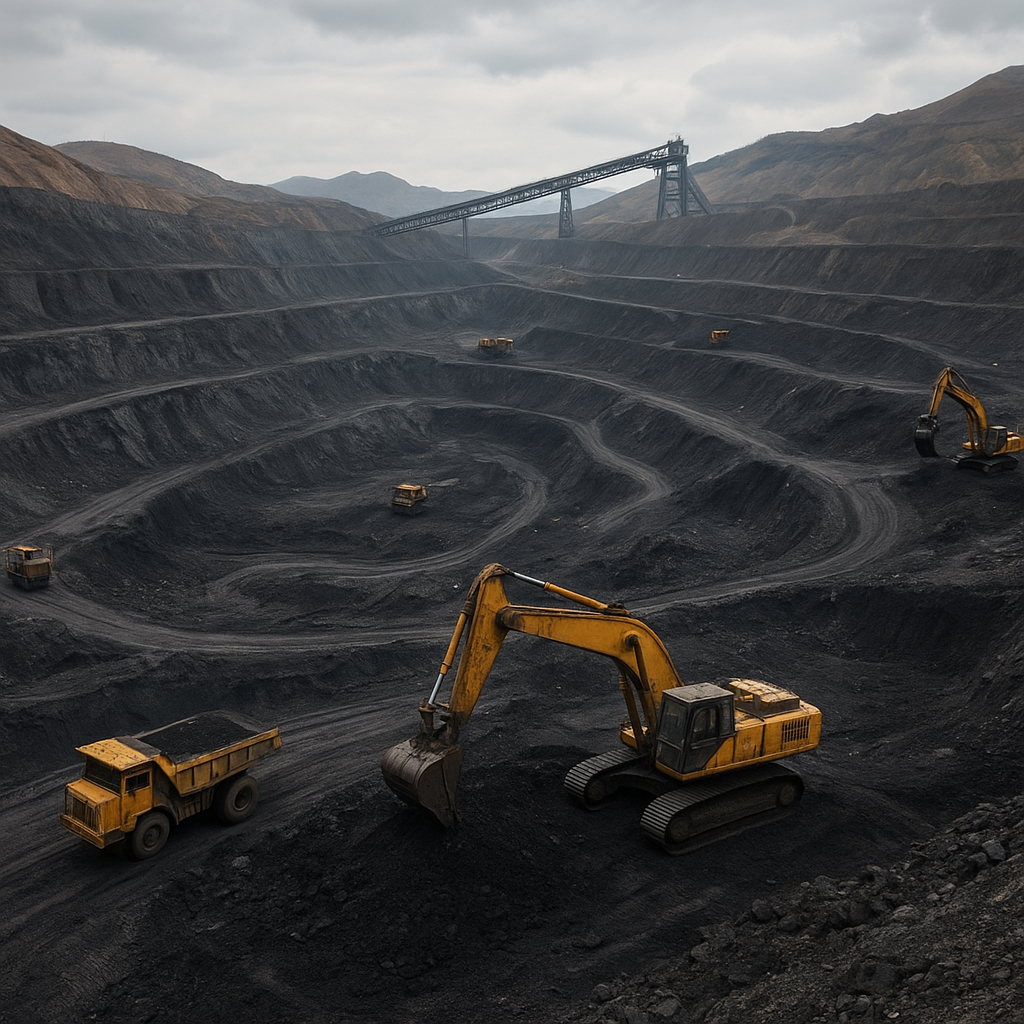
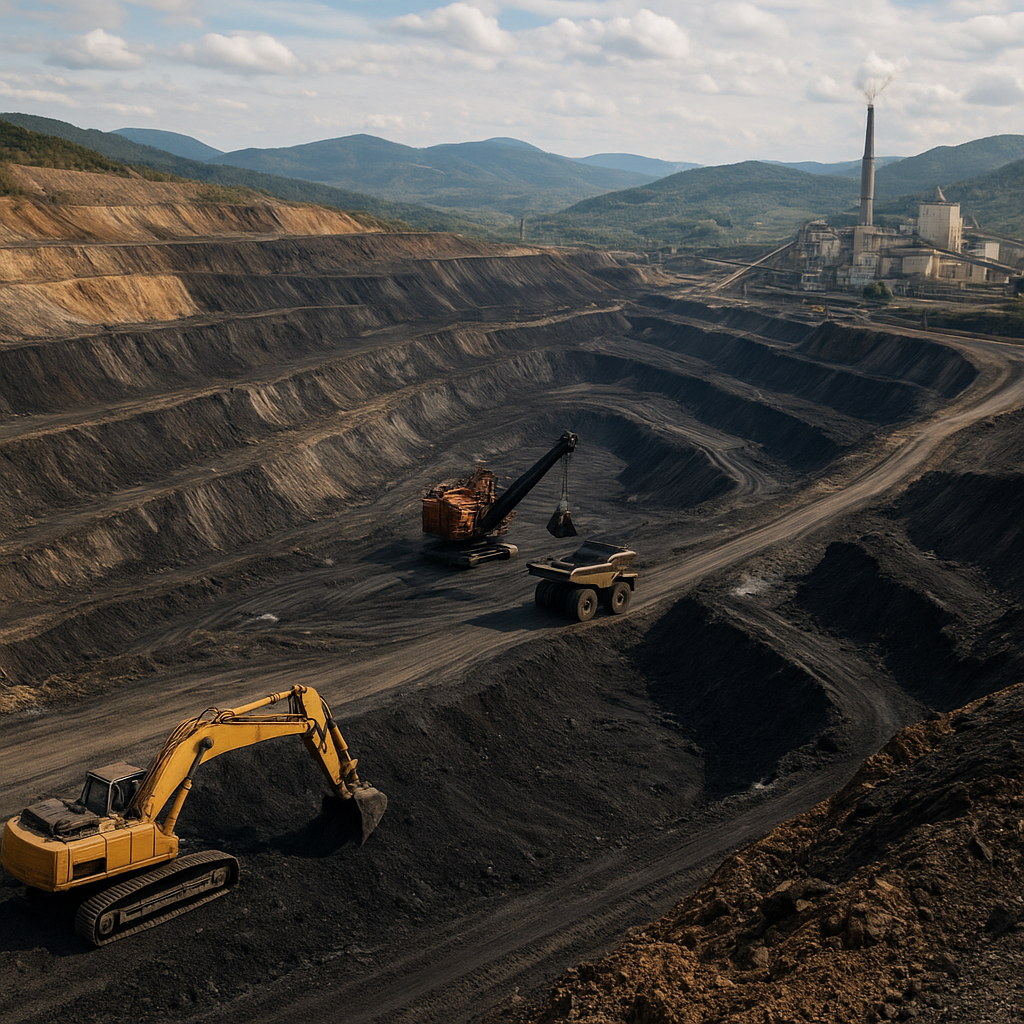
The Bina Project Mine, often referenced in regional coal development discussions in central India, represents a component of the country’s extensive coal-mining landscape. This article summarizes the known geological, technical, economic and social dimensions associated with the Bina Project Mine and situates it within broader Indian coal-sector dynamics. It explains what is extracted, the type of coal, operational methods, economic importance, environmental and social issues, and prospects for the future. Where detailed mine-level statistics are scarce in public sources, the discussion uses reliable national and regional indicators to provide context.
Location, geological setting and resource characteristics
The Bina Project Mine is situated in central India, in proximity to the town of Bina in the state of Madhya Pradesh. The site lies within the extensive Gondwana coal basin system that underpins much of central and eastern Indian coal production. Geologically, this basin comprises Permian-age sequences that host a variety of coal seams with differing thicknesses and quality. Mines in this region typically exploit seams formed during the Gondwana period and display a spectrum of ranks from sub-bituminous to lower-grade bituminous coal.
Coal extracted from central Indian basins, including those near Bina, is primarily intended for thermal power generation. The coal tends to have moderate to high ash content and variable calorific value, characteristics which influence beneficiation needs, transport economics and end-use efficiency. Typical seam depths in these basins vary: many economically workable seams are accessible through open-cast mining methods when near-surface, whereas deeper seams require underground workings. The Bina Project Mine, according to regional mining practice and public project descriptions, is planned and operated to capitalize on relatively shallow seams, favoring surface mining for cost-efficiency and scale.
What is extracted and coal quality
The primary product of the Bina Project Mine is coal for electricity generation. The coal type can be described generally as thermal coal with tendencies toward sub-bituminous to low-volatile bituminous ranks. Key quality parameters affecting its use are:
- Calorific value (gross as received): typically in a range common for central Indian coals, often between 3,500–5,500 kcal/kg, depending on seam and beneficiation;
- Ash content: relatively high in comparison to many international thermal coals, commonly ranging from 20% to 40% (or more in some seams), which increases handling and disposal costs;
- Moisture and volatile matter: variable, with higher moisture reducing net calorific value and potentially increasing transport costs;
- Sulfur and trace elements: generally low-to-moderate sulfur content in Gondwana coals, but trace element content must be monitored for emissions control.
Because of the ash levels and variable calorific values, coal from the Bina Project typically requires blending or beneficiation before being used in high-efficiency thermal plants. Blending is a common strategy across India: mines supply raw coal that is blended with higher-grade material or treated at coal-handling and washery facilities to meet consumption specifications for utilities.
Mining methods, infrastructure and operations
Operations at the Bina Project Mine follow the common patterns of large-scale surface coal mining in India. Key operational elements include:
- Open-cast mining: Adopted where seams are shallow and lateral continuity permits economical extraction. This method allows rapid production scaling and mechanized excavation using draglines, shovels, and dump trucks.
- Strip ratios and overburden management: A critical planning metric determining economic viability. Efficient overburden removal and safe stacking are essential for cost control and rehabilitation.
- On-site coal handling and processing facilities: including primary crushers, conveyors, and sometimes washery units to reduce ash and upgrade calorific value.
- Transport logistics: Coal output is typically moved by dedicated rail spurs or road networks to power plants, bulk consumers or railway yards. The integration with Indian Railways is central to the supply chain and pricing.
- Safety systems and workforce training: Heavy machinery operations necessitate rigorous occupational health and safety practices, emergency response capacity and ongoing personnel training.
The mine’s life-of-mine plan, drilling programs, and phased extraction approach are designed to maximize proven reserves while allowing for environmental controls and staged reclamation. As with many Indian projects, close coordination with national and state authorities governs land acquisition, environmental clearances and community engagement.
Economic and statistical context
Precise, up-to-date mine-level production and reserve statistics for the Bina Project Mine are not always published in the public domain. However, the project’s significance can be gauged by placing it within national and state coal-sector data:
- India’s coal production: India is one of the world’s largest coal producers and consumers. In recent fiscal years, annual domestic coal production in India has been in the mid-to-high hundreds of millions of tonnes, supplying the majority of the country’s thermal electricity generation.
- Coal’s role in electricity: Coal typically accounts for roughly 60–70% of India’s electricity generation mix, depending on seasonal variations and the commissioning of new renewable or gas-based plants. This reliance underscores the strategic value of domestic mines.
- Regional contribution: Mines in central India, including those within the Gondwana basins, contribute material volumes to regional power plants and industries. Production from projects of Bina’s scale can support one or more medium-to-large thermal units or supply industrial consumers such as cement plants.
- Employment and local economic impact: A single medium-scale mine often supports several hundred to a few thousand direct jobs during construction and operation, with additional indirect employment in logistics, supply, services and local commerce.
When mine-specific numbers are unavailable publicly, project assessments typically reference measured, indicated and inferred resources (in million tonnes) and annual extraction capacities (in million tonnes per annum, MTPA). For example, many contemporary Indian mines are planned with capacities ranging from 1 to 10 MTPA depending on geology, demand and infrastructure. The Bina Project Mine’s designed capacity, strip ratio, and estimated recoverable reserves would be provided in company project documents and environmental impact assessments filed with regulators.
Economic significance and value chain
The Bina Project Mine contributes to the broader energy-security and industrial goals of the region and country. Key economic functions include:
- Ensuring steady supply of thermal coal to power plants, helping to stabilize regional grid supply and reduce dependence on long-distance coal transport.
- Supporting local industry: the availability of coal at competitive delivered cost can influence the competitiveness of local manufacturing, cement, and brick-making sectors.
- Fiscal benefits: The mine generates royalties, taxes, and lease-related revenues for state and central governments. These fiscal inflows fund infrastructure and public services if effectively administered.
- Foreign exchange savings: Domestic coal production reduces the need for costly coal imports, helping preserve foreign exchange and managing trade balances.
In addition to direct sales, coal supply from Bina-type projects often integrates with national initiatives—such as bulk allocation to government-distributed power plants, captive coal usage arrangements, and private offtake agreements—shaping local and national industrial development strategies.
Environmental and social considerations
Mining projects such as the Bina Project raise significant environmental and social issues that are now central to permitting and operational planning. Important factors include:
- Land acquisition and resettlement: Surface mining requires significant land area for excavation, overburden dumps and infrastructure. Responsible projects implement resettlement and rehabilitation plans that aim to secure fair compensation, alternate livelihoods and community services.
- Air quality and dust management: High ash coal, handling operations and haul roads contribute to airborne particulates. Mitigation measures include water spraying, covered conveyors, green buffers and controlled blasting practices.
- Water management: Mines use water for dust suppression, washery operations and domestic needs. Sustainable water balance planning is essential to avoid depleting local aquifers and to manage effluent quality.
- Waste and ash disposal: High ash coal increases the volumes of waste materials. Modern projects emphasize engineered ash ponds, dry disposal where feasible, and ash utilization programs in construction and cement industries to minimize environmental footprint.
- Biodiversity and reclamation: Progressive reclamation of mined-out areas, topsoil preservation and reforestation are standard conditions of environmental clearances. Successful mines incorporate biodiversity offsetting and long-term land-use planning.
- Community engagement and CSR: Companies operating in the region implement corporate social responsibility (CSR) programs focusing on education, healthcare, potable water, roads and vocational training to sustain community relations.
Regulatory frameworks in India require detailed environmental impact assessments and public hearings before major coal projects receive approval. The effectiveness of mitigation measures hinges on enforcement, monitoring and community participation.
Safety, technology and operational efficiency
Mining safety and productivity depend on modern engineering, mechanization and operational best practice. Key elements for a mine like Bina include:
- Mechanized equipment: Use of high-capacity shovels, dumpers, graders and dozers improves productivity and reduces manual labour exposure to hazardous tasks.
- Digital monitoring: Fleet management systems, real-time telemetry, predictive maintenance and mine-planning software help optimize productivity and reduce downtime.
- Ventilation and gas monitoring: For underground components (if present), robust ventilation, gas detection and emergency protocols are mandatory to control methane and other hazards.
- Safety training and culture: Ongoing skill development, safety audits and management commitment are essential to reduce accidents and enhance morale.
- Beneficiation and emissions control: Washery plants, desulfurization and particulate control at power plants using the coal are part of the integrated approach to ensure environmental compliance.
Efficiency gains from technology not only reduce costs per tonne but also lower the environmental footprint per unit of energy produced, helping align mining operations with national commitments to cleaner energy and emissions management.
Transport, logistics and market linkages
Transport forms a critical link between minegate production and end-use. For the Bina Project Mine, logistical aspects typically include:
- Rail connectivity: Integration with Indian Railways via dedicated sidings or loop lines is essential for bulk movement. Rail transport remains the most economical and scalable solution for moving coal over long distances.
- Road transport: Short-distance haulage and last-mile delivery commonly rely on heavy-truck fleets. Road upgrades and traffic management near mines are frequent local priorities.
- Bulk handling terminals and stockyards: Regional stockyards, washing facilities and sorting terminals facilitate blending and dispatch planning.
- End-user contracts: Long-term offtake arrangements with power utilities and industrial consumers provide revenue certainty and underpin investment decisions.
Supply-chain resilience is a strategic consideration: seasonal disruptions, rail capacity constraints and regulatory changes can all affect delivered costs and scheduling.
Socio-economic impacts and benefits
Mines generate both positive economic impacts and social challenges in surrounding districts. Positive outcomes often reported in Indian mining regions include:
- Employment generation (direct and indirect) across construction, operations and services;
- Infrastructure development: roads, electricity, schools and health centres often follow major projects;
- Local entrepreneurship: supply of goods and services to the mine and its workforce can stimulate small business growth;
- Skill building: vocational training programs enable local workers to move into skilled positions.
Conversely, common challenges include displacement, changes in traditional livelihoods, pressure on local ecosystems and potential health impacts from air and water pollution. Effective mitigation requires sustained stakeholder engagement and transparent benefit-sharing mechanisms.
Regulatory framework, approvals and community involvement
Coal mining in India is governed by a combination of national laws, state regulations and sector-specific policies. Key regulatory elements relevant to the Bina Project Mine include:
- Mandatory environmental clearances and public consultations enforced by state and central regulators;
- Land acquisition laws and compensation frameworks that determine resettlement and rehabilitation arrangements;
- Mining lease conditions and royalty regimes that define fiscal obligations to the state;
- Employment and local procurement requirements in some contracts or corporate commitments;
- Periodic monitoring and compliance reporting to demonstrate adherence to environmental and safety standards.
Community involvement through public hearings, grievance redressal mechanisms and CSR initiatives is now an established element of project execution. Governance transparency and meaningful community representation are critical to long-term social license to operate.
Challenges, risks and mitigation
Several challenges confront coal projects like the Bina Project Mine:
- Quality constraints: High ash and variable calorific value necessitate greater beneficiation or blending, affecting unit costs;
- Environmental pressures: Air and water impacts require investment in mitigation and long-term remediation;
- Regulatory uncertainty: Changes in policy, royalty rates or environmental standards can alter project economics;
- Market dynamics: Growth in renewable generation and policy support for cleaner fuels may shift long-term demand patterns;
- Social risks: Land disputes, inadequate compensation or poor community engagement can halt or delay projects.
Mitigation strategies include investing in washery capacity, adopting best-practice environmental controls, diversifying offtake arrangements, and proactive community development programs that align local economic objectives with mine activities.
Future prospects and strategic relevance
In the medium term, coal will likely remain a significant part of India’s energy mix due to the scale of existing thermal infrastructure and ongoing demand growth. For the Bina Project Mine, future prospects hinge on:
- Cost competitiveness: Lower production costs and efficient logistics will keep the coal economically attractive compared with imports;
- Quality improvement: Investment in beneficiation and blending to meet stricter plant emissions standards will increase market access;
- Integrated planning: Coordinating with regional power projects and industrial consumers to ensure predictable demand and price stability;
- Environmental compliance and reclamation: Demonstrable progress on rehabilitation and emissions control will ease regulatory and social constraints;
- Potential diversification: Long-term strategies may include using mined land for renewable energy installations after mine closure or integrating alternate resource recovery initiatives.
Strategically, mines such as Bina underpin regional energy security and industrial activity. Even as India expands renewables, the pace of decarbonization and grid management imperatives mean that domestic coal projects will play a role in ensuring stable baseload and flexible generation for years to come.
Key takeaways and final observations
The Bina Project Mine exemplifies a typical centrally located Indian coal project: it extracts primarily thermal coal from Gondwana-age seams, supplies regional power and industry, and brings both economic benefits and environmental/social responsibilities to its host region. While mine-specific publicly available statistics may be limited, the project must be evaluated in the context of India’s broader coal sector—where domestic production supports the bulk of electricity generation, regional economic development, and employment.
For stakeholders—policy makers, investors, local communities and environmental groups—the key priorities are to optimize resource recovery, minimize ecological footprint, secure fair socio-economic outcomes for affected populations, and plan for eventual mine closure and land rehabilitation. With appropriate technology, governance and community engagement, projects like the Bina Mine can contribute to local development while aligning with evolving environmental standards and energy transitions.