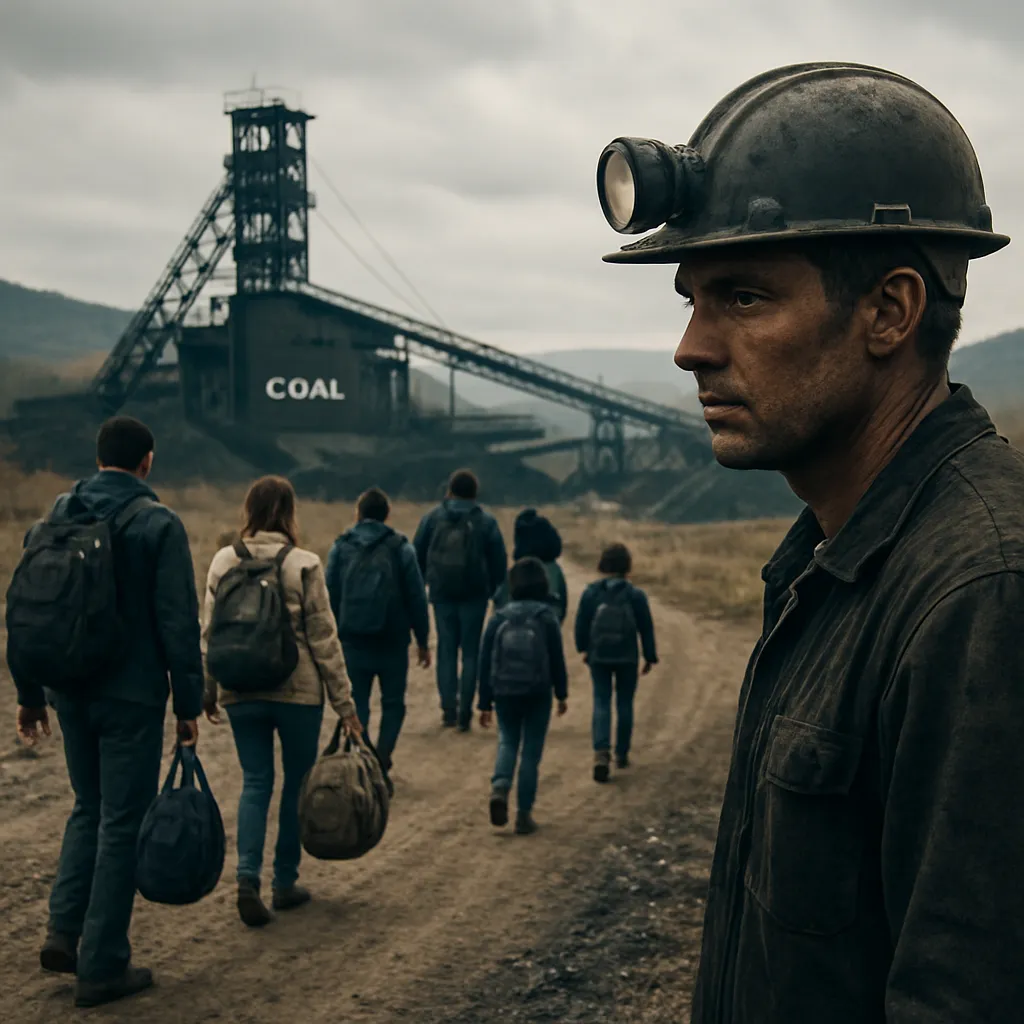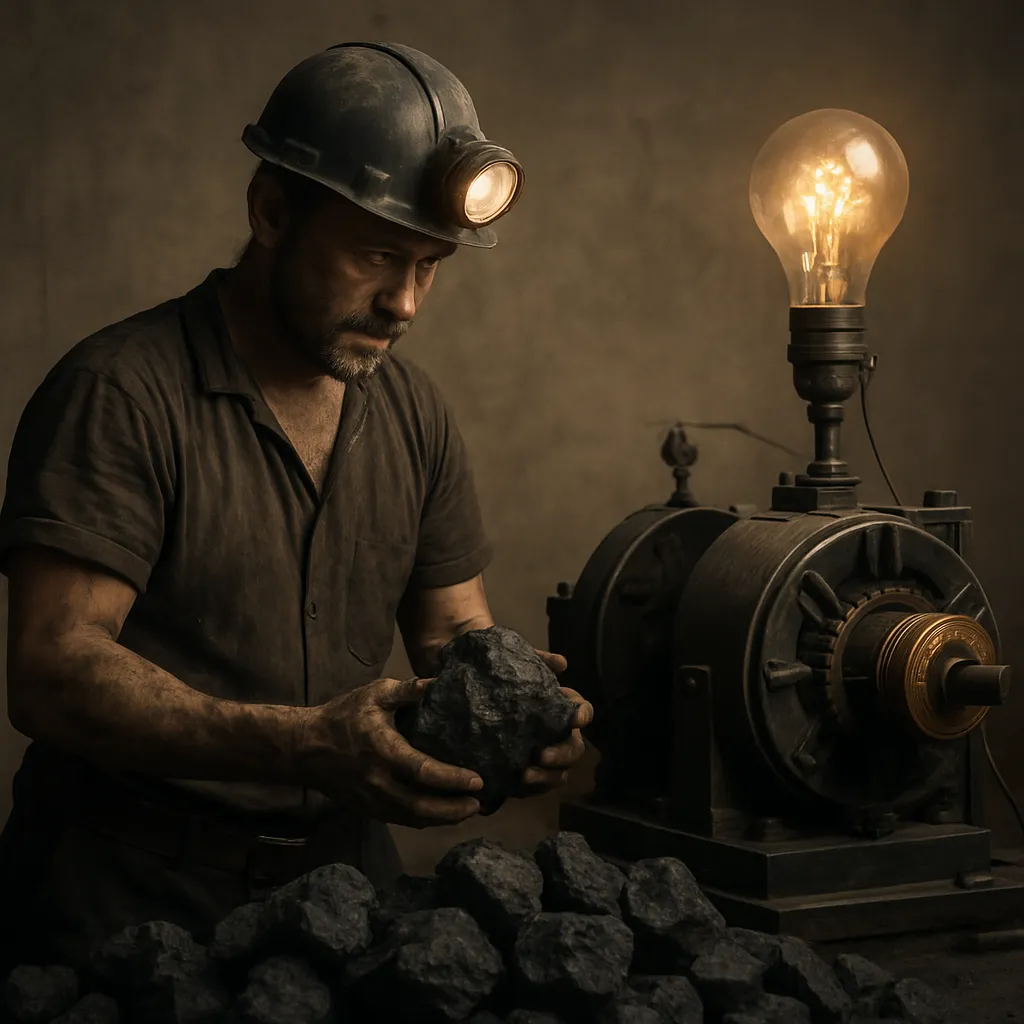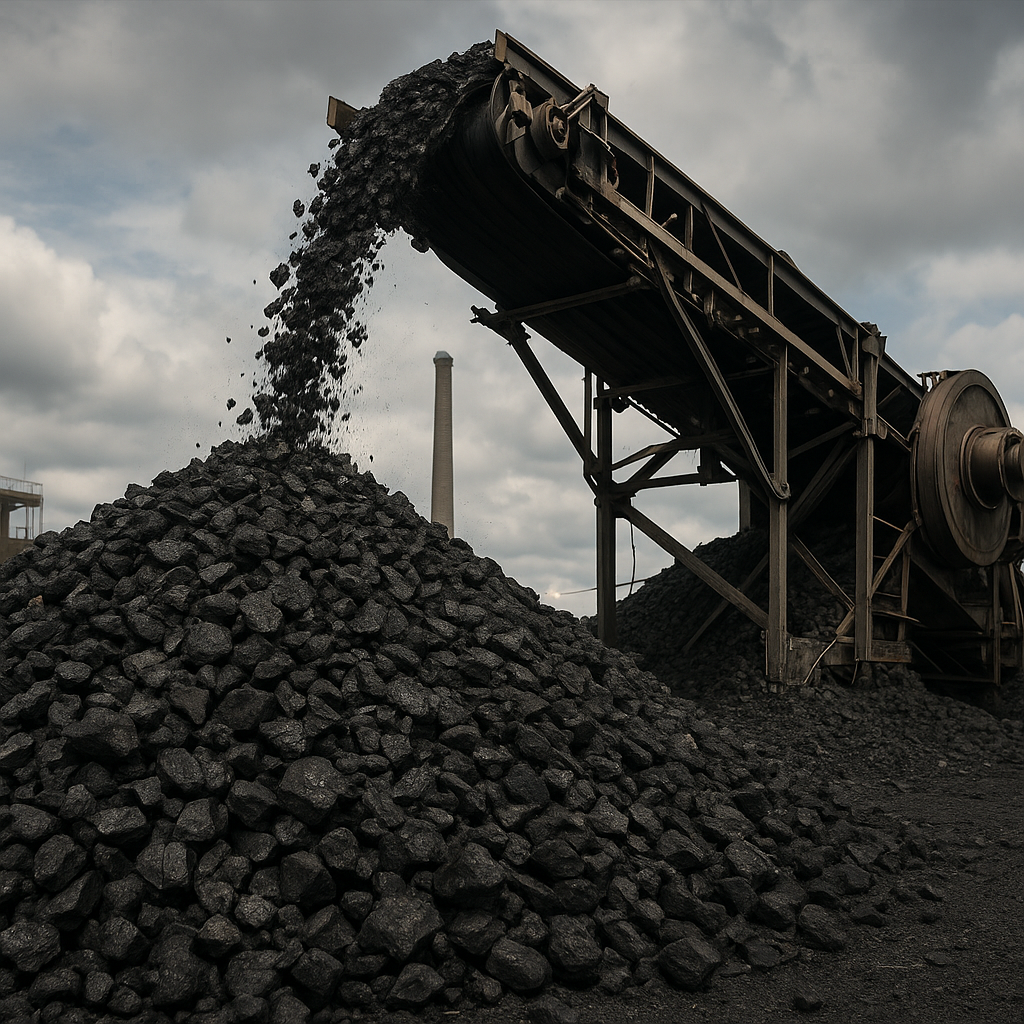
The energy landscape has long been anchored by coal, a resource that fuels industries and powers cities across the globe. As markets evolve and environmental regulations tighten, the practice of blending different coal types has emerged as a pivotal strategy to optimize performance and reduce the carbon footprint. This article explores the multifaceted world of blending technologies, examining the challenges of stockpile management, the precision of quality control, and the cutting-edge innovations driving progress in coal utilization.
Historical Evolution of Coal Blending
Since the dawn of the Industrial Revolution, operators recognized that uniform coal properties were essential for consistent energy output. Early experiments mixed coals with varying calorific values to achieve more stable combustion profiles. In the late 19th century, railways and steel mills began systematic approaches to combine anthracite, bituminous, and lignite coals. These rudimentary methods laid the groundwork for modern techniques, yet they lacked the precision required for today’s stringent market demands.
Over time, advances in analysis allowed engineers to quantify moisture, ash content, sulfur levels, and calorific value with greater accuracy. Laboratories became central to blending operations, offering insight into how different coals could complement each other. By the mid-20th century, national utility companies had adopted centralized blending yards, where mechanical mixers and conveyors handled tens of thousands of tonnes daily. This period marked the transition from ad-hoc mixing to science-driven coal management.
Coal Stock Management and Quality Control
Efficient stockpile management lies at the heart of any blending operation. Stockpiles must be designed to prevent segregation, spontaneous ignition, and moisture ingress. Key strategies include:
- Layered stacking to minimize air pockets and reduce oxidation.
- Cover systems to shield coal from rain and snow, preserving calorific consistency.
- Regular sampling protocols to verify compositional uniformity across different zones.
Quality control laboratories employ techniques such as proximate and ultimate analysis. Proximate tests measure moisture, volatile matter, fixed carbon, and ash. Ultimate analysis reveals elemental composition: carbon, hydrogen, nitrogen, sulfur, and oxygen. Blenders use these results to create proportionate mixes that meet downstream process requirements.
Logistical considerations also shape stock management. The distance between mines, blending facilities, and end users impacts transportation costs and scheduling. Integrating real-time tracking systems for railcars and barges enhances supply chain visibility. By synchronizing deliveries with blending cycles, operators can maintain a continuous feed of coal mixtures, reducing downtime and ensuring consistent quality at power plants and steel mills.
Technological Innovations in Blending Systems
Automated Blending and Control
The advent of computer-controlled blending marks a significant leap in operational efficiency. Advanced software platforms analyze incoming coal streams, calculate optimal blend ratios, and adjust feeders in real time. This automation reduces human error and enhances reproducibility. Key components include:
- Programmable logic controllers (PLCs) that adjust belt feeder speeds.
- In-line analyzers using near-infrared (NIR) spectroscopy for instantaneous quality readings.
- Feedback loops linking laboratory results with plant control systems.
Modular Blending Units
Modern plants often deploy modular blending units that can be expanded or relocated as mine output and market demands shift. These systems feature mobile conveyors, adjustable hoppers, and plug-and-play instrumentation. Operators appreciate the flexibility to reconfigure layouts without extensive civil works, reducing both capital expenditure and commissioning time.
Predictive Maintenance and AI Integration
Condition-monitoring sensors and machine-learning algorithms proactively identify wear, misalignment, or potential hydraulic failures. By analyzing vibration patterns and temperature trends, AI-driven platforms schedule maintenance before breakdowns occur. This approach minimizes unscheduled downtime and extends equipment lifespan, ensuring uninterrupted blending operations.
Environmental and Economic Implications
Blending technologies deliver both environmental and financial benefits. By intermixing high- and low-grade coals, operators can:
- Reduce sulfur dioxide and mercury emissions through strategic selection of low-sulfur feedstocks.
- Optimize calorific value, allowing boilers to operate at peak thermal efficiency.
- Lower overall fuel costs by incorporating inexpensive, locally available coal varieties.
From an environmental perspective, fine-tuning the blend can significantly cut particulate output and greenhouse gas intensity. Blended coals with controlled ash content decrease the load on electrostatic precipitators and fabric filters. Moreover, co-blending biomass with coal is an emerging trend aimed at improving sustainability metrics and meeting renewable energy targets.
Economically, blended coal portfolios offer resilience against market volatility. Mines producing high-quality coal shoulder higher extraction costs; blending with cheaper product offsets price fluctuations. Utilities benefit from stable fuel budgets and reduced dependency on single-source suppliers. This risk diversification is crucial in markets subject to geopolitical tensions or sudden regulatory shifts.
Outlook and Future Trends
The future of coal blending lies in deeper digital integration and cross-industry collaboration. Innovations on the horizon include blockchain-based tracking of coal origin to guarantee traceability and carbon footprint transparency. Enhanced sensor networks promise more granular data, driving micro-adjustments in logistics and storage to uphold blend consistency.
Further research into chemical additives that improve coal grindability and reduce slagging will expand blending possibilities. Additionally, hybrid systems combining coal with alternative fuels such as biomass, plastics-derived char, or waste-derived syngas could redefine traditional stockpile compositions. These multidisciplinary approaches aim to elevate coal beyond a baseload resource into a component of comprehensive energy strategies that balance affordability, reliability, and sustainability.