The recent spike in energy demand across Europe has led to a notable comeback of coal as a primary power source. While governments and stakeholders race to secure alternative supplies, many regional utilities have turned to existing stockpiles of coal to bridge short-term deficits. This resurgence underscores the continent’s delicate balance between meeting immediate electricity needs and preserving long-term sustainability goals amidst geopolitical tensions and unpredictable market conditions.
Historical Context and Recent Developments
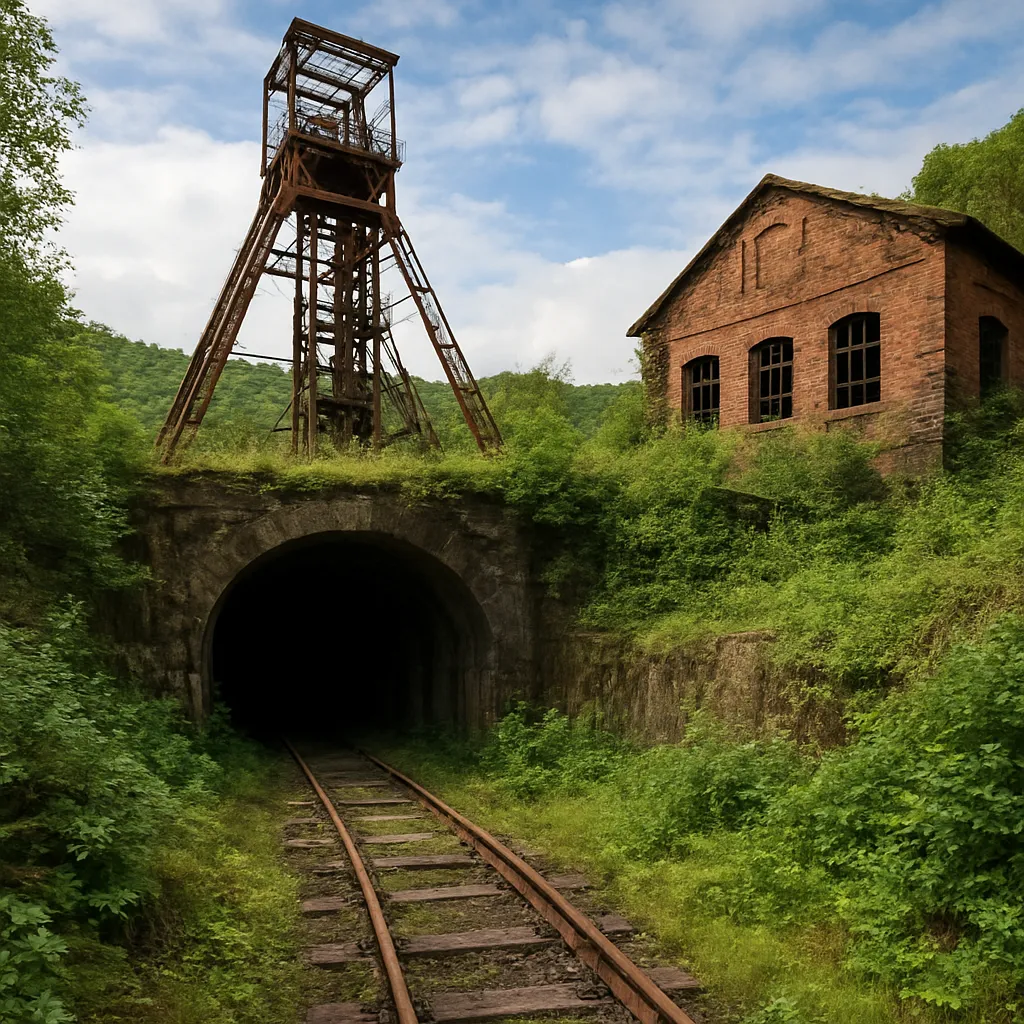
Coal once underpinned Europe’s industrial revolution, powering factories and fueling economic growth. With the advent of natural gas pipelines and renewable technology, many nations gradually phased out coal plants in favor of cleaner alternatives. However, the confluence of supply disruptions, soaring gas prices, and the war in Eastern Europe has forced policymakers to revisit coal’s role in the energy mix.
- Early 2000s: Rapid expansion of wind and solar farms reduced coal’s share in electricity generation.
- 2010–2020: Emphasis on decarbonisation led to scheduled closures of coal-fired plants across Germany, Poland, and the UK.
- 2021 onwards: Energy shortages and intermittent renewable output prompted temporary reactivations of idled coal stations.
Underpinning this shift is the widespread recognition that coal remains a reliable baseload resource during times of volatility. Several governments have issued emergency decrees permitting extended operation of coal units that were slated for decommissioning, reflecting an urgent need to shore up grid stability.
Coal Stockpiles and Supply Chain Dynamics
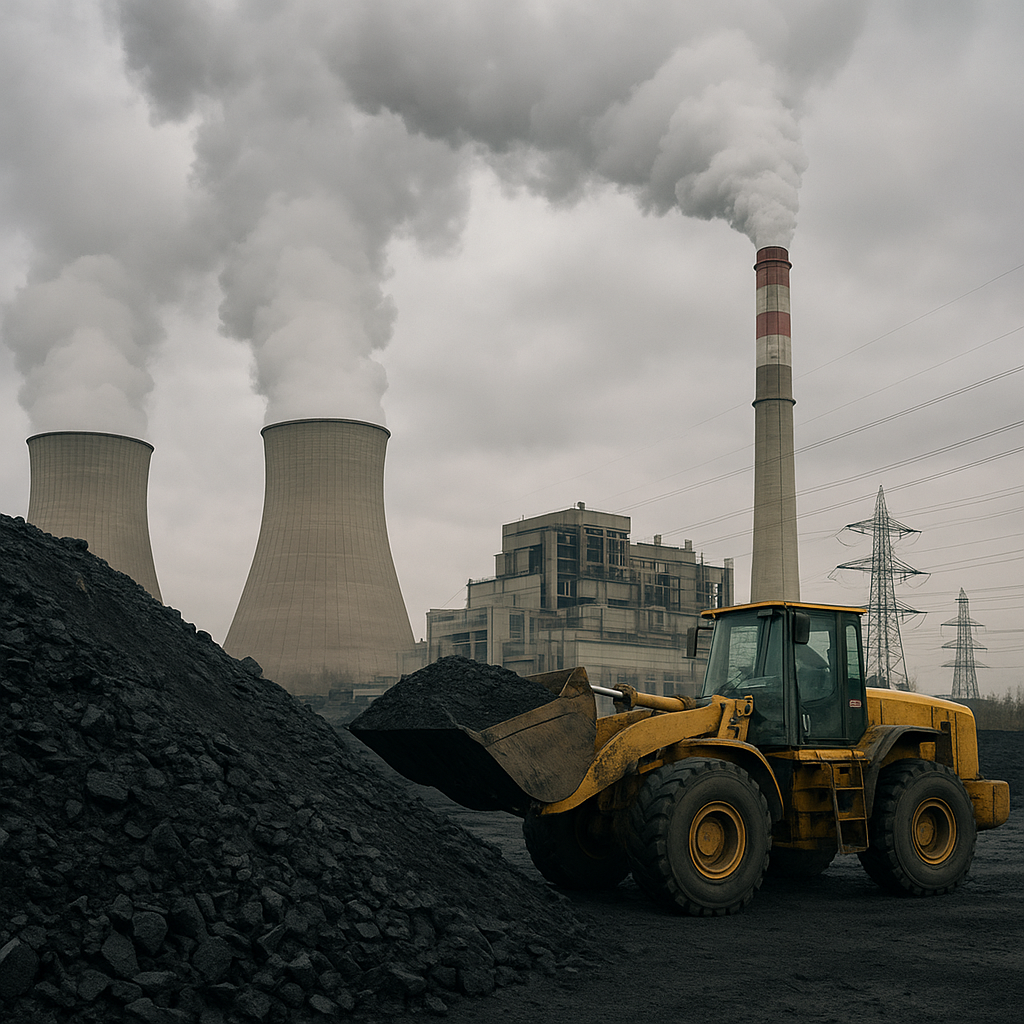
Amid energy shortages, European utilities are tapping into decades-worth of coal stockpiles stored at major ports and inland depots. These reserves, originally intended to smooth seasonal fluctuations, now serve as a critical buffer against gas shortages. Yet, maintaining repository levels raises logistical hurdles and cost considerations.
Logistical Constraints
- Port congestion: Increased vessel traffic delays offshore shipments of Australian and South African coal.
- Rail capacity: Limited freight trains struggle to transport heavy loads from Baltic and Atlantic harbors to inland power stations.
- Storage degradation: Exposed piles risk spontaneous combustion or moisture damage if not managed properly.
Market Repercussions
- Short-term price spikes: Sudden demand for spot cargoes drives price volatility on global coal exchanges.
- Supplier negotiations: Utilities negotiate premium contracts to guarantee delivery amid tight schedules.
- Credit risk: Smaller suppliers face liquidity strains when forced to purchase expensive fuel to fulfill commitments.
For many regions, the solution has been to diversify supply routes. Multimodal transport—combining rail, river barges, and coastal shipping—mitigates single-point failures. Furthermore, long-term contracts with reliable exporters now include flexibility clauses, allowing buyers to switch delivery points based on logistical availability.
Environmental Impacts and Policy Responses
Reinvigorating coal-fired plants inevitably raises concerns regarding emissions and climate targets. Although some nations concede this is a temporary fix, environmental groups warn that extending coal’s lifespan could derail net-zero ambitions.
Regulatory Adjustments
- Carbon pricing hikes: Several countries have increased the price per tonne of CO₂ to discourage prolonged coal use.
- Emission trading schemes: Stricter cap adjustments reduce the number of allowable pollution credits.
- Short-term waivers: Governments grant limited exemptions to coal operators who retrofit high-efficiency boilers.
Technological Mitigations
- Carbon capture readiness: Selected plants are retrofitted with infrastructure to accommodate future carbon capture installations.
- Co-firing initiatives: Blending biomass with coal reduces net carbon output by substituting a portion of the fossil fuel.
- Air quality controls: Upgrades to scrubbers and electrostatic precipitators limit particulate and sulfur dioxide releases.
These measures aim to strike a balance between energy security and environmental stewardship. By focusing on transitional technologies, policymakers hope to prevent a full-scale rollback of climate commitments while keeping the lights on across the continent.
The Future Outlook: Balancing Demand and Sustainability
As Europe navigates the current energy crisis, the question becomes how to integrate the coal resurgence into a resilient, low-carbon future. Long-term strategies emphasize diversification of fuel sources, investment in infrastructure, and accelerated adoption of renewables.
Driving Diversification
- Renewable expansion: Fast-tracking solar and offshore wind projects to reduce dependence on fossil fuels.
- Hydrogen pathways: Exploring coal-to-hydrogen retrofits and green hydrogen production to repurpose existing assets.
- Nuclear revivals: Considering small modular reactors to provide stable baseload power emissions-free.
Investment and Policy Levers
- Green bonds and subsidies: Financing mechanisms that channel capital into clean energy and grid upgrades.
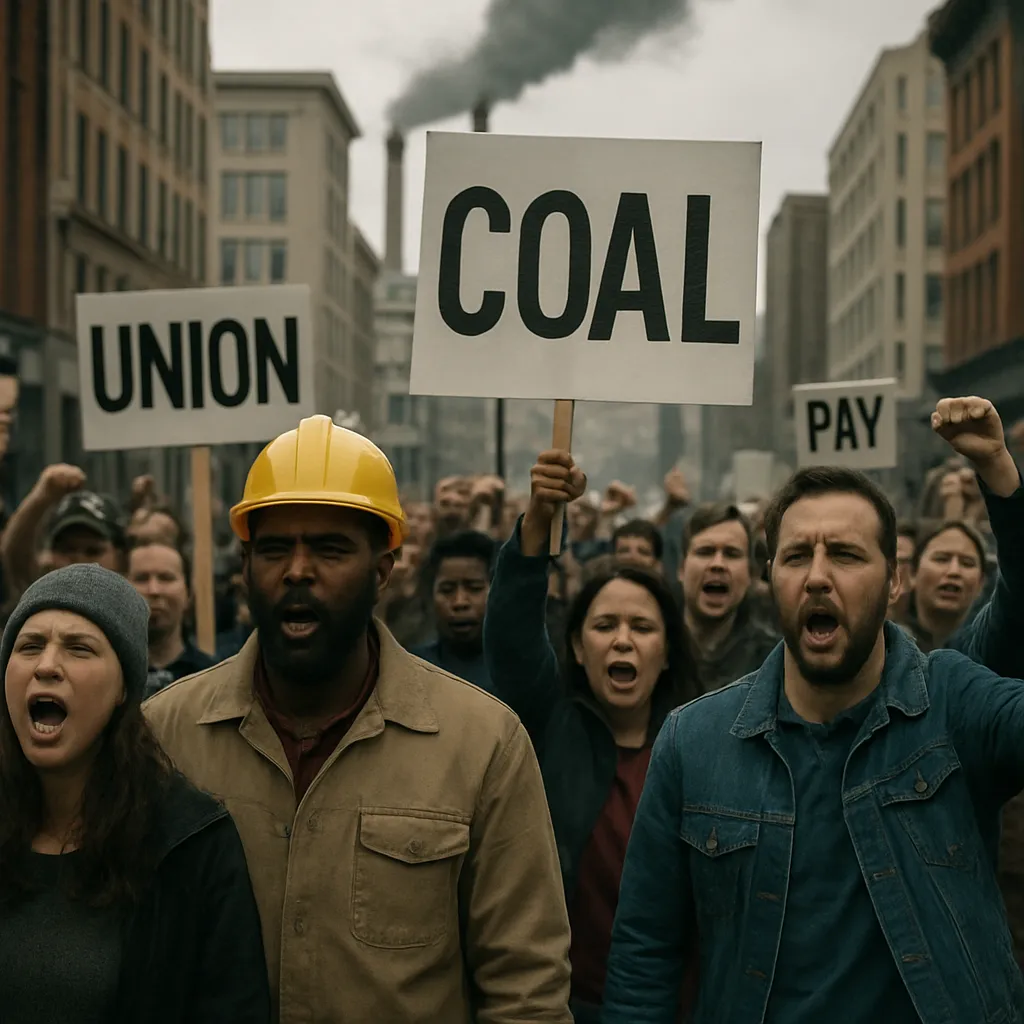
- Regulatory certainty: Clear timelines for coal phase-out accompanied by support programs for affected communities and miners.
- International cooperation: Cross-border electricity trading agreements to leverage geographic resource strengths.
In this dynamic landscape, the role of coal may evolve from a stopgap measure into a component of transitional energy systems. Continued dialogue among governments, utilities, and environmental groups will be essential to ensure that operational decisions made today do not compromise the continent’s long-term climate objectives. The interplay between market forces, technological innovation, and regulatory frameworks will ultimately shape the path toward a resilient European energy sector.