The persistent influence of coal extends far beyond electricity generation, weaving its impact into critical sectors like cement and manufacturing. Unveiling these connections reveals how this age-old resource continues to shape modern industries through thermal processes, material properties, and complex supply chains. From the high-temperature furnaces that produce clinker to the vast inventories of coal stockpiles, understanding these dynamics is essential for stakeholders striving for efficiency, environmental compliance, and strategic planning.
Coal in Cement Production
At the heart of cement manufacturing lies a series of high-temperature reactions that transform raw minerals into a durable binding material. Central to this transformation is the direct combustion of coal within rotary kilns, providing the energy needed to heat raw meal to over 1450°C. The specific properties of coal, such as calorific value, ash content, and volatile matter, influence not only the thermal profile of the kiln but also the chemical pathways that govern the formation of key phases like alite and belite.
Fuel Source for Kilns
Modern cement plants carefully select grades of pulverized coal to optimize kiln efficiency. Lower-ash coals reduce volumetric loading on preheaters and cyclones, while coals with balanced volatile content ensure stable flame characteristics. Injecting finely ground coal directly into the combustion zone allows operators to maintain precise temperature control, reducing fuel consumption and improving clinker output. Yet, managing the storage and feeding of coal requires robust handling systems to prevent spontaneous combustion and dust hazards.
Influence on Clinker Quality
Beyond its role as a heat source, coal contributes to the mineralogy of the resulting cement clinker. The mineral composition of coal ash, rich in alumina or iron oxides, can alter the proportion of gel phases, influencing the strength and setting time of the final product. In some processes, selective blending of coals with complementary ash profiles serves as a cost-effective strategy to tailor clinker chemistry without expensive additives. This synergy between fuel selection and material design underscores coal’s multifaceted role in cement manufacturing.
Coal’s Role in Manufacturing Industries
While cement captures some of the most intensive uses of coal in thermal processes, a diverse array of industrial sectors also relies on coal for both energy and raw materials. Steel, ceramics, brick, and lime plants continue to employ coal-fired furnaces and kilns to achieve high-temperature operations fundamental to product characteristics.
Power Generation and Thermal Processes
In many industrial complexes, captive energy plants burn coal to generate steam or electricity for on-site operations. These integrated systems ensure a reliable supply of process heat and power, often at lower costs compared to external utilities. Coal-fired boilers can achieve temperatures exceeding 500°C for industrial drying, calcination, and steam cracking, processes critical to sectors such as petrochemicals and paper.
Feedstock and By-products
Coal’s utility extends beyond combustion; it serves as a chemical feedstock in the production of activated carbon, carbon black, and other specialty carbon materials. Gasification of coal produces synthesis gas (syngas), a versatile intermediate that can be converted into methanol, ammonia, or hydrocarbon fuels. Meanwhile, coal tar and pitch, by-products of coke and pyrolysis processes, supply chemicals for adhesives, sealants, and anodes in aluminum smelting. This intricate network of transformations highlights coal’s vital presence in modern manufacturing value chains.
Coal Stock: Supply Chains and Market Dynamics
Maintaining adequate reserves of coal inventory is a strategic imperative for industries dependent on uninterrupted fuel supplies. The concept of coal stock encompasses on-site storage, strategic reserves held by governments, and inventory managed by traders and utilities. Efficient stock management mitigates price volatility, supply disruptions, and logistical bottlenecks.
Extraction and Global Reserves
With vast deposits concentrated in regions like Australia, Indonesia, Russia, and the United States, coal remains one of the most abundant fossil fuels. Proven reserves exceed one trillion tons globally, promising centuries of supply at current consumption rates. However, variations in seam quality, depth, and accessibility create discrepancies in mining costs and coal characteristics. Advancements in longwall mining and surface mining techniques continue to enhance recovery rates and reduce production costs.
Logistics, Storage, and Inventory Management
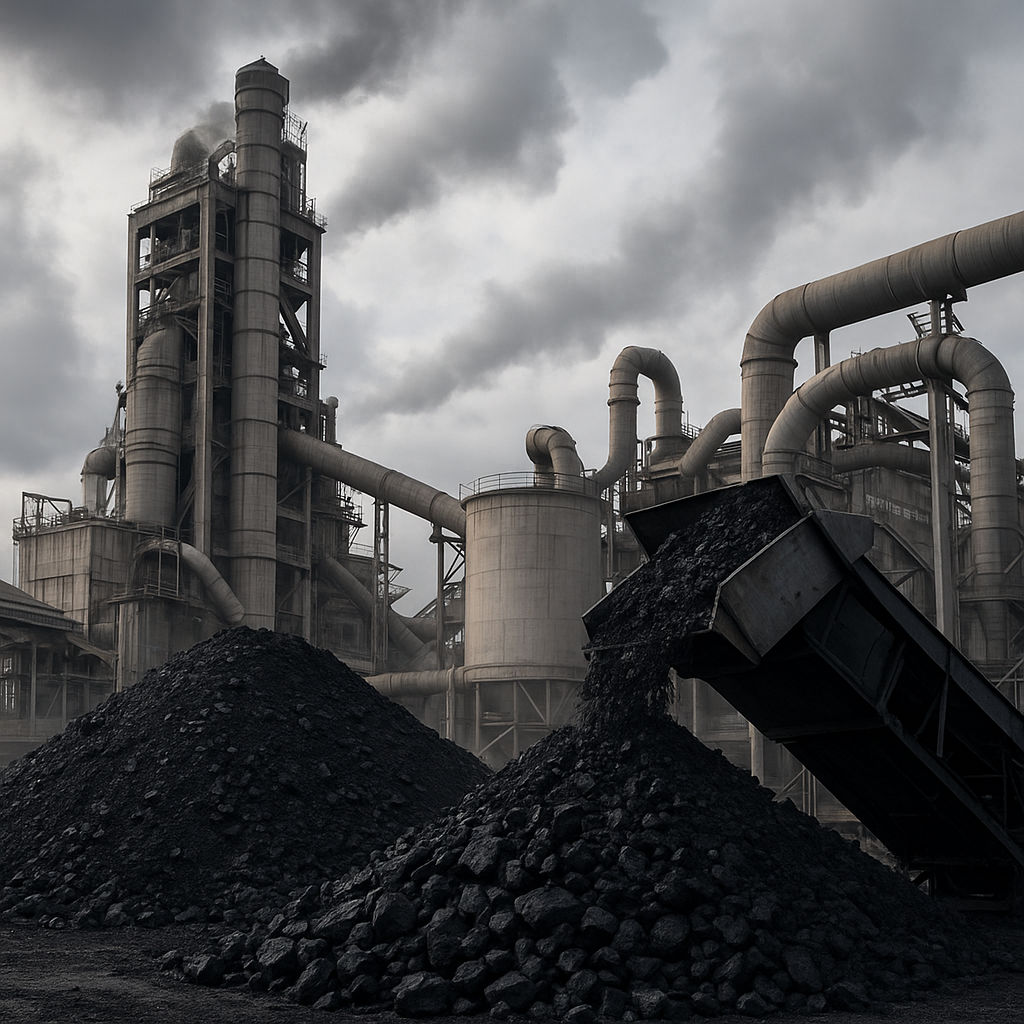
Transporting coal from mine to end user involves a complex network of railways, barges, and bulk carriers. Storage facilities must address issues like moisture control, spontaneous ignition, and stockpile stability. Modern bulk handling systems employ covered conveyors, reclaimers, and dust suppression measures to safeguard both the environment and supply reliability.
- Rail corridors link inland mines to port terminals, enabling large-scale exports.
- Marine shipping routes facilitate global trade, with dedicated Capesize vessels transporting millions of tons per voyage.
- Strategic stockpiles at power plants and cement works buffer against seasonal or geopolitical supply shifts.
Market Trends and Investment
Coal prices respond to a myriad of factors, including demand from Asia’s burgeoning economies, environmental regulations in Europe and North America, and currency fluctuations in producing countries. Traders leverage futures exchanges to hedge risks, while investors assess the long-term viability of coal-centric assets amid growing calls for decarbonization. The interplay between spot markets and contract pricing dictates procurement strategies for large-scale consumers seeking cost predictability.
Environmental and Regulatory Challenges
Heightened awareness of climate change and air quality concerns has placed coal under intense scrutiny. Regulatory frameworks worldwide aim to limit carbon emissions, impose stringent controls on sulfur dioxide, nitrogen oxides, and particulates, and encourage a shift towards lower-carbon energy sources. Cement and manufacturing sectors face evolving emission standards that impact fuel choices, process design, and capital investment.
Carbon Emissions and Climate Impact
Cement production alone accounts for approximately 7% of global CO2 emissions, with coal combustion representing a significant share of the sector’s carbon footprint. Innovative techniques such as carbon capture, utilization, and storage (CCUS) seek to mitigate this impact, capturing CO2 from kiln exhaust and transforming it into usable products or geologically sequestering it. However, technical complexity and high costs remain barriers to widespread adoption.
Innovation and sustainability Alternatives
To reconcile the need for reliable thermal fuels with environmental goals, industries explore alternative carbon sources like biomass, waste-derived fuels, and hydrogen. Co-firing biomass with coal in cement kilns and power boilers can reduce net CO2 emissions while leveraging existing infrastructure. Research into innovation in kiln design, such as electrified or plasma-based heating systems, offers potential pathways to low-carbon cement and manufacturing processes. Despite these advances, coal continues to underpin the global industrial landscape wherever high-temperature heat and carbon feedstocks are essential.