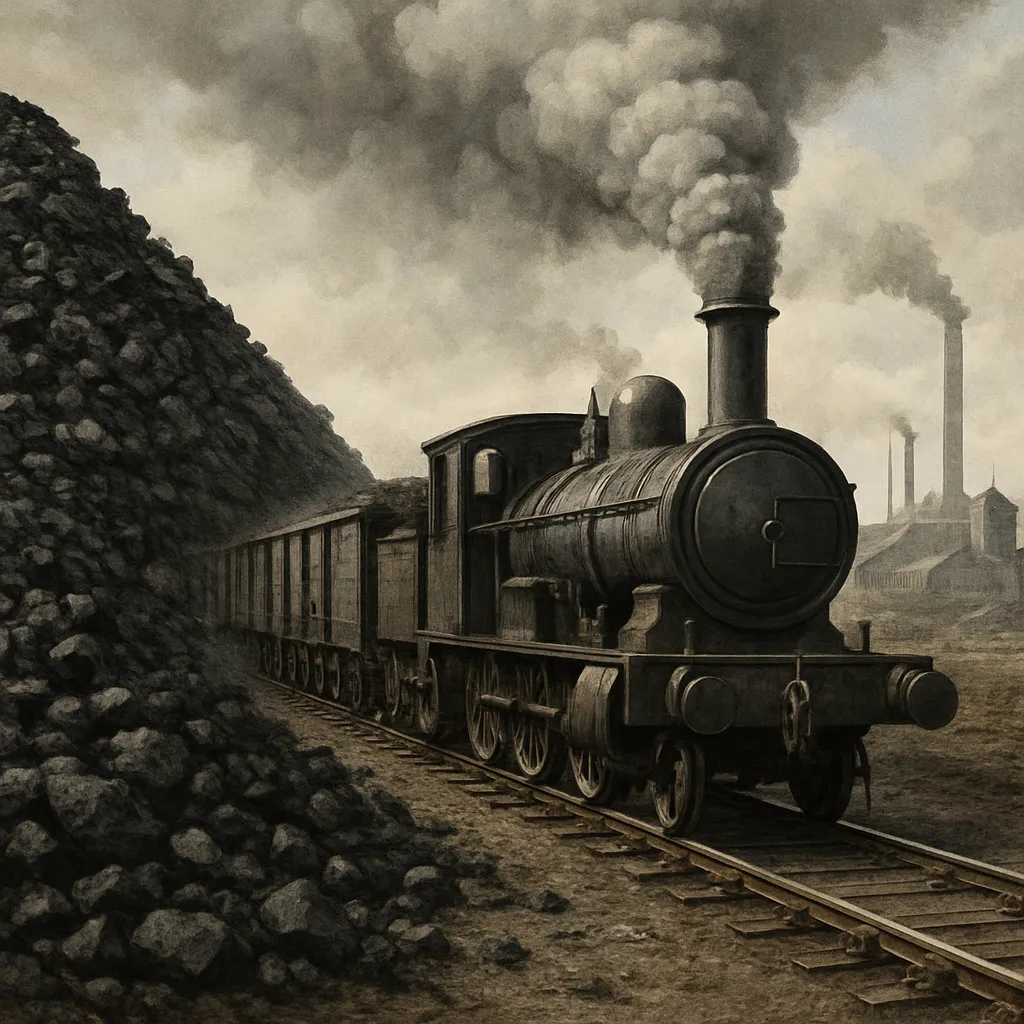
The gradual retreat of coal as a primary energy source has unleashed a chain reaction across global logistics, especially within the shipping and port sectors. Once the lifeblood of industrial revolution and maritime trade, coal’s diminishing role raises pressing questions about supply stability, economic resilience and the pivot toward greener alternatives. This article explores the shifting dynamics of coal stock management, the evolving demands on port infrastructure and how stakeholders can navigate the turbulent waters of decarbonization.
Historical Backbone: Coal’s Role in Maritime Trade
For centuries, the transport of coal by sea powered factories, railroads and power plants around the world. Iconic bulk carriers and specialized colliers epitomized the heyday of the industry. Ports developed vast stockyards and conveyor systems to handle massive volumes of fuel, creating an entire ecosystem around the mineral’s extraction, storage and distribution. Throughout the twentieth century, the global economy’s appetite for carbon intensified investment in port expansions, with jetties designed specifically to accommodate Panamax and Capesize vessels loaded with thermal coal.
Yet this era began its slow decline as environmental regulations tightened and alternative energy sources matured. Despite the complexity of reshaping multi-billion-dollar logistics networks, the trajectory toward reduced coal reliance has been unmistakable, forcing operators to reassess the sustainability of existing assets.
Coal Stock: Supply Chain and Storage Challenges
Managing coal inventory involves more than simply stacking mountains of ore in open yards. Port operators must grapple with:
- Quality preservation: Coal properties can degrade when exposed to moisture, leading to spontaneous combustion risks and reduced calorific value.
- Environmental compliance: Dust suppression systems and runoff containment are essential to limit particulate emissions and water pollution.
- Cost volatility: Spot prices for thermal coal can fluctuate sharply based on regional demand, geopolitical tensions and new import restrictions.
- Logistics synchronization: Aligning vessel schedules with end-user demand requires real-time capacity planning and cargo tracking.
When shipments dwindle due to market retrenchment, port authorities face idle storage spaces, underutilized handling equipment and a shrinking revenue base. Some have turned to dynamic stock management systems that link forecast models with berth planning, aiming to optimize yard layouts and minimize demurrage charges for carriers.
Impact on Shipping Routes and Port Operations
Declining Volumes and Economic Ramifications
Major coal-exporting regions such as Australia, Indonesia and South Africa have experienced shifting trade flows as consumers in Europe and North America reduce coal-fired generation. Traditional east–west shipping corridors see fewer laden voyages, prompting vessel charter rates to slump. Smaller ports that once thrived on constant coal turnover must now scramble for new cargo streams to sustain earnings. Without strategic diversification, many risk financial insolvency and workforce reductions.
Infrastructure Adaptation and Technological Upgrades
As bulk terminals witness lower throughput, some operators are repurposing conveyor belts, cranes and berths for alternative commodities—grain, minerals, LNG or container traffic. Upgrades may include installation of enclosed transfer stations, automated stacking cranes and digital scanners to ensure swift handling across multiple cargo types. Those ports that embrace modular design and flexible layouts can pivot more readily to emerging markets, bolstering long-term competitiveness.
Strategies for Transition and Future Outlook
Surviving and thriving in the post-coal era demands bold, forward-thinking initiatives:
- Emphasize sustainability: Ports can invest in shore-to-ship electric power to cut ship emissions during loading, while converting yard vehicles to electric or hydrogen fuel cells.
- Leverage diversification: Expanding into new bulk segments such as agricultural products, fertilizers or critical minerals provides multiple revenue streams to offset coal declines.
- Enhance digital integration: Real-time tracking of vessel positions, cargo conditions and yard availability through IoT sensors and AI-driven analytics improves operational agility.
- Pursue collaborative partnerships: Engaging with energy companies, rail operators and local governments can fund multi-modal corridors that link hinterland producers directly to deepwater berths.
- Commit to decarbonization: Adopting carbon capture-inclusive workflows at adjacent power plants or industrial sites can sustain some level of coal trade under stringent net-zero mandates.
Ultimately, the ebbing tide of coal shipments acts as both a challenge and an impetus for innovation. By recalibrating supply chains, reimagining facility layouts and championing green technologies, the shipping industry and port authorities can navigate toward a more versatile and resilient future. Through proactive adaptation, they safeguard not only their economic vitality but also contribute significantly to the global drive for cleaner energy and reduced environmental impact.