The global effort to address the environmental and human challenges posed by coal operations has never been more critical. As the world balances energy demands with ecological responsibility, stakeholders from governments to industry leaders explore ways to minimize the impact of Coal dust on air quality, community welfare, and economic stability. This comprehensive article examines the evolving landscape of coal dust control, covering the core threats, policy responses, emerging technology, and the broader implications on sustainability and health.
Understanding the Threat of Coal Dust and Pollution
Coal extraction, transportation, and utilization generate fine particulate matter known as coal dust. These particles can linger in the atmosphere for hours or days, drifting beyond mine sites and power plants into residential zones and ecosystems. When inhaled, these particulates contribute to respiratory illnesses, cardiovascular issues, and reduced life expectancy. Agriculture and wildlife also suffer as coal dust settles on crops, soils, and water sources, altering nutrient balances and threatening biodiversity.
Major sources of coal dust include:
- Open pit and underground mining operations releasing fugitive dust during drilling and blasting
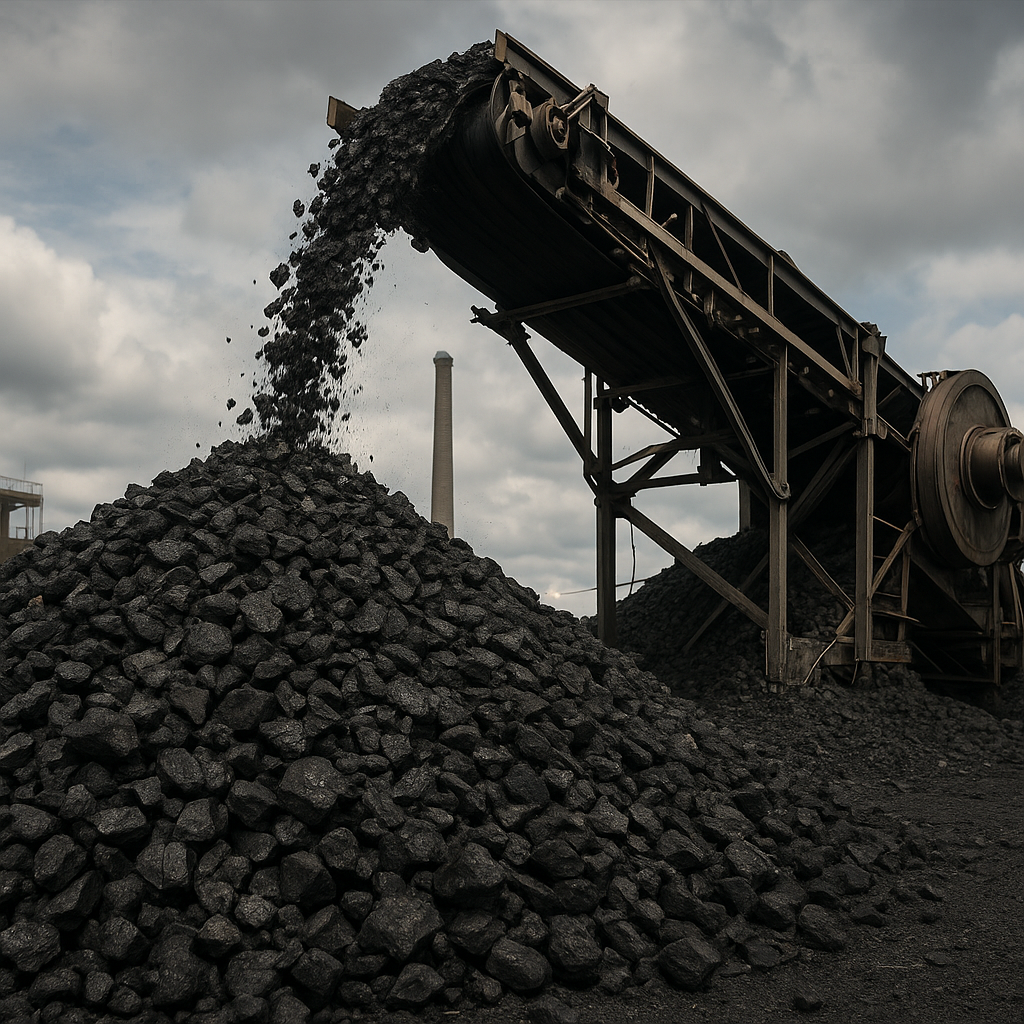
- Stockpile handling where loading, unloading, and wind erosion disperse particles
- Rail and truck transport subject to abrasion and unsealed covers
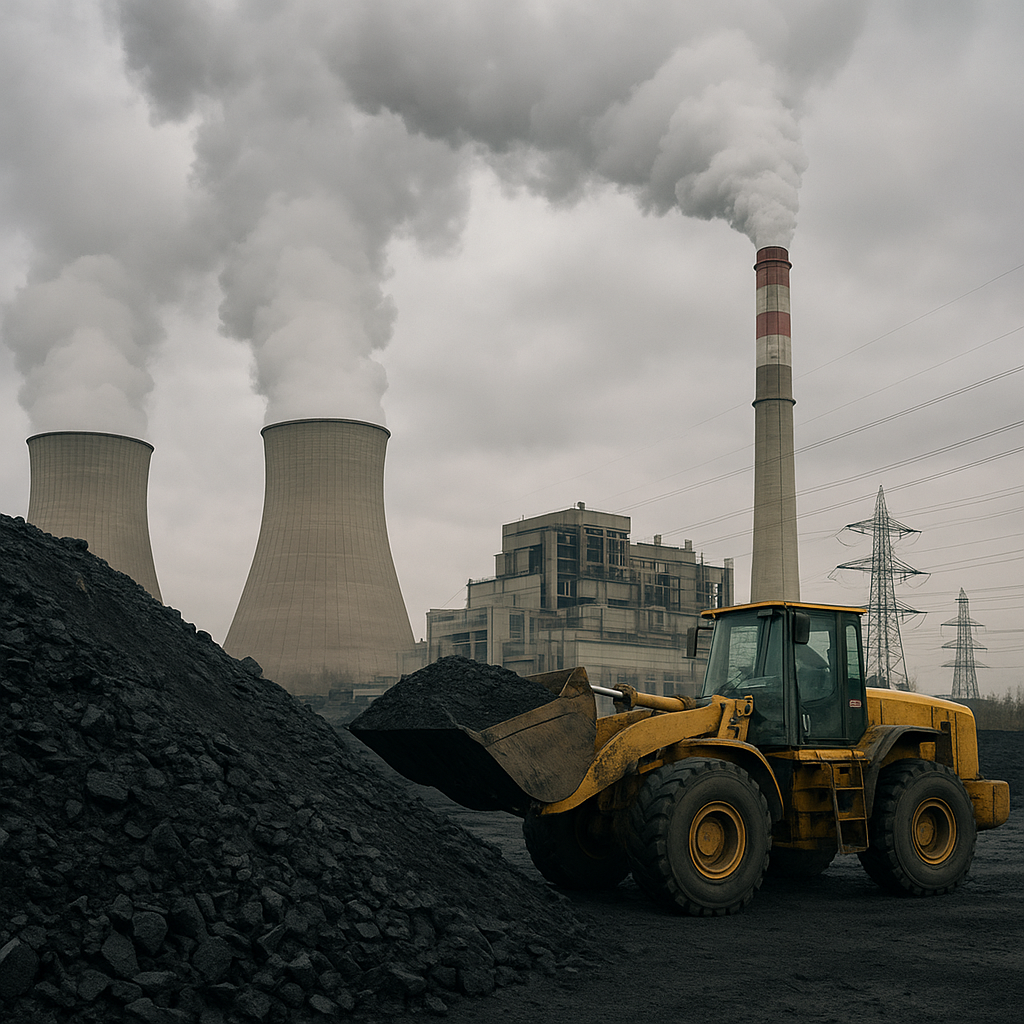
- Coal feeding systems at power stations and industrial facilities
Atmospheric emissions from coal-fired plants add to the burden, combining dust with sulfur oxides, nitrogen oxides, and heavy metals. These pollutants interact to form smog and acid rain, further degrading air quality and public well-being. Scientific studies link long‐term exposure to increased incidence of asthma, bronchitis, and lung cancer. With over a billion people living within close proximity to coal operations, the urgency to curb pollution is evident.
Policy Measures and Regulations for Coal Dust Control
Governments worldwide have adopted a mix of standards, incentives, and enforcement mechanisms to tackle coal dust. A cornerstone approach involves setting maximum allowable particulate concentrations in ambient air and at facility boundaries. Companies must implement best practices such as enclosed conveyors, water sprays, and chemical suppressants to stay within these limits.
Key policy instruments include:
- Emissions Trading Schemes that assign a cost to particulate releases, encouraging reduction investments
- Mandatory use of high-efficiency particulate air (HEPA) filters and electrostatic precipitators
- Regular site inspections, remote sensing audits, and community reporting hotlines
- Economic incentives like tax credits for facilities that adopt zero-dust storage and handling systems
Developed nations often set stringent controls under national environmental policies, while developing economies face challenges in enforcement due to financial constraints. International agencies and multilateral development banks now offer technical assistance and concessional financing to help coal-dependent regions upgrade infrastructure. Community engagement programs further ensure that residents have a say in monitoring, fostering transparency and rapid response when violations occur.
Innovations in Monitoring and Mitigation Technology
Advances in remote sensing, data analytics, and materials science have revolutionized the way coal dust is tracked and managed. Real-time monitoring stations equipped with optical sensors and laser scanning enable continuous assessment of particulate levels. Mobile drone platforms conduct aerial surveys, mapping dust plumes across landscapes and identifying hotspots.
Emerging mitigation methods include:
- Polymer-based dust binders that form a crust on stockpile surfaces, preventing wind erosion
- Fogging cannons and misting systems that generate microdroplets to capture airborne particles
- Self-healing geotextile covers for open-air coal piles, automatically sealing cracks and gaps
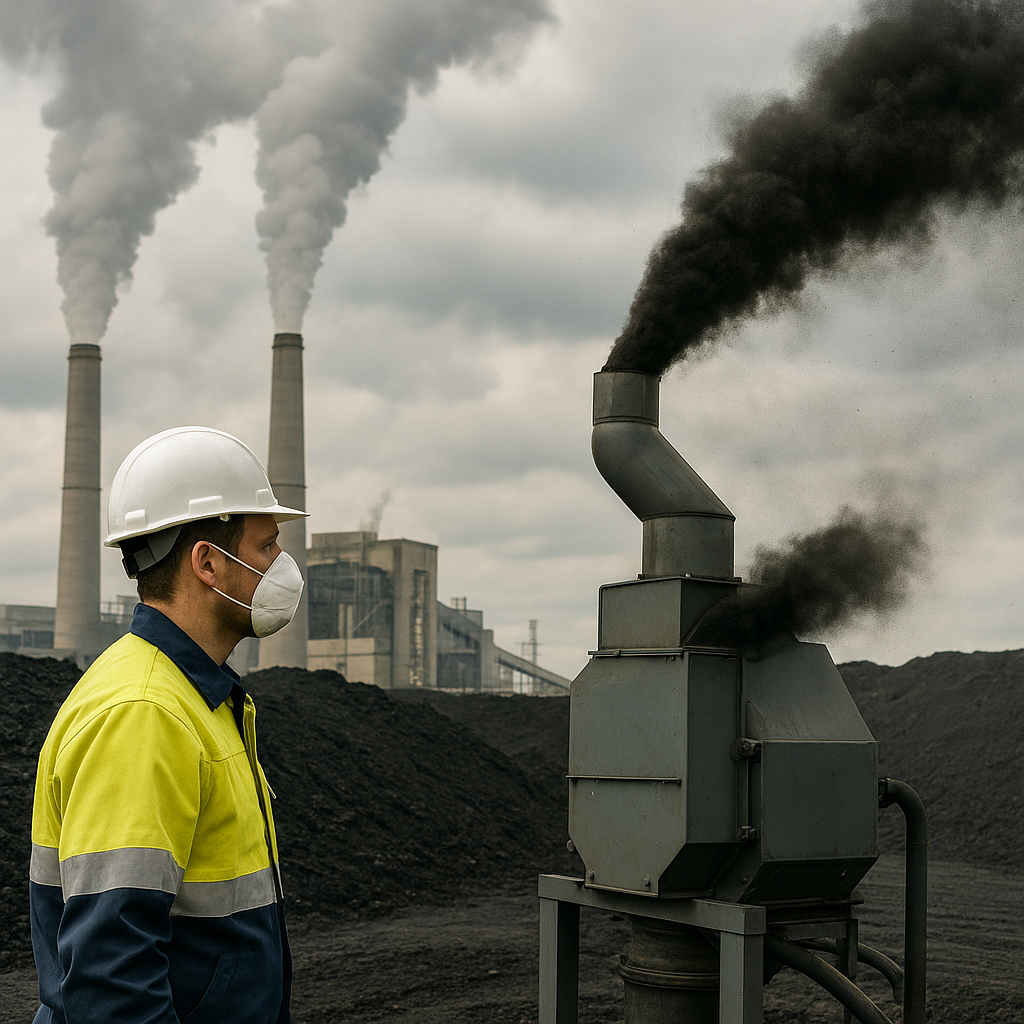
- IoT-linked wearables for onsite workers that alert personnel when exposure thresholds are exceeded
Data-driven predictive models also play a pivotal role. By integrating weather forecasts, operational schedules, and historical emission data, facility managers can anticipate high-risk periods and deploy dust suppression resources accordingly. Several pilot projects demonstrate the potential of machine learning algorithms to optimize spray intervals, reduce water usage, and maintain compliance with minimal manual intervention.
Impact on Coal Markets and Investment Trends
The drive to combat dust pollution intersects with broader shifts in the energy sector and capital markets. As investors increasingly apply environmental, social, and governance (ESG) criteria, coal companies are under pressure to showcase robust dust control programs. Facilities lacking transparent reporting on monitoring results or failing to meet evolving regulations may face higher insurance premiums, restricted financing, or divestment by major funds.
Key developments shaping coal stock performance include:
- Green bond issuances that finance dust abatement upgrades and low-emission retrofits
- Shareholder resolutions calling for detailed annual emission disclosures and facility audits
- Strategic partnerships between miners and technology firms to co-develop pilot dust suppression solutions
- Market indices that rank coal producers based on sustainability metrics and operational transparency
Despite growing clean energy competition, coal remains indispensable in many regions. Transitional strategies focus on cleaner coal plants with carbon capture and dust management systems poised to play a role in energy security. Long-term viability will hinge on consistent improvement in dust control, community trust, and alignment with global decarbonization goals.