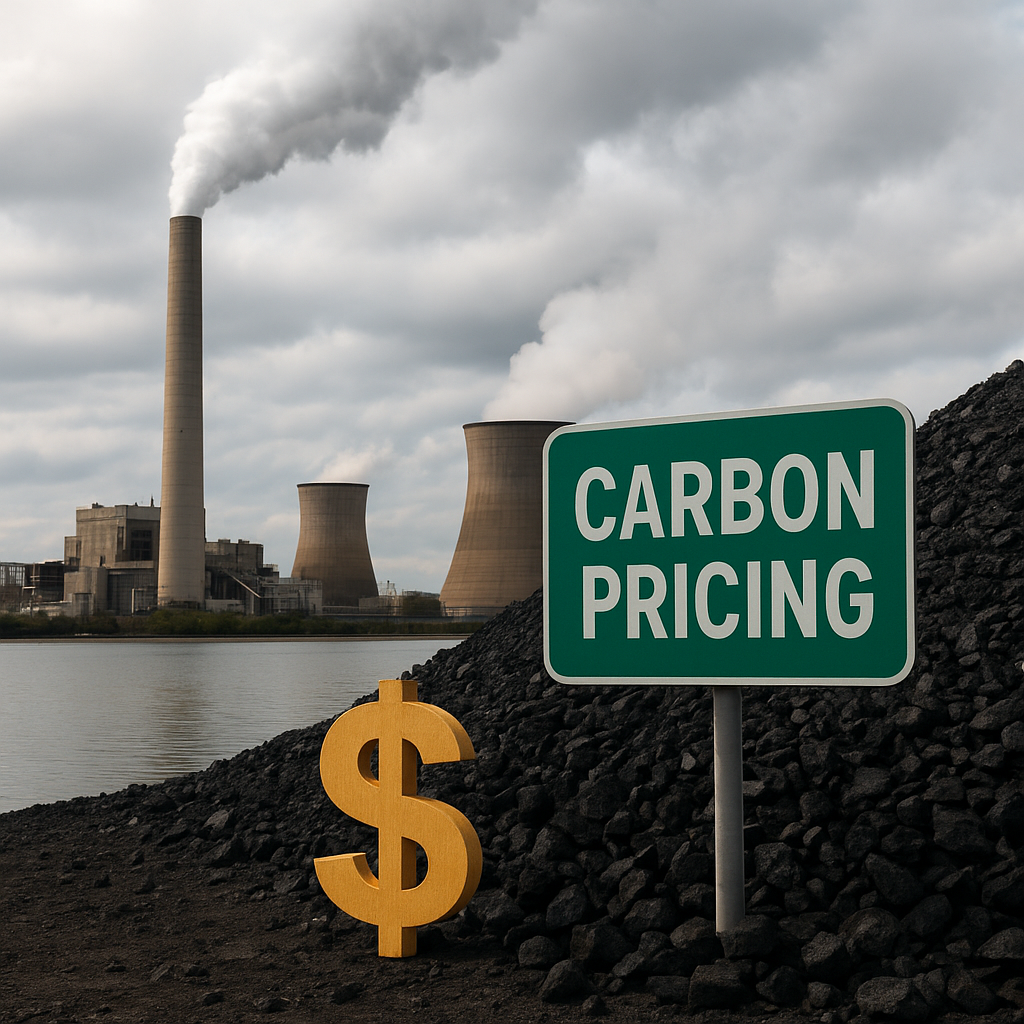
The global energy sector is witnessing a profound shift as nations grapple with the need to reduce greenhouse gas emissions and achieve climate targets. Amid this transformation, coal—once the backbone of industrial development—faces mounting pressure. Policymakers are increasingly turning to carbon pricing mechanisms to curb emissions, thereby reshaping the competitiveness of coal relative to alternative fuels. This article explores the intricate interplay between carbon pricing schemes and the future of coal, examining market dynamics, investor sentiment, and strategic responses within the industry.
Global Coal Landscape and Market Dynamics
Despite concerns over environmental impact, coal continues to account for a significant share of electricity generation worldwide. Many emerging economies still rely on coal to meet growing energy demand, thanks to its abundance and historical affordability. However, fluctuations in global demand, evolving regulations, and rapid advancements in cleaner technologies are eroding coal’s traditional advantages.
- Production capacities: Top coal-producing countries maintain robust output, but increasing operational costs and environmental levies are reducing margins.
- Trade flows: Export markets in Asia and Europe are diversifying their sources, placing price pressure on legacy suppliers.
- Price volatility: Coal prices are influenced by regulatory announcements, currency shifts, and geopolitical tensions, which affect both producers and utilities.
As the global push for decarbonization intensifies, the sector must navigate complex market cues. Carbon pricing introduces a new cost factor that can tip the balance in favor of lower-carbon options like renewables and natural gas.
Mechanics of Carbon Pricing and Its Effects on Coal
Carbon pricing schemes—such as cap-and-trade systems and carbon taxes—assign a monetary value to each ton of CO₂ emitted. By internalizing the environmental cost, these mechanisms aim to incentivize cleaner energy production. Key attributes include:
- Price signal strength: Higher carbon prices accelerate fuel switching and efficiency improvements.
- Scope and coverage: Whether the scheme targets power generation only or extends to industry and transport determines its market impact.
- Revenue use: Revenues can finance renewable projects, provide rebates, or support carbon capture and storage (CCS) initiatives.
Under stringent carbon pricing, coal plants face increased operating expenses, eroding their competitiveness. Advanced economies with robust emissions trading systems (ETS) have seen accelerated retirements of unabated coal capacity. In contrast, regions without clear carbon frameworks continue to rely heavily on coal, albeit with rising regulations and compliance costs.
Case Study: European Emissions Trading System
The EU ETS is the world’s largest cap-and-trade market, covering power generation, manufacturing, and aviation. Since its inception, coal-fired power has borne an increasing financial burden, reflected in high allowance prices. Utilities have responded by:
- Retiring older, less efficient plants
- Investing in gas-fired and renewable generation
- Exploring carbon capture retrofits for existing facilities
These adjustments illustrate how carbon pricing reshapes investment decisions and tilts the playing field away from high-emission sources.
Coal Stocks and Investor Sentiment
Equity markets are acutely sensitive to policy changes that affect commodity producers. Investors assess coal companies based on their exposure to carbon costs, stranded asset risk, and ability to adapt to new market realities. Key factors influencing stock performance include:
- Debt levels: Highly leveraged firms face solvency challenges when margins shrink.
- Asset flexibility: Companies with diversified operations—such as those investing in sustainability solutions—fare better under stringent carbon regimes.
- ESG ratings: Environmental, Social, and Governance criteria guide institutional portfolios away from high-emission industries.
Recent trends show a growing divide between coal majors willing to diversify and smaller operators with limited capital to invest in cleaner technologies. Shareholders are increasingly demanding transparency on carbon risk and long-term strategic plans.
Strategies for Coal Industry Adaptation
To remain viable, coal companies are deploying a variety of tactics aimed at mitigating carbon liabilities and preserving market share.
Investment in Clean Technologies
- Carbon Capture, Utilization, and Storage (CCUS): Capturing emissions at source and storing or repurposing CO₂ can extend the life of existing coal plants, though high upfront costs and uncertain regulatory support pose challenges.
- Efficiency upgrades: Retrofitting plants with advanced boilers and turbines reduces fuel consumption and emissions intensity.
Diversification of Energy Portfolios
- Renewables integration: Some coal operators are investing in wind, solar, and hydro to balance their portfolios and hedge against carbon price volatility.
- Natural gas ventures: Gas-fired assets offer lower emissions per megawatt-hour, providing a transitional path toward decarbonization.
Market Hedging and Financial Instruments
- Carbon credit trading: Proactive participation in offset markets allows companies to manage compliance costs more flexibly.
- Derivative contracts: Price hedges for coal and power help stabilize revenue streams amidst fluctuating carbon allowances.
Emerging Opportunities and Risks
While carbon pricing poses significant headwinds for conventional coal, it also creates new avenues for innovation. Electrification of industrial processes, development of zero-emission hydrogen via coal gasification with CCUS, and integration of coal byproducts into circular economy models are gaining traction. Nevertheless, risks persist:
- Policy uncertainty: Abrupt changes in carbon pricing rules can undermine long-term planning.
- Community and labor impacts: Transitioning away from coal-dependent regions requires social frameworks to retrain and support affected workforces.
- Global coordination: Disparate carbon prices across borders may shift emissions rather than eliminate them, leading to “carbon leakage.”
Success for the coal sector in a carbon-constrained world hinges on balancing traditional strengths—such as reliable baseload supply—with bold investments in low-carbon solutions. Proactive engagement with regulators, capital markets, and local communities will determine which players thrive as the energy landscape evolves.