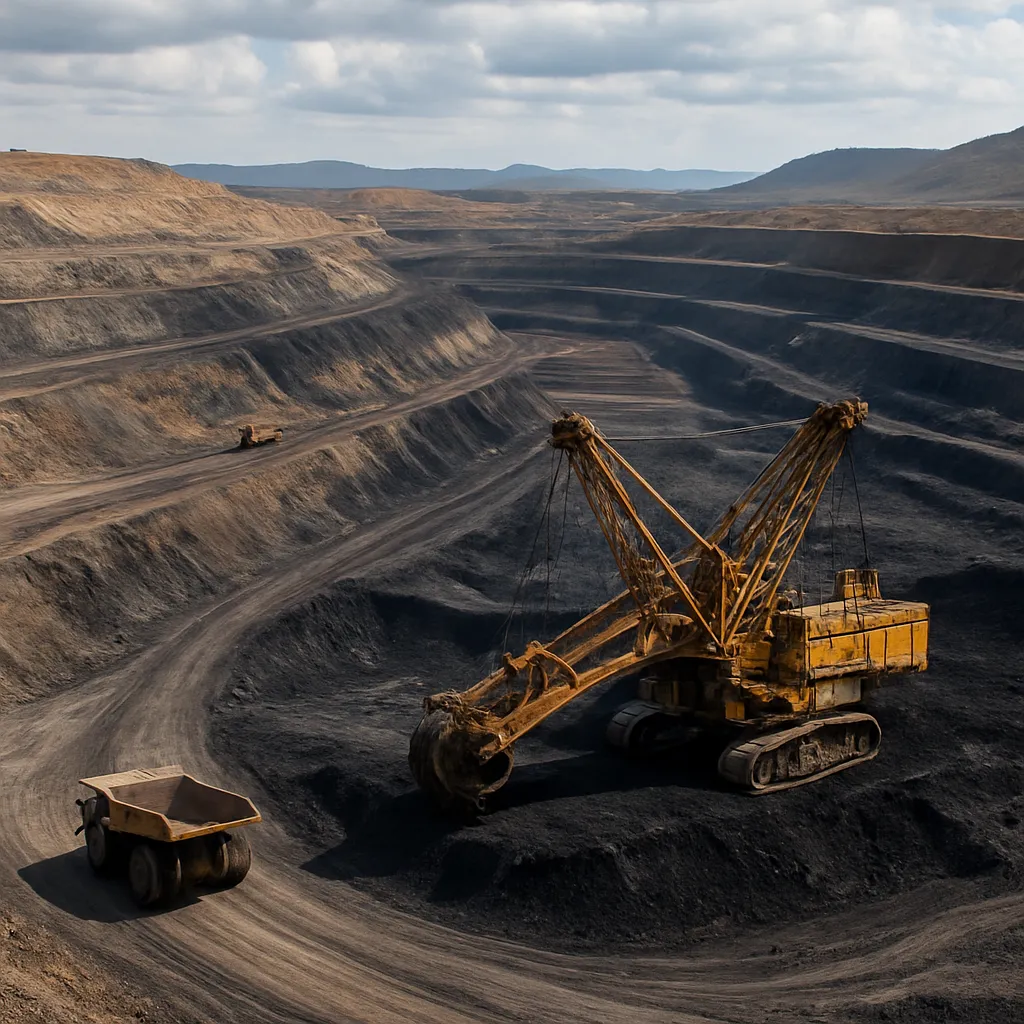
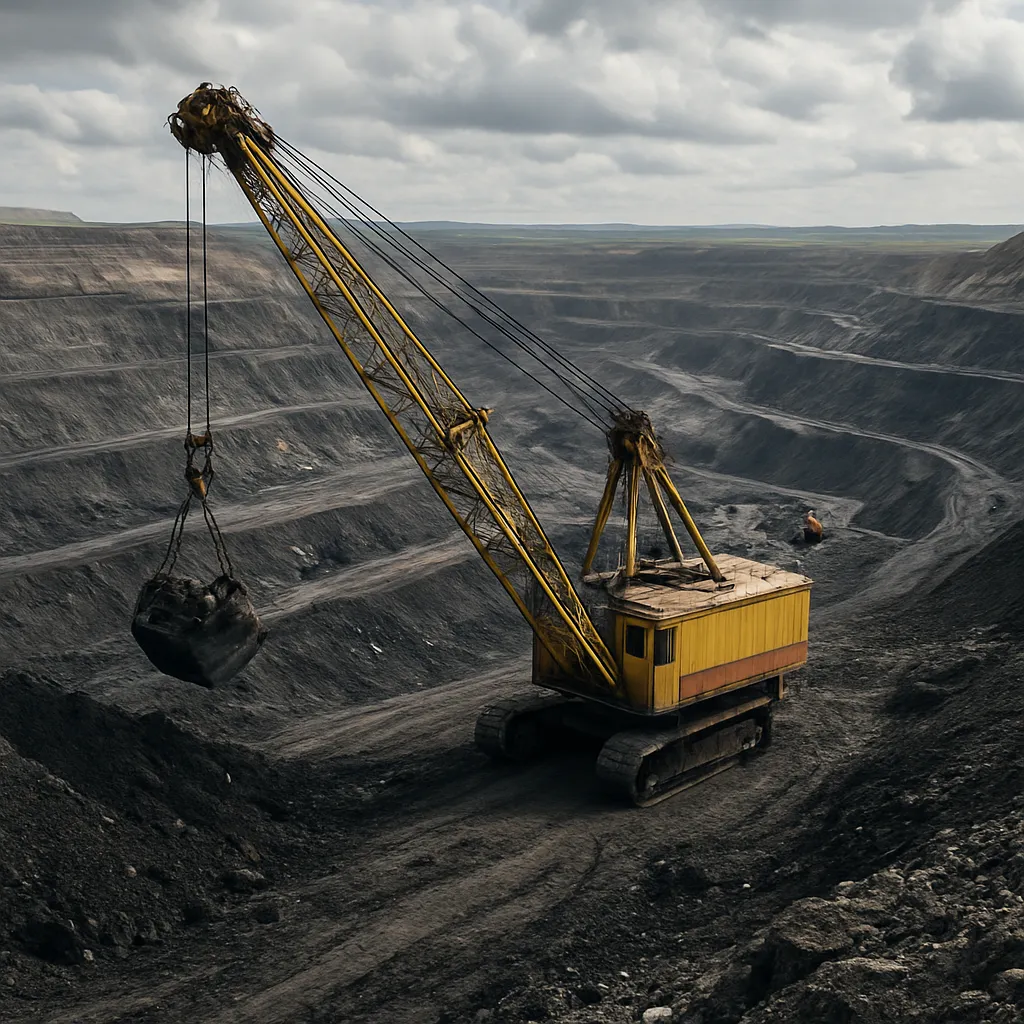
The Zibulo Coal Mine is one of the notable mining operations within South Africa’s extensive coal-producing region. Located in the high-density coalfields of Mpumalanga, Zibulo plays a role in both the domestic energy supply chain and the broader coal economy of the country. This article provides a detailed overview of the mine’s location, geology, mining methods, production profile, economic and social importance, environmental management, logistics and market links, and future outlook. It also includes statistical context and other relevant information to better understand Zibulo’s place in South Africa’s coal sector.
Location, Ownership and Geological Setting
Zibulo Coal Mine is situated in the Mpumalanga province of South Africa, within the broader Witbank (now Emalahleni) and Highveld coalfields. The region is a cornerstone of South Africa’s coal industry and contains some of the country’s most extensive coal seams. Geographically, Zibulo lies within proximity to major rail corridors and roads that connect coalfields to export terminals and local power stations.
The area around Zibulo is characterized by Permian-aged coal-bearing strata; the coal seams are typically found within the Vryheid and Volksrust formations of the Karoo Supergroup. These seams are known for their economic thickness and lateral continuity, making them attractive for both underground and opencast mining where conditions permit. The coal produced in this region is predominantly used for thermal applications — primarily to supply power stations — and is generally classified as thermal coal with calorific values that commonly range within the medium to high thermal coal category for South African standards.
Ownership structures of South African mines can change with time due to mergers, acquisitions and restructuring. Historically, mines in the Witbank area have been owned or operated by a mix of private companies, black economic empowerment (BEE) consortiums, and large corporate groups. Zibulo’s corporate structure has included local and private operating interests, with associated contractor arrangements for many operational activities.
Mining Methods, Processing and Safety
Zibulo employs mining methods that are adapted to the seam geometry and local ground conditions. In the Witbank and surrounding coalfields, two main extraction approaches are commonly used: underground mining (including bord-and-pillar and mechanized longwall or continuous miner systems) and opencast (surface) mining where the geology permits economical stripping. Zibulo has historically focused on mechanized underground methods complemented by surface infrastructure for handling, processing, and dispatch.
- Bord-and-pillar systems: common in seams where ground control and seam thickness favor a modular underground layout.
- Mechanized extraction: use of continuous miners, shuttle cars, and conveyor systems to increase productivity and safety compared to manual cutting methods.
- Coal handling and processing: raw run-of-mine coal is typically screened, sized and may pass through a coal-washing plant (where warranted by market requirements) to improve product quality and reduce ash content.
- Mine safety: modern operations emphasize ventilation, gas monitoring, roof support, and training to reduce occupational risk. Safety management systems and compliance with South African Mine Health and Safety standards are central elements of operations.
Safety and occupational health are ongoing priorities. Mining companies in Mpumalanga have invested in mechanization, continuous monitoring and training to improve safety records and reduce incidents. Regulatory oversight by the Department of Mineral Resources and Energy and the Mine Health and Safety Inspectorate enforces standards and compliance.
Production Profile and Economic Role
Zibulo’s production contributes to multiple segments of the coal market: domestic power generation (notably for state utility Eskom), local industry, and, where infrastructure permits, export markets. Mines in this part of Mpumalanga are critical to South Africa’s electricity sector because the majority of Eskom’s coal-fired stations are supplied from Mpumalanga basins.
Exact production figures for individual mines can vary year to year based on market conditions, operational constraints, and maintenance schedules. Zibulo has historically produced coal measured in the low millions of tonnes per year, serving a combination of domestic thermal coal demand and contract-based deliveries. Across the Witbank/Emalahleni field, individual collieries can range from under one million tonnes to several million tonnes per annum in output; therefore, Zibulo’s contribution fits within that scale.
Economically, the mine supports local and regional employment both directly (mine employees, supervisors, technical staff) and indirectly (contractors, transport, maintenance and service providers). In addition to wages, the mine contributes to local government revenue through taxes and royalties and to community development through social investment programs and procurement of local goods and services. For many host communities, a mine like Zibulo is a major employer and economic anchor.
Logistics: Rail, Ports and Markets
Logistics are essential for the viability of coal operations. Zibulo benefits from reasonably good access to rail infrastructure that connects the Mpumalanga coalfields with coastal export terminals such as the Richards Bay Coal Terminal (RBCT) and with inland power stations. Most export-bound coal travels by rail to ports on the east coast, while domestic coal is delivered to power stations and industrial consumers via the national rail network and road haulage.
- Rail infrastructure: the Ermelo–Richards Bay line and related feeder lines are critical arteries that move large volumes of coal from Mpumalanga to the seaboard.
- Ports: Richards Bay is the primary export outlet for South African coal, handling tens of millions of tonnes annually.
- Domestic offtake: many collieries in the region supply Eskom power stations, cement plants, and other heavy industries within the country.
Market dynamics — including global coal prices, exchange rates, shipping capacity, and domestic energy demand — influence the allocation between local sales and export volumes. In recent years the coal market has experienced volatility driven by global energy transitions, policy shifts, and demand swings in major importing countries.
Environmental Management and Social Responsibility
Coal mining has notable environmental impacts, and operations such as Zibulo must implement mitigation and management strategies. Environmental responsibilities typically include:
- Water management: controlling runoff, preventing contamination of aquifers and rivers, and treating mine-affected water. Acid mine drainage (AMD) is a longer-term regional challenge where deep and legacy workings expose reactive minerals to oxygen and water.
- Dust and air quality: suppression systems, covered conveyors, and site practices to minimize fugitive dust emissions.
- Noise and vibration control: particularly where blasting or heavy earthmoving occurs.
- Rehabilitation: progressive backfilling, landform re-contouring and revegetation to return disturbed land to a stable and productive post-mining state.
- Community engagement: programs addressing local employment, skills training, health initiatives and support for local infrastructure (schools, clinics, water projects).
Some operators also explore methane management and capture opportunities to reduce greenhouse gas emissions and potentially produce value-added gas. However, widespread methane capture depends on seam gas content and the economics of capture systems.
Statistical and Regional Context
To place Zibulo in context, consider a few regional and national statistics (figures are indicative and reflect the scale of the South African coal sector):
- South Africa’s annual coal production has historically been in the order of a few hundred million tonnes per annum, with the majority sourced from Mpumalanga.
- Mpumalanga supplies roughly 70–80% of South Africa’s coal, underpinning domestic electricity generation and a large share of coal exports.
- Richards Bay Coal Terminal has handled export volumes in the tens of millions of tonnes per year, making it a key export outlet for collieries in Mpumalanga.
At the mine level, annual outputs vary: some collieries produce below 1 Mtpa (million tonnes per annum) while larger operations can exceed several Mtpa. Zibulo’s production has been reported within the commercial range typical of medium-sized collieries in the Witbank basin. Employment at a typical mechanized underground operation in the region includes several hundred to a few thousand direct employees, depending on the scale and scope including contractors; the wider employment footprint including indirect jobs can be substantially larger.
Industrial Significance and Value Chain
Zibulo and similar collieries form part of an integrated value chain that covers extraction, processing, transport, and end-use. The largest end-user for South African thermal coal is domestic electricity generation, which in turn is central to industrial activity and socio-economic development. Coal also supports metallurgical processes in localized industries and contributes to export earnings through international coal sales.
Supply security to power stations is of strategic national importance. Interruptions in coal supply can directly affect generation capacity, highlighting the operational importance of mines in Mpumalanga. Consequently, mines like Zibulo are closely tied to national energy stability and industrial continuity.
Challenges, Risks and Regulatory Environment
The coal mining sector in South Africa faces a complex set of challenges:
- Regulatory compliance: environmental permits, mining rights, health and safety requirements and community agreements all require active management.
- Market volatility: global coal prices and regional demand changes affect profitability and long-term planning.
- Infrastructure constraints: periodic bottlenecks in rail capacity and port logistics can limit export potential or increase costs.
- Water scarcity and quality: competition for water resources and the need for careful watershed management are growing concerns.
- Transition pressures: decarbonization trends and policies aimed at reducing greenhouse gas emissions create strategic uncertainty for coal-dependent assets.
Mining companies operate under South African law that includes requirements for mine closure planning, environmental rehabilitation bonds, and social and labor plans (SLPs) that commit operators to contribute to community development. These frameworks aim to balance resource extraction with long-term social and environmental stewardship.
Future Prospects and Opportunities
The medium-term outlook for a mine such as Zibulo depends on a combination of geological, economic and policy factors. Opportunities and strategies that influence future prospects include:
- Operational optimization: increased mechanization, digital monitoring and improved mine planning can raise productivity and reduce costs.
- Product diversification: focusing on higher-quality product streams or coal beneficiation to meet specific market requirements.
- Investments in environmental performance: addressing AMD risks, improving water use efficiency and advancing rehabilitation can reduce long-term liabilities and improve social license.
- Energy value chain integration: engagement with domestic power sector stakeholders to secure long-term supply agreements and explore complementary energy projects (e.g., combined heat and power, or gas co-firing where feasible).
- Community and skills development: sustained investment in local skills development and enterprise development can build local resilience and enhance social outcomes.
Given global energy transitions, coal producers increasingly evaluate how to adapt: some focus on improving operational efficiencies and environmental credentials to remain competitive in the near to medium term; others consider redeployment of invested capital into lower-carbon activities over the long run.
Interesting Facts and Operational Highlights
Beyond raw production and economic metrics, several notable aspects are associated with collieries in this region:
- Strategic nexus: Mpumalanga collieries are strategically located near the largest concentration of coal-fired electricity generation in South Africa.
- Employment multiplier: mining operations have a high multiplier effect locally because of contractor networks and service industries that support mining activity.
- Rehabilitation efforts: many modern operations implement staged rehabilitation so that disturbed land is progressively restored rather than waiting until final closure.
- Innovation: advances in mechanized extraction, mine planning software, and remote monitoring are being adopted across the region to enhance efficiency and safety.
Outlook and Final Observations
Zibulo Coal Mine exemplifies many of the characteristics of South Africa’s coal sector: a resource-rich geological setting, integration with national energy systems, and the economic and social benefits and environmental responsibilities that accompany large-scale resource extraction. While specific production figures and ownership details can evolve, the mine’s role in supplying thermal coal to domestic and, where applicable, export markets remains central to its operational identity.
How Zibulo and similar operations navigate market shifts, regulatory changes and environmental imperatives will shape their longevity and impact. Continued investment in operational excellence, environmental management and community engagement are likely to be decisive factors in sustaining the value provided by the mine while addressing the broader challenges of the energy transition and long-term resource stewardship.