The Kriel Coal Mine, located in the heart of South Africa’s Highveld coalfields, is an important node in the country’s fossil fuel infrastructure. This article outlines the mine’s geographic setting, the type and quality of coal extracted, operational methods, economic and industrial significance, environmental and social implications, and the likely future trajectory of the site within the context of a changing energy landscape. The information provided combines widely known regional data with operational patterns characteristic of collieries in Mpumalanga, and highlights the role such mines play in national energy security and regional development.
Location and geological setting
The Kriel Coal Mine is situated in the Mpumalanga province of South Africa, in the larger Highveld coalfield that extends across the region surrounding the towns of Kriel, Witbank (eMalahleni), Ermelo and Hendrina. The area is part of the Karoo Supergroup’s Permian-aged sedimentary packages, where thick sequences of coal-bearing strata were deposited in ancient fluvial and deltaic environments.
- Mpumalanga is the principal coal-producing province of South Africa and hosts the majority of the country’s large thermal coal mines.
- The coal-bearing horizons in the Kriel area are typically part of the Ecca Group within the Karoo sequence, which yields coals of variable thickness and lateral continuity.
- Coal seams in this region are usually overlain by shallow overburden, making surface mining techniques feasible and economically attractive for large tonnages.
Geologically, the Kriel area exhibits the typical characteristics of South Africa’s Highveld: multiple seams of bituminous and sub-bituminous rank coal with variations in ash, moisture and sulfur contents across seams and mine benches. These geological factors directly influence how coal is mined, processed and matched to end-users such as power stations and industrial consumers.
What is mined and coal quality
The primary product from Kriel Coal Mine is thermal coal used largely for electricity production. The coal rank in the Highveld, including the Kriel area, is commonly described as bituminous to high-volatile bituminous, although seam-to-seam variability can be significant. Coal from this region is typically destined for nearby power stations as well as, in some cases, industrial consumers or local beneficiation plants.
- Coal use: predominantly for power generation (steam coal), with limited use for industrial heat and some coal beneficiation for higher-value markets.
- Typical quality parameters: calorific value, ash content, moisture, sulfur and volatile matter determine suitability for specific boilers and contracts. Regional thermal coals often show calorific values that can range broadly, and are usually beneficiated to meet plant specifications.
- Beneficiation (washing) is commonly applied where economically feasible to reduce ash and improve calorific value, thus meeting the contractual specifications of power utilities like Eskom and industrial clients.
While exact laboratory values depend on the seam and the run-of-mine material, industry practice in the region is to blend and wash coal to achieve target calorific values and ash levels required by large coal-fired power stations. The presence of inertinite, vitrinite reflectance and mineral impurities affects how coal responds to washing and combustion.
Mining methods and operational practices
Mining operations in the Kriel region typically follow patterns common to Highveld collieries: large-scale, mechanized extraction aimed at maximizing recoverable tonnage while controlling costs and maintaining safety standards. The two broad categories of extraction are surface (opencast) and underground mining; the choice depends on seam depth, seam geometry and economic factors.
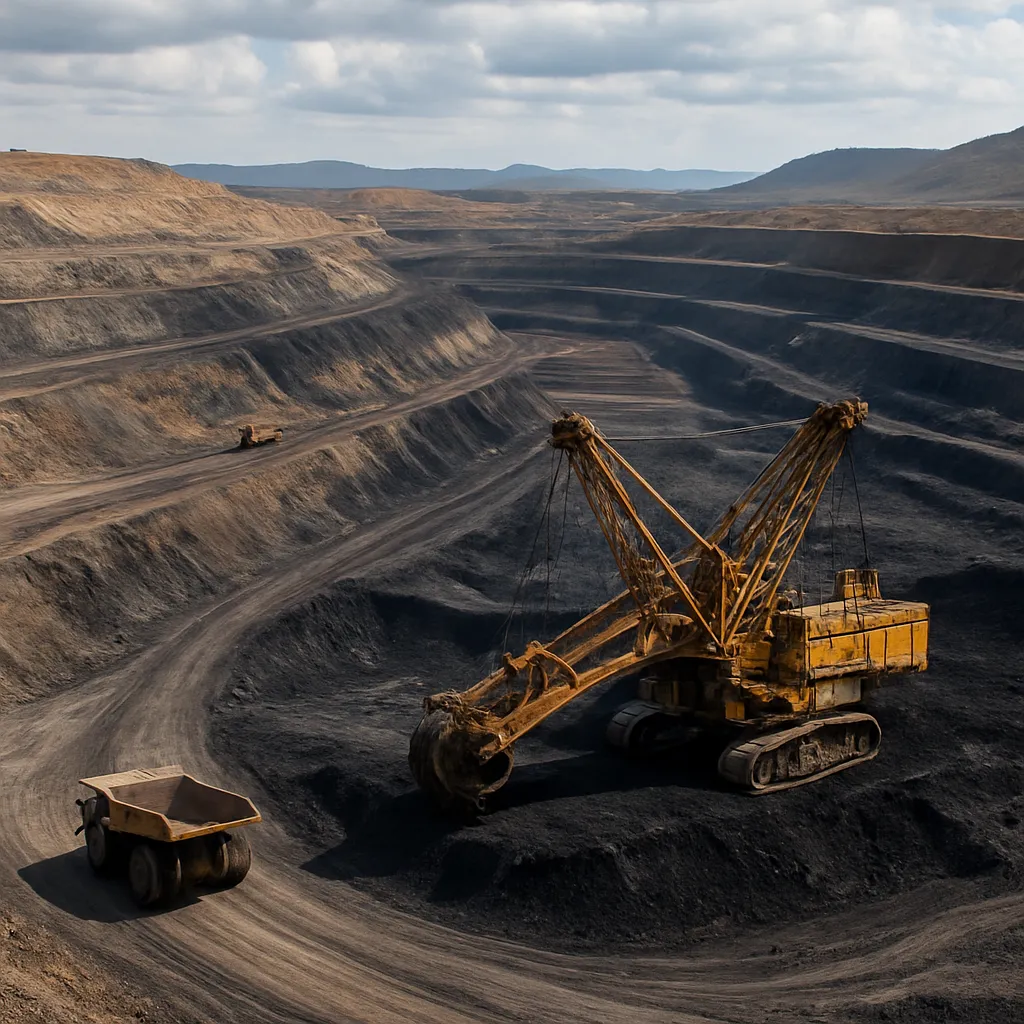
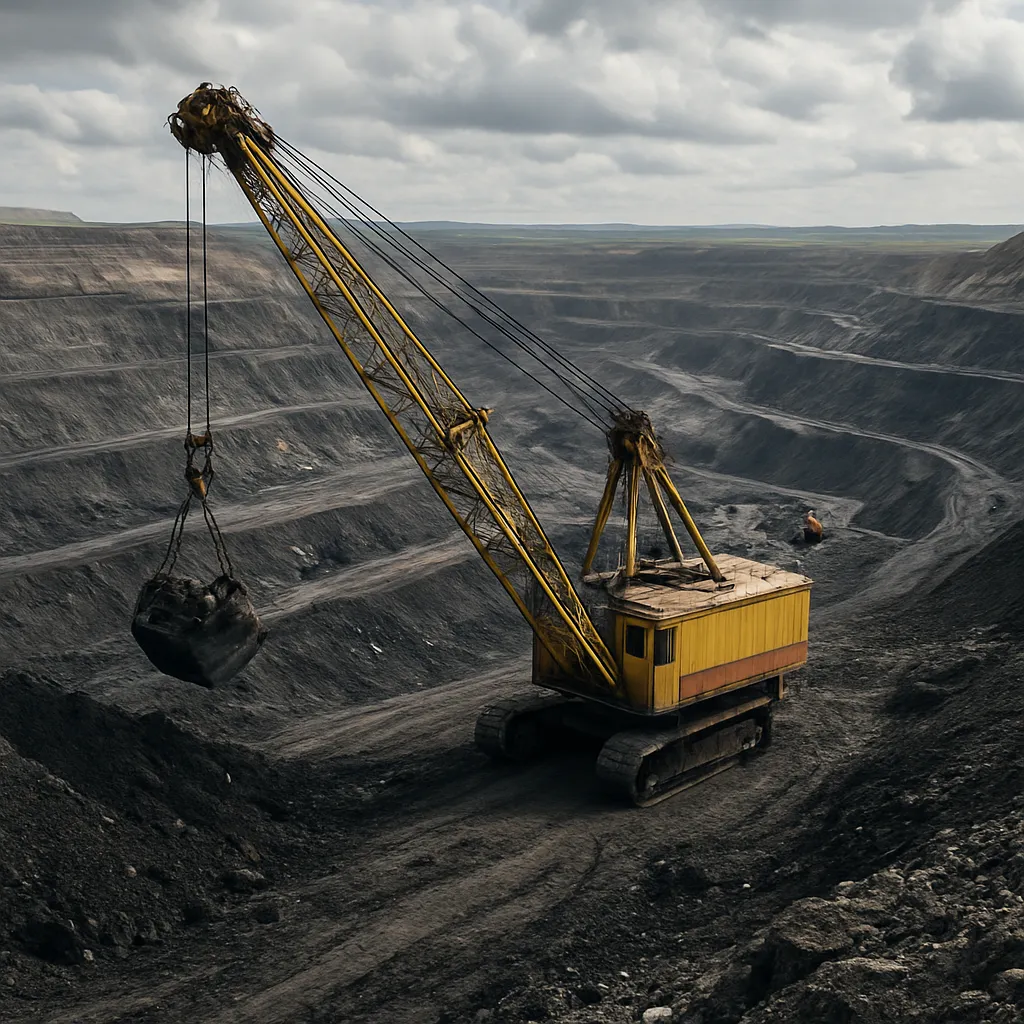
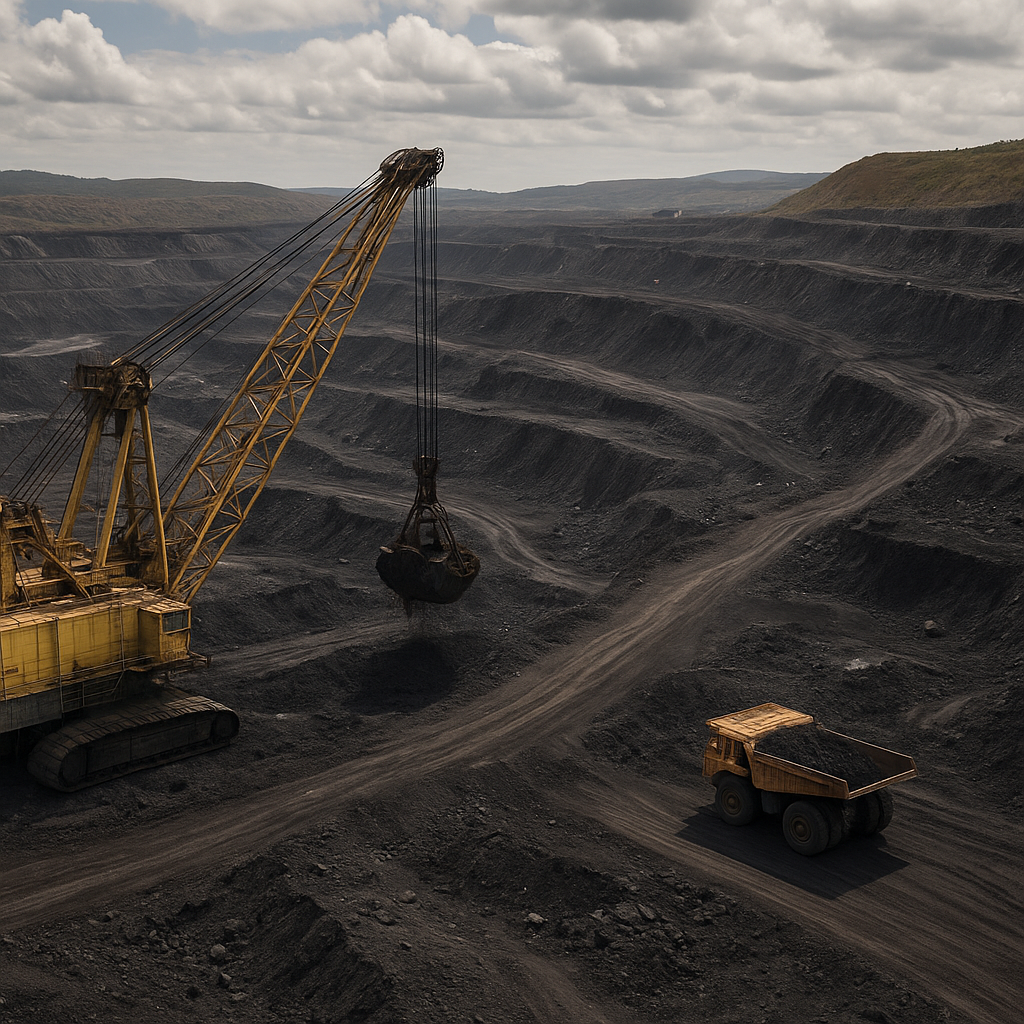
- Surface mining: Where seams are relatively shallow and laterally continuous, surface mining is preferred for its scale and cost efficiency. This method uses large shovels, draglines or excavators and high-capacity haul trucks to move overburden and coal.
- Underground methods: In areas where seams are deeper, room-and-pillar or longwall-style operations may be used. These are more capital-intensive per tonne but reduce surface disturbance.
- Support systems: Modern collieries operate with integrated pit dewatering, dust suppression, conveyor systems, and on-site processing plants for coal crushing, screening and washing.
Key operational concerns include mineral resource management, slope stability, fleet efficiency, and occupational health and safety. Mines in the region have increasingly adopted digital monitoring, fleet optimization, and predictive maintenance to improve productivity. Rehabilitation of overburden areas, progressive rehabilitation planning and community engagement are integral to permitting and social license to operate.
Economic and industrial significance
Kriel Coal Mine plays a role in South Africa’s energy value chain by contributing fuel to the country’s large fleet of coal-fired power stations and to regional industry. Coal remains a cornerstone of South Africa’s electricity supply and industrial heat requirements, and mines in the Mpumalanga Highveld are strategically located to supply major consumers.
- Energy security: Collieries in the Highveld, including Kriel, historically supply nearby power stations operated by state and private utilities, helping maintain baseload electricity generation critical to the national grid.
- Local economy: Mining activity supports regional employment, procurement and development of local supply chains — from heavy equipment maintenance to transport and logistics.
- Fiscal contribution: The coal sector generates export earnings (when coal is exported), pays royalties and taxes, and contributes to provincial revenue streams through business activity and associated services.
At the national level, a useful context is that South Africa’s annual coal production typically ranges in the low hundreds of millions of tonnes, with Mpumalanga accounting for the lion’s share of mined tonnage. While specific production figures for Kriel may vary year-on-year depending on contracts and mining plans, medium-to-large collieries in the region frequently target multi-million tonne annual outputs to maintain economic viability and satisfy long-term off-take agreements.
Statistics and regional figures
Precise mine-level statistics are published intermittently by companies and government departments; however, the regional and national picture provides useful perspective:
- South Africa’s coal production: historically in the range of roughly 200–260 million tonnes per year in recent decades (including both export and local consumption), though annual figures fluctuate with demand, price and operational factors.
- Mpumalanga’s share: this province supplies a majority of the country’s coal, often accounting for approximately 70–80% of national production.
- Domestic consumption vs. export: a large proportion of South African coal is consumed domestically for electricity generation (Eskom and private power plants), while a significant minority is exported in metallurgical and thermal coal streams.
- Employment: the coal sector directly employs tens of thousands of workers nationwide, with additional indirect employment generated through logistics, maintenance, services and local suppliers.
For Kriel specifically, production and employment figures depend on the operational configuration and ownership at any given time; some collieries in the area sustain output measured in several million tonnes per year and employ hundreds to a few thousand workers when surface and underground operations are combined. These numbers are influenced by mechanization, contract lengths with power stations, and the timing of resource development plans.
Environmental and social considerations
Coal mining in the Highveld, including the Kriel area, brings significant environmental and social responsibilities. Stakeholders must balance resource extraction with environmental protection, community welfare and long-term land use planning.
- Air quality: Dust from mining operations and transport, along with emissions from coal combustion, are major air quality considerations. Effective dust control and monitoring are part of compliance and corporate environmental management systems.
- Water management: Mines must manage water use, prevent contamination of surface and groundwater, and ensure safe treatment and discharge of process water from wash plants. The Highveld’s hydrology and seasonal rainfall patterns require robust dewatering and catchment protection strategies.
- Land rehabilitation and biodiversity: Progressive rehabilitation of mined land, topsoil segregation, and post-mining land-use planning mitigate long-term landscape impacts and support ecosystem recovery.
- Social impact: Mining is a significant employer and contributor to local economies, but it also requires ongoing engagement with nearby communities on issues such as housing, health services, education, and the management of dust and noise.
- Health and safety: Occupational health risks — silicosis, noise-induced hearing loss, and musculoskeletal injuries — require comprehensive health surveillance, training, and safety systems at the mine site.
Increasingly, mines are adopting integrated sustainability strategies covering greenhouse gas emissions, community investment, skills development, and mine closure planning to align with national regulatory expectations and investor requirements. Concepts such as circular economy practices, water recycling and the use of cleaner mining equipment are gaining traction as operational and reputational priorities.
Role in the broader energy transition and future outlook
The global energy transition toward lower-carbon energy systems presents both challenges and opportunities for coal-producing regions like Kriel. While short- to medium-term demand for thermal coal in South Africa remains significant due to the country’s reliance on coal-fired power generation, medium- to long-term scenarios emphasize gradual reductions in coal use, increased renewable generation, and potential adoption of technologies such as carbon capture, utilization and storage (CCUS) where economically viable.
- Medium-term continuity: Given the existing coal-fired capacity and the rate at which alternative capacity can be deployed, many collieries are expected to remain operational for the next one to two decades, subject to market and regulatory conditions.
- Diversification: Mining companies and regional economies are exploring diversification, including skills transition programs, repurposing of mining land, and development of greener industrial activities.
- Technological adaptation: Improvements in mine efficiency, reduction of fugitive methane emissions, and potential applications of CCUS in large power plants could extend viable operating windows for some coal basins.
- Socio-economic planning: A just transition framework emphasizes reskilling, social safety nets and economic diversification to mitigate the socio-economic impacts of eventual coal phase-downs on mining communities.
For Kriel, the outlook hinges on contract stability with major off-takers, the pace of national generation transition, and corporate strategies regarding investment, environmental compliance and community relations. Continued investment in operational efficiency and rehabilitation will shape the mine’s contribution to regional development while aligning with evolving regulatory and market pressures.
Interesting and lesser-known facts
Beyond its immediate operational role, mines in the Kriel area reflect broader industrial, geological and historical patterns of South Africa’s mining sector:
- Strategic location: Proximity to large power stations and railway infrastructure reduces logistics costs and supports reliable coal delivery to major consumers.
- Complex geology: Coal seams in the area can change rapidly over short distances, requiring flexible mining plans and careful geological modelling to optimize recovery.
- Beneficiation innovation: Some collieries invest in on-site washing and blending facilities to meet strict boiler specifications and improve value recovery from lower-grade seams.
- Community legacy: Mining has shaped the social and built environment of towns like Kriel, with generations employed in associated industries and services.
These characteristics illustrate why collieries in Mpumalanga continue to be central to South Africa’s industrial landscape even as energy policies and markets evolve.
Concluding observations
Kriel Coal Mine exemplifies the strategic role of Highveld collieries in supporting South Africa’s energy system and regional economies. The mine’s geological setting in the Karoo Supergroup delivers a thermal coal resource that has funded significant industrial activity and power generation. Operational practices emphasize mechanization, beneficiation and rehabilitation, while environmental and social responsibilities shape modern mining practice. Looking forward, the balance between continued energy security and decarbonization will determine the mine’s trajectory, with implications for employment, regional development and national energy policy.
The significance of Kriel and neighboring collieries extends beyond tonnage produced; they are nodes in a complex system linking geology, engineering, economics and society. Effective management of these elements will determine whether the region can navigate the twin challenges of sustaining livelihoods and meeting global and national climate commitments.