The following discussion examines the multifaceted role of coal in contemporary energy systems, its position in global markets, the dynamics of stock valuation, and the broader economic and environmental forces that shape its future. By exploring the drivers of demand, financing patterns, and regulatory interplay, this analysis sheds light on why some stakeholders continue to support coal despite mounting pressures for cleaner alternatives.
Overview of Coal and the Global Market
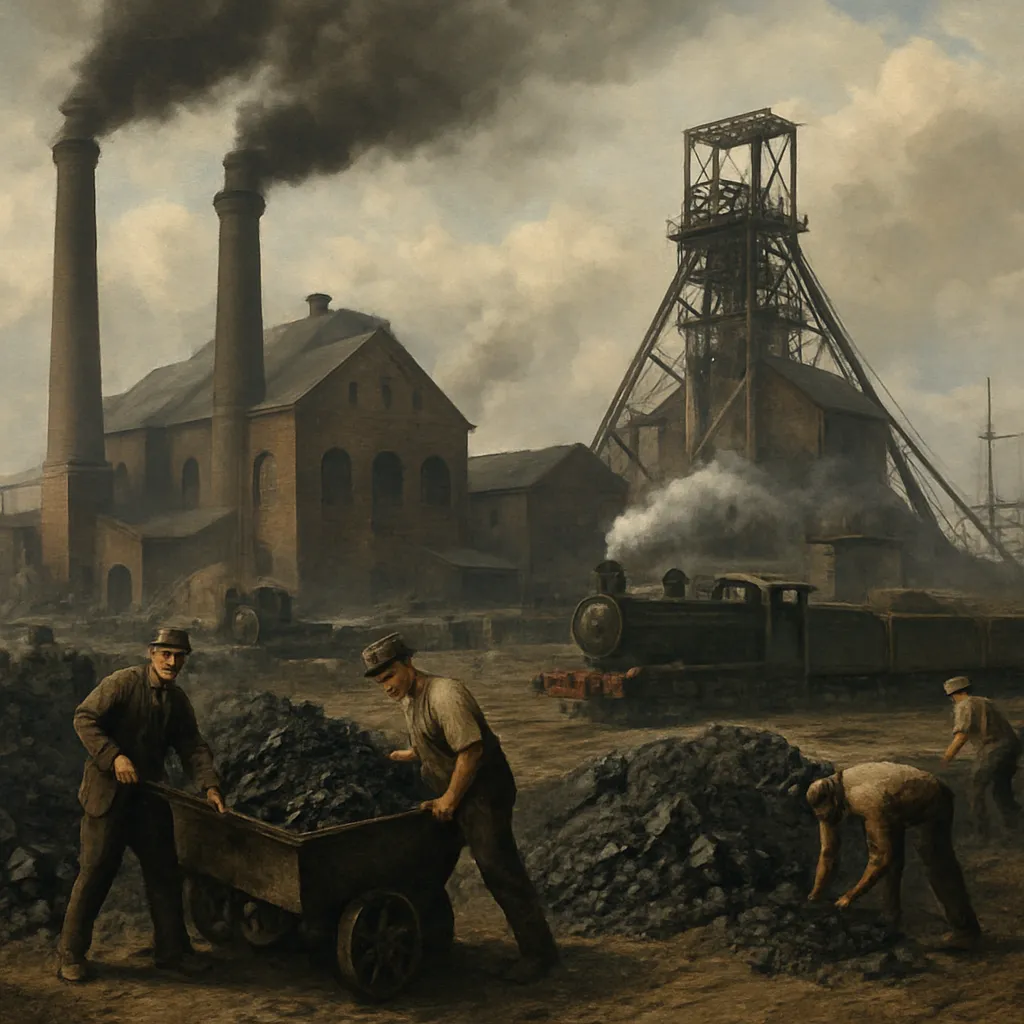
The mineral known as coal remains one of the most abundant and historically significant sources of energy worldwide. Formed over millions of years from plant material subjected to heat and pressure, coal varieties—from anthracite to lignite—differ in carbon content, calorific value, and typical applications. In the global market, coal is traded both on spot exchanges and through long-term contracts, with pricing influenced by freight rates, government policies, and competing fuels like natural gas and renewables.
Key Drivers of Coal Demand
- Industrial growth in emerging economies seeking affordable baseload power
- Reliance on coal-fired plants for grid stability and peak-load management
- Limited access to alternative energy infrastructure in remote regions
Major exporters—including Australia, Indonesia, and Russia—maintain significant stockpiles to balance seasonal demand fluctuations. Meanwhile, importing nations such as China, India, and Japan negotiate multi-year supply deals to secure consistent deliveries. The interplay between export volumes and domestic consumption shapes international pricing benchmarks like the API2 index for European coal and the Newcastle spot price in Asia-Pacific.
Investment Strategies and Coal Stock Performance
Investors evaluate companies active in coal extraction and processing based on reserve quality, cost efficiency, and debt levels. Publicly traded coal miners appear on multiple exchanges, and their share prices often react strongly to shifts in commodity market sentiment. In recent years, environmental, social, and governance (ESG) criteria have emerged as pivotal in shaping portfolio allocations, leading some fund managers to divest from high-carbon assets.
Portfolio Considerations
- Balance between short-term profit from rising coal prices and long-term sustainability risks
- Hedging strategies via derivatives to manage volatility in coal stock performance
- Engagement with company boards to influence fiscal discipline and reduction of emissions
Despite increasing scrutiny, certain private equity firms and sovereign wealth funds remain invested in coal, attracted by stable dividend yields and potential government subsidies. These backers argue that underinvestment in traditional power infrastructure could jeopardize energy security, particularly in regions where grid modernization lags.
Environmental Emissions and Regulatory Pressures
Coal combustion accounts for a significant share of global carbon dioxide output and air pollutants such as sulfur dioxide and particulate matter. Growing awareness of climate change has prompted governments to tighten emission standards and introduce carbon pricing mechanisms. In jurisdictions with robust enforcement, older coal plants face retrofitting requirements or early retirement, raising the costs borne by operators and, ultimately, consumers.
Policy Instruments Impacting Coal
- Carbon taxes and cap-and-trade systems that raise operational costs
- Renewable portfolio standards mandating a minimum share of clean power
- Direct subsidies for decommissioning outdated facilities and investing in carbon capture
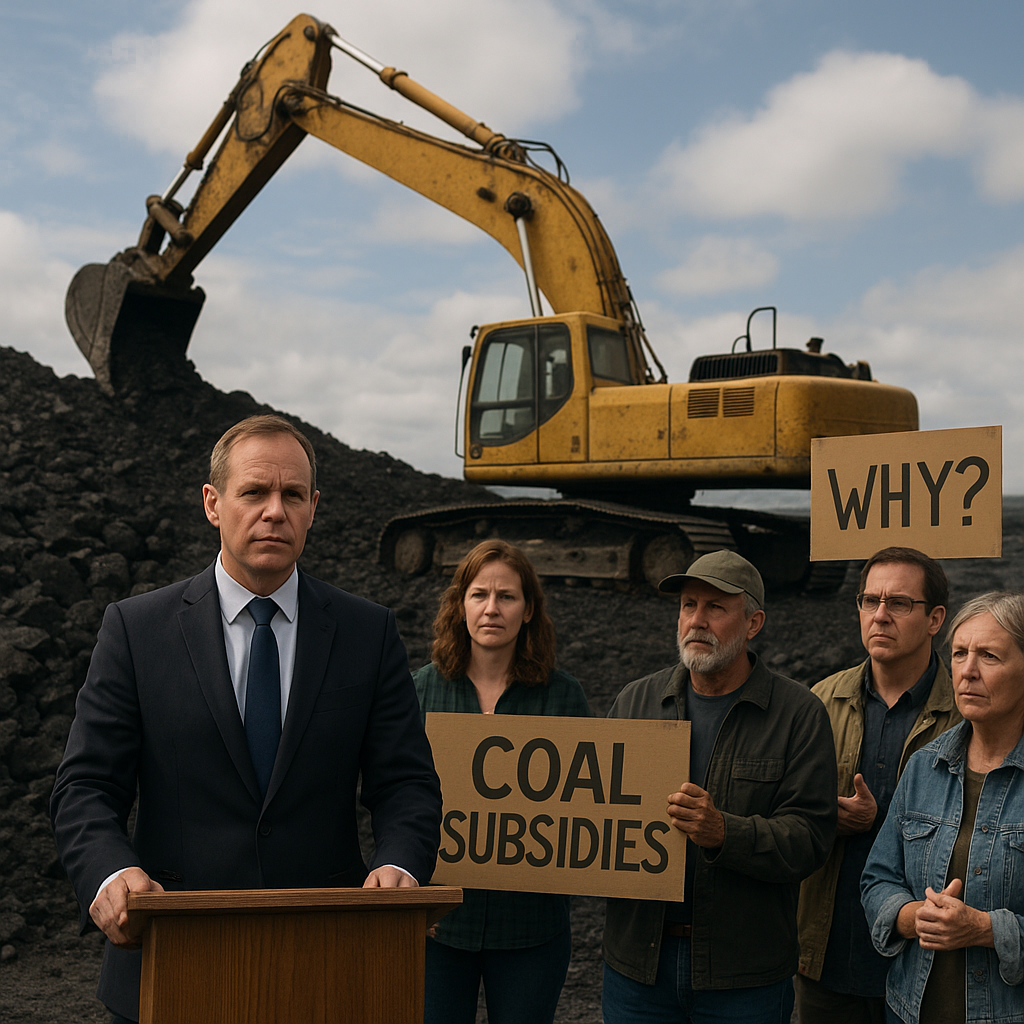
Environmental NGOs and civil society campaigns amplify pressure on public institutions and banks to cease financing coal projects. As a result, several multilateral development banks have set timetables for phasing out direct support to coal-fired generation. Nonetheless, domestic political considerations occasionally lead to renewed subsidies for local mining communities, highlighting the tension between socio-economic and environmental objectives.
Future Transition Scenarios in Resource Sustainability
The path toward a low-carbon future involves a combination of demand reduction, technological innovation, and policy reform. While renewable sources like wind and solar experience rapid growth, challenges remain in managing intermittency and ensuring adequate supply at all times. Natural gas often fills the gap, but long-term decarbonization goals necessitate alternative storage solutions, grid enhancements, and behavioral shifts in consumption.
Emerging Technologies and Adaptation
- Carbon capture, utilization, and storage (CCUS) to mitigate plant emissions
- Advanced coal gasification for cleaner synthesis gas production
- Integration of hydrogen production facilities co-located with coal plants
In parallel, investment in digitalization—such as predictive maintenance and performance optimization—can extend the operational lifespan of existing assets while reducing environmental impact. Some utilities adopt a phased approach, converting decommissioned coal sites into energy hubs that host batteries, solar arrays, or green hydrogen units. Such conversions can preserve jobs and infrastructure value, aligning with just-transition principles.
Ultimately, stakeholders must weigh the short-term benefits of continued coal reliance against the urgency of climate targets and evolving investor expectations. The fate of coal and coal stock valuations will hinge on the pace of technological adoption, regulatory clarity, and shifting public attitudes toward investment in high-carbon industries.