Gevra Open Cast Mine, located in the heart of the coal-bearing Korba region of Chhattisgarh, India, is one of the largest and most important coal mines in the country. This extensive mining complex has been a backbone for regional industrial development and national power generation for decades. The mine is best known for large-scale surface extraction of mainly thermal coal and for employing highly mechanized surface-mining techniques. The following article describes its location, geology, operations, economic importance, statistics (where available), environmental and social aspects, and outlook for the future.
Location, geology and mineral characteristics
Gevra Open Cast Mine lies in the Korba coalfield, in Korba district of Chhattisgarh state in central India. The Korba region is one of India’s most productive coal basins, and it hosts multiple large opencast and underground mines that supply coal predominantly for power generation and heavy industry in the region. Gevra is sited in proximity to major thermal power stations and has direct transport linkages that facilitate efficient coal movement.
The mine exploits seams of predominantly Permian-age coal. Gevra produces mainly non-coking or thermal coal, which is used primarily for combustion in power plants and for captive industrial use. Coal from the Korba basin, including Gevra, is generally categorized as medium- to high-ash thermal coal with a moderate calorific value, typical of many Indian coalfields. These coals are valuable for bulk power generation despite relatively higher ash content compared to some imported or metallurgical coals. Gevra’s coal characteristics—moisture, volatile matter, fixed carbon, and ash content—vary across seams and benches, and the mine uses washing and blending strategies where possible to meet customer specifications.
Mining operations, technology and logistics
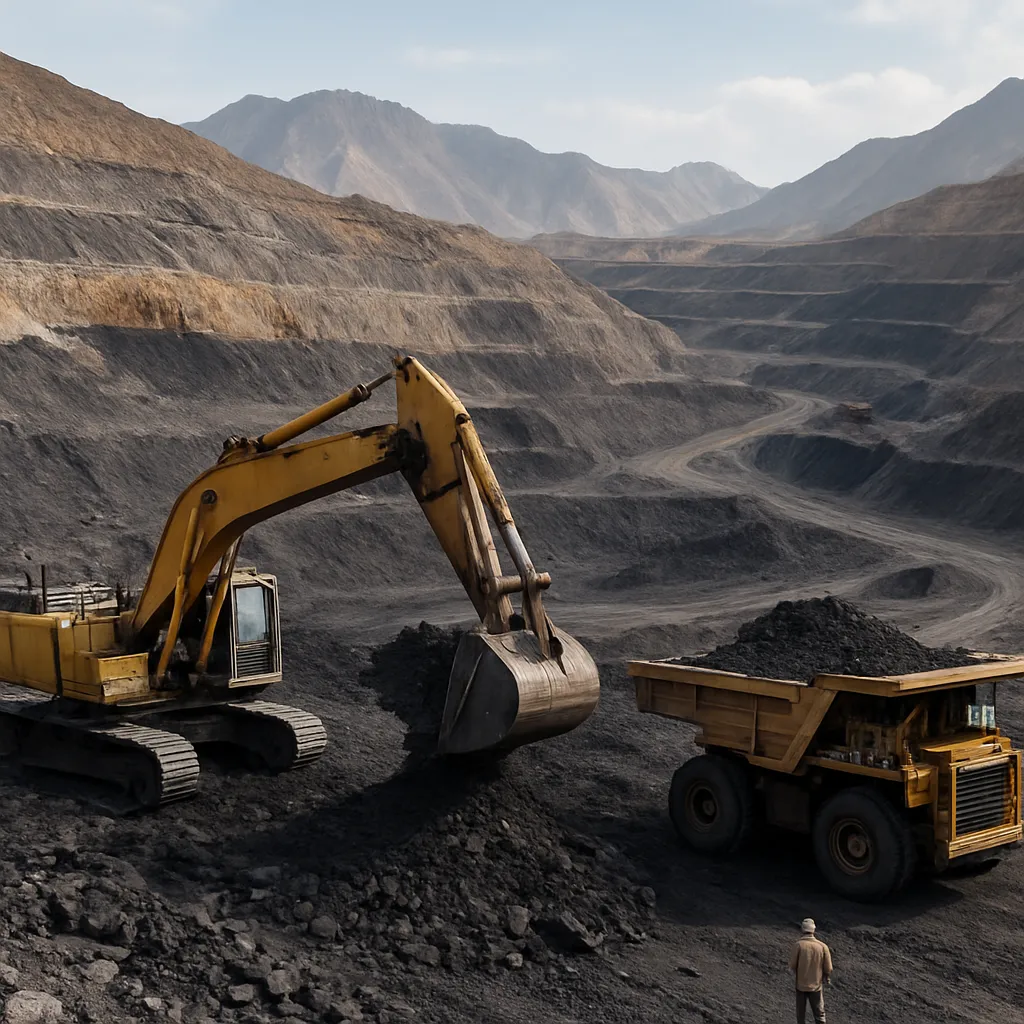
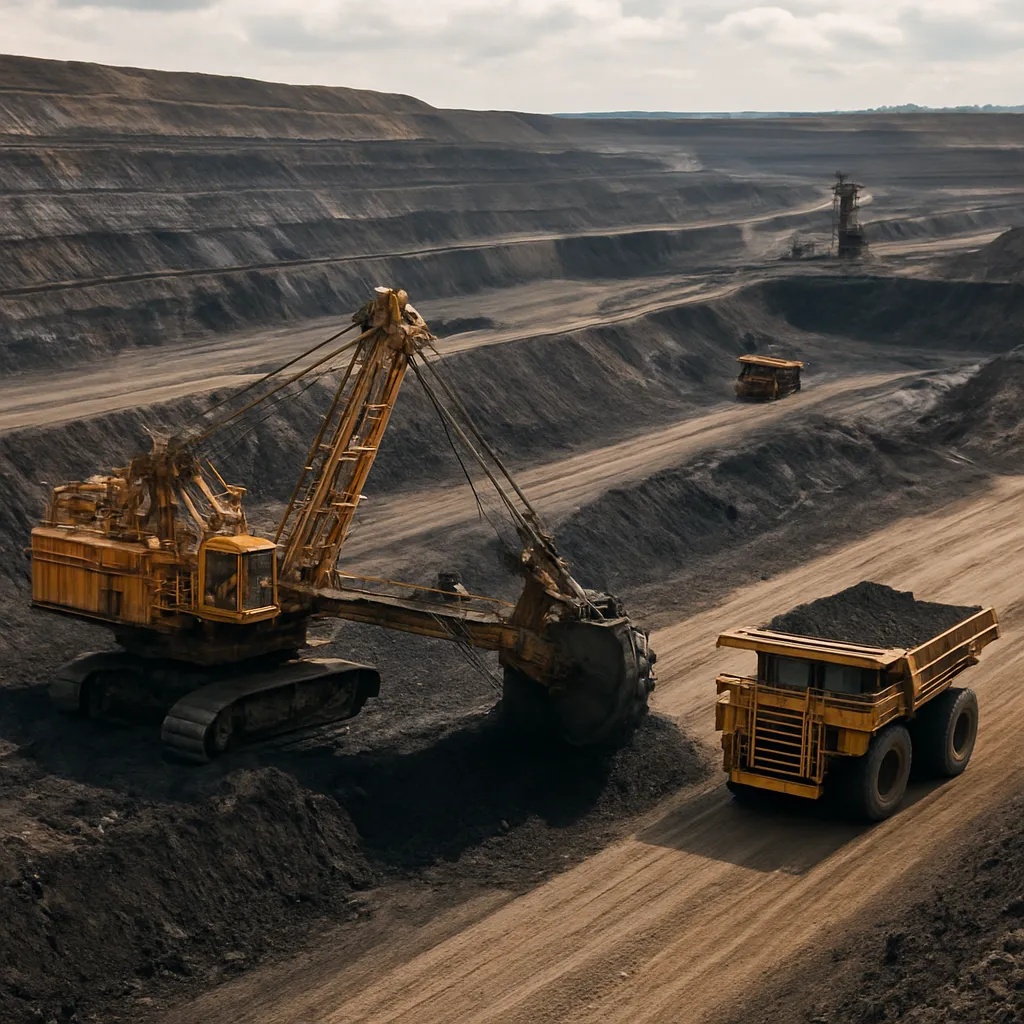
Gevra is an open-cast (opencast) mine that uses large-scale mechanized equipment including electric rope shovels, hydraulic excavators, dump trucks, and in some areas, draglines. The mine layout and operations are designed to allow continuous extraction, overburden removal, and coal handling at scale. Modern mining practices are employed to maximize efficiency and safety: high-capacity shovels, systematic drilling and blasting for overburden, and fleet management systems to coordinate truck movements.
- Overburden removal: Large volumes of overburden are stripped to expose coal seams. Heavy earthmoving equipment and systematic benching ensure stable slopes and efficient removal.
- Coal extraction: Seam-wise extraction with careful planning to manage coal quality and minimize dilution from interburden.
- Processing and handling: Conveyors, crushers and screening (and where feasible, coal washing) are used to prepare coal for dispatch. Conveyor networks connect working areas to coal stacking yards and loading facilities.
- Transport: Rail and road networks connect Gevra to nearby power plants and broader national markets. Proximity to the Korba thermal power complex and captive consumers reduces logistics costs and improves reliability of supply.
Gevra’s scale demands extensive infrastructure: power supply for machinery, workshops, fuel stations, communication networks, and facilities for on-site workforce. The mine also deploys advanced monitoring for safety, slope stability and environmental parameters.
Economic significance and industrial role
Gevra is a strategic asset for India’s coal sector and for the regional economy of Chhattisgarh. Operated by South Eastern Coalfields Limited (SECL), a subsidiary of Coal India Limited (CIL), Gevra contributes significantly to domestic coal supplies used mainly in thermal power generation. Key aspects of its economic significance include:
- Power supply security: Coal from Gevra feeds nearby thermal power plants in Korba and other regions, helping to ensure a stable electricity supply to meet industrial and household demand.
- Industrial input: Beyond power, the mine provides coal for local industries, including cement and other heavy sectors that rely on bulk thermal coal.
- Employment: Gevra supports thousands of direct and indirect jobs—operational staff, contractors, transport workers, and services—contributing to local livelihoods and urbanization.
- Revenue and royalties: Coal sales generate significant revenue for SECL and for state and central governments through royalties, taxes, and other levies, supporting public finances and development programs.
- Local economy: Infrastructure development, commerce, and services linked to mining activity stimulate broader economic growth in Korba and neighboring districts.
Large-scale mines like Gevra also attract ancillary industries and support regional logistics corridors, including rail and road upgrades. The long-term supply reliability from a major opencast mine helps industries plan capacity and investment.
Production statistics and capacity (available data and context)
Gevra is widely regarded as one of India’s largest single opencast mines. While yearly output varies with market demand, planned capacity and operational factors, the mine’s installed/yearly extraction capability is substantial. Public reports and industry summaries have repeatedly identified Gevra among the top-producing mines in India and Asia.
Representative statistics and context (figures are drawn from public reporting and historical industry data—readers should consult the most recent SECL/CIL reports for the latest numbers):
- Installed capacity: Gevra’s design and expansion phases have resulted in a normative capacity often reported in the mid-to-high tens of millions of tonnes per annum. Industry summaries commonly place the mine’s capacity in the range of roughly 35–40 million tonnes per annum (Mtpa), making it a high-capacity operation by Indian standards.
- Annual production: Over operational years, annual production has frequently exceeded 25–30 million tonnes, with some peak years reported higher depending on market conditions and operational uptime.
- Reserves: The Korba coalfield, which includes Gevra, contains several hundred million tonnes of extractable coal across multiple mines, ensuring mine life measured in decades at current production rates. Exact proven and probable reserve figures for Gevra are periodically updated through geological re-evaluations and official reserve statements by SECL/CIL.
- Share of regional production: As one of the largest mines in the Korba complex, Gevra accounts for a significant share of coal output in the district and for a meaningful fraction of SECL’s total production.
Because geological, operational and policy conditions can change, production numbers should be consulted in the latest annual reports of SECL/CIL for precise, year-specific data. Nevertheless, Gevra’s scale and steady output underline its importance to India’s coal supply chain.
Environmental and social considerations
Large-scale opencast mines such as Gevra present complex environmental and social challenges that are actively managed through regulatory compliance, company programs and government oversight. Key issues and mitigation approaches include:
- Land acquisition and resettlement: Expansion of opencast workings requires land. SECL and authorities have implemented land acquisition, rehabilitation and resettlement programs for affected communities, though social impacts and community concerns remain sensitive and require ongoing engagement.
- Air quality and dust: Dust from blasting, overburden movement and coal handling is mitigated via water sprinkling, windbreaks, covered conveyors, and dust extraction at key points.
- Water management: Opencast mining affects surface and groundwater regimes. The mine operates water-management systems, settling ponds, and progressive reclamation to reduce impacts and to reuse water where practicable.
- Afforestation and reclamation: Progressive backfilling of worked-out areas, soil conservation and afforestation programs are part of long-term environmental management to restore land for other uses or ecological recovery.
- Biodiversity: Environmental impact assessments guide measures to protect local flora and fauna, and mine plans incorporate buffer zones and monitoring protocols.
- Health and safety: Worker safety is prioritized through mechanization, training, protective equipment and occupational health programs; community health initiatives are often part of corporate social responsibility (CSR) efforts.
Additionally, modern sustainability pressures mean mining companies are increasingly measured on metrics such as greenhouse gas emissions, energy efficiency, water footprint, and social license to operate. SECL and Coal India have progressively adopted technologies and practices aimed at reducing environmental impacts and improving community outcomes, though critics argue more can be done in areas such as emission reduction and long-term land restoration.
Workforce, governance and corporate context
Gevra is operated by SECL, the largest coal-producing subsidiary of Coal India Limited, a government-owned corporation. Governance of the mine follows national mining regulations, environmental clearances and company policies. The workforce comprises a mix of direct employees, contract workers and specialist crews. Because of the mine’s size, it hosts onsite training centers, safety programs and human-resource systems aligned with national labor laws and industry best practices.
Corporate governance includes compliance with statutory reporting, environmental monitoring, and stakeholder engagement. CSR programs typically target health, education, infrastructure development, and livelihood support for local communities. Partnerships with state authorities and local bodies are essential for coordinating resettlement, infrastructure and social services impacted by mining activity.
Strategic importance and role in India’s energy mix
Coal remains a dominant source of electricity generation in India. Mines like Gevra occupy a strategic place in ensuring energy security. Several factors underscore its strategic role:
- Reliable domestic supply: Gevra’s large, proximate coal reserves reduce dependence on imported coal for nearby power plants and industries, lowering exposure to global price swings and supply-chain disruptions.
- Cost competitiveness: Bulk opencast mining typically delivers coal at lower delivered cost compared to imports, benefiting power utilities and heavy industry in terms of generation cost and competitiveness.
- Grid stability: Continuous supply from large mines supports steady base-load power generation, essential for a growing economy with rising electrification and industrial demand.
Even as India pursues a diversified energy transition—expanding renewables and improving efficiency—thermal coal will likely remain a part of the energy mix for decades. In this context, large mines with efficient operations such as Gevra can play a transitional role while efforts to reduce emissions, improve plant efficiency, and deploy carbon mitigation strategies progress.
Challenges, modernization and future outlook
Gevra faces the typical challenges of major surface-mining operations: balancing production goals with environmental stewardship, managing land and water impacts, ensuring community welfare, and integrating technological modernization. Key future-facing themes include:
- Operational efficiency: Continued mechanization, optimization of fleet operations, and digitization (fleet telematics, predictive maintenance) can increase productivity and reduce costs.
- Environmental performance: Investment in dust-control, water recycling, progressive reclamation and emission controls will be important to meet stricter regulatory and societal expectations.
- Coal quality management: Washing, beneficiation and blending strategies can improve coal calorific value and reduce ash levels presented to end users.
- Community engagement: Effective resettlement, livelihood support, and local infrastructure investment will remain central to maintaining the mine’s social license to operate.
- Policy environment: Changes in national energy policy, carbon regulation and market demand for coal will influence production planning and investment horizons.
Given its resource base and established infrastructure, Gevra is likely to remain a major coal supplier for many years, even as the Indian energy landscape evolves. Investments that improve sustainability and reduce environmental footprint will determine how smoothly the mine’s operations coexist with broader climate and development objectives.
Interesting facts and regional context
Several points of interest about Gevra and its regional context help illustrate its scale and role:
- Scale: Gevra is routinely cited among the largest opencast mines in India and Asia in terms of annual throughput and operational area.
- Regional industrial cluster: Korba hosts multiple thermal power plants and heavy industries; Gevra’s proximity reduces logistical complexity and supports integrated energy-industrial clusters.
- Infrastructure development: Expansion of mining at Gevra has historically led to upgrades in rail, road and utilities that benefit the wider region.
- Technological adoption: The mine’s use of high-capacity shovels, haulage fleets and modern mine-planning tools exemplifies the industrial-scale mining model in India.
- Long mine life: Large reserves and sustained production capacity mean Gevra is expected to remain productive for several decades under current extraction plans.
Concluding outlook
Gevra Open Cast Mine is a major pillar of India’s coal production system. Its large-scale, mechanized operations supply thermal coal pivotal to the Korba power complex and to broader regional industry. While data on exact annual outputs and reserves are best confirmed through SECL and CIL official reports for specific years, the mine’s normative capacity is commonly cited in the tens of millions of tonnes per annum and its cumulative contribution to regional development is substantial. Going forward, balancing continued production with environmental management, community welfare, and energy-transition policies will define Gevra’s trajectory. The mine’s modernization, sustainability measures and integration with regional planning will determine how it continues to support India’s energy needs while responding to evolving economic and environmental priorities.