The following article provides a detailed overview of the coal mining operations associated with Shanxi Lu’an mines in the People’s Republic of China. It covers geographic setting, geology, the types of coal produced, economic and industrial roles, statistical estimates, environmental and safety issues, and likely future developments. The piece highlights technical, social, and market aspects of the mining complex and places them in the broader context of Shanxi province and China’s energy system. The central operator discussed here is Shanxi Lu’an Mining Group, one of the major players in the region and the wider national coal industry. The text emphasizes several key terms such as Shanxi, Lu’an, coal, bituminous, coking, thermal, reserves, production, workforce, and safety.
Location and geological setting
Shanxi province occupies a central position in northern China and is historically the country’s strongest coal-producing region. The Shanxi coalfield complex covers broad basins and structural depressions where thick Paleozoic and Mesozoic coal-bearing sequences are present. The mining sites associated with Lu’an operate across several counties and districts within the province, exploiting deposits that formed in Carboniferous and Permian paleoenvironments. These deposits are typically characterized by multiple coal seams with varying thickness and lateral continuity.
Regional geology and seam characteristics
- Coal seams in the Shanxi region often include medium- to high-rank bituminous coals, with localized occurrences of higher-grade coking coal suitable for metallurgical use.
- The strata in which Lu’an mines operate show cyclical sedimentation patterns—alternating coal seams, shales, sandstones and occasional limestones—resulting from ancient fluvial, deltaic and swamp environments.
- Many seams are continuous over tens of kilometers, enabling large-scale underground operations; seam depths vary from near-surface to several hundred meters underground, influencing choice of mining method.
Mining methods and infrastructure
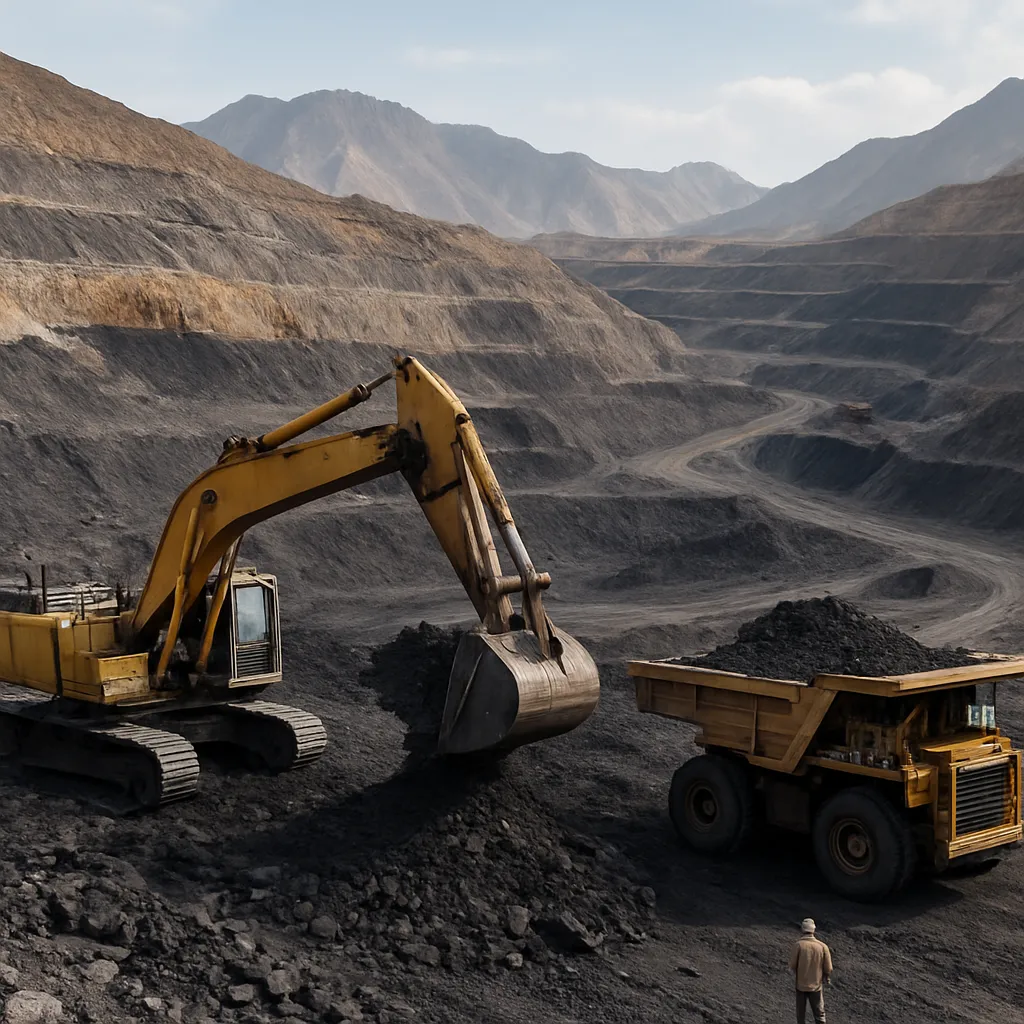
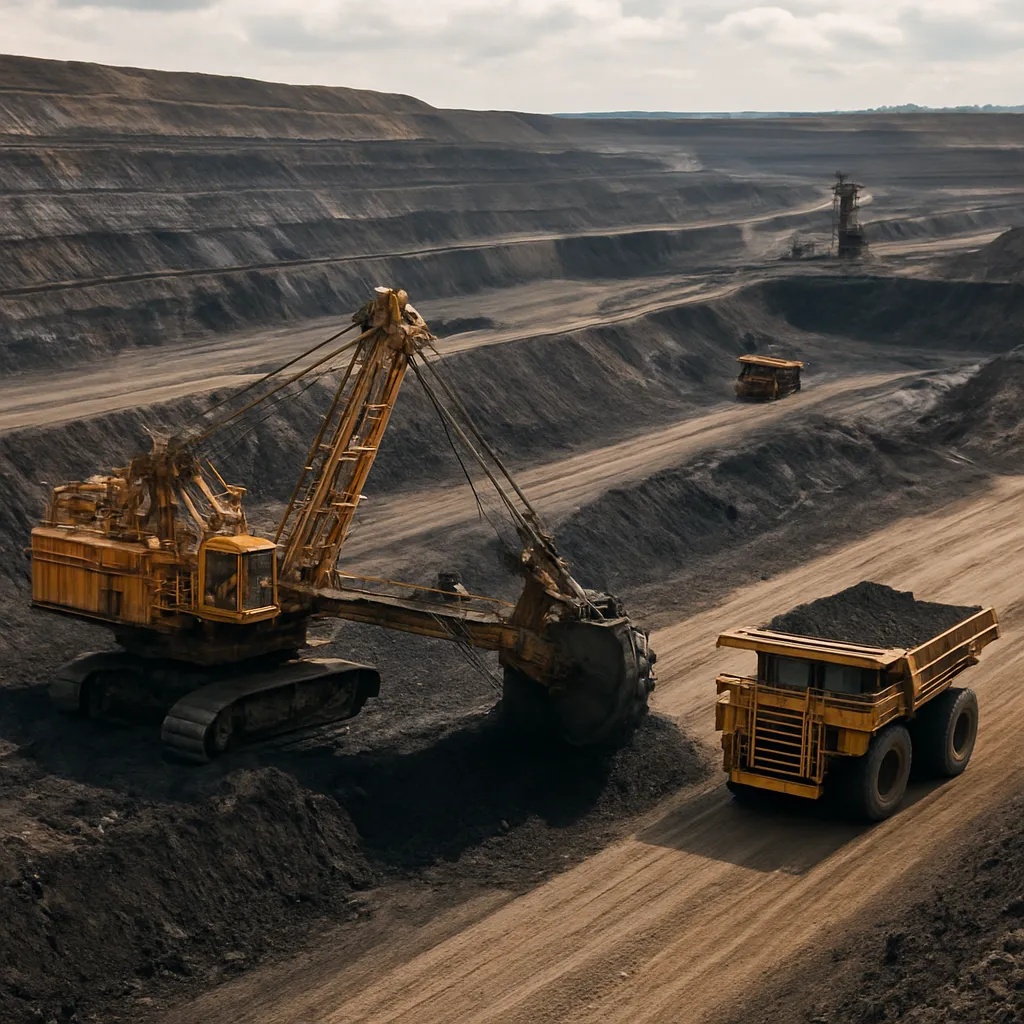
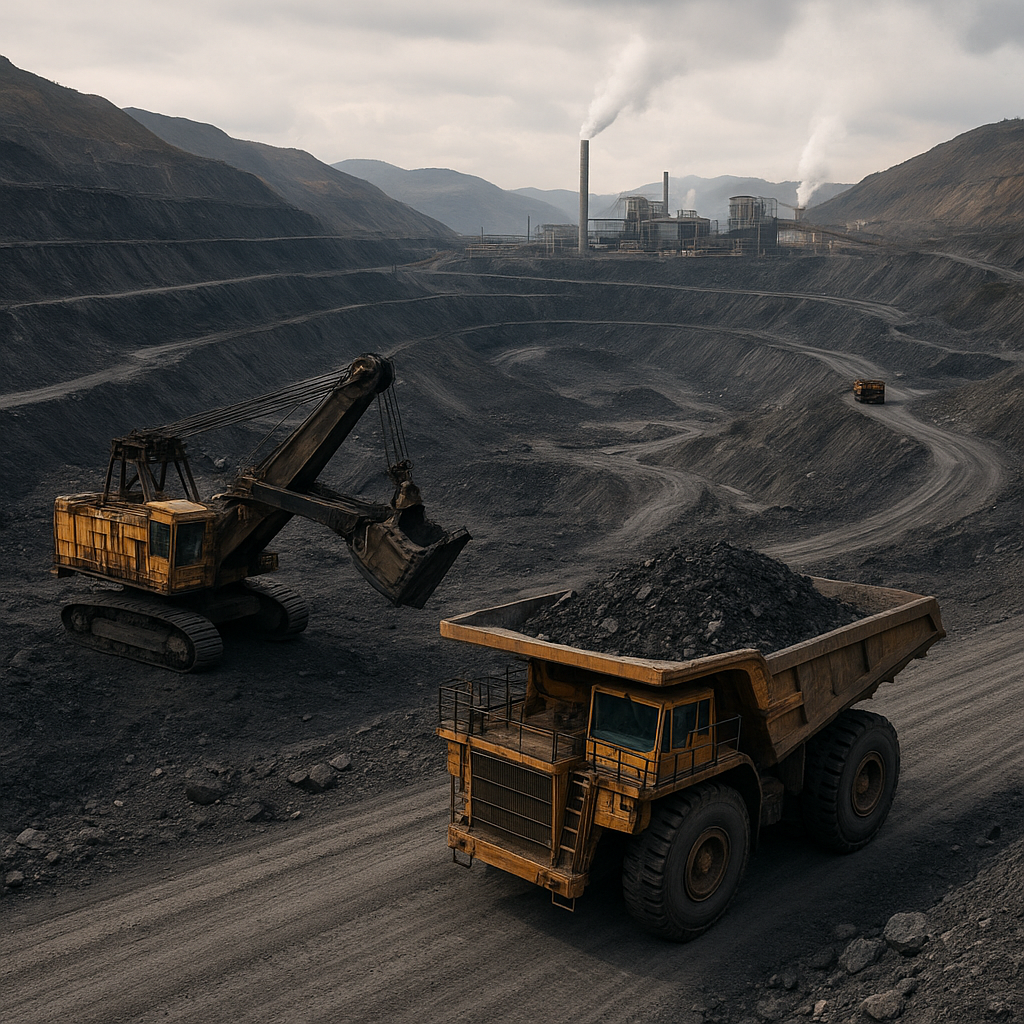
Minimizing geological risk and maximizing recovery require a combination of underground and surface mining techniques. Lu’an-associated sites commonly deploy mechanized longwall systems for underground extraction, while some satellite operations utilize open-pit methods where seam geometry and overburden permit. The mining complexes are supported by regional rail lines and conveyor networks that link collieries to washing plants, coking facilities, power stations, and national distribution corridors.
What is extracted: coal types, quality and downstream uses
The product mix from Lu’an-related mines reflects Shanxi’s diverse coal endowment. Most production is dominated by various grades of coal used in thermal power generation and industry, as well as significant volumes of higher-grade coal with metallurgical properties.
- Bituminous coal: The bulk of production falls into this category and feeds both power plants and industrial boilers. Bituminous coal from Shanxi often has moderate-to-high calorific value, but variable ash and sulfur content depending on seam and locality.
- Coking coal (metallurgical): Where higher-quality seams exist, coal is processed and sold to steelmakers for coke production. These coals are essential for blast furnace operations and are a strategic commodity for the domestic steel industry.
- Thermal coal: A major portion is consumed domestically for electricity generation. Thermal coal grades are prioritized towards stable calorific output for power station demand.
- By-products and coal-chemical feedstocks: Coal gasification and coal-to-chemicals are growing segments; some Lu’an facilities have diversified or supply feedstock for chemical synthesis and coal-based nitrogenous fertilizers.
Quality parameters and processing
Raw run-of-mine coal is routinely washed to reduce ash and sulfur, enhancing calorific value and marketability. Typical processing steps include crushing, gravity separation, jigging and dense media separation, followed by blending to meet customer specifications. Quality indicators—calorific value (kcal/kg), volatile matter, fixed carbon, ash, sulfur, and phosphorus—determine end-use classification. In some instances, coal is upgraded to meet metallurgical standards via beneficiation and careful seam selection.
Production, reserves and statistical profile
Accurate, up-to-date figures for Lu’an’s mining footprint fluctuate with market conditions, consolidation, and regulatory policies. Nevertheless, several consistent features define the scale and importance of the operation: large annual outputs, substantial in-situ reserves, and a diversified product portfolio serving domestic industry and power generation.
Estimated production volumes and capacity
- Annual production: Company and industry summaries over the last decade indicate that major Shanxi coal groups, including Lu’an, typically report annual coal outputs ranging from the tens to low hundreds of millions of tonnes across their entire operations. For Lu’an-affiliated mines taken together, a commonly cited scale of operations is on the order of several tens of millions of tonnes per year.
- Processing capacity: Coal washing and preparation plants linked to Lu’an collieries handle significant throughput, enabling reduction of ash content and production of the various marketable coal grades.
- Reserves: Proven and probable reserves in the broader Shanxi basins are counted in the billions of tonnes; individual Lu’an mine reserves vary, with the largest pits and underground panels holding hundreds of millions of tonnes in-place.
Employment and socioeconomic statistics
- Workforce: The mining complex supports a substantial workforce—ranging from operational miners and plant operators to administrative and service personnel. Large coal groups in the region commonly employ tens of thousands of people directly and create additional employment indirectly across freight, maintenance, and local services.
- Regional economic contribution: Revenues, taxes and royalties derived from coal account for a major share of local government income in many Shanxi prefectures. The link between coal production and provincial GDP remains strong despite diversification efforts.
- Market share: Lu’an-related production contributes materially to Shanxi’s total coal output. Shanxi historically supplies a large fraction of China’s domestic coal, with percentages that vary but have been estimated at roughly one-fifth to one-third of national production at different times.
Economic and industrial significance
The importance of Lu’an mines extends beyond raw extraction: they act as anchors for regional industry, logistics and energy security. Coal from these sites feeds steel production, power generation, cement manufacture, and an expanding coal-chemical sector. This vertically integrated role amplifies the economic impact of mining operations.
Role in steel, energy and petrochemicals
- Steel industry: Coking coal sourced from higher-grade seams supports metallurgical coke production—a necessary input for the steel mills that drive much of China’s heavy industry.
- Power generation: Local and regional thermal stations use Shanxi coal to ensure grid stability and baseload electricity, particularly for northern China’s winter heating demands.
- Coal-to-chemicals: In response to strategic energy goals, certain projects convert coal into methanol, olefins, and other feedstocks, creating higher value-added streams compared with direct combustion.
Trade, logistics and markets
While the largest share of Lu’an-sourced coal serves domestic needs, some quantities are shipped interprovincially and, in the case of seaborne-capable grades, exported. The logistical configuration—rail connections, inland transfer hubs and links to coastal ports—shapes market access. Price dynamics depend on seasonal demand (winter peak), national policy measures, and international commodity cycles.
Safety, environmental management and modernization
Safety and environmental stewardship are central challenges for any large coal mining operation. Over the past two decades, China has emphasized mine safety upgrades, consolidation of smaller illegal mines, and implementation of modern mining technologies. Lu’an-affiliated operations have undergone these transitions to varying degrees, combining legacy infrastructure with new investments.
Safety record and measures
- Regulatory tightening: Following a long history of mine accidents nationwide, regulations require improved ventilation, better methane monitoring, reinforced support systems, and automated longwall controls.
- Technology adoption: Automation, remote monitoring, and predictive maintenance are being introduced to reduce exposure to dangerous tasks and to lower the incidence of accidents.
- Emergency preparedness: Comprehensive rescue teams, emergency shelters, and rapid response protocols are standard practice at major collieries.
Environmental impacts and mitigation
Coal mining affects air quality, water resources, land use and greenhouse gas emissions. Key mitigation strategies employed include:
- Coal-wash plants to reduce particulate and ash loads released when coal is burnt.
- Methane capture and utilization initiatives—recovering coal mine methane for power generation or as feedstock, thereby limiting fugitive methane emissions.
- Land reclamation and progressive rehabilitation of overburdened surface areas to restore ecological function.
- Water management systems to control acid mine drainage and reduce impacts on agricultural water supplies.
Energy transition and technology
The national agenda of reducing carbon intensity and increasing renewable deployment poses long-term strategic questions for high-volume coal producers. In response, large groups have diversified into cleaner uses of coal (e.g., gasification, carbon capture and storage pilot projects), raised efficiency at power generation facilities, and explored alternative business lines such as logistics, equipment manufacturing and non-coal investments.
Social and community dimensions
Mining operations are embedded within local communities and influence livelihoods, health, housing and regional development patterns. The social footprint of Lu’an-related mines includes direct employment, local procurement, and investments in infrastructure such as roads, hospitals and schools. At the same time, issues of occupational health, pollution and periodic mine-induced subsidence are ongoing community concerns.
Employment patterns and living standards
- Direct employment in mines provides relatively high-wage blue-collar jobs in rural areas, supporting family incomes and stimulating local service sectors.
- Company social programs frequently include subsidized housing, medical clinics, and training programs to maintain skills and safety awareness among workers.
- Resettlement programs: Where surface mines expand or underground extraction induces surface movements, planned relocation and compensation schemes are applied, though implementation quality can vary.
Health issues and mitigation
Occupational lung diseases such as pneumoconiosis and effects from particulate air pollution are recognized hazards. Measures to reduce health impacts include dust suppression systems, personal protective equipment, regular health screenings, and stricter workplace exposure limits.
Challenges, opportunities and future outlook
The outlook for Lu’an-associated mining operations is shaped by a combination of domestic policy, global energy trends, and technological evolution. Several key themes will determine future trajectories.
Challenges
- Policy-driven decarbonization and an eventual shift away from coal in long-term power planning could reduce domestic demand for thermal coal.
- Environmental compliance costs—emissions controls, land remediation and water treatment—add to production costs and can constrain margins.
- Pressure to improve safety, modernize equipment and integrate automation requires capital investment and skilled labor.
Opportunities
- Diversification into coal-chemical processing and higher value-added products offers a pathway to sustain revenue while demand for raw coal plateaus.
- Utilizing coal mine methane as a cleaner-burning energy source and capturing CO2 in pilot projects can create new revenue streams and reduce greenhouse impact.
- Export opportunities for certain grades of metallurgical coal remain, subject to global market dynamics.
Strategic moves and expected trends
In the near to medium term, Lu’an-related operations are likely to pursue efficiency gains, consolidation (closing uneconomic small mines), and vertical integration to retain profitability. Investments in automation and digitalization of mine operations will continue, supporting safer and more productive mining. In the longer run, a gradual shift of the corporate portfolio away from pure coal extraction toward downstream and non-coal sectors is plausible, mirroring broader provincial and national policy directions.
Interesting facts and lesser-known aspects
- Historical prominence: Shanxi’s coal industry has centuries-old roots; modern mechanized mining in the region developed rapidly during the 20th century and was a major driver of industrialization.
- Energy security role: Mines such as those affiliated with Lu’an form a core component of northern China’s winter heating security, highlighting their strategic importance beyond mere commodity supply.
- Technology testbeds: Large-scale operations in Shanxi often serve as sites for piloting new mining automation and methane utilization projects, which can later scale nationally.
- Urban-industrial ecosystems: Mining hubs have spawned specialized engineering firms, equipment manufacturers and service companies, creating an industrial cluster around the coal supply chain.
Key takeaways and concise summary of significance
Shanxi Lu’an mining operations are emblematic of large-scale Chinese coal mining: geographically concentrated, geologically rich, economically significant, and technologically evolving. They produce a spectrum of coal grades—chiefly bituminous and thermal coals, with portions of coking coal—support substantial production volumes and supply critical industrial and energy markets. The mines sustain a sizable workforce and contribute materially to regional revenues, while facing pressing demands to improve safety, reduce environmental impacts and adapt to a transforming energy landscape. As China balances energy security, industrial needs and climate commitments, the Lu’an complex and similar operations will continue to play an influential role, albeit within a shifting policy and market environment.