
The story of coal stretches back centuries, shaping economies, communities, and the global energy landscape. From the smoky chimneys of the Industrial Revolution to modern stock exchanges, the influence of this dark mineral remains profound. Yet beneath the numbers and charts lies a tapestry of human experiences—miners battling hazardous conditions, investors navigating volatile markets, and activists demanding a greener future. This article delves into the extraction process, the dynamics of coal stock, and the intertwined social and environmental consequences.
The Journey of Coal Extraction
Underground and Surface Mining Techniques
Coal extraction methods vary depending on the geology of coal seams and economic factors. Two primary approaches dominate:
- Underground mining: Tunnels or shafts are excavated deep into the Earth’s crust. This method provides access to thick, high-quality seams but brings risks such as roof collapses, methane explosions, and health hazards like pneumoconiosis (black lung disease).
- Surface mining: Layers of soil and rock are removed to expose coal deposits near the surface. Techniques include open-pit and strip mining. While generally safer for miners, these operations dramatically alter landscapes and ecosystems, causing erosion and water contamination.
Safety Challenges and Human Stories
Behind every ton of extracted coal lies the story of individuals who risk life and limb. Resilience becomes more than a buzzword—it is a daily reality for those descending into dark shafts or operating massive surface machinery. Consider these snapshots:
- A veteran miner who survived a catastrophic roof fall, emerging with a newfound purpose to mentor younger colleagues in safety protocols.
- A community leader living near a surface mine, documenting subsidence and advocating for reparations when homes crack and water wells run dry.
- Families coping with long-term health issues as medical costs mount, often with limited access to comprehensive healthcare in remote mining regions.
Coal Stock Markets and Economic Implications
Market Capitalization and Investment Strategies
The market capitalization of major coal companies can reach billions of dollars, reflecting both the continued demand for fossil fuels and the speculative nature of commodities trading. Investors employ diverse strategies:
- Long-term holdings based on projected energy needs in developing economies, particularly in Asia, where coal remains a primary electricity source.
- Short-term trading driven by fluctuations in global supply chains, natural disasters, or policy shifts, such as sudden carbon tax implementations.
- Hedging via derivative instruments like futures and options to mitigate exposure to price volatility in carbon emissions credits.
Portfolio Diversification and Risk Management
Coal investors must balance profitability against emerging threats. Traditional portfolios that rely heavily on fossil fuel stocks face increasing scrutiny from environmental, social, and governance (ESG) criteria. To navigate this landscape:
- Some fund managers integrate renewable energy stocks alongside coal, hedging against the potential decline of coal demand as global sustainability targets tighten.
- Others carve out niche positions in metallurgical coal, which is essential for steelmaking and less exposed to renewable energy competition than thermal coal.
Despite headwinds, certain regions continue to subsidize coal production, creating short-term opportunities that investors may exploit. However, these often carry reputational risks as public sentiment shifts towards cleaner alternatives.
Environmental and Social Impacts
Ecological Footprint and Climate Concerns
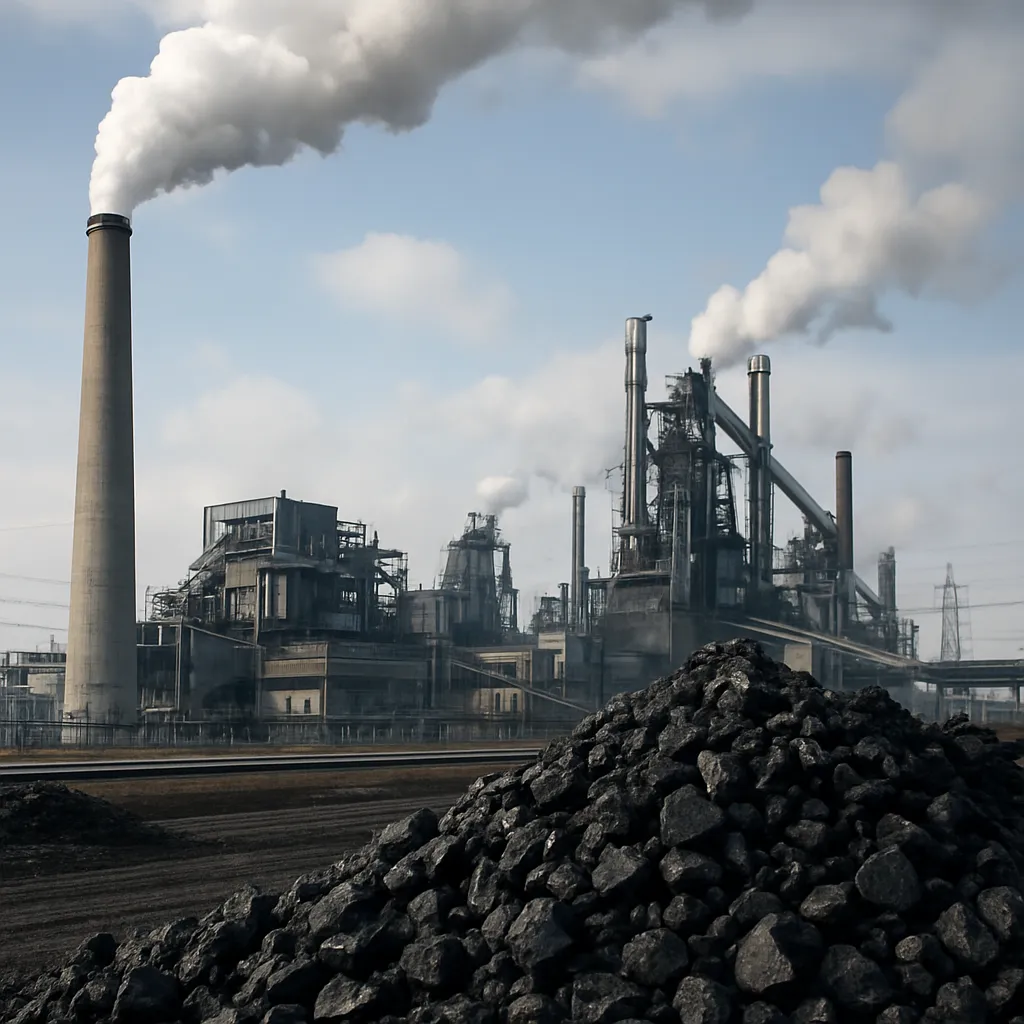
The burning of coal remains one of the largest sources of carbon emissions, contributing significantly to global warming. Even when captured by advanced scrubbers and filters, coal-fired power plants release pollutants such as sulfur dioxide, nitrogen oxides, and particulate matter. These contaminants can lead to:
- Acid rain, which harms forests, soil, and aquatic ecosystems.
- Respiratory illnesses in downwind communities, burdening healthcare systems and reducing life expectancy.
- Accelerated melting of polar ice and sea-level rise due to greenhouse gas accumulation.
Social Justice and Community Displacement
Large-scale mining projects often necessitate the relocation of entire villages. Land acquisition in emerging markets can be fraught with corruption, inadequate compensation, and the erasure of indigenous rights. Stories emerging from the field include:
- A tribal community forced from ancestral lands to make way for a mega-mine, losing access to sacred forests and traditional livelihoods.
- Urban poor resettled in hastily built housing far from economic centers, facing unemployment and social isolation.
- Activists who have been threatened or detained for documenting environmental violations, highlighting the clash between corporate interests and human rights.
Rehabilitation and Legacy Planning
Efforts to restore mined landscapes can mitigate some long-term damage. Progressive companies and NGOs invest in reforestation, water treatment, and soil stabilization projects. Yet the success of these initiatives hinges on:
- Ongoing monitoring and maintenance to prevent erosion and contamination resurgence.
- Engagement with local stakeholders to ensure that rehabilitated lands meet community needs for agriculture or recreation.
- Transparent disclosure of environmental liabilities, forcing companies to plan for mine closure and land legacy management from day one.
Emerging Trends and Future Outlook
Technological Innovations
New technologies aim to make coal utilization cleaner and more efficient. Carbon capture and storage (CCS) projects promise to trap CO₂ emissions underground, although high costs and scalability challenges remain. Other advances include:
- Integrated gasification combined cycle (IGCC) plants that convert coal into synthesis gas, allowing for easier pollutant removal before combustion.
- Automation and robotics in underground mines to reduce human exposure to dangerous conditions, enhancing both productivity and safety.
Policy Shifts and Global Commitments
International accords such as the Paris Agreement exert pressure on coal-dependent nations to transition towards renewable energy. Subsidy reforms and carbon pricing schemes are taking root in Europe, North America, and parts of Asia. Key policy developments include:
- Just transition frameworks designed to retrain coal workers for jobs in clean energy sectors.
- Gradual phase-out schedules for the oldest, least efficient plants, coupled with financial assistance for modernization or repurposing.
The pace of these changes will directly affect coal markets, compelling investors and stakeholders to remain vigilant and adaptable.
Conclusion
Coal’s legacy is complex: a driver of industrial progress and a source of profound human and environmental costs. While global momentum shifts towards cleaner power, the industry’s economic footprint and the livelihoods it supports cannot be ignored overnight. Whether in the shafts where miners toil or on trading floors where shares exchange hands, the story of coal continues to evolve. Striking a balance between economic necessity, corporate responsibility, and environmental stewardship will define the next chapter in this centuries-old saga.


)