The Hail Creek Mine is one of the significant coal mining operations in Australia’s Bowen Basin. Located in central Queensland, it is a notable contributor to the country’s coal exports and to the regional economy. This article describes the mine’s location and geology, the types of coal produced, operational and economic details, the mine’s importance in local and global markets, environmental management and community impacts, and recent developments and statistics where available. Information labeled as approximate or estimated is used where official datasets are not cited directly.
Location, ownership and geology
Hail Creek Mine lies within the Bowen Basin, one of Australia’s most productive coal provinces. The mine is situated inland from the Queensland coast, in an area characterized by rolling plains and typical mining infrastructure corridors. Its proximity to major coal transport routes gives it relatively efficient access to export terminals on the east coast of Australia.
Ownership and operation of Hail Creek have historically involved major coal companies; the mine has been operated as part of a larger corporate portfolio. As of the 2020s the mine has been associated with multinational coal operators and portfolio management within the Australian coal industry. Hail Creek’s operations are integrated with the wider logistical networks that serve Bowen Basin mines.
Geologically, Hail Creek sits in the stratified Permian coal measures common to the Bowen Basin. These measures host multiple coal seams that vary in thickness, rank and quality. The coal seams mined at Hail Creek are typically amenable to open-cut extraction methods because they are relatively shallow and continuous over the deposit. The basin contains both thermal and metallurgical coal types; Hail Creek’s seams produce product that is valued for steelmaking and other industrial uses.
Coal types, quality and uses
The coal produced at Hail Creek is generally aimed at industrial markets, with a significant proportion sold into export markets. The mine’s product range includes metallurgical coal grades used in steel production (including PCI and coking coal fractions) and some thermal coal for power generation, depending on market demand and product blending strategies.
Key coal quality attributes sought by buyers include volatile matter, ash content, sulfur levels and the coal’s coking properties. Hail Creek coal is often marketed for its reliable performance in blast furnaces and pulverized coal injection systems, as well as for export thermal markets where suitable. Quality specifications can vary by seam and by product preparation at the mine’s processing facilities.
End users for Hail Creek coal are primarily overseas steel mills and utilities in Asia and other international markets. Typical destinations for Bowen Basin metallurgical coal include Japan, South Korea, China, India and Southeast Asia, although export destinations shift with global demand and shipping logistics.
Mining methods and infrastructure
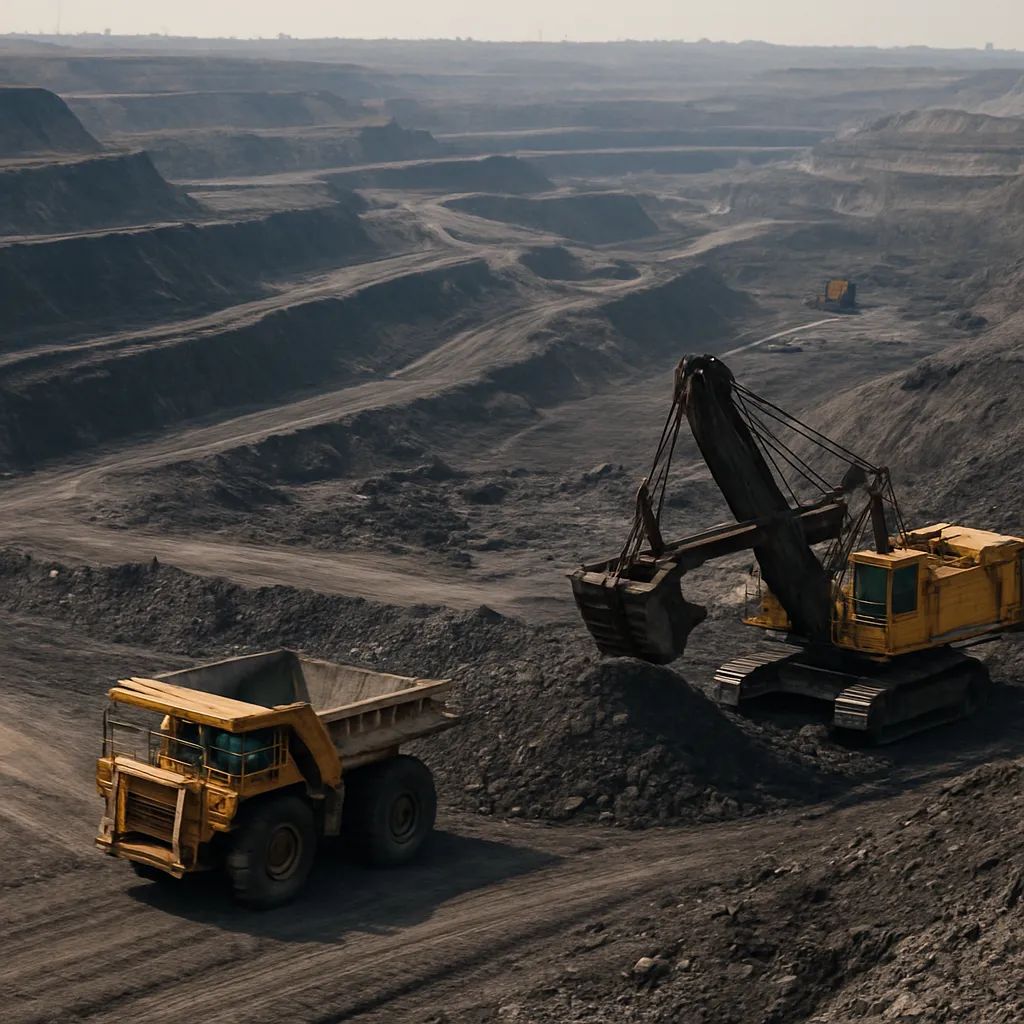
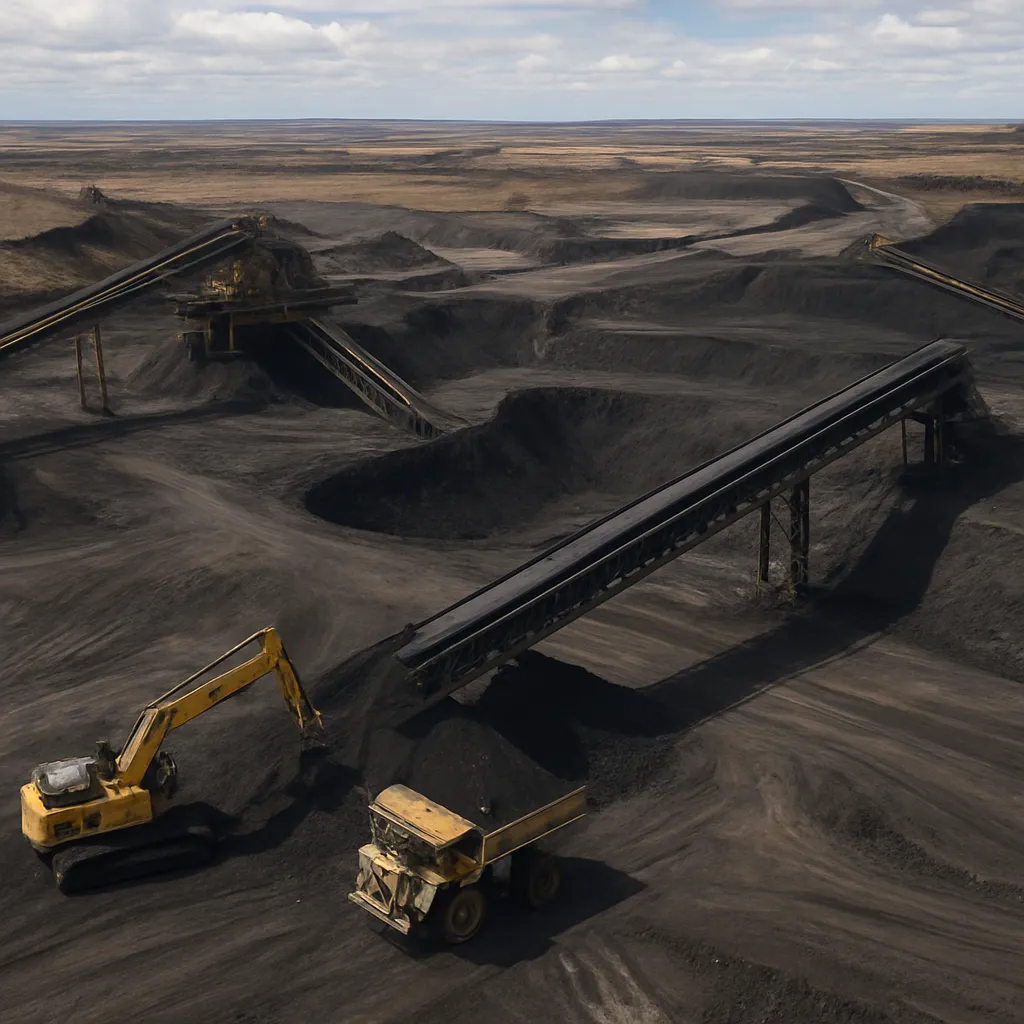
Hail Creek employs conventional truck-and-shovel open-cut mining techniques. Overburden is removed using large shovels and excavators and then loaded into haul trucks to expose the coal seams for extraction. Coal is crushed, screened and sometimes washed at an on-site processing plant to produce marketable product grades. Stockpiling, blending and loadout infrastructure handle the movement of product to rail or road transport.
Transport infrastructure is a critical part of the mine’s logistics. Coal is moved from the mine to east coast ports via the regional rail network and dedicated haul roads. Export logistics commonly use Queensland’s major coal terminals, such as Dalrymple Bay (Hay Point), Abbot Point and others, depending on shipping schedules, buyer arrangements and terminal allocations. The mine’s integration with rail and port systems is essential for maintaining export volumes and fulfilling contracts.
Production, reserves and statistical overview
Hail Creek has been a medium-to-large producer within the Bowen Basin context. Annual run-of-mine (ROM) production in recent years has typically been in the low millions of tonnes range. Estimates commonly referenced in industry discussions place typical annual production around 5–7 million tonnes ROM, although actual production varies year by year depending on market conditions, operational decisions and weather events.
Coal resources and reserves at Hail Creek have been described in public company reports in the past as being substantial, with measured, indicated and inferred resources spanning tens to hundreds of millions of tonnes across the mine’s tenure. Proven and probable reserves are a subset of these resources allocated for extraction over the mine life. Exact figures fluctuate with exploration results, economic assumptions and depletion through mining.
- Approximate annual production: ~5–7 million tonnes ROM (varies by year)
- Resources/reserves: estimates commonly reported in the range of multiple tens to hundreds of millions of tonnes (resource categories vary)
- Workforce: hundreds of direct employees plus contractors (variable)
- Export markets: primarily Asia and other international consumers of metallurgical and thermal coal
These statistics should be read as directional; for precise up-to-date figures, consult the mine operator’s most recent public disclosures or regulatory filings. Market prices and demand have a major influence on the economic viability of mining specific seams and on annual production decisions.
Economic significance and local impacts
Hail Creek is a meaningful economic asset for both its corporate owners and for the regional economy. Coal mining in the Bowen Basin contributes to Queensland’s export earnings, and mines like Hail Creek generate revenue through royalties, taxes and wages. Royalty payments to the Queensland government depend on coal prices and production volumes, forming an important part of state public finances.
At a local level, the mine supports employment, often directly hiring several hundred workers and supporting many more contractor roles in haulage, maintenance, processing and services. Employee rosters and fly-in fly-out (FIFO) operations are common in Bowen Basin mines, which can alter the demographic and service needs of nearby towns. Local businesses such as accommodation, hospitality, transport services and maintenance industries often see demand linked to mine activity.
Coal royalties and corporate taxes from operations like Hail Creek help fund infrastructure and public services, although the distribution of benefits is often the subject of economic and political discussion. Additionally, suppliers and contractors—ranging from local small businesses to national service providers—derive income from long-term mining projects.
Role in the steel and energy supply chains
Hail Creek’s metallurgical coal contributes directly to the global steelmaking supply chain. Metallurgical coal (coking coal) is a critical input for traditional blast furnace steel production and for pulverized coal injection systems that improve furnace efficiency. Given the concentration of steelmaking capacity in Asia, Australian metallurgical coal plays a strategic role in securing feedstock for steel mills that build infrastructure, vehicles and machinery worldwide.
Thermal coal from the mine, where produced and marketed, contributes to electricity generation in receiving markets. The relative balance between metallurgical and thermal coal production is determined by seam quality, processing choices and market demand, which can shift with global economic cycles, trade policies and the decarbonization agendas of importing countries.
Environmental management, rehabilitation and sustainability initiatives
Environmental stewardship is a major focus for modern coal operations, and Hail Creek applies standard industry measures to manage impacts. These include sediment and erosion controls, water management systems (for both process water and runoff), progressive rehabilitation of disturbed land, dust suppression measures and monitoring of noise and vibration.
Progressive rehabilitation aims to restore land to agreed post-mining land uses such as grazing, conservation or other productive uses. Mine operators prepare rehabilitation and closure plans that set out timelines, rehabilitation standards and ongoing monitoring during and after mine life. Rehabilitation costs and guarantees are often regulated to ensure funds are available when closure occurs.
Air emissions from coal handling and processing are controlled through engineering measures and monitoring programs. Water use and discharge are strictly managed under environmental approvals, with particular attention to protecting groundwater and surface water systems. Companies also implement biodiversity management plans that identify and protect local flora and fauna, including any threatened species in their tenures.
In recent years there has been heightened attention to greenhouse gas emissions across the coal value chain. Operators respond through efficiency measures, methane management in coal handling, and participation in broader industry efforts on emissions reporting and reduction initiatives. The pace and nature of responses vary between companies and are influenced by investor and customer expectations, regulatory frameworks, and evolving technology.
Social license, community engagement and workforce matters
Maintaining a social license to operate is essential for long-term mining operations. Hail Creek engages with local stakeholders, Indigenous groups, and regional communities on issues including employment opportunities, local procurement, community investment and cultural heritage management. Community programs may include educational support, infrastructure contributions, sponsorships and partnerships to support local health and social services.
Indigenous cultural heritage is protected through heritage surveys, consultation and management plans. Agreements may be in place with Traditional Owners and local councils to address land access, cultural heritage protection and potential benefits sharing.
Workforce safety, training and development are core priorities for mine operators. Hail Creek implements safety management systems, training programs, and ongoing competency assessments. Worker fatigue management, health programs and mental health support are increasingly important components of modern mining employment practices, particularly in FIFO contexts.
Operational challenges and resilience
Coal mines in central Queensland face operational challenges that include variable weather (notably seasonal floods and cyclones), commodity price volatility, logistical constraints at export terminals, and regulatory changes. Hail Creek, like other Bowen Basin mines, plans for extreme weather events through emergency response planning and resilient infrastructure design.
Price volatility in international coal markets can lead to adjustments in production rates or to temporary care-and-maintenance decisions. Mines must also manage changing buyer preferences and requirements for product quality, traceability and sustainability credentials. Workforce retention and the ability to sustain long-term contracts are ongoing operational priorities.
Recent developments, market context and outlook
Recent years have seen fluctuating global coal prices driven by changes in demand for steel and electricity, trade policy shifts, and the transition dynamics of energy systems. Metallurgical coal prices can move sharply in response to construction cycles and infrastructure spending in major markets, while thermal coal demand is influenced by power sector transitions and fuel switching.
For Hail Creek, as with other Bowen Basin operations, the near- to medium-term outlook depends on several key factors:
- global steel production trends and the demand for coking coals,
- China, India and Southeast Asia’s industrial growth trajectories,
- transport and port capacity constraints and allocations,
- environmental and regulatory developments affecting coal production and exports, and
- capital and operational decisions by the mine owner regarding investment in productivity and rehabilitation.
Investment in improved processing, blending capability and logistics can sustain the mine’s competitiveness. At the same time, broader energy and climate policies will continue to influence thermal coal markets and, indirectly, metallurgical coal markets as steelmakers explore low-emissions technologies and alternative feedstocks.
Interesting facts and notable points
- Hail Creek is part of the larger Bowen Basin coal landscape, which accounts for a substantial share of Australia’s metallurgical coal exports.
- The mine’s product is an input to global steel manufacture, linking a central Queensland operation to construction and industrial activity worldwide.
- Operational resilience to seasonal weather events is a critical aspect of planning for Hail Creek and neighboring mines, with flood preparedness and contingency logistics regularly reviewed.
- Community and Indigenous engagement programs form a key part of the mine’s operational footprint and local investment strategy.
- Rehabilitation commitments and progressive environmental management form an ongoing cost and responsibility that shapes post-mining land outcomes.
Summary
Hail Creek Mine is an important coal operation in Queensland’s Bowen Basin with a role in supplying both metallurgical and thermal coal markets. The mine’s operations combine conventional open-cut mining with on-site processing and integrated logistics to support export sales. Economically, Hail Creek contributes to regional employment, supplier networks and government revenue through royalties and taxes. Environmentally and socially, the mine operates under regulatory regimes that require progressive rehabilitation, water and emissions management, and community engagement.
Production figures and resource estimates are subject to change with market conditions and new technical information; commonly cited ballpark figures place annual production in the mid single-digit millions of tonnes and resources in the scale of tens to hundreds of millions of tonnes. For the most up-to-date quantitative data and formal reserves reporting, consult the mine operator’s public reports and Queensland government mining disclosures.
Key words emphasized in this article: Bowen Basin, metallurgical, open-cut, exports, Glencore, employment, royalties, infrastructure, rehabilitation, sustainability.