The Hidden Costs of Abandoned Coal Mines exposes a complex web of challenges that extend far beyond the surface. From financial burdens on local communities to long-term environmental degradation, the closure of coal operations carries a legacy of unseen expenses. This article examines the multifaceted implications for coal stock valuations, public health, and ecosystem stability, offering insights into remediation tactics and sustainable pathways forward.
Economic Impact on Coal Stock and Local Economies
Poorly managed closures of coal mines can trigger sudden drops in the perceived value of surrounding coal reserves. Investors react to mounting liabilities tied to site rehabilitation, water treatment, and legal obligations. As a result, local governments often see declines in tax revenues, hampering budgets for schools, infrastructure, and emergency services. In addition:
- Unfunded reclamation obligations shift the financial burden onto taxpayers.
- Falling property values in former mining towns erode household wealth.
- Insurance premiums and bond requirements for new mining ventures rise sharply.
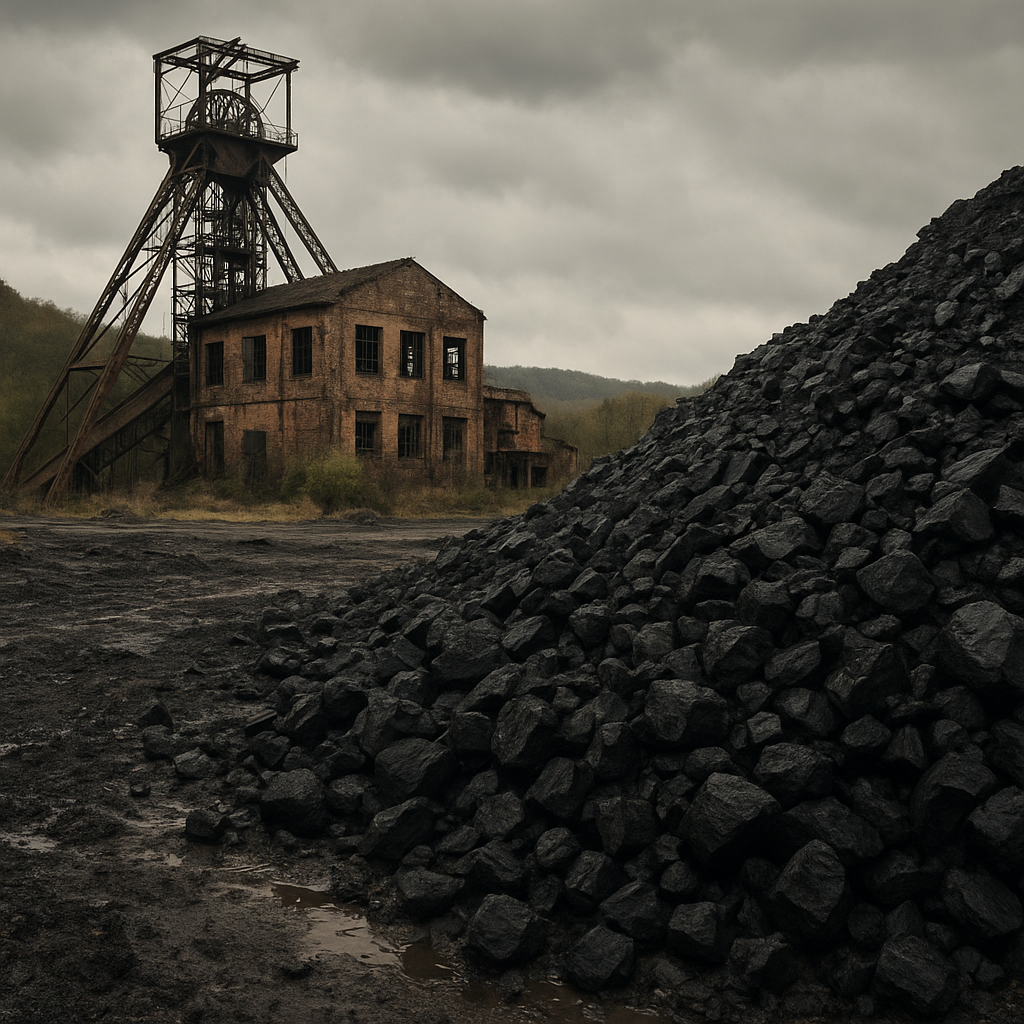
Coal producers must factor in the prospect of cleaning up decades’ worth of spoil tips, acid mine drainage, and methane venting when calculating the true cost of production. Failure to account for these expenditures risks understating the cost basis of extracted stock, leading to distorted price signals in global commodity markets.
Environmental and Geological Challenges
Once operations cease, abandoned mines become hotspots for a variety of environmental issues. Underground voids can collapse, altering groundwater flows and contaminating aquifers with heavy metals and sulfates. Surface subsidence can damage roads, homes, and pipeline networks. The most pressing concerns include:
- Contamination of streams with iron hydroxides and acidic waters.
- Release of methane and other greenhouse gases long after mining stops.
- Soil erosion and loss of natural vegetation on spoil heaps.
Addressing these threats typically involves expensive engineering solutions: installation of water treatment plants, geological stabilization using grout injections, and long-term monitoring. Moreover, the interplay between abandoned shafts and regional hydrology poses unpredictable risks, requiring adaptive management strategies that can span decades.
Social and Health Consequences
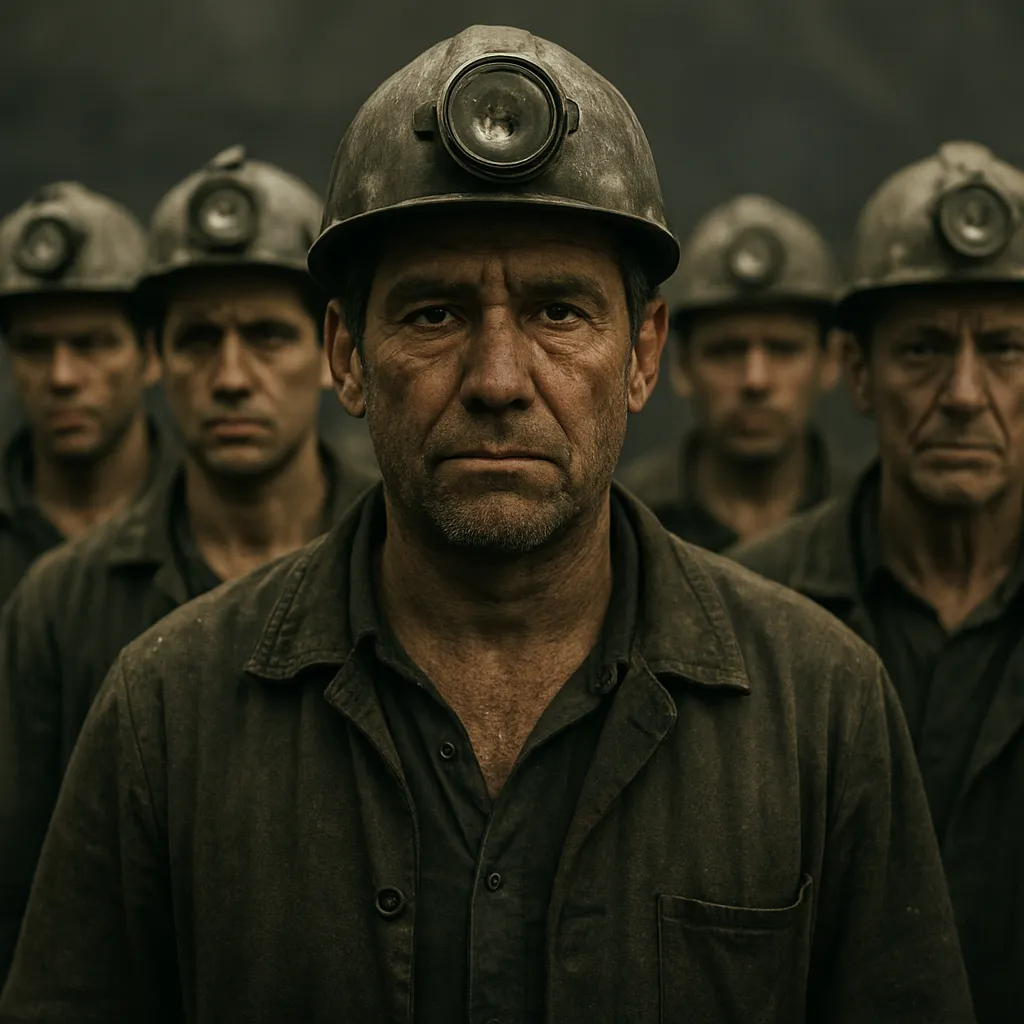
Communities built around coal extraction often face a sudden identity crisis when mines close. Unemployment spikes, leading to social dislocation, substance abuse, and strained mental health services. The legacy of health risks from airborne particulates, radon seepage, and contaminated water supplies persists, manifesting in elevated rates of respiratory illnesses, cancer, and other chronic conditions.
Public Health Burden
Healthcare systems in former mining regions grapple with ongoing costs associated with treating miners and their families for pneumoconiosis (“black lung”), cardiovascular disease, and other conditions directly linked to past exposure. Studies show that even after closures, dust from tailings can travel miles, depositing fine particulates in urban centers.
Community Resilience and Cultural Loss
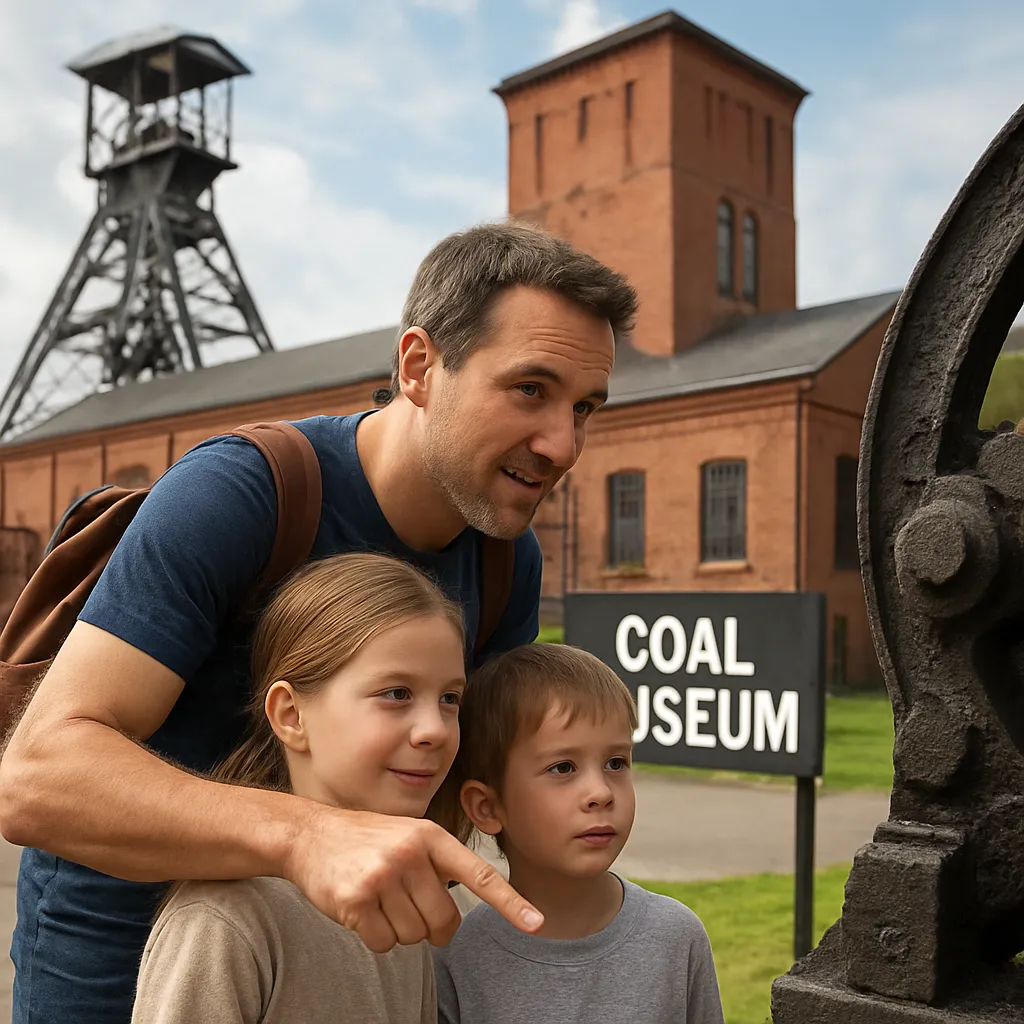
More than an economic unit, mining towns often share a strong cultural heritage tied to coal. Abandonment diminishes community cohesion, leading to youth outmigration and decline in local services. Efforts to repurpose old mine buildings into community centers or museums are valuable but require significant investment.
Strategies for Rehabilitation and Future Outlook
Effective mine closure demands a holistic, sustainable approach. Best practices emphasize early planning, stakeholder engagement, and transparent funding mechanisms. Key elements include:
- Securing financial assurances, such as bonds or trust funds, to cover post-closure reclamation.
- Implementing progressive rehabilitation: reshaping spoil heaps, restoring topsoil, and replanting native vegetation in tandem with ongoing extraction.
- Integrating passive water treatment systems, like constructed wetlands, to filter contaminants naturally.
Advancements in remote sensing and geospatial modeling enable more precise monitoring of subsidence and water quality. Communities can harness these tools to advocate for stricter regulatory oversight and ensure that coal enterprises internalize the true costs of environmental stewardship.
Emerging Innovations
- Bioremediation techniques using metal-accumulating plants to extract heavy metals.
- Carbon capture and utilization projects within legacy mine facilities.
- Adaptive reuse of underground voids for geothermal energy storage or data centers.
By incorporating these innovations, governments and industry can transform liabilities into assets while mitigating the long-term environmental footprint of coal extraction. Such strategies not only protect freshwater reserves and biodiversity but also preserve the social fabric of mining regions, ensuring a more resilient and equitable energy transition.