Peak Downs Mine is one of the best-known coal operations in Australia’s extensive coalfields. Located in central Queensland within the Bowen Basin, the mine has played a significant role in supplying high-quality coal to domestic and international markets for decades. This article provides a comprehensive overview of the mine’s geology, production, economic importance, environmental and social aspects, historical development and future prospects.
Overview and location
The Peak Downs Mine is an open-cut coal mine situated in the heart of the Bowen Basin, a major Australian coal-producing province. The mine lies in central Queensland, in proximity to the regional service town of Moranbah and is connected to export infrastructure that serves Queensland’s major coal ports on the eastern seaboard. Operated as part of the BHP-led joint venture group, the mine has historically formed an important element of Australia’s coal export industry.
Geographically the Bowen Basin covers a large area of central and eastern Queensland and contains numerous major mines. Peak Downs is located within this productive belt and benefits from well-developed transport links—rail to port and local road connections to regional centers. Its location in the Bowen Basin places it within one of Australia’s most geologically prospective coal provinces, where thick, laterally extensive seams provide the basis for large-scale open-cut mining.
Geology, coal types and reserves
Peak Downs extracts coal from Permian-age sedimentary sequences typical of the Bowen Basin. The coal-bearing units in this region are generally grouped into measures such as the Rangal and Moranbah Coal Measures (nomenclature can vary between reports). The deposit at Peak Downs comprises multiple seams that are amenable to large-scale surface mining due to their thickness and relatively shallow depth under the surface in many parts of the deposit.
- Coal quality: The mine produces predominantly metallurgical (coking) coal, which is highly valued for steelmaking. Coking coal from this area is characterized by properties such as suitable volatile matter, coking strength, and ash content that make it attractive to blast furnace and coke-oven customers.
- Seam characteristics: Coal seams in the area show variability in rank and quality but include higher-rank bituminous coals that are used in metallurgical processes, along with some product lines that may be blended with coals from nearby mines to meet specific customer specifications.
- Reserves and resources: The Bowen Basin as a whole contains very large coal resources, measured in the multiple billions of tonnes. Peak Downs itself has been developed over many decades to access substantial measured and indicated resources; specific reserve figures change over time with ongoing exploration, mining depletion and re-evaluation. Historically, Peak Downs has supported long-term production plans based on tens to hundreds of millions of tonnes of recoverable coal across its life-of-mine estimations.
Production, operations and infrastructure
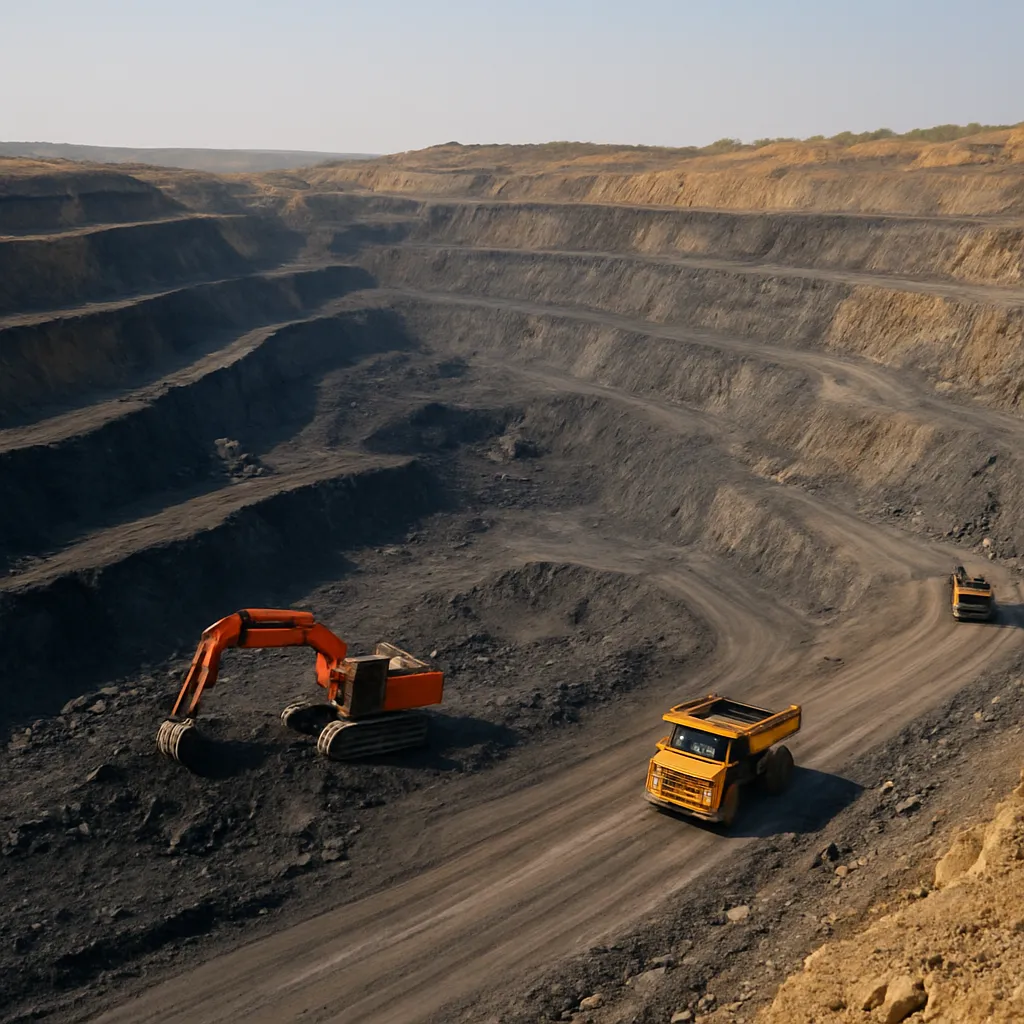
Peak Downs is operated as a large-scale open-cut mine with the typical sequence of activities: overburden removal, coal extraction, on-site processing (including washing and coarse sizing) and then transport to export or domestic customers. The mine uses heavy equipment fleets—large excavators, haul trucks, dozers and processing plants—to sustain continuous high-throughput operations.
Production volumes and markets
Exact annual production figures for Peak Downs vary year-to-year depending on mine plan, market demand and operational decisions. Historically, the mine has been an important contributor to BHP’s and the region’s metallurgical coal portfolio, producing several million tonnes of saleable coal per year. The product is primarily destined for international steelmaking markets in Asia—particularly markets such as Japan, South Korea, China, India and Southeast Asia—while some portion supports domestic metallurgical customers.
Production statistics for large Bowen Basin operations are often reported in the aggregate by their operating companies; Peak Downs contributes to the group totals that feed the export supply chain through Queensland ports such as Hay Point and Dalrymple Bay. The coal is typically transported by rail from the mine site to the port and exported aboard bulk carriers.
Processing and product handling
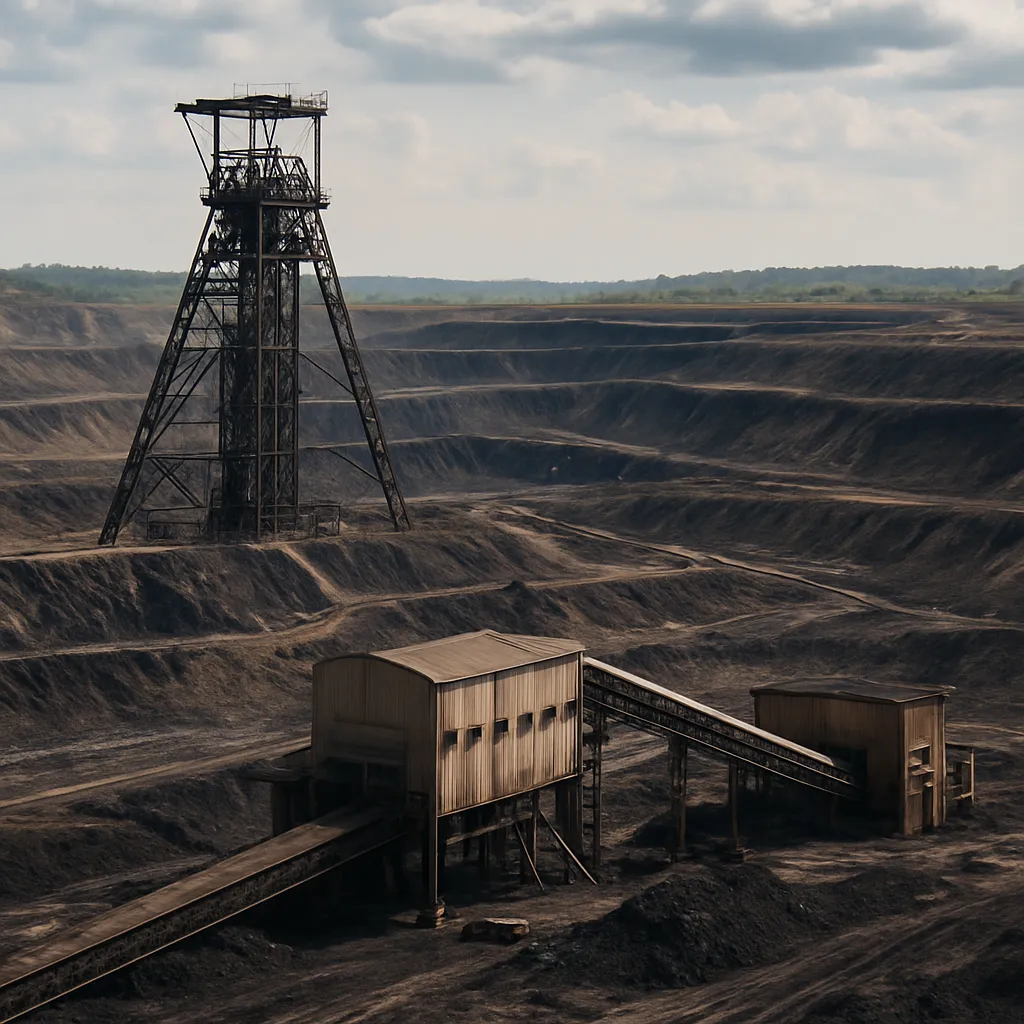
Peak Downs commonly employs on-site coal handling and processing facilities (CHPP) to wash and upgrade run-of-mine coal. Washing reduces ash and impurity levels, improving the coal’s calorific and metallurgical properties and making it more valuable on world markets. Coal products are classified and stockpiled by grade prior to rail load-out.
- On-site wash plants and screening units
- Stockyards and reclaim systems
- Rail load-out facilities and conveyor systems
Economic and regional significance
The economic influence of Peak Downs extends from local to national scales. At a regional level, the mine is a critical employer and economic engine for service towns such as Moranbah and surrounding communities. The mine supports direct employment at site and indirect employment through contracting, freight, engineering, and service industries.
- Employment: Direct mining operations, crush and wash plant maintenance, haulage firms, contractors and suppliers create substantial employment opportunities. A single large mine can support thousands of jobs when direct and indirect employment are aggregated across the supply chain.
- Government revenue: Coal mining generates royalties and taxes that contribute significant revenue to state and federal governments. Royalty regimes in Queensland require operators to pay rates that vary with coal price and product type, so Peak Downs contributes to public revenue streams.
- Export earnings: Metallurgical coal is one of Australia’s high-value export commodities. By supplying steelmaking feedstock to global markets, Peak Downs has historically contributed to export balances and Australia’s trade performance.
Beyond direct monetary metrics, the mine influences regional infrastructure development—such as road upgrades, housing and community services—because of the workforce and supply chain demands associated with long-life mining operations.
Environmental management and rehabilitation
Modern large mines such as Peak Downs operate under strict environmental regulations that cover land use, water management, air quality, noise, biodiversity and rehabilitation. Environmental approvals typically require comprehensive plans and ongoing monitoring to manage impacts and progressively rehabilitate disturbed land.
Key environmental practices
- Progressive rehabilitation: Operators are usually required to rehabilitate areas as mining advances, returning land to a stable and productive post-mining landform. Rehabilitation aims to re-establish native vegetation, manage erosion and create sustainable post-mining land uses.
- Water management: Bowen Basin mines implement systems for managing surface water, controlling sediment, and treating return water where necessary. Groundwater monitoring programs are standard to detect and manage any impacts on aquifers.
- Air and dust controls: Dust suppression, covered conveyors, and operational strategies are used to limit particulate emissions from open-cut activities, stockpiles and haul roads.
- Biodiversity offsets: Where developments affect habitat values, offset arrangements may be required to conserve equivalent environmental values elsewhere.
Environmental performance is audited and reported to regulators and stakeholders. While mining inevitably alters landscapes and ecosystems, modern practice emphasizes mitigation, monitoring and rehabilitation to minimize long-term harm.
Social impacts and community relations
Peak Downs’ presence shapes the social and economic fabric of nearby communities. Mining companies often establish community programs covering health services, education, infrastructure support and local business development. Engagement with stakeholders—including Indigenous communities—is an important dimension of contemporary mining operations.
- Workforce and housing: Regional towns close to mines often experience demand for housing and services. Companies may support accommodation solutions, local procurement and training initiatives to help integrate workforces with community capacity.
- Indigenous engagement: Mining proposals typically involve consultation with Indigenous groups to address cultural heritage matters, negotiate land access and develop culturally aware management practices.
- Corporate social responsibility: Operators commonly fund local projects, scholarships, health programs and cultural initiatives to support social capital in mining regions.
Health, safety and operational challenges
Mining safety is a prominent operational priority. Open-cut coal mining involves risks associated with large mobile equipment, high-wall stability, dust and heavy earthmoving operations. Safety systems, training regimes and incident management procedures are central to reducing hazards on-site.
Operational challenges also include managing volatile global coal markets, fluctuations in demand for metallurgical coal (which is closely tied to steel production cycles), commodity price volatility, and operational costs such as fuel, labor and regulatory compliance. Strategic planning and flexibility enable mines to adapt production profiles in response to market signals.
History and development timeline
The development of Peak Downs reflects the broader history of coal mining in the Bowen Basin—progressive exploration in the mid-20th century, development of large-scale open-cut operations, and integration into export supply chains. Over time, investments in mining equipment, processing plants and transport infrastructure have sustained and expanded production capabilities.
Key phases in the mine’s timeline typically include exploration and feasibility, construction of open-cut operations and CHPP facilities, ramp-up of production, periodic expansions or life-of-mine adjustments and continuous environmental and community management. Like many mature mines, Peak Downs has adapted through technology upgrades and changes in mine planning as earlier reserves become depleted and new deposits are accessed.
Technological innovation and productivity
Advances in mining technology have shaped the productivity and safety of operations at major Bowen Basin mines. Innovations include greater reliance on high-capacity excavators and trucks, improvements in wash-plant efficiency, advanced geological modelling and fleet management systems that increase uptime and reduce operating costs.
- Automation and digitalisation: Fleet management systems, GPS tracking and real-time monitoring help optimise haulage, maintenance scheduling and fuel efficiency.
- Processing improvements: Modern CHPP designs and sensor-based sorting improve yield and product quality while decreasing environmental footprints.
- Data-driven planning: Geotechnical and geological models allow more accurate mine planning to extend resource recovery and reduce waste.
Economic statistics and metrics (illustrative)
While specific figures for Peak Downs can vary by year and are often reported as part of a company’s broader operational portfolio, the following illustrative metrics reflect the scale and significance of large Bowen Basin metallurgical coal mines:
- Annual saleable production: mines comparable to Peak Downs often produce several million tonnes of saleable coal per annum. Year-to-year production depends on mine plans and market demand.
- Revenue contribution: metallurgical coal commands a premium price relative to thermal coal when steel demand is strong; therefore Peak Downs contributes disproportionately to export earnings for coal-focused companies during strong markets.
- Employment footprint: a large open-cut mine and its supply chain commonly support thousands of jobs when including contractors and regional employment impacts.
- Life-of-mine: established mines like Peak Downs often have multi-decade lives when new reserves are delineated and mining plans adapted. Ongoing exploration can extend operational life considerably.
For precise and current figures—such as most recent annual production, sold tonnages, revenue, workforce numbers and reserve estimates—company annual reports and regulatory disclosures from the operating joint venture (for example BHP group reports, if the mine is operated under that umbrella) provide authoritative data and should be consulted.
Market dynamics and significance to the steel supply chain
As a producer of coking coal, Peak Downs holds strategic importance for the global steelmaking industry. Metallurgical coal is a key input into blast furnace ironmaking and coke production. Global demand for coking coal is influenced by trends in steelmaking methods, infrastructure investment cycles, housing and automotive production and major capital projects worldwide.
In recent decades, shifts in steel production technology (e.g., increased electric arc furnace usage which uses scrap steel) and the geographic redistribution of steelmaking capacity affect demand for seaborne coking coal. However, many steel producers continue to rely on high-quality Australian coking coals because of their consistent quality and reliable logistics.
Environmental and transition pressures
Like many fossil-fuel industries, coal mining faces pressures from the global energy transition and climate policy. While metallurgical coal is essential for traditional steelmaking, researchers and industry are exploring lower-emission steel production routes (e.g., hydrogen-based reduction, carbon capture, utilisation and storage). These technological shifts could affect long-term demand for metallurgical coal.
Mining companies and host governments are increasingly focused on managing the transition: reducing greenhouse gas emissions from mine operations, improving energy efficiency, and investing in rehabilitation and economic diversification for coal-dependent regions to ensure resilience as markets evolve.
Future outlook and prospects
Peak Downs’ future will be shaped by a combination of resource availability, operational performance, market demand for metallurgical coal and the broader energy and industrial transition. Important factors include:
- Exploration success: identifying additional reserves and resources can extend the mine’s life and support continued production.
- Market demand for coking coal: near- to medium-term demand remains linked to steel output trends; infrastructure spending in Asia and other regions will be key determinants.
- Technological change: adoption of lower-emission steelmaking technologies may alter future demand profiles, prompting adaptation by producers and consumers alike.
- Regulatory and environmental expectations: stronger environmental standards and community expectations will drive continuous improvements in rehabilitation, emissions management and social performance.
Operators of major mines typically plan for multiple scenarios—optimistic, base-case and conservative—so that capital allocation, mining cadence and workforce levels can be adjusted according to market and regulatory developments.
Interesting facts and broader context
- Peak Downs is part of a cluster of mines within the Bowen Basin that together supply a significant fraction of Australia’s seaborne metallurgical coal exports.
- Large mines in the region have supported decades of regional development—towns, schools, hospitals and transport infrastructure have often expanded in response to mining activity.
- Significant investment in mine-site technology (including fuel-efficient fleets and enhanced processing) has been a feature of modern Bowen Basin operations, improving yields while addressing cost and environmental pressures.
- Community and Indigenous engagement programs are integral to contemporary mining practice, reflecting evolving expectations on social licence to operate.
Conclusion
Peak Downs Mine is a prominent example of a large-scale Bowen Basin coal operation that produces primarily high-value metallurgical coal used in global steelmaking. Its economic importance spans local employment and infrastructure to national export earnings. At the same time, it operates in a context of growing environmental scrutiny and a shifting global industrial landscape. The mine’s legacy and future will depend on resource management, technological adaptation, environmental rehabilitation and responsiveness to global markets and policy trends. For up-to-date production figures, reserve estimates and precise economic metrics, consult the operator’s public disclosures and Queensland government resource reports, which provide periodic detailed statistics on individual mine performance and contributions.