Coal has played an integral role in shaping industrial development and energy markets around the world. From powering steam engines to fueling massive power plants, this fossil fuel once dominated the global energy mix. In recent years, however, the **landscape** for coal in Europe has shifted dramatically. Nations across the continent are racing to meet climate targets, and investors are recalculating the value of traditional **energy** assets. This article examines the historical importance of coal, the factors driving its decline in Europe, the dynamics of coal **stock** markets, and the possible futures for this once-unassailable resource.
Historical Significance of Coal
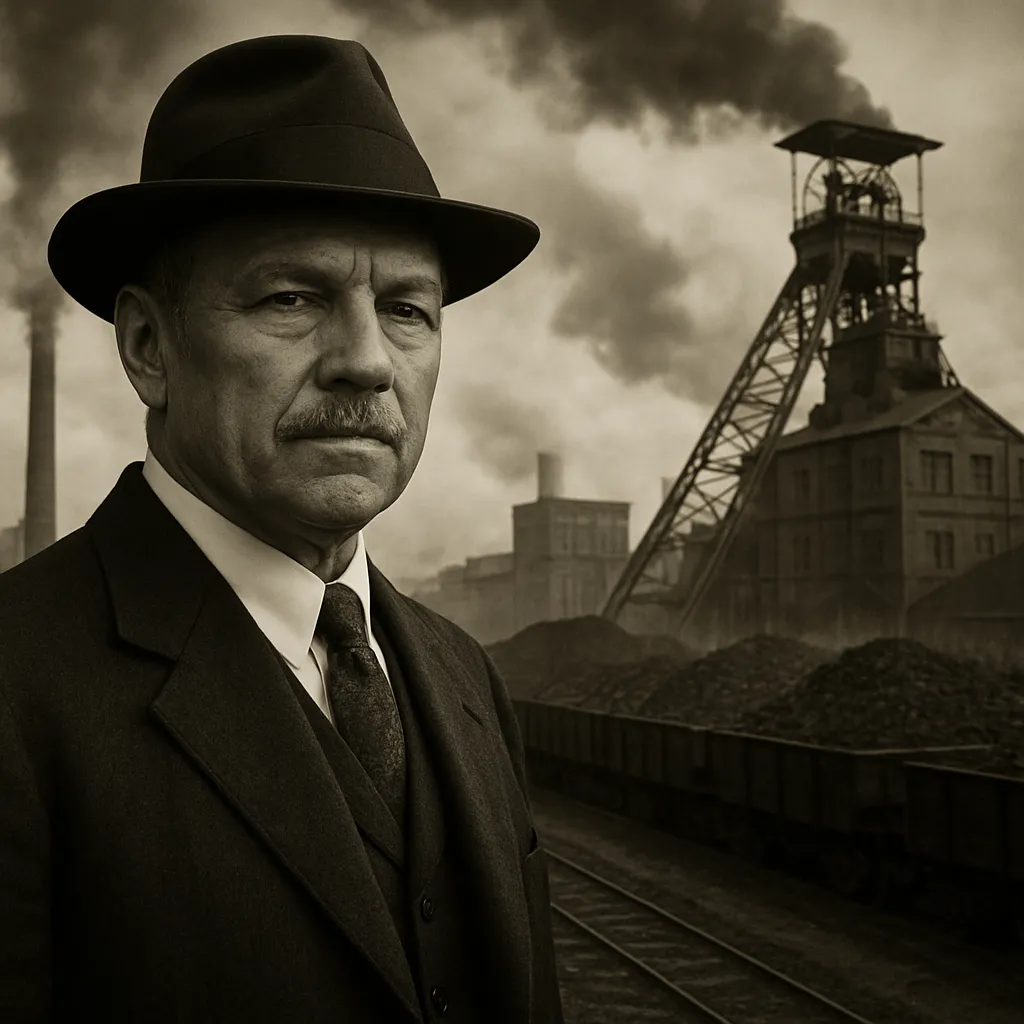
Beginning in the 18th century, the Industrial Revolution catapulted coal into a position of unmatched importance. Britain’s early factories and railways relied almost exclusively on this black stone, while continental Europe soon followed suit. By the mid-20th century, large coalfields in Germany, Poland, Spain, and the United Kingdom had become vital centers of **economic** growth, offering jobs to millions and underwriting government revenues.
- Technological Innovation: Steam engines, blast furnaces, and electricity generation all depended on coal.
- Industrial Expansion: Coal-powered steel mills and chemical plants transformed raw materials into manufactured goods.
- Energy Security: Nations with abundant coal reserves enjoyed a measure of independence from foreign oil suppliers.
Despite its many benefits, coal has always carried environmental costs, from local air pollution to greenhouse gas emissions. Only in the past few decades have policymakers and consumers begun to weigh these drawbacks against economic advantages.
Decline of Coal in Europe
Over the last two decades, Europe has witnessed a marked reduction in coal-fired power generation. Several converging trends explain this decline:
- Strengthening Climate Goals: The European Union’s commitment to net-zero emissions by 2050 has led to the gradual phase-out of coal plants.
- Competitive Alternatives: Falling costs for **renewable energy** sources—solar, wind, and hydro—have undercut coal’s price advantage.
- Carbon Pricing: The EU Emissions Trading System (ETS) imposes a price on carbon dioxide, making coal less **economical** than lower-emission fuels.
- Public Pressure: Citizen movements and environmental groups have campaigned vigorously against coal’s ecological footprint.
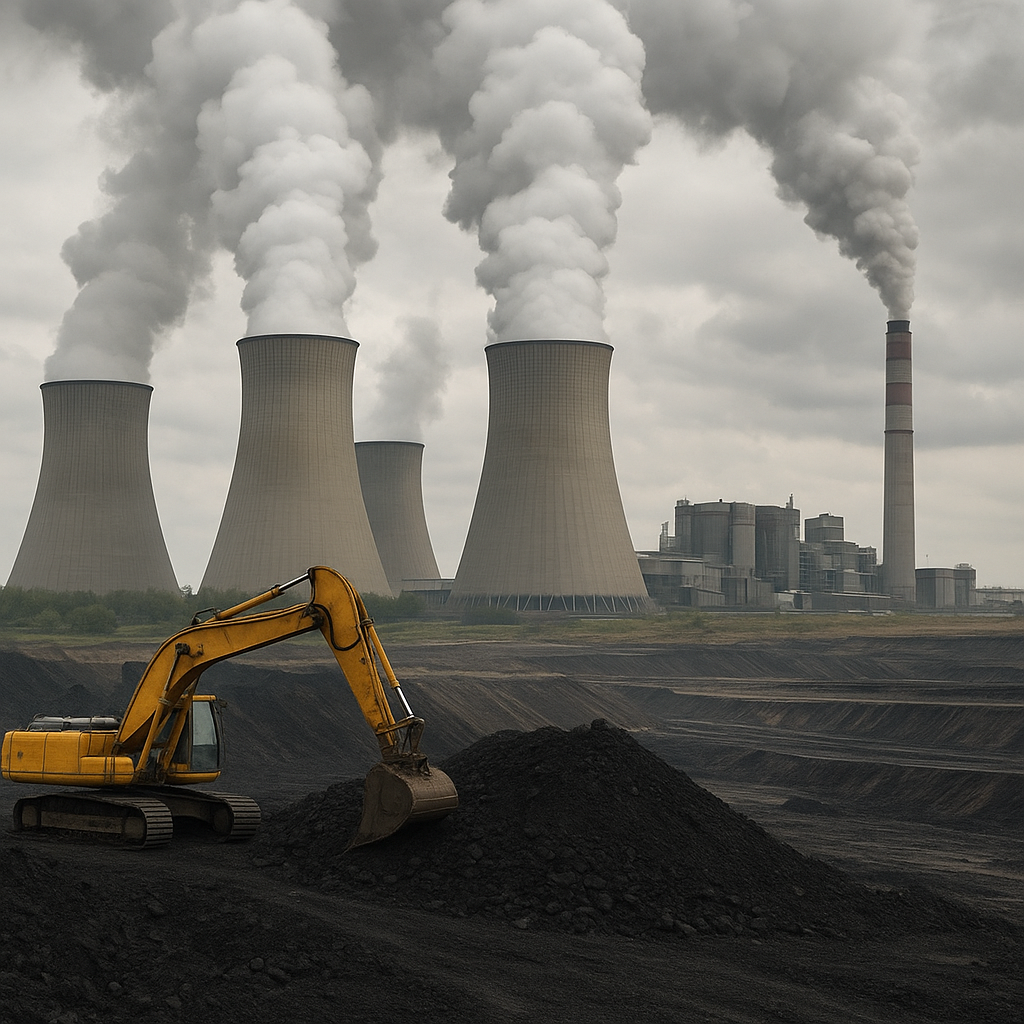
Between 2005 and 2020, coal’s share of the EU’s electricity mix dropped from around 25% to less than 15%. Several major utilities announced the retirement of coal plants, and some governments enacted legislation to ban new coal capacity outright. Countries like the UK and Sweden have already achieved deep cuts, while coal-dependent economies such as Poland face more complex challenges.
Coal Stocks and Trading Dynamics
The collapse in coal demand has rippled through global commodity markets and equity exchanges. Investors who once regarded coal companies as stable dividend payers now confront declining revenues and mounting regulatory risk. Several key trends in coal stock and trading markets deserve attention:
Equity Performance
Shares of traditional coal mining firms have underperformed broader indices. Analysts frequently downgrade **outdated** business models that lack a clear path to decarbonization. Some companies are diversifying into metals or renewables to salvage shareholder value, while others pursue aggressive cost-cutting measures to stay afloat.
Commodity Pricing
Thermal coal prices peaked in 2021 due to supply constraints and post-pandemic energy demand. Since then, Europe’s coal import prices have softened, pressured by weak demand and abundant stockpiles at key ports.
- Asian Markets: Demand in China and India continues but fluctuates with policy shifts.
- European Spot Prices: Record lows in some months reflect an oversupplied market.
- Freight Costs: Shipping rates have fallen, further depressing delivered prices.
Derivatives and Hedging
Energy traders use futures and options contracts to hedge against price swings. The volatility of coal prices increased as regulatory changes introduced uncertainty. Some utilities lock in long-term supply agreements to stabilize costs, while speculators bet on further price declines as Europe’s coal exit accelerates.
Policy and Environmental Pressures
European policy frameworks have intensified the scrutiny on coal operations. The EU’s Fit for 55 package aims to reduce greenhouse gas emissions by at least 55% by 2030 compared to 1990 levels. This package includes:
- Revised ETS Caps: Tighter emissions allowances raise the cost of operating coal plants.
- Renewable Energy Directives: Mandates for minimum shares of renewables in national energy portfolios.
- State Aid Regulations: Restrictions on subsidies for fossil fuel infrastructure.
- Just Transition Funds: Financing mechanisms to support regions and workers affected by the coal decline.
Environmental activists argue that even temporary lifelines for coal delay the adoption of cleaner alternatives and perpetuate health risks in mining regions. Governments must balance short-term energy security with long-term climate objectives, a tension that shapes national strategies for decommissioning coal plants.
Future Prospects and Alternatives
As coal’s role in Europe diminishes, several trends will define the continent’s energy future:
Expansion of Renewables
Solar and wind capacity are expected to triple by 2030, driven by technological improvements and cost reductions. Grid integration, storage solutions, and cross-border interconnections will be crucial to accommodate intermittent generation.
Energy Storage and Flexibility
Battery systems, pumped hydro, and demand-response programs provide the **flexibility** needed to replace coal’s baseline generation. Innovations in hydrogen production from excess renewable power also show promise.
Carbon Capture and Storage (CCS)
For remaining coal and gas plants, CCS offers a pathway to curb emissions. Pilot projects in the Netherlands and Northern Europe demonstrate potential but face high capital costs and logistical challenges.
Investment Shifts
Institutional investors are redirecting capital away from high-emission assets and into clean energy funds. Green bonds and sustainability-linked loans supply funding for renewable projects, while divestment campaigns pressure financial institutions to drop coal-related financing.
- Impact Investing: Investors seek measurable environmental returns alongside financial gains.
- Public-Private Partnerships: Collaboration on large-scale offshore wind and grid modernization.
- Digitalization: Smart grids and predictive analytics optimize energy dispatch and reduce waste.
Ultimately, Europe’s rapid shift from coal highlights the interplay between **policy**, markets, and technology. While challenges remain—particularly in regions economically reliant on mining—the transition offers a blueprint for decarbonizing energy systems worldwide. As coal stocks and power plants fade into history, the continent stands at the forefront of a new, cleaner era of energy.