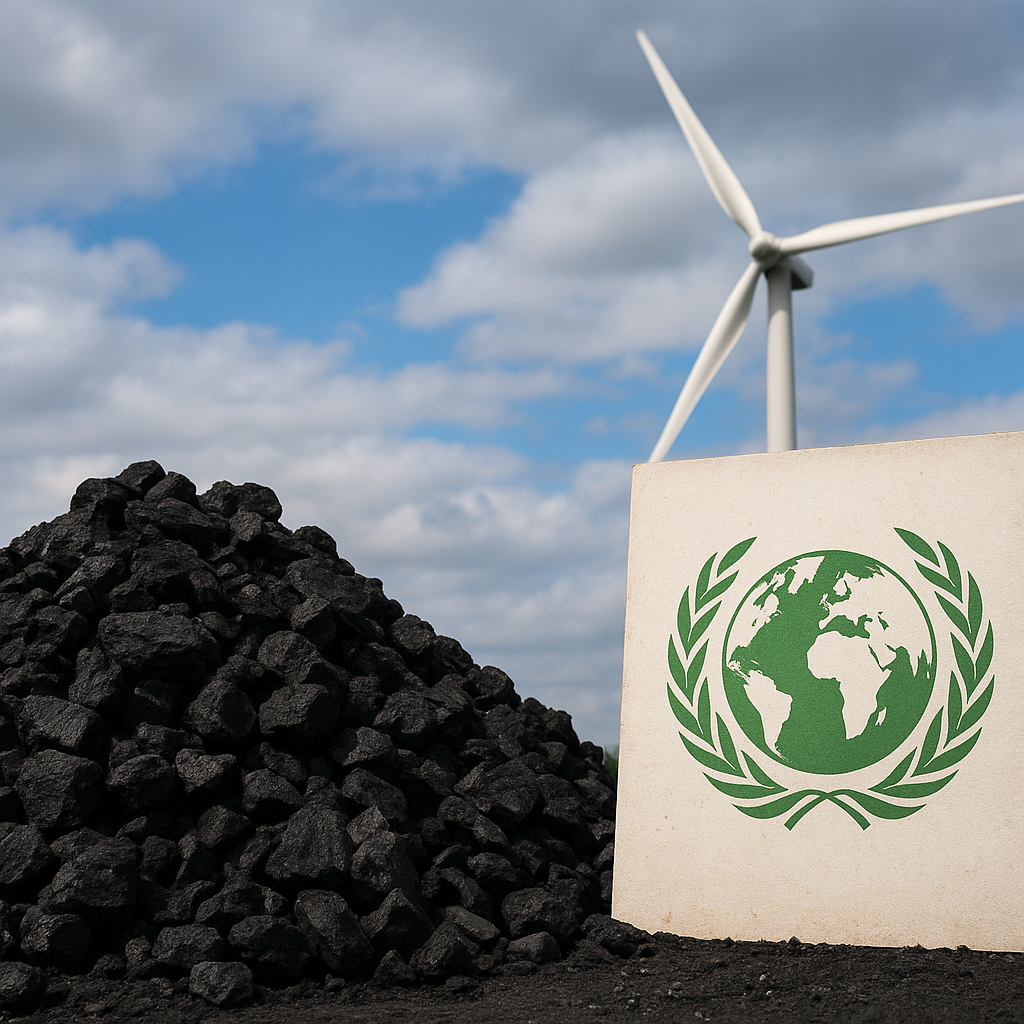
The global reliance on fossil fuels continues to spark debates over environmental responsibility and economic stability. As one of the most abundant and long-standing energy sources, coal underpins power generation, industrial processes, and national energy security. Yet its use also contributes significantly to greenhouse gases and climate challenges. Investors track coal stock movements closely, weighing immediate profits against long-term risks. Meanwhile, advocates of carbon offsetting propose strategies to balance emissions, while critics question the true efficacy of such schemes. This article delves into the multifaceted world of coal, the dynamics shaping coal-related equities, and the controversial promise of offsets as a tool for climate mitigation.
Understanding the Complexities of Coal as a Global Energy Source
Since the dawn of the Industrial Revolution, coal has fueled furnaces, locomotives, and power plants. In electric utilities, thermal coal remains a cornerstone for baseload generation, prized for its relative abundance and cost-effectiveness. In metallurgy, metallurgical coal serves as a key ingredient in steelmaking, providing the coke necessary to reduce iron ore into pig iron. Yet coal’s versatility masks a darker legacy: air pollution, acid rain, and significant carbon dioxide emissions.
Major coal-producing regions span continents, from the Powder River Basin in the United States to the Bowen Basin in Australia, and from China’s Shanxi Province to South Africa’s Mpumalanga. Despite steady declines in OECD consumption, emerging economies continue to expand coal-fired capacity to power industrial growth and urbanization.
Primary Applications
- Electricity Generation: More than 35% of global power output.
- Steel Production: Approximately 70% of steel relies on metallurgical coal.
- Cement and Chemicals: Coal byproducts used as feedstock.
- Residential Heating in Developing Regions.
Environmental concerns have prompted policies aimed at reducing reliance on coal. Transition strategies often involve retrofitting plants with carbon capture, switching to natural gas, or investing in renewable energy. Yet the sheer scale of existing infrastructure and the socio-economic dependencies of mining communities complicate any rapid shift. Governments and corporations must balance job preservation, energy security, and climate targets in crafting a realistic pathway forward.
Market Movements: The Case of Coal Stocks
Investors weigh multiple variables when evaluating coal stock performance. Commodity prices fluctuate with supply disruptions, geopolitical tensions, and shifts in energy policy. Companies with diversified portfolios that include both thermal and metallurgical coal often exhibit lower volatility compared to firms solely reliant on one segment.
Financial metrics commonly tracked include:
- Price-to-Earnings (P/E) Ratios: Reflecting market sentiment on future profitability.
- Net Debt-to-EBITDA: Gauging leverage and financial health.
- Production Costs per Ton: Critical for assessing competitiveness.
- Export Volumes and Contract Structures: Fixed-price vs. spot sales impact revenue stability.
Recent years have seen a divergence in regional performance. European-focused miners faced regulatory headwinds and high carbon pricing under the EU Emissions Trading System, driving share prices downward. Meanwhile, companies with strong footprints in Asia enjoyed robust demand, offsetting compliance costs with rising spot prices for thermal coal. Some publicly traded miners also seek to bolster their ESG credentials by investing in carbon capture projects or diversifying into sustainability-aligned ventures.
Technical traders often view price charts to detect trends, while fundamental analysts scrutinize annual reports and reserve replacement ratios. Activist shareholders may push for accelerated decarbonization strategies, while value investors hunt for oversold names trading below intrinsic worth. The interplay of policy, economics, and market sentiment ensures that coal equities remain a high-stakes arena for both short-term speculators and long-term holders.
Carbon Offsetting in the Coal Industry: A Viable Solution?
Carbon offsetting aims to neutralize emissions by financing equivalent reductions elsewhere. Popular mechanisms include reforestation, renewable energy projects, and methane capture from landfills or coal mines. Proponents argue that offset programmes can deliver immediate climate benefits without disrupting existing energy systems.
Common Offset Strategies
- Afforestation and Reforestation: Sequestering CO₂ in biomass.
- Renewable Energy Certificates (RECs): Funding wind, solar, or hydro installations.
- Methane Destruction: Capturing potent CH₄ emissions from underground mines.
- Clean Cookstoves Initiatives: Reducing biomass burning in developing areas.
Despite widespread adoption by major coal producers, criticism abounds. Detractors highlight “additionality” issues—whether offset projects would have occurred without corporate financing—and the permanence of carbon storage. Forest-based offsets risk reversal due to wildfires or deforestation. Furthermore, offsetting can create a moral hazard, allowing companies to continue high-emission operations under the guise of carbon credits.
Case studies reveal mixed outcomes. In one instance, a mining giant invested in a large-scale afforestation scheme, claiming full compensation for its emission profile. However, researchers later found that local land uses and changing rainfall patterns compromised long-term sequestration targets. Conversely, partnerships with methane capture firms have demonstrated verifiable reductions in greenhouse gas output, showcasing a tangible path toward improved environmental performance.
The integrity of offset markets hinges on transparent verification, rigorous accounting standards, and robust third-party audits. As investors and regulators increasingly demand credible ESG practices, the coal industry must confront the limitations of offsetting and explore hybrid strategies that blend emissions reductions, climate mitigation technologies, and responsible divestment schedules.
Future Outlook: Innovation, Policy, and Transition Challenges
The trajectory of coal and related equities depends on an evolving landscape of technological advancements, regulatory frameworks, and market forces. Key trends include:
- Carbon Capture, Utilization, and Storage (CCUS): Deploying large-scale facilities to minimize plant emissions.
- Zero-Emission Steelmaking: Exploring hydrogen-based reduction processes to replace coking coal.
- Just Transition Programs: Supporting workforce retraining and community development as coal regions diversify.
- Enhanced ESG Disclosure: Mandating greater transparency on climate risks and decarbonization roadmaps.
Governments in major coal-consuming nations are under pressure to align energy policy with the Paris Agreement. Incentives such as tax credits for CCUS investments and penalties like carbon border adjustments can reshape competitive dynamics. Meanwhile, financiers are reevaluating risk premia on coal-related lending, with some banks and insurers restricting exposure to high-emission projects.
For shareholders, the imperative is clear: balance short-term returns from existing assets with strategic investments in low-carbon technologies. Firms that embrace innovation in carbon capture and forge partnerships in renewable ventures may secure a smoother transition. Those that cling solely to traditional business models risk adverse policy shocks and diminishing investor appetite.
Ultimately, the path forward demands a nuanced approach—one that recognizes coal’s historical role in global development, confronts its environmental consequences, and leverages both market-based tools and technological breakthroughs to forge a more resilient energy future.